Written by: Ryan Gardner, Owner, Managing Partner, CEO, Bucked Up | Last updated: April 17, 2026
Key Takeaways for Creatine Loading
- Creatine loading with 20–25g per day, split into 4–5 doses over 5–7 days, can raise muscle creatine stores by 20–40% for bodybuilders.1
- Body weight-based dosing using 0.3g per kg, such as 27g daily for a 200 lb athlete, helps limit bloating when each serving stays at or below 5g.1
- Pair creatine with about 50g of combined carbs and protein and keep training during loading to support uptake and reduce GI distress.1
- Select creatine monohydrate for maximum saturation, creatine HCl for minimal bloating during contest prep, or multi-blend formulas for varied absorption profiles.1
- Find NSF-certified options for your training phase, from Pure Creatine to Six Point blends, to match your current goals.
Creatine Basics for Bodybuilders and How Loading Works
Creatine supports rapid ATP regeneration during heavy lifts, so it plays a key role for bodybuilders who want maximum power output.1 The loading phase typically uses 20 grams per day split into 4 smaller servings for 5–7 days to saturate muscle creatine stores, instead of the slower 3–5g daily approach over 3–4 weeks.
For physique and strength athletes, loading offers clear advantages. Faster recovery between sets, greater muscle volumization for a fuller look, and rapid strength increases all support off-season growth and early prep phases.1 Recent analysis of 685 clinical trials involving over 26,000 participants found no significant difference in gastrointestinal issues between creatine (5.5%) and placebo (4.2%) groups when dosing protocols stay within studied ranges.
Given this safety profile, the key to successful loading is pairing creatine with carbohydrates, which triggers insulin release that helps drive creatine into muscle cells. This enhanced uptake works best when you keep daily fluid intake above 100oz, because creatine pulls water into muscle tissue and needs enough hydration for efficient transport.1 To support both absorption and hydration, choose high-purity micronized powders such as Bucked Up creatine products, which dissolve easily and mix smoothly.
Optimal Creatine Loading Protocol by Body Weight
The standard loading protocol uses 20–25g daily split into 4–5 doses over 5–7 days, then adjusts the exact amount based on body weight and training demands. Scientific studies recommend approximately 0.3 grams per kilogram of body weight per day during loading, which allows precise dosing for heavier lifters.
| Body Weight | Daily Loading Dose | Dose Frequency | Duration |
|---|---|---|---|
| 200 lbs (91 kg) | 27g per day | Split into 4–5 doses | 5–7 days |
| 220 lbs (100 kg) | 30g per day | 6g × 5 doses | 5–7 days |
| 240+ lbs (109+ kg) | 32g per day | 6–7g × 5 doses | 5–7 days |
Research demonstrates that splitting doses to at or below 5g per serving reduces gastrointestinal distress risk, so shorter 5-day loading plans can work well for athletes who want less bloating while still reaching saturation quickly. Loading phases of 20–25 grams per day can increase muscle creatine stores by 20% to 40% within one week, which provides a measurable performance advantage.1
Creatine Forms and Bucked Up Options for Different Phases
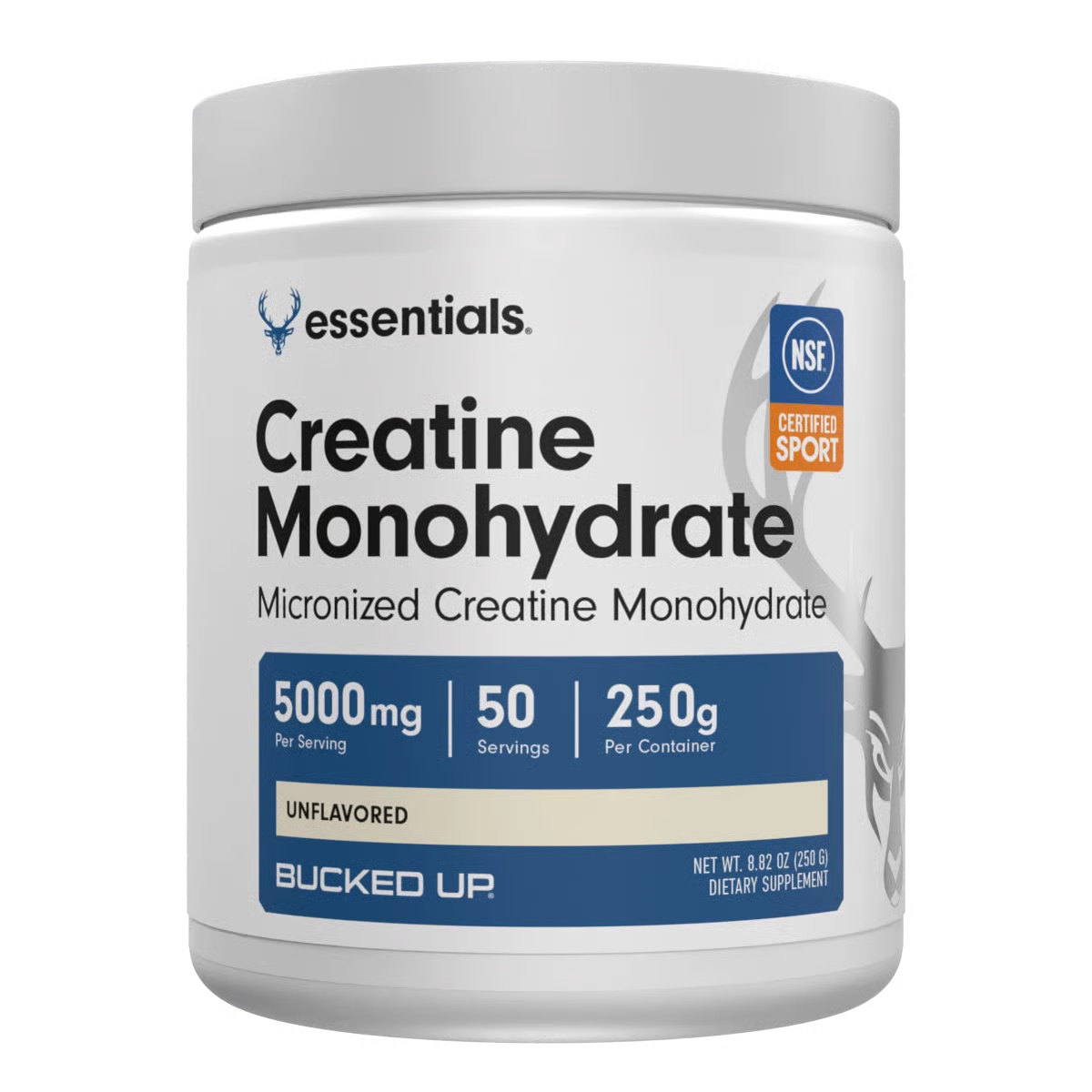
Different creatine forms suit different training phases and tolerance levels for strength athletes. A 2024 clinical trial comparing creatine monohydrate and creatine HCl to placebo found that both forms increased muscle creatine saturation, while HCl achieved similar effects with lower doses and better solubility.1 These findings support using monohydrate for traditional loading and HCl for lower-volume, low-bloat protocols, as reflected in the table below.
| Form | Loading Dose | Bodybuilder Advantages | Bucked Up Product |
|---|---|---|---|
| Monohydrate | 20–25g split | High saturation, long research history | Pure Creatine (99.8% purity) |
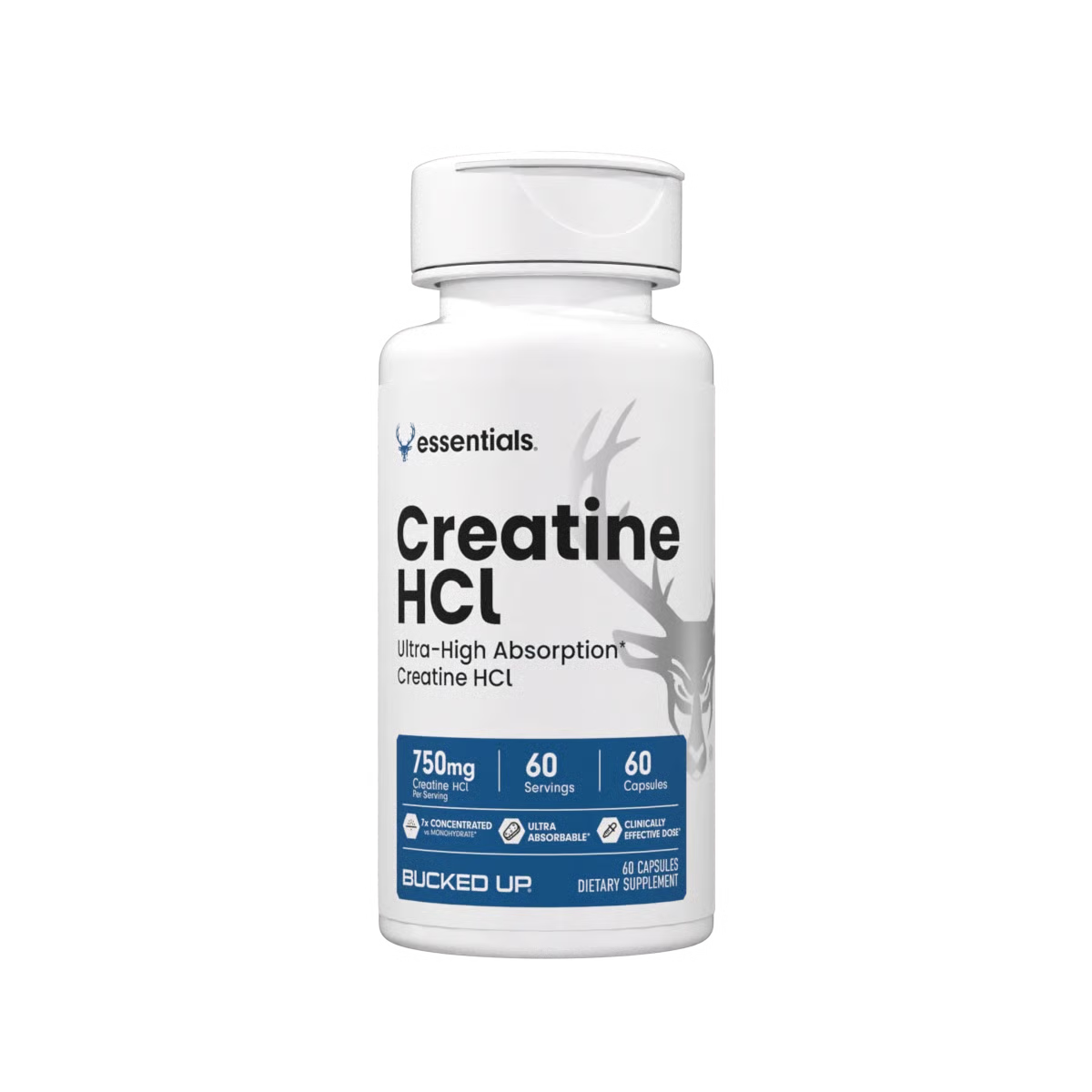
| Creatine HCl | 1–2g daily (no loading) | Minimal bloating, contest prep friendly | Creatine HCl Capsules |
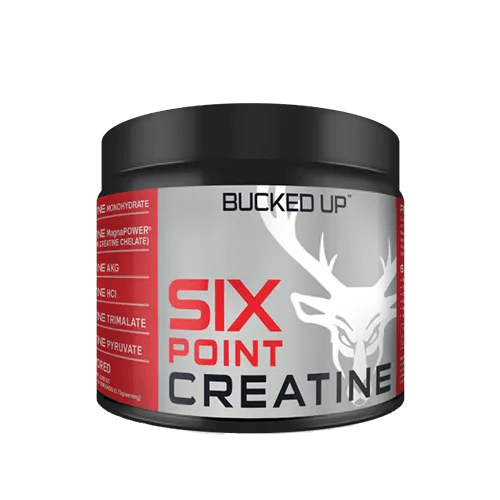
| Multi-blend | 20–25g split | Varied absorption pathways | Six Point Creatine |
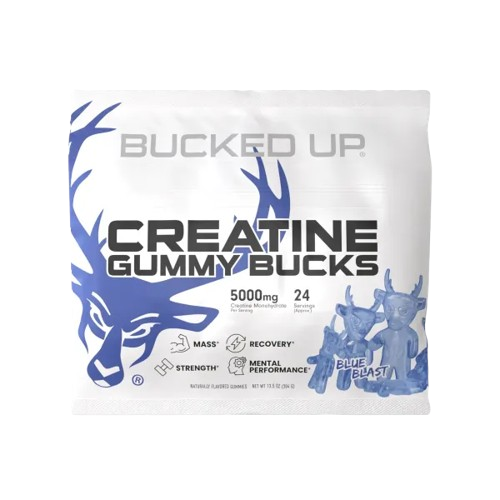
| Gummies | 20–25g (multiple servings) | Convenient, portable dosing | Creatine Gummies |
Creatine HCl exhibits 41-fold greater water solubility and demonstrates superior permeability across the intestinal epithelium, which makes it appealing for prep phases where even mild bloating is a concern.1 Bucked Up products that carry NSF Sport certification give strength athletes added assurance about purity and label accuracy.
Putting Creatine Loading into Practice with Bucked Up
Successful creatine loading depends on timing each dose strategically and aligning it with your training schedule. One effective approach is taking creatine with about 50g of mixed protein and carbohydrates, since this combination supports muscle uptake and may reduce GI symptoms1, which makes post-workout shakes a practical delivery option.
Training during the loading phase enhances uptake1, so keep your normal lifting routine during those 5–7 days. For a 200 lb lifter, a sample schedule uses 5g servings with breakfast, pre-workout, post-workout, dinner, and before bed to maintain steady levels across the day.
Once you have your dosing schedule in place, product selection becomes the next key step. Off-season lifters often choose Six Point Creatine for its multi-form profile and support for muscle fullness, while athletes in contest prep may favor Creatine HCl capsules to limit visible water retention. Match your creatine form to your current training phase, whether you focus on mass building or stage-ready conditioning.
Common Creatine Loading Concerns and How to Handle Them
Misconceptions about creatine loading can keep athletes from using protocols that have strong research support. Splitting the total daily amount into smaller servings, such as 2 × 5g or more frequent 5g doses, significantly reduces gastrointestinal distress risk and is generally well tolerated1, which counters the idea that loading always causes stomach issues.
Bloating concerns relate closely to both product choice and hydration habits. Bucked Up Creatine HCl and Six Point formulations can help limit visible water retention while still supporting performance.1 Adequate daily fluids and balanced electrolytes further support comfortable digestion and stable appearance during loading.
Conclusion: Creatine Loading Blueprint for Strength Athletes
The loading protocol outlined above uses 20–25g daily, split into multiple servings over 5–7 days, then fine-tunes the dose based on body weight and training phase. Bucked Up creatine options with high purity and varied forms can support rapid muscle saturation while helping many athletes manage aesthetics and digestive comfort.
Consistent dosing, smart timing with carbohydrates, and form selection that matches your current phase all work together to unlock the performance benefits of creatine.1 Start your loading protocol with NSF-certified creatine formulated for serious bodybuilding goals.
FAQ: Creatine Loading for Bodybuilders
What is an effective loading schedule for bodybuilders?
An effective schedule uses 20–25g daily split into 4–5 equal doses over 5–7 days, timed around meals and workouts. For a 200 lb lifter, this aligns with a 27g daily target split into 4–5 servings taken with breakfast, pre-workout, post-workout, dinner, and before bed. This structure supports high muscle saturation while reducing the chance of GI discomfort through smaller, spaced-out doses.1
How much creatine should a 200 lb bodybuilder take during loading?
A 200 lb bodybuilder should follow the body weight-based dosing shown in the protocol table above, which calculates to 27g daily during loading. This total works best when split into 4–5 servings across the day to support absorption and reduce digestive issues. Once you complete the 5–7 day loading phase and reach saturation, you transition to a lower maintenance intake of 0.1 g per kg body weight per day (6–10 g for most adults, about 9 g for a 200 lb athlete), which helps maintain elevated stores during high-volume training.
Should I continue training during the creatine loading phase?
Yes, keeping your regular training schedule during loading actually supports creatine uptake into muscle tissue. Exercise increases blood flow and creatine transporter activity in muscles1, so workouts complement the loading process rather than interfere with it. Maintain your usual bodybuilding routine and support it with adequate hydration and nutrition.
Is 5 days or 7 days better for creatine loading?
Five days works well for many lifters because it reaches full muscle saturation while limiting the time spent at higher daily intakes. Research indicates that muscle creatine stores reach maximum levels after 6 days of proper loading at 20 g per day1, so extending much beyond that window often adds little benefit. A 5-day plan can also reduce the chance of bloating or digestive discomfort that some athletes notice with longer loading periods.
Which creatine form helps reduce bloating during loading?
Creatine HCl can be a practical choice for lifters who want to limit bloating during higher-intake phases. Its high water solubility and strong absorption allow for lower daily amounts1, typically 1–2g per day, without a traditional loading phase. Bucked Up Six Point Creatine offers a multi-form blend that many athletes use to gain the benefits of several creatine types while aiming for less water retention than standard monohydrate alone.
1 The content provided in this article is for informational purposes only and is not medical advice. Consult with a medical professional before implementing any changes to your diet, health, or exercise routines.
Individual results will vary and are based on a combination of each individual’s diet, exercise, age, and health circumstances.
These statements have not been evaluated by the Food and Drug Administration. This product is not intended to diagnose, treat, cure or prevent any disease.
This article was written by Ryan Gardner, CEO of Bucked Up. As the maker of Bucked Up Creatine, we have a financial interest in this information. The views expressed are our own and should be read with that context in mind