Written by: Ryan Gardner, Owner, Managing Partner, CEO, Bucked Up | Last updated: April 17, 2026
Key Takeaways
- ATP depletion occurs within seconds of high-intensity exercise and limits power output, strength gains, and recovery.
- The phosphocreatine system supplies immediate energy for explosive efforts but runs out quickly, which causes performance drops in sprints, lifts, and HIIT.
- Creatine supplementation increases phosphocreatine stores and supports rapid ATP regeneration for more reps and steadier strength across sets.1
- Creatine can reduce muscle soreness (DOMS) and support faster recovery between sets and sessions, as shown in research studies.1
- NSF-certified Bucked Up creatine options, including micronized powder, HCl capsules, and gummies, can support ATP levels and training performance, so shop now.1
The Problem: ATP Depletion Limits Your Gains
How Low ATP Crushes Athletic Performance
High-intensity bursts in sprinting, weightlifting, and HIIT rely almost exclusively on the ATP-phosphocreatine system. When this system becomes depleted, performance drops dramatically. Athletes can experience 10–20% fewer repetitions without adequate ATP regeneration. That reduction turns what should be productive training into less effective sessions.
The phosphocreatine system provides immediate energy for explosive movements but exhausts within seconds. This rapid depletion explains why creatine monohydrate augments the ATP-PCr phosphagen system by increasing intramuscular phosphocreatine stores, enabling rapid ATP resynthesis during short-burst high-intensity activities.1 Without these enhanced phosphocreatine reserves, athletes hit performance walls that limit training adaptations.
ATP and Strength: Why Depletion Holds You Back
ATP does not directly increase strength, yet its depletion severely limits strength development. During heavy lifting, muscles require continuous ATP regeneration to maintain force production. When phosphocreatine stores become depleted, strength output drops, and athletes often fail to complete planned repetitions or lift target loads.
Meta-analyses have shown that creatine supplementation can improve muscle strength gains post-intervention versus placebo.1 This improvement occurs because creatine helps maintain ATP availability during strength training sessions.1
ATP and Recovery: Faster Replenishment, Better Results
Post-exercise ATP depletion contributes to muscle damage, fatigue, and slower recovery. Salem et al.’s study found that creatine monohydrate supplementation reduced delayed-onset muscle soreness (DOMS) in upper and lower limbs immediately before the second session compared to placebo (p ≤ 0.012, d = 1.04–1.15).1 Track soreness levels and training frequency while using creatine to see how your recovery responds.
Reduce muscle soreness and support faster recovery between sessions with Bucked Up’s NSF-certified creatine formulations. Shop now.1
The Solution: Creatine Supercharges ATP Regeneration
ATP vs Creatine for Long-Term ATP Support
Oral ATP supplements can provide short-term benefits, while creatine offers more sustainable ATP support through the phosphocreatine system.1 González-Marenco et al.’s 2024 meta-analysis showed that oral ATP supplementation at 400 mg produced meaningful gains in maximal strength compared to placebo, with an average improvement of 8.13 kg in strength measures. However, oral ATP’s short half-life limits its practical application.
Creatine supplementation provides ongoing benefits by increasing muscle creatine and phosphocreatine stores.1 Creatine supplementation elevates intramuscular creatine and phosphocreatine concentrations beyond levels from a conventional diet.1 This elevation supports continuous ATP regeneration during training sessions and quicker recovery between sets.1
The table below compares Bucked Up’s NSF-certified creatine options with generic creatine so you can see how purity, form variety, and comfort features relate to ATP support and everyday use.
| Feature | Bucked Up (NSF-Certified) | Generic Creatine |
|---|---|---|
| Purity | 99.8% micronized | Variable (<99%) |
| Forms Available | Powder/HCl/Gummies/Candy | Powder only |
| Bloat-Free Options | Yes (HCl, Babe Creatine) | May cause bloating |
| Dose Efficacy | Daily dosing | Basic 5g |
Choosing the Right Bucked Up Creatine for ATP Support
Bucked Up offers several creatine formulations that fit different training styles, comfort preferences, and ATP regeneration needs.
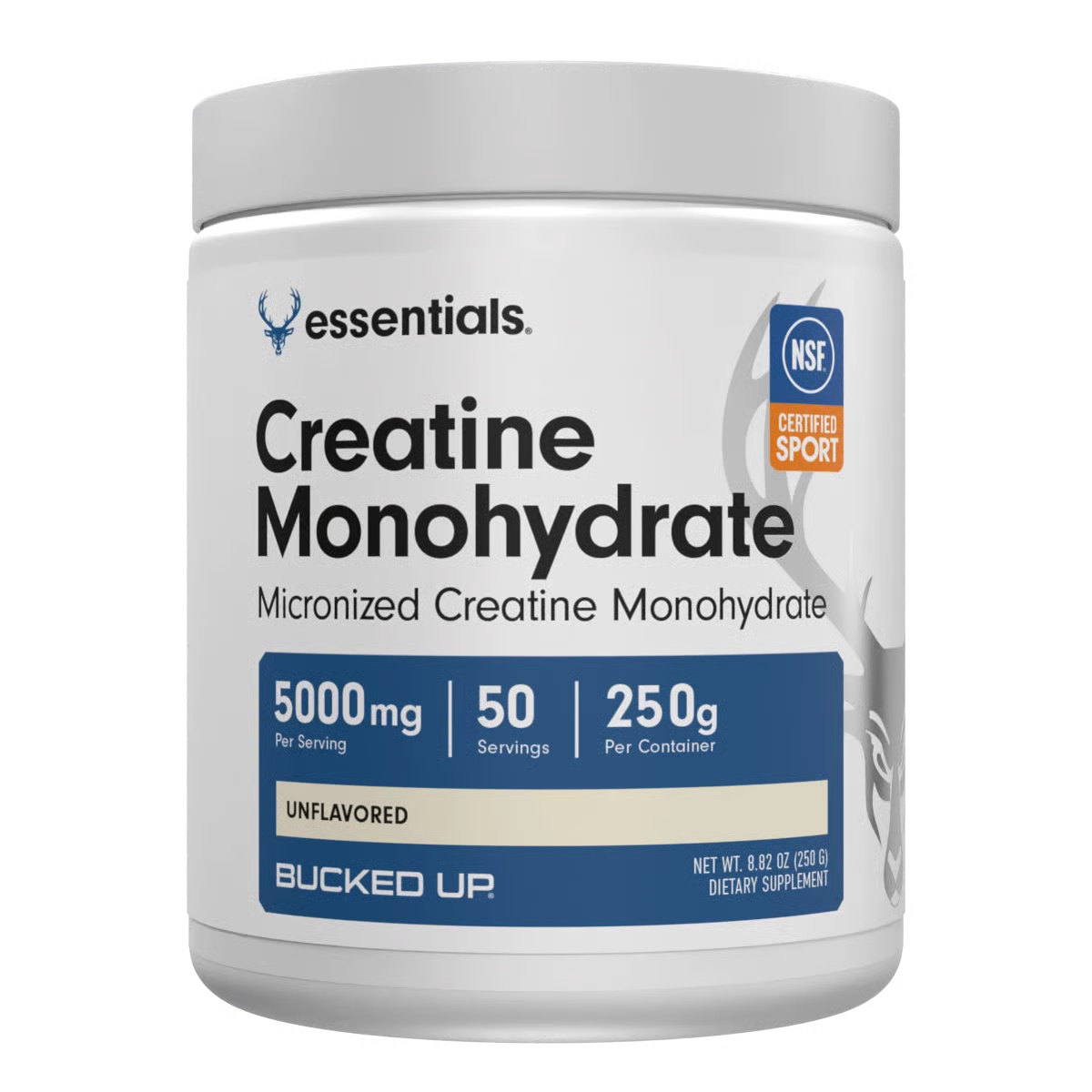
Pure Creatine: This option contains 5 g micronized creatine monohydrate per serving in flavored options such as Blue Raspberry and Fruit Punch. It suits lifters who want a straightforward, research-backed form with flexible mixing.
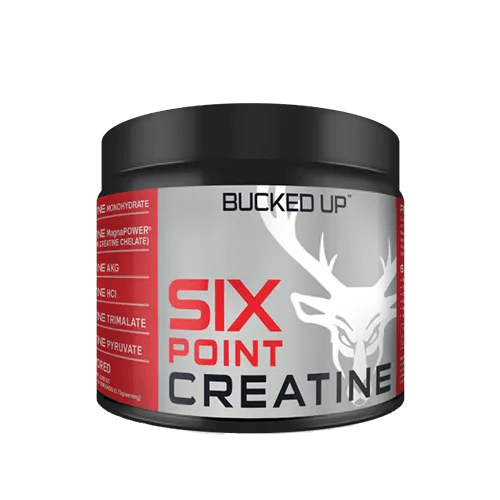
Six Point Creatine: This product features six different creatine forms that work together for broad absorption and steady ATP support. It can appeal to athletes who want a more comprehensive creatine blend.
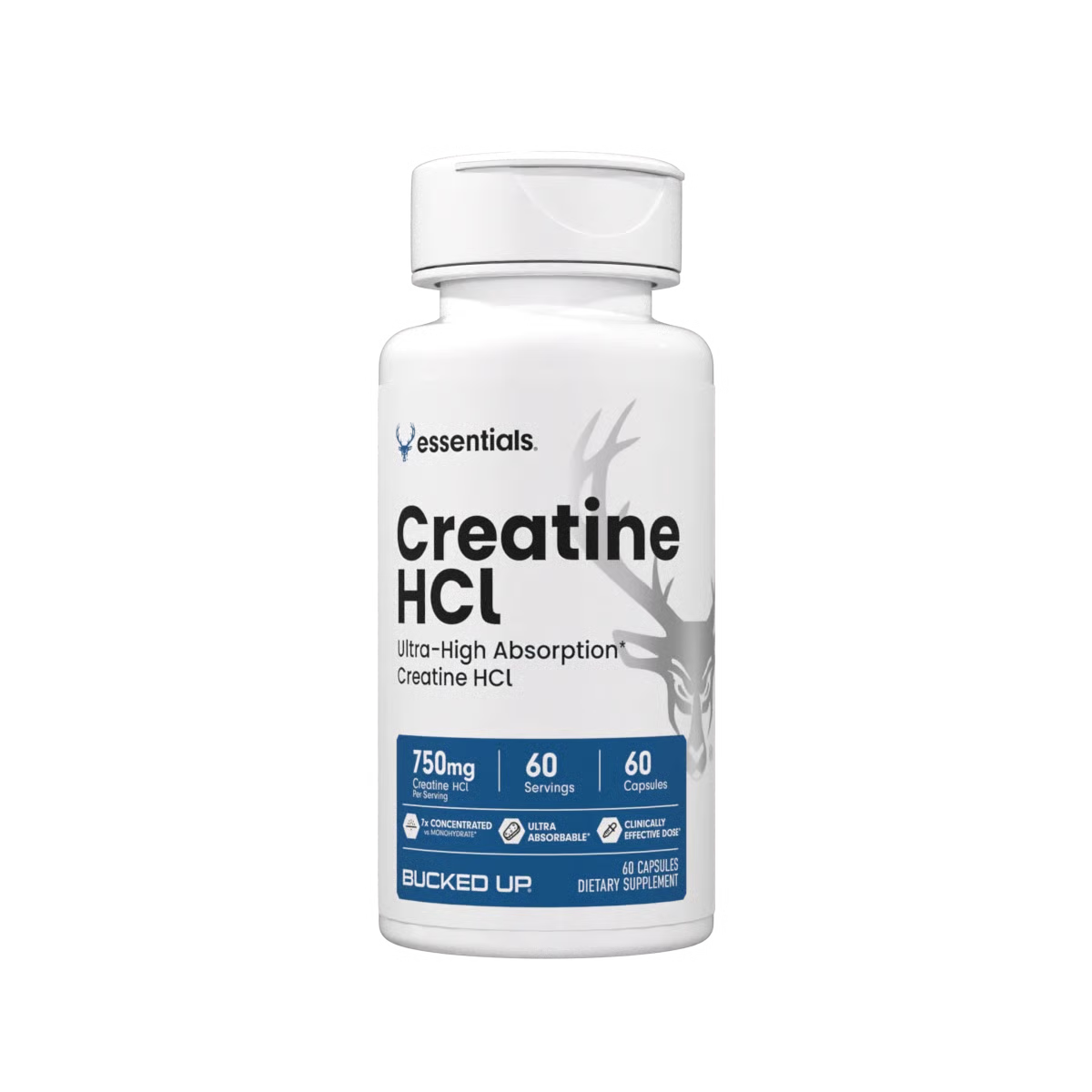
Creatine HCl and Babe Creatine: These products deliver 750 mg CON-CRĒT® Creatine HCl per capsule and focus on bloat-free ATP support. They work well for people sensitive to traditional monohydrate or those who prefer capsules over powders.
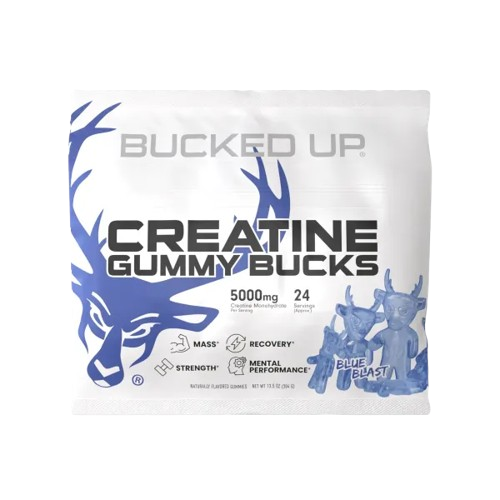
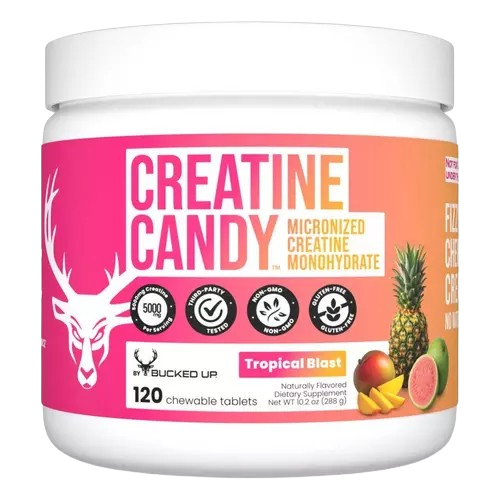
Creatine Gummies and Candy: These options provide portable 5 g doses that make daily creatine intake easier. They fit busy schedules and support ATP regeneration when mixing a drink is not convenient.
Daily dosing with adequate hydration supports muscle creatine saturation and consistent ATP regeneration.1 As noted earlier, short-term creatine supplementation can improve repetitions to failure and reduce cardiovascular strain during training.1 When you compare creatine products, look at form, purity, flavor or capsule format, and user feedback on absorption and convenience.
Support ATP regeneration your way with Bucked Up powders, capsules, gummies, and candy. Find the creatine format that fits your routine and shop now.1
Creatine Usage Tips and Common Questions
Effective creatine use starts with consistent daily intake, even on rest days, so muscles stay saturated. Bucked Up’s HCl formulations remove the need for traditional loading phases and provide rapid absorption in smaller serving sizes.1
Many people believe creatine only supports bulking phases, yet research shows cognitive and endurance benefits across different training goals.1 Bucked Up’s diverse product line also addresses bloating concerns through HCl formulations and more precise dosing options.
FAQ
What is ATP and why does it matter for performance?
ATP (adenosine triphosphate) serves as your cells’ energy currency and powers muscle contractions during high-intensity exercise. When ATP depletes within seconds of explosive effort, performance drops sharply. Creatine helps regenerate ATP through the phosphocreatine system and supports power output during training.1
Should you take creatine on rest days?
Yes, daily creatine intake maintains muscle saturation levels that support ATP regeneration. Consistent supplementation keeps phosphocreatine stores elevated for your next training session and supports better performance and recovery.1
What is the difference between creatine pills and powder?
Creatine capsules offer precise dosing and convenience without mixing. Bucked Up’s HCl capsules provide enhanced absorption and reduced bloating compared to many traditional powders.1 Flavored powders offer taste variety and larger serving sizes for people who prefer a drinkable option.
How much water should you drink with creatine?
Take creatine with 8–12 oz of water per serving and aim for 80–100 oz total daily water intake. Proper hydration supports creatine uptake and cellular function and can reduce the chance of digestive discomfort.1
Does ATP supplementation increase strength directly?
Direct ATP supplementation offers limited benefits because of poor absorption and a short half-life. Creatine supplementation supports strength more effectively by increasing phosphocreatine stores and enabling sustained ATP regeneration during resistance training sessions.1
Conclusion: Support ATP with Bucked Up Creatine
ATP depletion limits athletic performance, strength development, and recovery within seconds of high-intensity effort. Creatine supplementation addresses this limitation by increasing phosphocreatine stores and supporting rapid ATP regeneration during training and competition.1 Bucked Up’s creatine product line offers research-backed formulations in convenient, bloat-conscious options that can support sustained performance improvements.1
Build more consistent power, strength, and recovery with Bucked Up creatine. Explore powders, capsules, and gummies, then choose your match and shop now.1
1 The content provided in this article is for informational purposes only and is not medical advice. Consult with a medical professional before implementing any changes to your diet, health, or exercise routines.
Individual results will vary and are based on a combination of each individual’s diet, exercise, age, and health circumstances.
These statements have not been evaluated by the Food and Drug Administration. This product is not intended to diagnose, treat, cure or prevent any disease.
This article was written by Ryan Gardner, CEO of Bucked Up. As the maker of Bucked Up Creatine, we have a financial interest in this information. The views expressed are our own and should be read with that context in mind