Last updated: April 16, 2026
Key Takeaways
- Mental fatigue from adenosine buildup and glucose depletion responds well to structured work blocks, quality sleep, and consistent recovery habits.
- Seven to nine hours of sleep, steady hydration, and nutrient-dense snacks help restore brain energy and reduce afternoon slumps.
- Short movement breaks, mindfulness, and distraction-free workspaces lower cognitive load and support higher productivity.
- Strategic power naps and B-vitamins support neurotransmitter activity and alertness without the heavy grogginess of long naps.1
- Stack these habits with energy drinks featuring nootropics like AlphaSize and TeaCrine for clear, sustained mental performance.1
Why Mental Fatigue Hits and Focus Drops Off
Mental fatigue shows up as brain fog, low motivation, trouble concentrating, and slower thinking. At the biochemical level, this fatigue appears when your brain’s energy demands exceed its available resources, which leads to adenosine accumulation that signals tiredness. These biological processes are accelerated by lifestyle factors such as poor sleep quality, dehydration, and long periods of effort without breaks. Blood glucose swings and neurotransmitter depletion then add to the familiar afternoon crash that hurts productivity and decision-making.
9 Science-Backed Strategies to Fight Mental Fatigue and Stay Focused Longer
1. Use Pomodoro and Time-Boxing for Structured Focus
A 2025 scoping review found that time-structured Pomodoro interventions consistently improved focus, reduced mental fatigue, and enhanced sustained task performance. Work in 25-minute focused intervals followed by 5-minute breaks, then take a longer 15–30 minute break after four cycles. This structure matches your brain’s natural attention span and gives it predictable recovery windows. Track your focus duration and output over several sessions to see how your performance changes. Students can apply this to study blocks, and professionals can use it for deep work, planning, or meeting prep.
2. Protect 7–9 Hours of Quality Sleep
Set a consistent sleep and wake time and create a sleep-friendly bedroom by keeping it cool, dark, and quiet. These conditions matter because quality sleep helps your brain clear metabolic waste, including adenosine, while consolidating memories and restoring cognitive function. To protect this restorative process, avoid screens for 1–2 hours before bed and use a calming routine such as reading or gentle stretching. Without these practices, poor sleep strongly correlates with higher mental fatigue and weaker focus the next day.
3. Hydrate Steadily and Fuel Your Brain with Smart Snacks
Even mild dehydration, such as a 1–2% loss of body mass, leads to reductions in the ability to concentrate and increases in tiredness. Drink water consistently throughout the day and pair it with brain-fueling snacks like nuts, berries, or whole grains. These foods provide steady energy and micronutrients that support brain function. Glucose from fruit juices acts as the brain’s preferred fuel, offering short-term boosts to memory and mental ability, though moderation helps you avoid sharp spikes and crashes.
4. Add Short Movement Breaks and Regular Exercise
Take 5–10 minute movement breaks every hour with walking, stretching, or light calisthenics. Albulescu’s 2022 systematic review found that micro-breaks were associated with improved well-being and reduced fatigue. Movement helps deliver oxygen and nutrients to the brain while supporting removal of metabolic waste. Notice how your energy and focus feel before and after these breaks to dial in timing and intensity. Even a brief walk can reset your mental state and prepare you for the next focused block.
5. Use Mindfulness and Deep Breathing to Reset Stress
Spend 5–10 minutes on deep breathing or mindfulness meditation during natural transitions in your day, such as between meetings or tasks. These practices activate the parasympathetic nervous system and lower stress hormones that contribute to mental fatigue. Microsoft WorkLab’s 2021 research using EEG showed that breaks between meetings allowed the brain to reset, which improved engagement and reduced stress markers. Short, intentional pauses can keep your mental load from snowballing.
6. Build a Distraction-Resistant Work Environment
Turn off nonessential notifications, tidy your workspace, and use noise-canceling headphones or background music to protect your attention. These environmental controls matter because mental fatigue rises when your brain constantly filters irrelevant stimuli. Beyond physical distractions, set specific times to check email and messages instead of reacting to every alert. This batching approach lowers cognitive load and preserves mental energy for work that actually moves the needle.
7. Rely on Short 10–20 Minute Power Naps
Use brief 10–20 minute naps between 1–3 PM to ease afternoon fatigue while avoiding deep sleep stages that cause grogginess. Short naps help clear some adenosine and restore alertness. Set an alarm and nap in a quiet, dark space so you wake up refreshed instead of disoriented. This strategy can work especially well for shift workers and students with long days who need to stay sharp into the evening.
8. Use B-Vitamins and Nootropic Energy Drinks Strategically
B vitamins support metabolism and energy production, which can help mental focus.1 Get enough B6, B12, and other B-complex vitamins through a balanced diet or quality supplements, since these vitamins support neurotransmitter synthesis and energy metabolism.1 B vitamins like B6, B12, and B9 supplements benefit brain health only if you are low on them, per WebMD.1
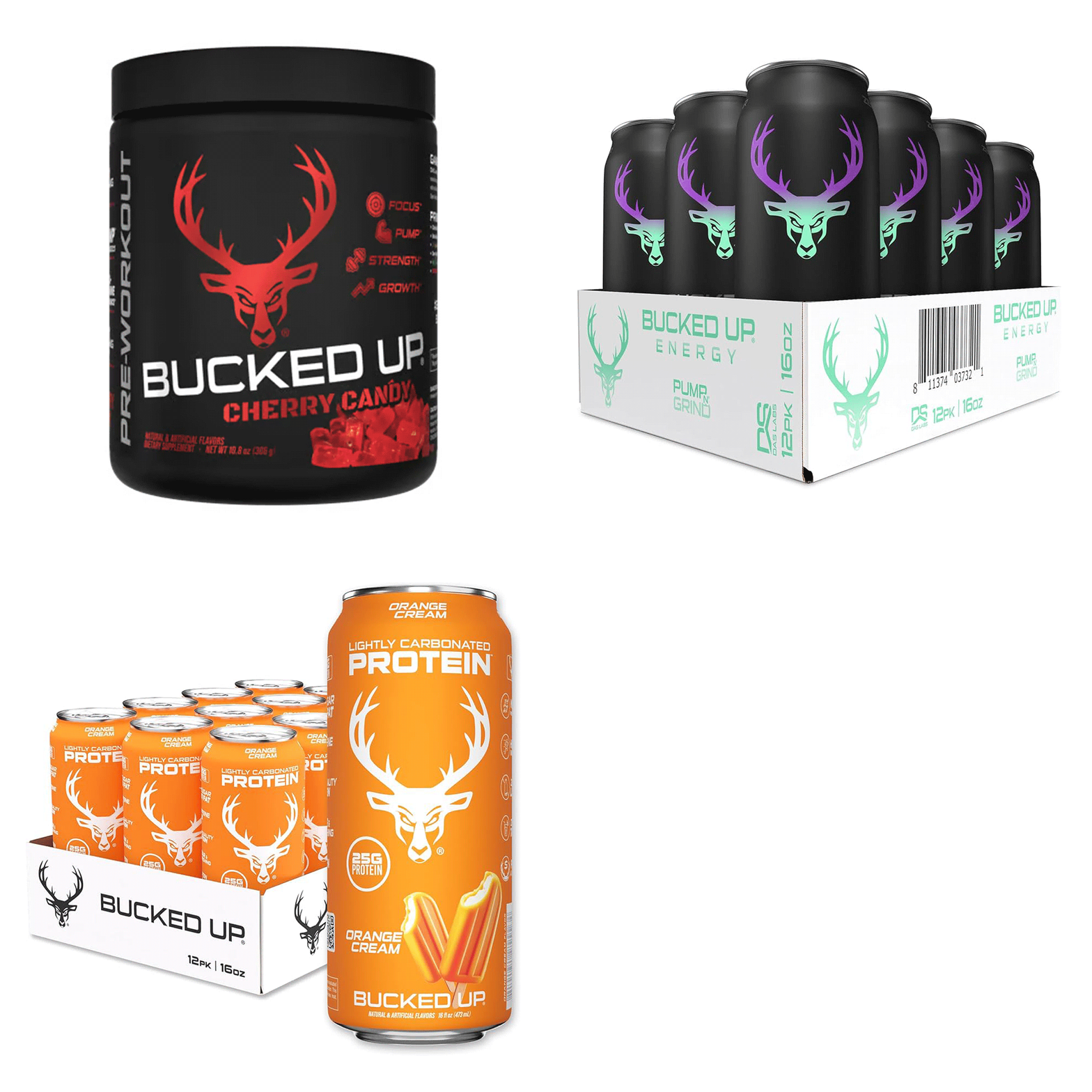
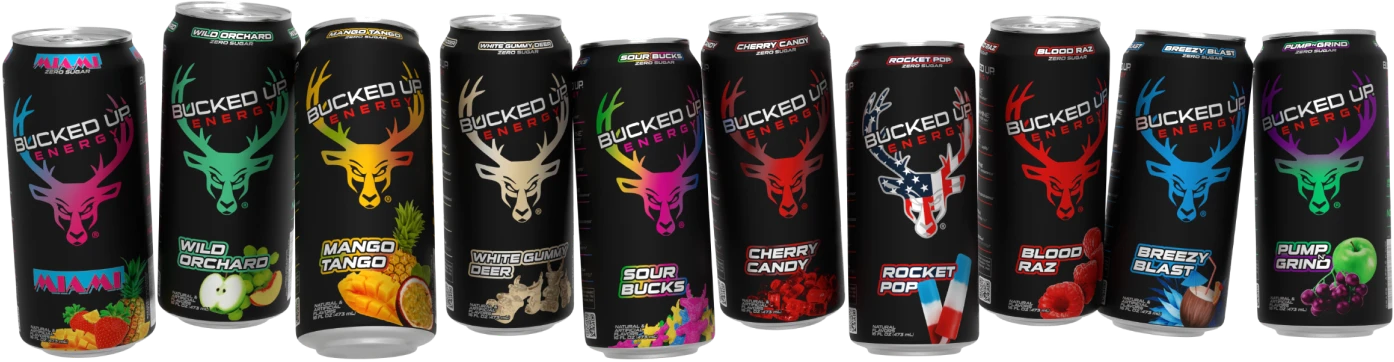
Bucked Up Energy Drinks provide 300 mg of caffeine along with nootropics like AlphaSize Alpha-GPC, Dynamine, and TeaCrine. Try one serving during your morning routine or before demanding mental tasks and pay attention to how your focus, mood, and energy respond. When you compare energy drinks, look at user feedback and labels for sustained energy, reduced crash reports, and inclusion of nootropics rather than only sugar and caffeine.
LFG Energy Drink contains 160 mg of caffeine plus AlphaSize and ingredients such as Paradoxine and MitoBurn. This combination supports focused energy and metabolic function, which can help during exam weeks or major deadlines.1 Babe Energy Drink offers 150 mg of natural caffeine from InnovaBean with AlphaSize and mood-supporting ingredients in a more moderate dose.1 This option can suit people who want cognitive support but feel sensitive to higher caffeine levels.1
9. Combine These Strategies for Stronger, Lasting Results
Layer several of these approaches together by pairing your chosen Bucked Up Energy Drink with Pomodoro blocks, steady hydration, and regular movement breaks. Start with consistent sleep and a balanced breakfast, then use well-timed caffeine and nootropic support to maintain clear thinking through your busiest hours. This stacked approach targets mental fatigue from several angles and can support more reliable performance across long days.
How Performance Energy Drinks Support Cognitive Edge
Performance energy drinks like Bucked Up use ingredients that go beyond basic caffeine and sugar. AlphaSize Alpha-GPC supports acetylcholine production, which is involved in memory and learning.1 Dynamine supports smooth energy and mood without a heavy crash for many users.1 TeaCrine offers sustained cognitive benefits and works synergistically with caffeine to support longer focus.1 L-Theanine promotes calm alertness, and B-vitamins support energy metabolism and neurotransmitter function.1 Compare these profiles with basic caffeinated beverages to see which option better matches your cognitive goals.
How to Avoid Common Mistakes and Energy Crashes
Excess caffeine often leads to jitters, anxiety, and hard crashes that worsen mental fatigue. Keep total caffeine intake at or below 400 mg daily and avoid caffeine after about 2 PM to protect your sleep. Skipping fundamentals such as sleep, hydration, and nutrition weakens any supplement strategy. Build a solid base first, then add performance products like Bucked Up Energy Drinks so you get benefits without relying on them to cover lifestyle gaps.1
How Different People Can Apply These Strategies
Students can pair a morning serving of Bucked Up Energy with Pomodoro study blocks to stay engaged during long review sessions.1 Professionals can time their energy drink earlier in the day and combine it with a distraction-controlled workspace and scheduled movement breaks. Shift workers can use these tools to stay alert during nontraditional hours while paying close attention to caffeine timing to protect daytime sleep. Explore formulations to find the Bucked Up Energy option that aligns with your schedule and focus needs.
Frequently Asked Questions
What vitamins help mental fatigue?
As mentioned in the strategies above, B-complex vitamins, particularly B6 and B12, help convert nutrients into usable energy and support proper brain function. Bucked Up Energy Drinks contain Pyridoxine HCL (B6) and Methylcobalamin (the active form of B12) to support sustained mental energy.1 Vitamins C and E, along with magnesium, also contribute to cognitive function and energy production when your regular diet does not provide enough.
How do you reset when mentally exhausted?
Resetting your mind works best when you combine quick relief with deeper recovery. Take a 10–20 minute power nap if you can, then follow it with light movement such as walking or stretching. Use deep breathing exercises to activate your parasympathetic nervous system and lower stress. Hydrate well and choose a snack that includes protein and complex carbohydrates for steady fuel. For longer-term recovery, protect 7–9 hours of sleep and consider nootropic support such as Bucked Up Energy Drinks to help restore cognitive function.
Do energy drinks cause jitters?
Many traditional energy drinks that rely on high caffeine and sugar can cause jitters, anxiety, and crashes. Bucked Up Energy Drinks include TeaCrine for more gradual energy and L-Theanine to support calm focus.1 When you compare options, look for formulations that use ingredients associated with smoother energy curves instead of sharp spikes.
How often should you consume Bucked Up Energy Drinks?
Moderation supports both safety and effectiveness. Many people can handle one Bucked Up Energy Drink per day, ideally in the morning or early afternoon so sleep stays intact. Pay attention to your own caffeine sensitivity and adjust serving size or frequency as needed. Avoid stacking multiple energy drinks in a single day and keep sleep, hydration, and nutrition as your primary performance tools.
Are there any safety considerations with performance energy drinks?
Bucked Up Energy Drinks are manufactured in GMP-certified facilities in the USA, which supports consistent quality and safety standards. People with caffeine sensitivity, heart conditions, or those taking medications should talk with a healthcare provider before use. Pregnant or nursing women should avoid high-caffeine products. Always read labels carefully and start with smaller amounts to gauge your tolerance before moving to full servings.
Conclusion
Mental fatigue does not have to control your productivity or focus. By using these nine science-backed strategies and adding performance-focused nutrition such as Bucked Up Energy Drinks, you can support steady cognitive performance through demanding days.1 The mix of structured work blocks, quality sleep, movement, and targeted nootropics offers broad support for mental clarity and consistent energy.1 Experience scientifically-formulated cognitive enhancement1 and explore where Bucked Up Energy Drinks are available at retailers nationwide so you can take a more active role in managing your mental energy.
1 The content provided in this article is for informational purposes only and is not medical advice. Consult with a medical professional before implementing any changes to your diet, health, or exercise routines.
Individual results will vary and are based on a combination of each individual’s diet, exercise, age, and health circumstances.
These statements have not been evaluated by the Food and Drug Administration. This product is not intended to diagnose, treat, cure or prevent any disease.
This article was written by Ryan Gardner, CEO of Bucked Up. As the maker of Bucked Up Energy Drinks, we have a financial interest in this information. The views expressed are our own and should be read with that context in mind.