
Key Takeaways
- ATP supplies the immediate energy for sprinting, and its rapid turnover can limit top speed, acceleration, and repeat sprint efforts.
- Creatine supports faster ATP regeneration so you can accelerate harder, hold peak velocity longer, and recover better between sprints.*
- Supporting nutrients such as beta-alanine, citrulline, betaine, magnesium, and carbohydrates help buffer fatigue, improve blood flow, and sustain energy for hard training.*
- Simple habits like daily dosing, smart timing around workouts, and consistent hydration matter more than complex supplement cycles for most sprinters.*
- Bucked Up Creatine products provide research-supported forms and convenient formats to fit your routine; explore Bucked Up creatine options here.*
How ATP Fuels Sprint Speed and Power
ATP basics for sprinters
ATP is the cellular currency for energy-requiring processes, including mechanical work such as exercise. This molecule serves as the immediate energy source for every powerful stride out of the blocks.
ATP turnover can increase roughly 100-fold from rest to intense exercise, which places a large energetic demand on the body. Sprinters who support fast ATP regeneration gain an advantage in both acceleration and speed maintenance.
Immediate energy for the first few seconds of a sprint comes from ATP already stored in muscle, and that store is used very quickly. Performance during that window depends on how fast your body can recycle ATP.
Energy systems that power short sprints
The ATP phosphocreatine system supplies most of the energy for short, all-out efforts such as 100-meter sprints that last up to about 20 to 30 seconds. This system supports the highest power output but has limited capacity.
ATP functions as the primary energy currency for high-intensity and intermittent sports because it can be used and regenerated very quickly. Well-trained aerobic capacity then helps refill these anaerobic systems between sprints.
Training that targets the ATP phosphocreatine system includes short sprints, Olympic lifts, and plyometrics, while aerobic work supports recovery between intense efforts. A supplement plan works best when it supports both power production and recovery capacity.*
Creatine for Faster ATP Regeneration in Sprints
How creatine supports sprint performance
Creatine phosphate in muscle rapidly donates a phosphate group to ADP to regenerate ATP during short, high-intensity efforts. Supplemental creatine increases these phosphocreatine stores so your muscles can recycle ATP more quickly during all-out bursts.
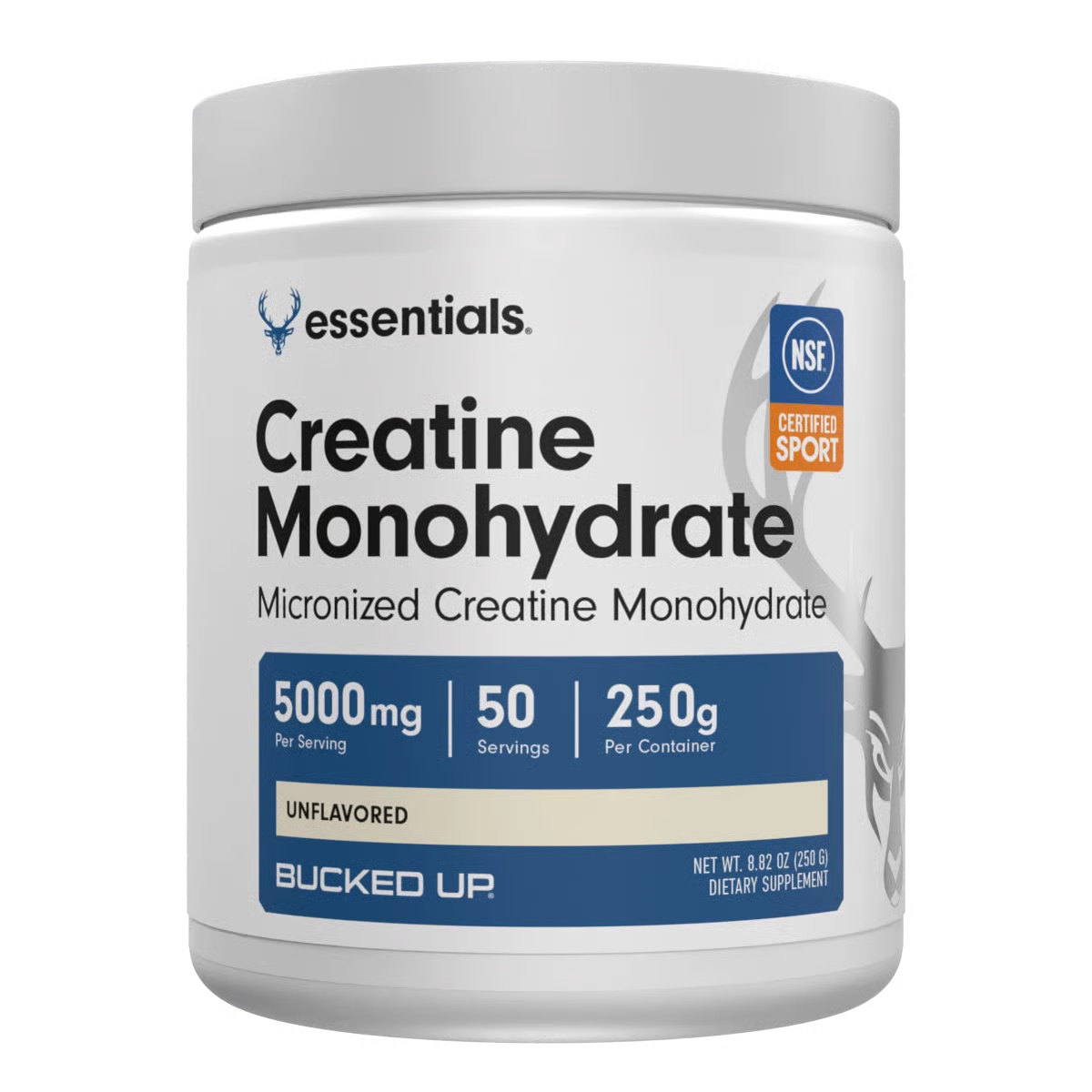
Choosing a Bucked Up creatine for your goals
Bucked Up offers several creatine formats so you can match the product to your sprinting needs and preferences.*
- Pure Creatine Monohydrate provides a straightforward, research-supported form that suits most sprinters who want reliable strength and power support.*
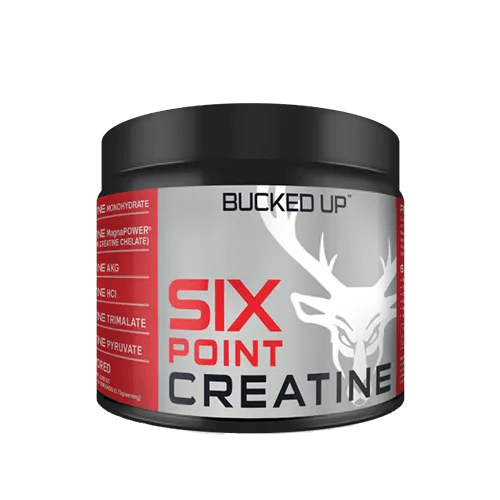
- Six Point Creatine combines multiple creatine forms with different absorption characteristics, which supports broad muscle saturation and convenient all-in-one coverage.*
- Creatine HCl options focus on solubility and digestive comfort, which can appeal to athletes who want less water retention or who have sensitive stomachs.*
All Bucked Up creatine products are manufactured in NSF and GMP Certified facilities with NSF Sport certification, which supports purity and label accuracy for competitive athletes.* Convenient formats such as powders and gummies help make daily use easy, so you can stay consistent.
Shop Bucked Up creatine to support your sprint performance.
Other Nutrients That Support ATP, Fatigue Resistance, and Recovery
Beta-alanine for buffering muscle burn
Beta-alanine raises muscle carnosine levels, which helps buffer the hydrogen ions that build up during hard efforts.* This buffering can reduce burning sensations in events such as 200 to 400 meters and repeated sprint sets, allowing slightly longer or harder efforts before you need to slow down.*
Citrulline malate for blood flow and energy
Citrulline supports nitric oxide production, which promotes blood flow to working muscles.* The malate component feeds into the citric acid cycle, so this combination can support ATP production during recovery periods between sprints and heavy gym work.*
Betaine and magnesium for power and enzyme function
Betaine anhydrous acts as an osmolyte, helping cells maintain fluid balance during intense training.* This support for cell volume links to power output and endurance across sessions. Magnesium serves as a cofactor for many enzymes involved in ATP production, so adequate intake supports efficient energy use for sprinting.*
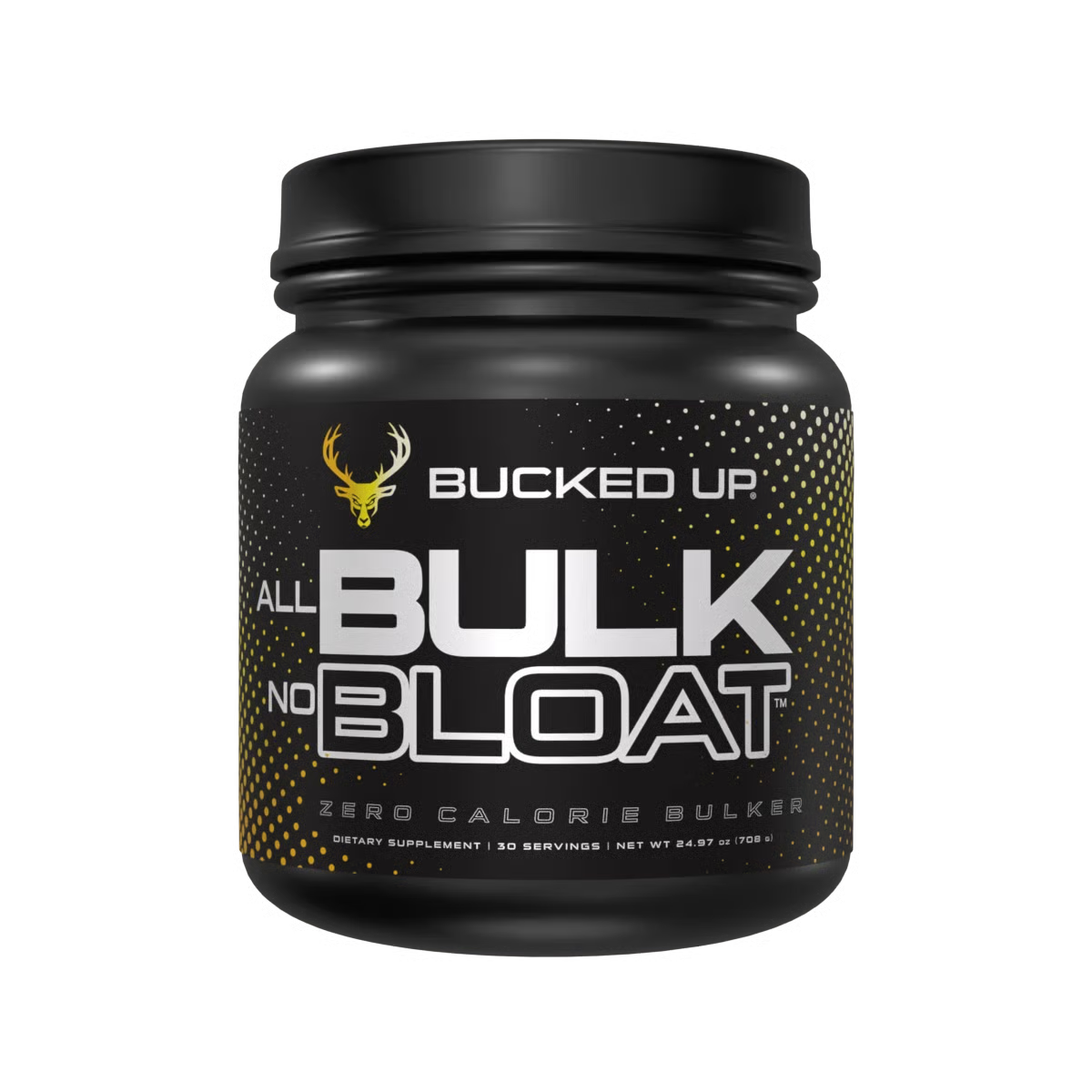
Bucked Up formulas such as All Bulk No Bloat and Buck Build include betaine, magnesium, and recovery-focused ingredients like L-glutamine, HMB, taurine, and alpha lipoic acid to create a supportive environment for high-output training and recovery.*
Carbohydrates are the main fuel at high intensity
Carbohydrate metabolism becomes dominant over fat metabolism as exercise intensity rises. Sprinters who train hard several times per week benefit from regular carbohydrate intake to keep muscle glycogen and ATP production capacity high.
Fat oxidation can increase many-fold at low to moderate intensity but is down-regulated at higher intensities. This pattern explains why hard sprint training depends heavily on glucose availability and why low-carbohydrate diets can make repeated speed sessions feel flat.
Building a Simple Sprint Supplement Plan
Daily basics for ATP support
Most sprinters see the best results when they treat creatine as a daily staple rather than a short cycle.* A typical plan includes 3 to 5 grams of creatine per day, taken at any time that fits your routine, to maintain muscle saturation.*
Hydration works closely with creatine and other ATP-supporting nutrients. Many athletes aim for roughly 80 to 100 ounces of water per day, adjusting for body size, climate, and training load, to support cell function and reduce the chance of cramping or discomfort.*
Before and after sprint training
A pre-sprint stack might pair your usual creatine dose with beta-alanine and citrulline malate about 30 to 45 minutes before training for support in power, blood flow, and fatigue resistance.* After training, a product such as Buck Build can supply creatine along with amino acids and recovery-focused nutrients to support muscle repair and ATP restoration.*
Stacking does not need to be complex. Many sprinters do well with a base of creatine, plus beta-alanine and citrulline around harder sessions, and a multi-ingredient recovery product on key training days.*
Key Safety Points and Common Concerns
Creatine monohydrate has an extensive safety record in healthy adults when used at standard doses.* Some athletes notice mild increases in water stored inside muscle cells, which can support performance by improving leverage and cell hydration.* This effect differs from the soft-tissue bloating athletes often want to avoid.
Creatine HCl products from Bucked Up provide an option for sprinters who prefer smaller serving sizes or who want to minimize any digestive discomfort while retaining performance benefits.* Adequate hydration remains important with any creatine form.
Supplements work best as additions to structured training, sound nutrition, and sufficient sleep. They cannot replace sprint technique work, strength training, and recovery, but they can help you get more from each session when used consistently.*
Answers to Common Sprint Supplement Questions
Timeline for seeing results from ATP-supporting supplements
Many athletes notice creatine effects within about 5 to 7 days of daily use, with full muscle saturation usually reached in 2 to 3 weeks at standard doses.* Beta-alanine often requires 2 to 4 weeks of consistent intake to build enough carnosine in muscle for a noticeable change in fatigue during repeated sprints.*
Creatine use on rest days
Creatine works best when taken every day, including rest days, because muscles use ATP for both training and recovery processes.* Keeping intake steady helps maintain muscle saturation so you are ready to perform whenever the next hard session arrives.*
Long-term creatine use and cycling
Creatine does not require cycling in healthy adults at typical doses.* Many sprinters use it year-round to support strength phases, speed development, and in-season performance.* If you choose to pause intake, muscle creatine levels gradually return to baseline over several weeks.
Conclusion: Use ATP Support to Sprint Faster in 2026
Supporting ATP production and regeneration gives sprinters a direct way to influence speed, power, and recovery in 2026. Creatine sits at the center of that strategy by helping muscles recycle ATP more quickly during all-out efforts, while nutrients such as beta-alanine, citrulline, betaine, magnesium, and adequate carbohydrates round out a practical performance plan.*
Smart supplementation does not replace sprint training, but it can help you get more quality work from each session and recover better between them. Choosing tested products and using them consistently keeps the plan simple and sustainable.
*Disclaimer: These statements have not been evaluated by the Food and Drug Administration. This product is not intended to diagnose, treat, cure, or prevent any disease.