Written by: Ryan Gardner, Owner, Managing Partner, CEO, Bucked Up | Last updated: April 17, 2026
Key Takeaways
- Micronized creatine monohydrate improves mixability, reduces grittiness, and may minimize digestive discomfort for athletes.1
- NSF Sport certification supports product purity and absence of banned substances, which many competitive athletes consider essential.1
- A 5 g serving of pure creatine monohydrate aligns with research on power, strength, and recovery benefits.1
- Fruit punch flavoring can make daily creatine use more enjoyable without reducing performance benefits.1
- Bucked Up Pure Creatine Fruit Punch combines NSF certification, micronization, and fruit punch flavoring, so you can shop Bucked Up creatine here if those features match your goals.
How to Choose a Fruit Punch Creatine Monohydrate for Athletes
Choosing a fruit punch creatine works best when you focus on a few criteria that affect performance and daily use. Micronized creatine monohydrate improves mixability and may reduce mild stomach discomfort for some people.1 For athletes who train multiple times per day, this higher solubility can matter because undissolved particles from standard creatine may irritate the stomach during intense sessions.1
Third-party certifications provide crucial quality assurance. NSF Certified for Sport certification, like that held by Bucked Up supplements, supports the absence of contaminants and banned substances.1 This level of testing makes certification a practical requirement for many competitive athletes who undergo drug testing.
Dosing precision supports consistent results over time.1 Creatine supplements should provide a dose of 5 grams of creatine monohydrate per serving, with exact amounts clearly listed on the label to avoid under-dosing in proprietary blends. Athletes can also look for products without unnecessary additives that may trigger digestive issues.
The following table summarizes three core criteria that many athletes use when comparing fruit punch creatine products.
| Criteria | Why It Matters | Example |
|---|---|---|
| Micronization | Improves solubility and reduces grittiness | 99.8% pure micronized powder |
| NSF Sport Certification | Supports banned substance testing | NSF Sport certified |
| 5 g Serving Size | Aligns with research-backed effective dose | Exact 5 g per scoop |
With these criteria in mind, the products below illustrate how different fruit punch creatine options compare on purity, flavor, testing, and price.
The 7 Best Fruit Punch Creatine Monohydrate Powders for Athletes 2026
1. Bucked Up Pure Creatine Fruit Punch
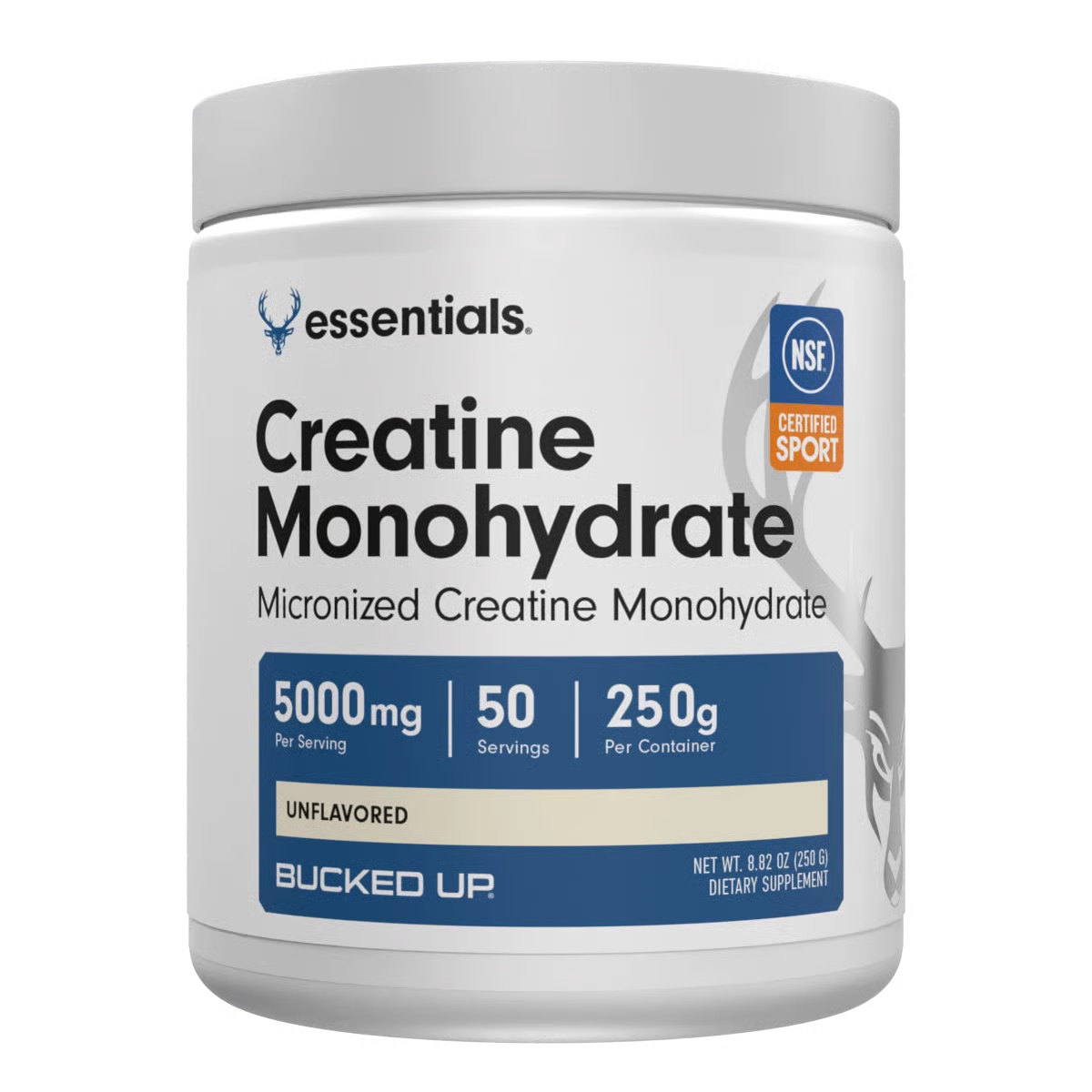
Bucked Up Pure Creatine Fruit Punch provides 5 grams of 99.8% pure micronized creatine monohydrate and carries NSF Sport certification. The fruit punch flavor helps cover any remaining chalkiness while keeping the ingredient list straightforward and transparent. Athletes can also pay attention to mixability and aftertaste when deciding if this product fits their routine.
Pros: NSF Sport certified, micronized for easy mixing, transparent labeling, GMP manufactured Cons: Higher price than many generic options
2. Nutricost Creatine Monohydrate Fruit Punch
Nutricost Creatine Monohydrate Fruit Punch offers a budget-conscious option with fruit punch flavor and basic third-party testing. It provides a standard 5 g serving and uses micronized powder, which can support smoother mixing. The product does not list NSF Sport certification, so athletes who compete in tested sports may want to review testing details on the product label and brand site.
Pros: Lower price per serving, micronized powder, basic third-party testing Cons: No NSF Sport certification, fewer published details on sport-specific testing
3. MuscleTech Platinum Creatine Fruit Punch
MuscleTech Platinum Creatine Fruit Punch combines micronized creatine with a flavored profile that many users find palatable. The brand has a long presence in the sports nutrition space, and some athletes value that track record. Mixability and flavor experience can vary, so checking recent user reviews and the product label helps clarify serving details and ingredient list.
Pros: Micronized formula, established brand history, flavored option for taste variety Cons: Mixed feedback on mixability, limited public information on sport-specific certifications
4. Cellucor Cor-Performance Creatine Fruit Punch
Cellucor Cor-Performance Creatine Fruit Punch focuses on flavor, using added ingredients to create a sweeter, more pre-workout-style taste. This approach can appeal to athletes who want a more intense flavor experience instead of a basic creatine profile. The tradeoff comes from a longer ingredient list, so athletes with sensitivities may want to review the product label closely.
Pros: Strong flavor profile, wide retail availability, recognizable brand Cons: More added ingredients that may not suit every athlete, higher cost per serving than simpler formulas
5. BPI Sports Best Creatine Fruit Punch
BPI Sports Best Creatine Fruit Punch uses a blend of several creatine forms rather than only creatine monohydrate. This structure appeals to athletes interested in variety, although creatine monohydrate remains the most researched form. The product label lists the different forms within a blend, so exact amounts of each type may not appear separately.
Pros: Multiple creatine forms in one product, strong brand marketing and flavor options Cons: Proprietary blend dosing, less research support for some non-monohydrate forms
6. Optimum Nutrition Micronized Creatine Fruit Punch
Optimum Nutrition Micronized Creatine Fruit Punch offers a straightforward micronized creatine with added flavoring from a widely known sports nutrition brand. Many athletes appreciate the simple formula and broad availability online and in stores. Flavor quality and sweetness level can differ by batch and personal preference, so checking the product label and reviews can help set expectations.
Pros: Trusted brand, micronized creatine, simple structure Cons: Variable flavor experience, limited public detail on sport-specific certifications
7. Generic Store Brand Fruit Punch Creatine
Generic store brand fruit punch creatine usually focuses on low price and basic creatine monohydrate with flavoring. These products can work for athletes who prioritize cost and do not require extensive third-party testing. Because quality control and testing practices can vary between retailers, athletes may want to examine labels closely and look for any available testing information.
Pros: Lowest price point in many cases Cons: Variable quality control, limited testing transparency, mixability and flavor can be inconsistent
Athletes Can Consider Bucked Up Creatine
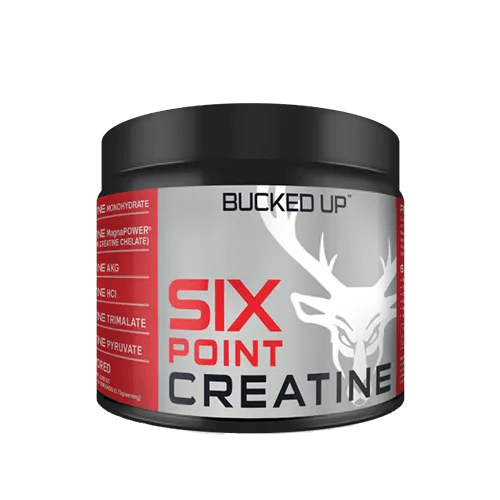
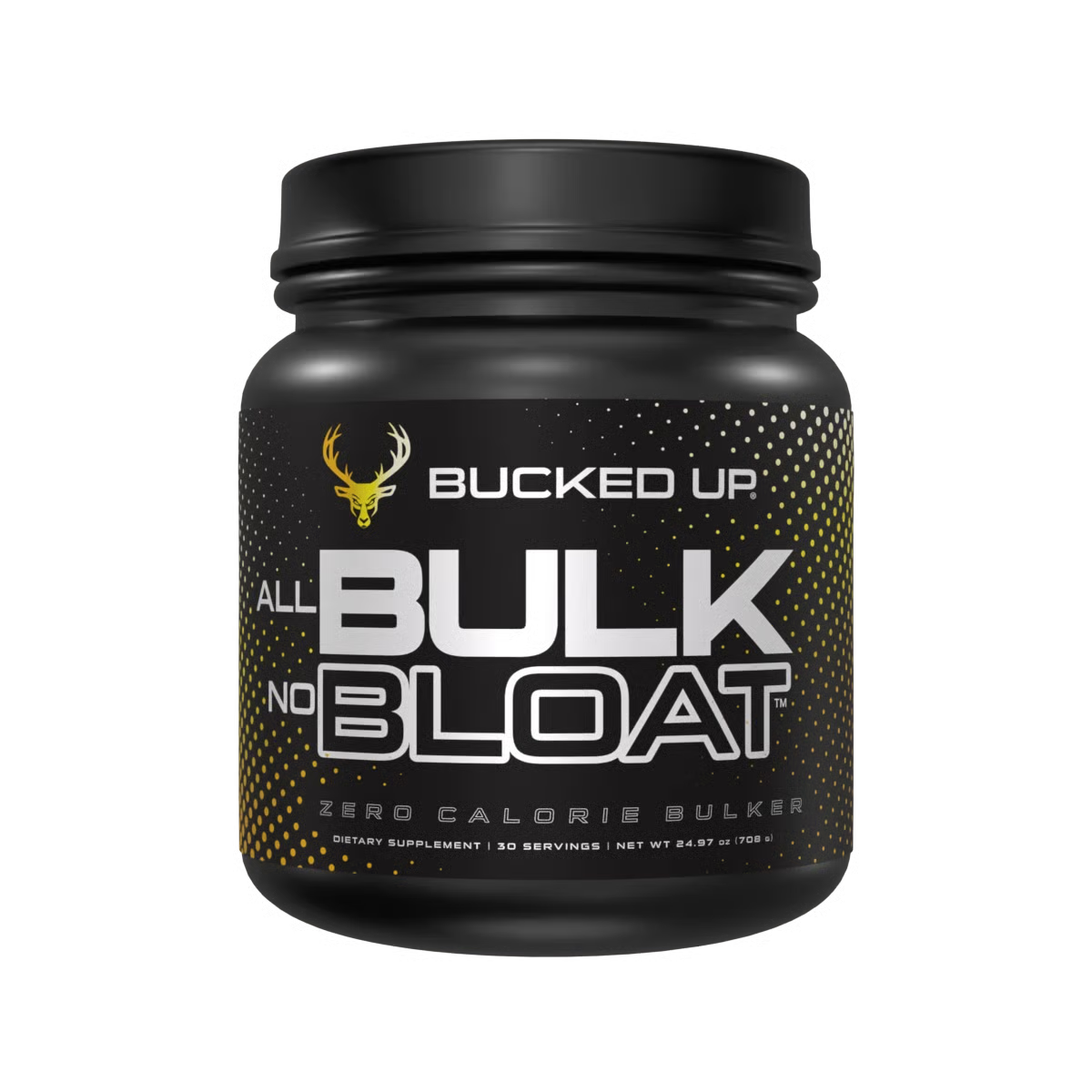
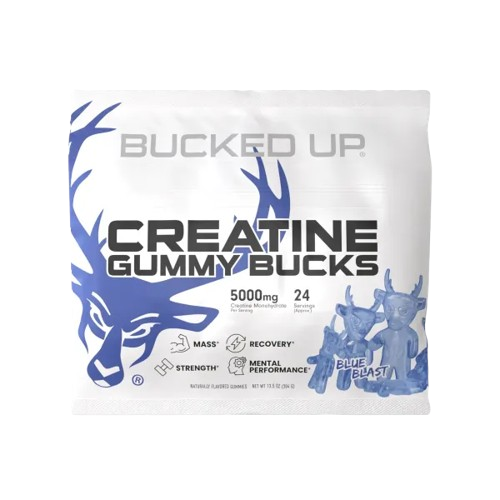
Beyond the Pure Creatine Fruit Punch option described above, Bucked Up offers additional creatine products such as Six Point Creatine, All Bulk No Bloat, and gummy or candy formats. Recent research demonstrates creatine’s benefits for both physical performance and cognitive function1, so these different formats can support athletes who want both mental focus and physical power.
These diverse product formats all share a common foundation in manufacturing quality. The company’s Utah-based GMP and NSF certified manufacturing supports consistent quality and safety standards across the product line.
Athlete Use Cases and Practical Tips
Sprinters and power athletes often take 5 grams of creatine after training to support ATP regeneration before the next intense session.1 Similarly, many bodybuilders mix creatine into protein shakes to support both immediate recovery and long-term muscle growth.1 Regardless of sport, a no-loading-phase approach of 3–5 grams daily creatine monohydrate is gentler on the stomach than traditional loading protocols while still reaching muscle saturation over time.1
Consistent daily intake, including rest days, helps maintain muscle creatine levels.1 Many athletes aim for 80–100 ounces of water per day while using creatine to support cellular hydration and overall function.1
Frequently Asked Questions
Which creatine works well for athletes?
Creatine monohydrate remains the most studied form for athletes. Micronized versions with sport-focused testing, such as NSF Sport certification, can suit competitive use, and some athletes evaluate Bucked Up Pure Creatine Fruit Punch for these reasons. The fruit punch flavor can make daily use more enjoyable while providing similar performance benefits to unflavored creatine monohydrate.1
Should I choose powder or capsules for creatine?
Powder supports precise 5 gram servings and mixes quickly with liquids, which many athletes prefer after training. Capsules trade some dosing flexibility for convenience during travel and for those who dislike flavored or unflavored powders. Athletes who train multiple times per day often choose powder for easy mixing with protein shakes or sports drinks right after each session.
Do I need to take creatine on rest days?
Daily use, including rest days, helps maintain muscle creatine saturation. Taking creatine on days without training supports ATP regeneration capacity for the next workout and can contribute to both short-term performance and long-term adaptations.1
How much water should I drink with creatine?
Many athletes aim for 80–100 ounces of water per day when using creatine. Taking each serving with about 8–12 ounces of water and drinking consistently throughout the day supports cellular function and may help reduce digestive discomfort.1
Will micronized creatine reduce bloating?
Micronized creatine can reduce bloating for some people.1 As mentioned in the dosing section, the enhanced solubility of micronized formulas means fewer undissolved particles, which may help limit stomach irritation1, although individual responses still depend on timing, dose, and hydration.
Conclusion
Bucked Up Pure Creatine Fruit Punch can stand out among fruit punch flavored creatine options through its 99.8% purity, NSF Sport certification, and flavor profile. The micronized formula supports consistent mixing1, and the fruit punch taste can make daily use more appealing for competitive and recreational athletes.
1 The content provided in this article is for informational purposes only and is not medical advice. Consult with a medical professional before implementing any changes to your diet, health, or exercise routines.
Individual results will vary and are based on a combination of each individual’s diet, exercise, age, and health circumstances.
These statements have not been evaluated by the Food and Drug Administration. This product is not intended to diagnose, treat, cure or prevent any disease.
This article was written by Ryan Gardner, CEO of Bucked Up. As the maker of Bucked Up Creatine, we have a financial interest in this information. The views expressed are our own and should be read with that context in mind