Last updated: April 16, 2026
Key Takeaways
- About 80% of employees hit a predictable 3 p.m. mental fog driven by circadian rhythm dips and post-lunch blood sugar swings.
- Dehydration, B-vitamin shortfalls, cognitive overload, sleep debt, and stress hormone imbalances all chip away at afternoon focus.
- Practical fixes include short movement breaks, protein-focused lunches, steady hydration, task batching, better sleep habits, and stress relief techniques.
- Performance energy drinks with nootropics like AlphaSize®, Dynamine™, and TeaCrine® can support focus and energy without intense jitters or hard crashes.1
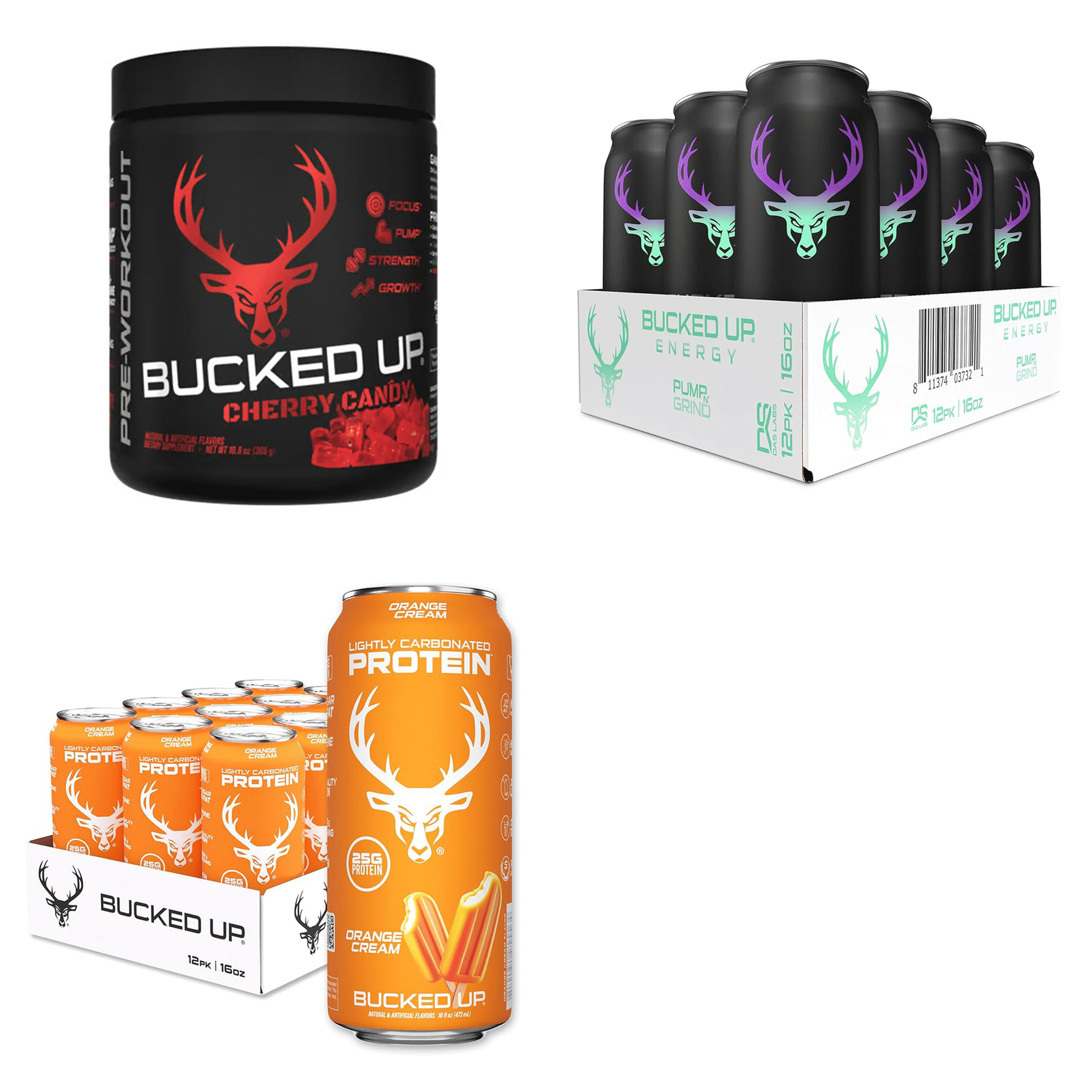
- Power through your workday with Bucked Up Energy Drinks that support all-day mental sharpness and steady productivity.1
7 Reasons Your Brain Taps Out Every Afternoon
1. Circadian Rhythm Dip
Your body’s internal 24-hour clock naturally creates an alertness valley between 1 and 3 p.m. Anthony Reffi, Ph.D., director of the Sleep and Traumatic Stress Institute at Henry Ford Health, explains that “our body’s natural circadian rhythm sends signals to the brain during the day to keep us alert, awake, and sharp. Around lunchtime, there’s a dip in these signals that can make us feel sleepy.” This secondary sleep drive is hardwired and shows up even when meal timing changes.
2. Blood Sugar Crash
High-carbohydrate lunches trigger rapid glucose spikes followed by sharp drops 1–2 hours later. When you eat refined flour, pasta, or sugary foods, your body rapidly absorbs those carbs, releases insulin, then often overcorrects and drives blood sugar below baseline. This rebound crash happens while blood flow shifts toward digestion, which creates the classic post-lunch fog and dulls focus for the next few hours.
3. Dehydration
Even mild fluid loss can noticeably impair brain function. Dehydration of just 1–2% by mid-afternoon, common with low water intake and several cups of coffee, can cause fatigue and headaches by limiting oxygen delivery to the brain and muscles. Many professionals underestimate how much water they need, especially when relying on caffeinated drinks that act as mild diuretics.
4. Nutrient Deficiencies
Shortfalls in B vitamins directly affect how efficiently your body turns food into usable energy. Iron, magnesium, and vitamin D gaps can further reduce oxygen transport and cellular energy production. Over time, these deficits make afternoon mental dips feel more intense and more frequent.
5. Cognitive Overload and Decision Fatigue
Mental resources drain throughout the day like a smartphone battery. Each decision and complex task uses glucose and neurotransmitters, which gradually reduces your cognitive capacity. Chronic stress then elevates cortisol and other stress hormones, keeping the body in fight-or-flight mode, disrupting sleep, and further draining mental energy. The combined effect accelerates afternoon exhaustion and makes it harder to concentrate.
6. Sleep Debt Accumulation
Sleep quality from the previous nights strongly shapes next-day alertness. Cumulative sleep debt from small nightly deficits, such as going to bed 30 minutes later each night for a week, can create several hours of lost sleep. This deficit lowers the threshold at which your sleep drive overpowers circadian alertness, so the afternoon slump hits harder. Rise Science reports that most people experience an afternoon slump.
7. Stress Hormone Dysregulation
Chronic workplace stress can disrupt normal cortisol patterns and set you up for energy crashes. Excessive stress elevates cortisol levels and increases exhaustion, especially when sleep is inadequate, which keeps the cycle going. This hormonal imbalance hits particularly hard in the afternoon, when cortisol should naturally taper off.
Now that you have a clear picture of the main biological and behavioral drivers behind your afternoon fatigue, you can match each cause with a targeted fix. The next strategies focus on simple changes that support your brain through that 3 p.m. window.
7 Simple Strategies to Beat the 3 p.m. Slump
1. Strategic Movement and Light Exposure
Short movement breaks help counter natural circadian dips. Take 5–10 minute walks or do light desk stretches near a window or bright light source. Even brief movement increases oxygen flow and activates your sympathetic nervous system, which helps shake off drowsiness.
2. Build a Steady-Energy Lunch
A protein-forward lunch supports stable energy instead of a sharp spike and crash. Choose lean protein, vegetables, and complex carbohydrates instead of large portions of refined carbs. This combination supports steadier blood sugar and reduces the heavy post-meal slump.
3. Maintain Consistent Hydration
Regular water intake keeps your brain functioning smoothly through the afternoon. Aim for 8–10 ounces of water every hour, especially if you drink multiple caffeinated beverages. Simple tools like hourly reminders or a marked water bottle can prevent the slow dehydration that contributes to brain fog.
4. Fill Common Nutritional Gaps
Supporting B-vitamin intake can help your body convert food into energy more efficiently. Consider B-complex supplements or energy drinks that include methylcobalamin (B12) and pyridoxine (B6). Bucked Up Energy Drinks include these nutrients along with performance-focused compounds that support sustained mental energy.1
5. Batch Tasks Around Your Energy Curve
Planning your day around natural energy patterns reduces strain on your brain. Schedule deep-focus work for the morning, when mental resources are highest. Reserve routine or administrative tasks for the afternoon window, when decision fatigue tends to show up.
6. Tighten Up Sleep Habits
Consistent, high-quality sleep makes afternoon slumps less intense. Create a regular bedtime, keep your sleep and wake times similar each day, and limit bright screens 1–2 hours before bed. These habits help prevent the sleep debt that magnifies mid-afternoon tiredness.
7. Use Quick Stress-Reset Tools
Brief stress management breaks can calm your nervous system and clear your head. Try 2–3 minutes of slow, deep breathing or a short guided meditation to help regulate cortisol. These micro-resets support mental clarity during the hours when stress and fatigue often peak.
These seven strategies address the main drivers of afternoon fatigue, but keeping every habit perfectly dialed in during a busy workday can be difficult. For professionals who want more reliable support during critical afternoon hours, performance energy drinks can complement these lifestyle foundations.
Explore Bucked Up Energy Drinks as a structured way to support focus and steady energy alongside your daily habits.1
How Bucked Up Energy Drinks Support Afternoon Focus
Bucked Up Energy Drinks are formulated to address several root causes of afternoon mental drain with targeted ingredients, not just caffeine.1 Conventional energy drinks often rely on sugar and stimulants for a quick spike, which can be followed by a noticeable crash. Bucked Up products focus on sustained cognitive support that fits long, demanding workdays.
The flagship Bucked Up Energy Drink contains 300 mg of caffeine per 16 fl oz can along with Alpha GPC, which supports acetylcholine production for focus and memory. Dynamine™ contributes smooth energy elevation and mood support without intense jitters, while TeaCrine® works with caffeine to extend the feeling of alertness and reduce the likelihood of a sharp afternoon crash. B vitamins including methylcobalamin (B12) and pyridoxine (B6) help address common nutrient gaps linked to fatigue.1
For those who prefer less stimulation, Babe Energy provides 150 mg of natural caffeine with the same core nootropic stack. LFG Energy offers 160 mg of caffeine plus added ingredients that support fat-burning goals for people pairing cognitive performance with training. All formulations are produced in GMP-certified USA facilities, which supports consistent quality and labeled potency.

Customer feedback often highlights steady, all-day support. One reviewer shares, “This energy drink keeps me going all day. I used to drink 2 of the other energy drink brands, one to get me through the morning and one to get me through the afternoon at work. I work in a fast paced outpatient facility.” Another notes, “Very solid energy drink, it gets me through the day very well, I dont crash at all during the day and stay awake.”
Many mainstream energy drinks rely primarily on caffeine and sugar, while Bucked Up products use transparent labels that show exact amounts of each active ingredient. This clarity helps you choose a formula that fits your focus needs and caffeine comfort level.
Experience Bucked Up’s nootropic-focused energy drinks and see how they fit into your afternoon productivity routine.
Smart Ways to Choose and Use Energy Drinks
Thoughtful selection and timing help you get the most from any energy drink. Look at caffeine content, which often ranges from 150–300 mg per can for many adults, and check for nootropic ingredients such as AlphaSize® and TeaCrine®. Ingredient transparency also matters, so you can see exactly what you are taking.
Timing affects both performance and sleep. Many people find that drinking an energy beverage in the late morning or early afternoon supports focus later in the day without disrupting nighttime rest. Start with a single serving and adjust based on how your body responds.
Energy drinks work best as one piece of a broader routine that includes hydration, balanced meals, and consistent sleep. Limiting intake to one serving per day and tracking your own reaction to different caffeine levels and ingredient combinations can help you dial in a sustainable pattern.
Bucked Up Energy Drinks are available at major retailers such as Walmart, GNC, and Vitamin Shoppe, and you can also order directly for steady access to your preferred flavor and formula. Use our store finder to locate nearby options.
Frequently Asked Questions About Afternoon Slumps and Bucked Up
What deficiency most often contributes to afternoon fatigue?
B-vitamin gaps, especially in B12 and B6, commonly contribute to afternoon fatigue by limiting how efficiently your body converts food into cellular energy. Iron deficiency can reduce oxygen delivery to tissues, while magnesium shortfalls affect energy production inside cells. Low vitamin D levels also correlate with ongoing tiredness and mood changes. Bucked Up Energy Drinks include methylcobalamin (active B12) and pyridoxine (B6), which can help support these common nutritional needs.1
Can energy drinks cause jitters or crashes?
Traditional energy drinks that combine high caffeine with sugar can cause a fast energy spike followed by jitters and a noticeable crash. Bucked Up Energy Drinks are formulated with TeaCrine®, which supports more sustained energy without rapid tolerance buildup, and caffeine levels that vary by product line.1 Several formulas also include L-theanine, which can help smooth the stimulating effects of caffeine for a calmer, more focused feel.
What sets Bucked Up Energy Drinks apart from many other brands?
Bucked Up products emphasize performance support through specific nootropic ingredients rather than relying only on caffeine and sugar.1 Transparent labels show exact amounts of compounds like AlphaSize®, Dynamine™, and TeaCrine®, and GMP-certified USA manufacturing supports consistent quality. Different caffeine levels across the line make it easier to match a drink to your tolerance and daily schedule.
How often should I drink energy drinks?
Many adults choose to limit intake to one energy drink per day, taken in the morning or early afternoon to reduce the risk of sleep disruption. Caffeine sensitivity varies widely, so starting with lower-caffeine options such as Babe Energy at 150 mg can be a practical approach if you are more sensitive. Pay attention to your sleep, heart rate, and overall well-being, then adjust timing and frequency as needed.
Are Bucked Up Energy Drinks suitable for daily use?
Bucked Up Energy Drinks are produced in GMP-certified facilities that follow strict quality standards, but individual tolerance and health status still matter. Talk with a healthcare professional if you have cardiovascular conditions, known caffeine sensitivity, or take medications that may interact with stimulants. Pregnant and nursing women should avoid energy drinks, and people under 18 should be cautious with high-caffeine products.
Conclusion: Build Better Afternoons With Habits and Targeted Support
Knowing why your energy crashes every afternoon makes it easier to choose specific fixes that restore focus. Simple changes in movement, meals, hydration, sleep, and stress management can create a stronger foundation for steady performance.
Bucked Up Energy Drinks add a structured nutritional tool on top of those habits, combining caffeine with nootropic ingredients that support focus, mood, and cognitive endurance.1 This combination can help you stay sharp through long workdays instead of losing momentum after lunch.
Get Bucked Up Energy Drinks to support clearer afternoons and more consistent mental performance across your entire workday.1
1 The content provided in this article is for informational purposes only and is not medical advice. Consult with a medical professional before implementing any changes to your diet, health, or exercise routines.
Individual results will vary and are based on a combination of each individual’s diet, exercise, age, and health circumstances.
These statements have not been evaluated by the Food and Drug Administration. This product is not intended to diagnose, treat, cure or prevent any disease.
This article was written by Ryan Gardner, CEO of Bucked Up. As the maker of Bucked Up Energy Drinks, we have a financial interest in this information. The views expressed are our own and should be read with that context in mind.