Last updated: April 16, 2026
Key Takeaways for Nootropic Focus Drinks
- Nootropic focus drinks combine caffeine with enhancers like Alpha-GPC and L-theanine to support steady mental clarity with fewer jitters or crashes.1
- Bucked Up Energy can stand out with 300mg caffeine, clear labeling, and user-reported all-day focus.1
- Proprietary blends in competitors like Magic Mind can limit transparency and contribute to inconsistent results.
- Disclosed dosages, smart ingredient combinations, and low crash frequency are key factors for real-world effectiveness.1
- For demanding days, you can experience structured, high-stimulant support with Bucked Up Energy.1
Why Nootropic Focus Drinks Matter for Everyday Performance
Many people struggle with afternoon energy slumps, jitters from traditional energy drinks, and inconsistent effects from premium nootropic shots. These issues often come from tradeoffs between cost, ingredient transparency, and caffeine content, which typically ranges from 100mg to 300mg. Some products also use proprietary blends that hide exact dosages, so users cannot easily predict how a drink will feel.
These challenges explain why ingredient combinations and clear labels matter. Caffeine combined with L-theanine improves both speed and accuracy of performance on the attention-switching task more effectively than caffeine alone.1 This pairing can support sustained focus and smoother energy, which helps address both the energy slump and jitter problems associated with high-caffeine beverages.1
Featured Nootropic Focus Drinks: User Experiences Evaluated
With these factors in mind, the products below show different approaches to combining caffeine and nootropics. Each drink is considered based on user experiences, label clarity, and reported support for sustained cognitive performance.
#1 Bucked Up Energy Drink Review: User Experiences & Effectiveness
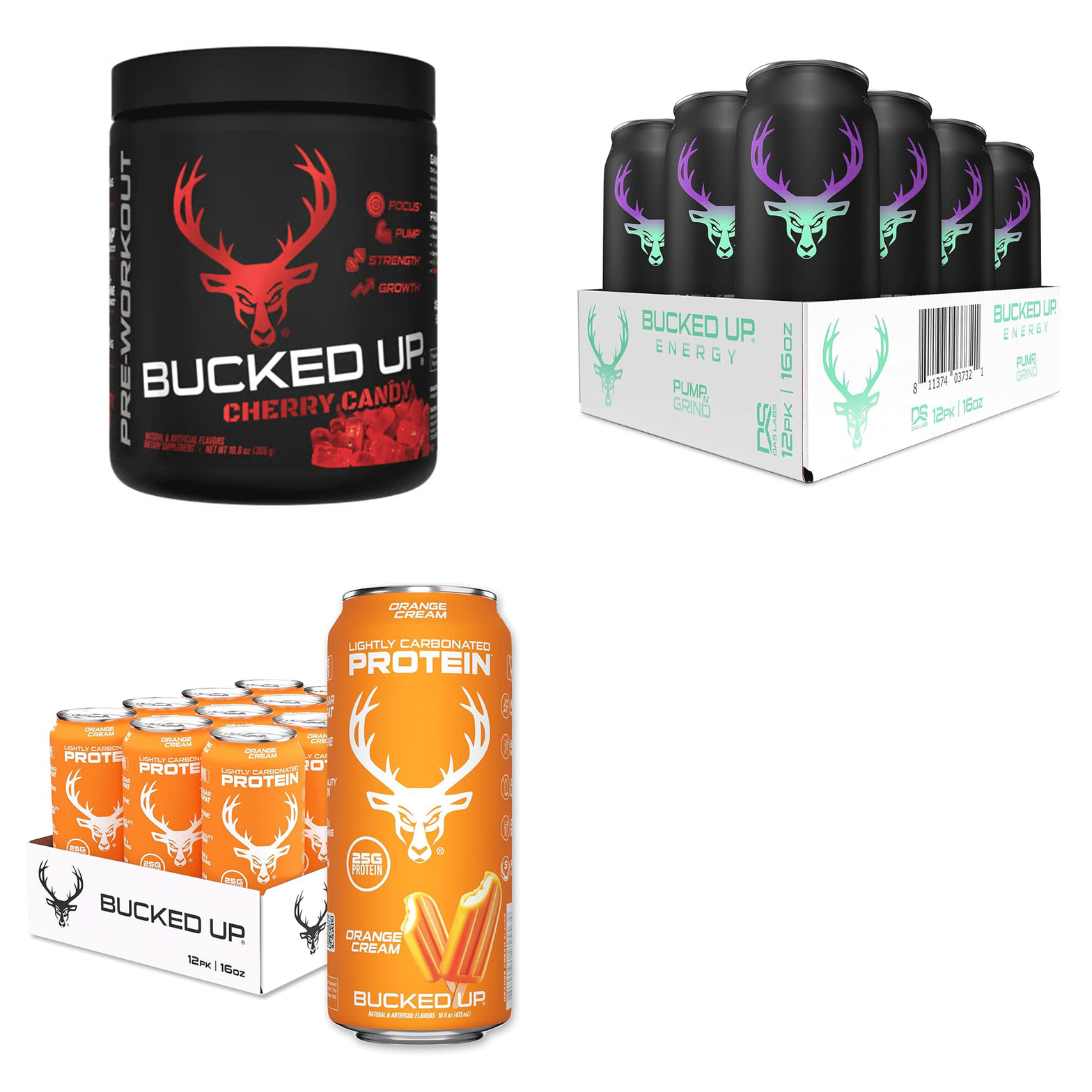
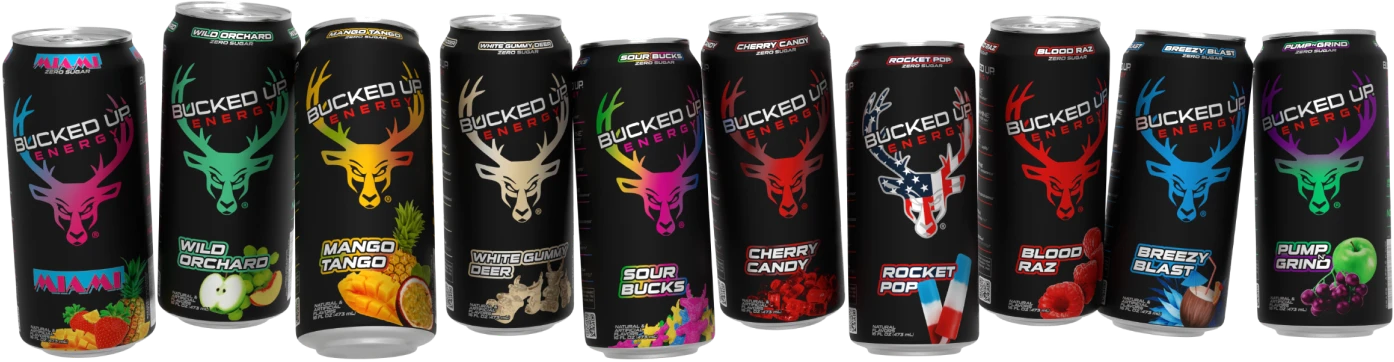
Bucked Up Energy Drink features 300mg caffeine combined with AlphaSize®, Dynamine™, TeaCrine®, L-Theanine, Huperzine-A, Acetyl L-Tyrosine, Beta-alanine, Taurine, Korean Red Ginseng, Pyridoxine HCL, and Methylcobalamin. The drink is manufactured in USA GMP-certified facilities, and the label lists specific dosages for each ingredient.
User testimonials highlight consistent performance in busy environments. One reviewer notes, “This energy drink keeps me going all day. I used to drink 2 of the other energy drink brands, one to get me through the morning and one to get me through the afternoon at work. I work in a fast paced outpatient facility.”1 Another user shares, “Very solid energy drink, it gets me through the day very well, I dont crash at all during the day and stay awake.”1
Pros: Sharp mental focus, mood support, sustained energy, clear labeling, and user reports of minimal crash1
Cons: High caffeine content may feel intense for people with lower stimulant tolerance1
#2 Magic Mind
Magic Mind uses a proprietary blend that includes matcha, lion’s mane, and adaptogens. The label shows a proprietary formulation, so users cannot see exact dosages for each ingredient. This limited visibility can help explain why some people report strong focus while others describe shorter effects or mixed reactions to the taste.1
#3 More Labs Liquid Focus
More Labs Liquid Focus combines nootropics with antioxidants to support both cognition and cellular health. Some users describe steady midday focus and smoother energy compared to standard energy drinks.1 Crash reports vary, which may reflect individual caffeine sensitivity and differences in daily intake from other sources.
#4 Thesis Clarity
Thesis Clarity is part of a personalized nootropic system built from an initial assessment. Users often report strong productivity and task engagement when they find a suitable blend.1 The subscription model and higher price point can limit accessibility for people who want a simple, grab-and-go focus drink.
#5 Arepa
Arepa features blackcurrant extract as a core ingredient for cognitive support and antioxidant activity. Many users describe calm, centered focus rather than a strong stimulant rush.1 The flavor profile is distinctive and intense, so taste preferences differ widely across reviewers.
#6 Celsius Nootropic Line
The Celsius nootropic line targets fitness-focused users who want clean energy with some cognitive support. These drinks often work well before workouts or active days. Compared with dedicated focus formulations, the nootropic depth is more moderate and may feel lighter for people seeking strong mental performance support.
#7 Ghost Energy
Ghost Energy focuses heavily on flavor variety and brand experience while including moderate nootropic content. Many users choose it for taste and lifestyle fit. Reported cognitive effects are present but usually described as milder than higher-dose, nootropic-forward alternatives.1
Comparison Table & Decision-Making for Focus Drinks
When you compare nootropic focus drinks, three factors shape everyday results: caffeine content, key nootropic compounds, and label clarity. Caffeine level influences intensity and potential for jitters. Nootropic ingredients influence the quality of focus and mood. Transparency shows whether you can match a product’s profile to your own tolerance and goals. The table below highlights how several leading options differ on these points.
| Product | Caffeine (mg) | Key Nootropics | Transparency |
|---|---|---|---|
| Bucked Up Energy | 300 | AlphaSize®, Dynamine™, TeaCrine® | Full Disclosure |
| Magic Mind | ~55 | Lion’s Mane, Matcha | Proprietary |
| Liquid Focus | 150 | Various Antioxidants | Partial |
| Thesis Clarity | Variable | Personalized Blend | Custom |
Bucked Up can stand out for users who want a high-stimulant drink with clearly listed nootropic dosages.1 People who need intense focus or who already tolerate higher caffeine intake may gravitate toward this profile. Those who prefer gentler stimulation or who are more sensitive to caffeine may lean toward lower-caffeine alternatives, though their experience can vary more when dosages are not fully disclosed. For shoppers who want to compare flavors and formulas in person, you can locate a nearby retailer and review options on the shelf.
How to Use Nootropic Drinks and Manage Downsides
Most people get the best results from high-caffeine nootropic drinks when they use them earlier in the day. Morning or late-morning consumption reduces the risk of sleep disruption, especially with 300mg caffeine products. Because caffeine sensitivity varies widely, starting with smaller amounts or half cans can help you gauge your response before making a drink part of your daily routine.
Some formulations include TeaCrine, which can help smooth out stimulant effects and may reduce feelings of jitters for certain users.1 Long-term users often track how they feel over several weeks and take short breaks if they notice reduced impact. For people who want a structured, high-dose nootropic option with clear labeling, exploring Bucked Up Energy flavors and formats can help match a drink to specific work or training demands. If you prefer to see products in person or compare multiple brands at once, you can also find a local store that carries Bucked Up.
Frequently Asked Questions
Do nootropic drinks actually work for focus and cognitive performance?
Nootropic drinks can support measurable cognitive benefits when they use evidence-based ingredients at effective dosages.1 Combinations of caffeine with compounds such as L-theanine, Alpha-GPC, and theacrine have shown enhanced focus, attention, and mental clarity in multiple studies.1 Individual results still depend on personal tolerance, ingredient quality, and how clearly dosages are disclosed. Products that rely on proprietary blends can feel less predictable because users cannot see exact ingredient amounts.
How does Bucked Up Energy compare to other nootropic focus drinks?
Bucked Up Energy lists all ingredient amounts on its label and uses a higher caffeine dose than many everyday focus drinks. The label discloses its ingredients, including the nootropic compounds detailed in the review section above. This profile can provide robust cognitive support for users who already tolerate higher caffeine intake1, while some lower-dose or proprietary-blend alternatives may feel milder or more variable.
What are the potential side effects of nootropic energy drinks?
Most nootropic energy drinks are well-tolerated when people stay within reasonable daily caffeine limits. Possible side effects include jitters, anxiety, elevated heart rate, or sleep disturbances, especially with higher caffeine levels or late-day use.1 Alpha-GPC may rarely cause headaches, nausea, or digestive discomfort.1 TeaCrine and L-theanine are generally well-tolerated and may help ease some caffeine-related side effects.1 Because sensitivity differs from person to person, starting with smaller servings and monitoring your response is a practical approach.
How often should I consume nootropic focus drinks?
Moderation supports safer long-term use of nootropic drinks. Many healthy adults can use them daily, as long as total caffeine from all sources stays within recommended limits and intake does not interfere with sleep. Cycling off periodically can help reduce tolerance buildup and keep effects more noticeable. People who are sensitive to stimulants often start with lower-caffeine options and adjust slowly based on how they feel.
Are there any long-term concerns with regular nootropic drink consumption?
Regular nootropic drink consumption appears generally safe for healthy adults who use these products responsibly and stay within daily caffeine guidelines. Long-term users often rotate products, take periodic breaks, and pay attention to sleep quality, mood, and recovery. Consulting a healthcare provider is a sensible step for anyone with underlying health conditions or questions about interactions with medications.
Conclusion: Choosing a Nootropic Drink That Fits Your Day
Clear labeling and evidence-based ingredients form the foundation of reliable nootropic energy support. Transparent, higher-dose formulations such as Bucked Up Energy align with users who want to know exactly what they are drinking and how much caffeine they are consuming. Consumer demand for ingredient transparency and measurable benefits continues to shape the functional beverage market in 2026.
When you choose a focus drink, prioritize disclosed dosages, research-backed compounds, and a caffeine level that matches your own tolerance. Starting with a formulation that clearly lists every ingredient and dosage can make it easier to fine-tune your routine for steady focus and sustained energy.
1 The content provided in this article is for informational purposes only and is not medical advice. Consult with a medical professional before implementing any changes to your diet, health, or exercise routines.
Individual results will vary and are based on a combination of each individual’s diet, exercise, age, and health circumstances.
These statements have not been evaluated by the Food and Drug Administration. This product is not intended to diagnose, treat, cure or prevent any disease.
This article was written by Ryan Gardner, CEO of Bucked Up. As the maker of Bucked Up Energy Drinks, we have a financial interest in this information. The views expressed are our own and should be read with that context in mind.