Written by: Ryan Gardner, Owner, Managing Partner, CEO, Bucked Up | Last updated: April 22, 2026
Key Takeaways
- Build solid form on squats, deadlifts, and bench press before chasing bigger pumps, and support training with hydration and dynamic warm-ups.
- Use heavy pyramid warm-ups, then 12-20 rep pump sets at 60-70% 1RM with 30-60 second rests to drive metabolic stress.
- Apply a 4-0-2-0 tempo and post-strength blood flow restriction at 20-40% occlusion to increase time under tension and vascularity.
- Time nitric oxide-supporting pre-workouts 20-30 minutes before training and finish with active recovery to keep circulation elevated.1
- Stack Mother Bucker’s nitric oxide precursors with these strategies to intensify pumps and visible vascularity during heavy sessions.1
Prerequisites Before You Train for Maximum Blood Flow
Before starting pump-focused work with squats, deadlifts, and bench press, build intermediate-level form on each lift. Beyond technical proficiency, physiological preparation also matters. Check your caffeine tolerance if you use stimulant pre-workouts, drink at least one gallon of water daily, and follow a structured split such as full-body three times per week or a push-pull-legs rotation. Complete a 5-10 minute dynamic warm-up for the movement patterns you plan to train, then use 4-7-8 breathing to increase blood flow before your first working set. Time your pre-workout 20-30 minutes before this warm-up begins so key ingredients peak during your main lifts.
Seven Strategies to Boost Blood Flow With Heavy Lifts
Follow these seven evidence-based steps to turn your big lifts into sessions that build strength and noticeable pumps. The foundation starts with smart exercise selection and loading.
1. Start with Core Compounds: Prioritize squats, deadlifts, and bench press as your primary movements. These multi-joint exercises recruit large amounts of muscle and create strong systemic blood flow responses.
2. Heavy Pyramid Warm-up: Use a structured warm-up pyramid before your working sets. For squats, you might progress through 135 lbs x 8 reps, 225 lbs x 5 reps, then 315 lbs x 3 reps. This sequence primes your nervous system and gradually increases blood flow to the muscles you will load heavily.
3. High-Rep Pump Phase: After your heavy sets, perform 3-4 sets of 12-20 repetitions at 60-70% of your one-rep max with 30-60 second rest periods. Spanish researchers documented a 52% increase in bench press repetitions to failure at 80% 1RM after L-citrulline malate supplementation. Their findings show how nitric oxide support can enhance performance during these higher-rep phases.1
4. Eccentric Tempo Control: Use a 4-0-2-0 tempo during pump sets, with a 4-second eccentric, no pause, a 2-second concentric, and no pause at the top. The longer lowering phase increases time under tension and keeps muscles working harder for each rep. This sustained contraction can support nitric oxide production and a stronger pump response.1
5. Blood Flow Restriction and Supersets: After your main strength work, add blood flow restriction at 20-40% occlusion pressure or superset your primary lift with an isolation exercise for the same muscle group. Apply BFR or supersets only after heavy sets are complete. This timing maintains pump-inducing metabolic stress while preserving the form and neural drive needed for maximal loading earlier in the session.
6. Active Recovery to Extend the Pump: End each workout with 5-10 minutes of light stretching and walking. This low-intensity work keeps circulation elevated and supports nutrient delivery to the muscles you just trained.
7. Advanced Pump Variables: As you gain experience, adjust variables such as rest periods, rep ranges, and exercise order to fine-tune your pump. Shorter rests, higher reps, and finishing with isolation work can all increase local blood flow without sacrificing your main strength sets.
Stack Bucked Up Pre-Workouts for Stronger Pump Support
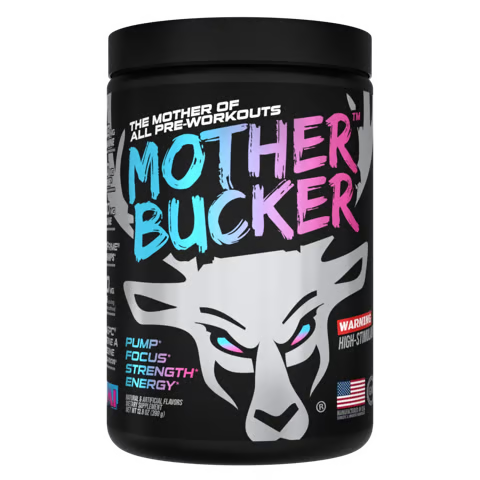
Bucked Up’s transparently dosed pre-workouts supply nitric oxide precursors and performance ingredients that support pumps during squats, deadlifts, and bench press.1 Mother Bucker features 4 grams of L-citrulline, along with Nitrosigine and Hydroprime glycerol, for lifters who want pronounced vascularity.1 Garage Gym Reviews’ performance editor described the effects: “The pumps are average… When it comes to energy and focus, man, I feel like Bradley Cooper in Limitless”.1
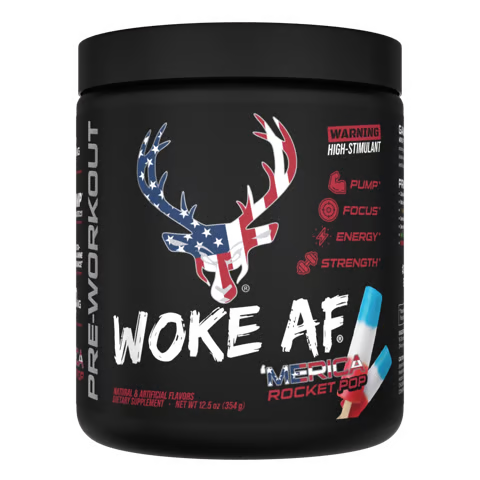
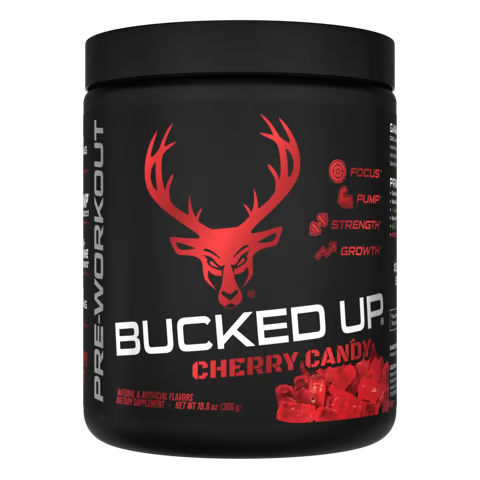
Woke AF delivers 333 mg caffeine with L-citrulline malate for intermediate users who have developed stimulant tolerance. The standard Bucked Up formula provides 200 mg caffeine and 6 grams L-citrulline malate for newer users. Non-Stim supports pump and endurance for caffeine-sensitive lifters or evening training sessions.1
These formulations provide sustained energy, focused training, noticeable muscle pumps, and improved endurance through research-backed ingredients at effective doses.1 Find your formula based on your stimulant tolerance and specific training goals.
Best Big Lifts for Driving Blood Flow
Squats can stand out as a primary movement for systemic blood flow because they recruit the quadriceps, glutes, hamstrings, and core together. Deadlifts also create a strong response by involving the posterior chain and upper back. Bench press contributes significant upper-body blood flow, especially when paired with pump-focused accessory work.
Sample Pump-Focused Programming Templates
| Level | Exercise | Sets x Reps | Rest | Notes |
|---|---|---|---|---|
| Beginner | Squat Heavy | 3 x 5 | 3 min | Standard Bucked Up pre-workout |
| Beginner | Squat Pump | 3 x 15 | 60 sec | 60% 1RM, focus on form |
| Intermediate | Bench Heavy | 4 x 6 | 3 min | Woke AF for enhanced focus1 |
| Intermediate | Bench Pump | 4 x 12 | 45 sec | 4-0-2-0 tempo |
| Advanced | Deadlift Heavy | 5 x 5 | 3 min | Mother Bucker for maximum intensity1 |
| Advanced | Deadlift Pump | 4 x 15 | 30 sec | BFR at 20-40% occlusion |
Evogen Nutrition highlights starting sessions with one primary heavy lift such as squats, bench presses, or deadlifts before transitioning into pump-focused work.

Troubleshooting Common Pump Problems
Common issues include energy crashes mid-session, weak pumps despite solid programming, and excessive tingling from beta-alanine. Each problem has a specific cause and solution. Energy crashes often come from poor pre-workout timing, so follow the 20-30 minute window before your warm-up instead of drinking it right before your first set. Weak pumps frequently result from low hydration, so aim for one gallon of water per day and add sodium to support blood volume. Excessive tingling usually signals beta-alanine sensitivity, so cycle off for 2-3 weeks or reduce your serving size to find a comfortable level.
Track simple metrics to gauge progress, such as visible veins during training, muscle fullness for at least 30 minutes after your workout, and extra repetitions in pump sets compared to your baseline. Glenn et al. (2017) found that 8 g L-citrulline malate supplementation acutely improved upper- and lower-body submaximal weightlifting performance in resistance-trained females, which supports the role of this ingredient in performance-focused pump training.1
Advanced lifters can also combine blood flow restriction at 20-40% occlusion pressure with ingredients such as Hydroprime glycerol to support cell volumization and fuller muscle appearance during training.1
Frequently Asked Questions
Which compound exercise increases blood flow most effectively?
Squats can generate strong systemic blood flow because they recruit the quadriceps, glutes, hamstrings, and core at the same time. The large muscle mass activation creates high metabolic demand and a robust vascular response. Deadlifts also contribute significantly, followed by bench press for upper-body focused sessions.
Is blood flow restriction safe with heavy compound lifts?
Blood flow restriction is considered safe when used at 20-40% occlusion pressure during lighter pump sets, not during heavy strength work. Apply BFR only after you finish your primary strength sets to avoid compromising form or increasing injury risk during maximal loading.
How should I stack Bucked Up products for stronger pumps on big lifts?
Mother Bucker provides the most comprehensive pump support in the lineup due to the synergy between its nitric oxide precursors and cell volumizers, as detailed earlier.1 Beginners can start with standard Bucked Up and then adjust products based on stimulant tolerance and training intensity.
What’s the optimal timing for high-rep pump sets?
Perform pump sets immediately after your heavy work while muscle activation and blood flow are already elevated. This sequence preserves the strength-building benefits of heavy loading and then layers on metabolic stress and vascularity with higher repetitions.
How long should rest periods be for maximum blood flow?
Heavy sets generally require 2-3 minutes of rest to maintain strength. Pump sets respond better to 30-60 second rest periods, which maintain metabolic stress and keep blood pooled in the target muscles instead of allowing full recovery.
Heavy lifts alone rarely create the skin-tight pumps many lifters want. Strategic programming changes, combined with Bucked Up’s nitric oxide-supporting formulas, can turn your squats, deadlifts, and bench press into sessions that build strength and visible vascularity.1 Implement these evidence-based strategies to increase blood flow while you continue progressing your main lifts. Amplify your results with Mother Bucker’s transparently dosed nitric oxide support.1
1 The content provided in this article is for informational purposes only and is not medical advice. Consult with a medical professional before implementing any changes to your diet, health, or exercise routines.
Individual results will vary and are based on a combination of each individual’s diet, exercise, age, and health circumstances.
These statements have not been evaluated by the Food and Drug Administration. This product is not intended to diagnose, treat, cure or prevent any disease.
This article was written by Ryan Gardner, CEO of Bucked Up. As the maker of Bucked Up pre-workout, we have a financial interest in this information. The views expressed are our own and should be read with that context in mind.