Written by: Ryan Gardner, Owner, Managing Partner, CEO, Bucked Up | Last updated: April 17, 2026
Key Takeaways for Creatine Gummies vs Capsules
- Creatine gummies deliver sweet flavor and chew-and-go convenience, which can help athletes stay consistent with daily dosing.
- Capsules provide precise dosing and zero-sugar options, and HCl forms can reduce bloating and visible water retention.1
- Both formats can deliver the proven 3-5g daily dose that supports meaningful muscle gains over several weeks with high absorption.1
- Gummies often fit travel and endurance schedules, while capsules tend to suit strength training blocks and carb-conscious cutting phases.
- Choose Bucked Up’s NSF-certified creatine gummies or HCl capsules for verified potency and athlete-focused quality standards.
How Creatine Form and Taste Affect Real-World Results
Creatine increases phosphocreatine stores in muscle, which supports rapid ATP regeneration during high-intensity exercise. This process can improve power output, shorten recovery between sets, and support muscle growth over time.1 Creatine monohydrate remains a leading ergogenic aid, with data supporting long-term use up to 10 years even at higher daily doses of 20-30 grams.1
For athletes, consistent use matters as much as the ingredient itself. Key decision points include taste, accurate 5-gram dosing, travel convenience, digestive comfort, and how efficiently the body absorbs the creatine. Creatine gummies use a sweet, chewable format that can improve adherence, especially for athletes who dislike chalky powders.
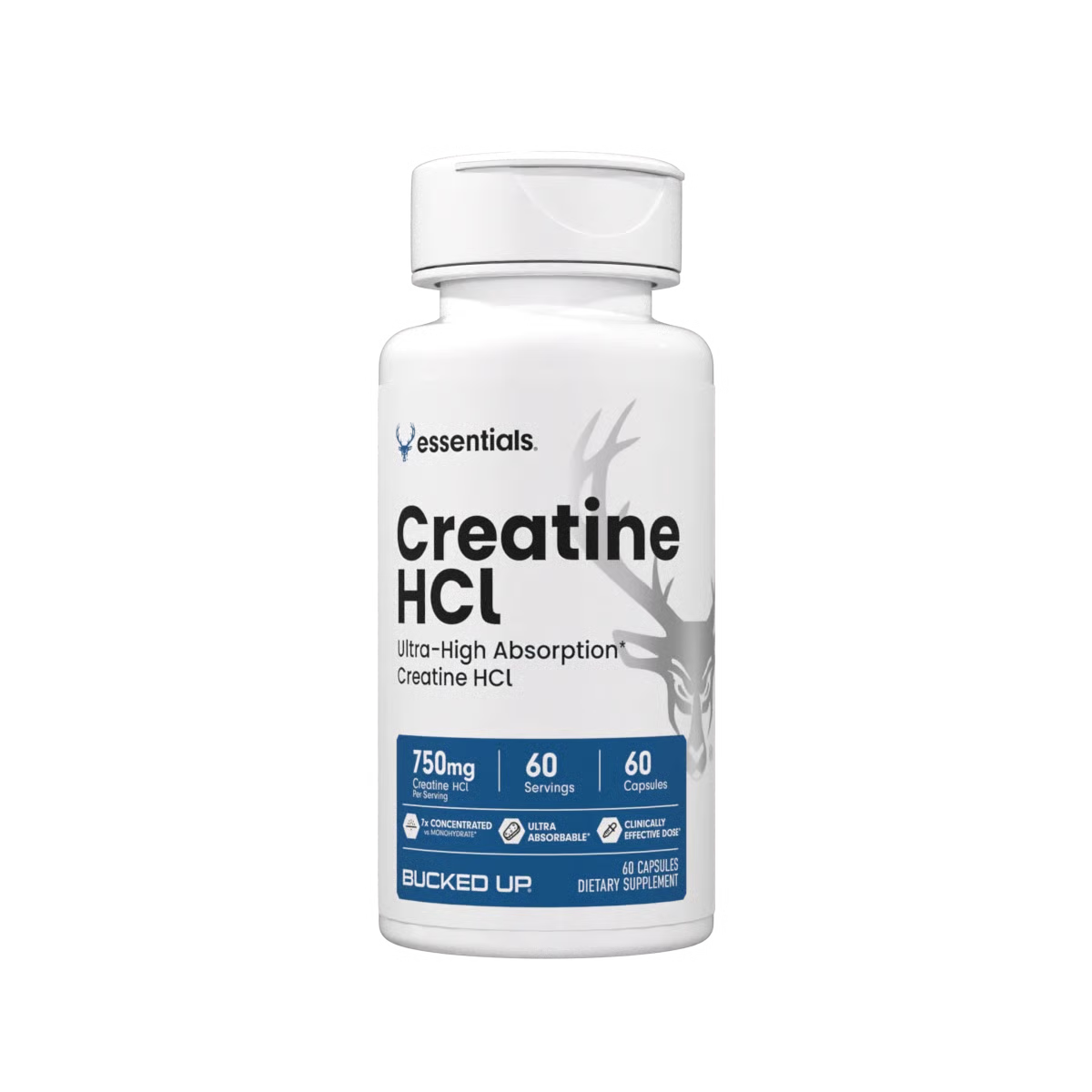
Bucked Up builds around these adherence factors with specific formulations designed for daily use. Their creatine gummies deliver exactly 5 grams of creatine monohydrate per 5-gummy serving in flavors like Tropic Thunder and Blue Blast, which helps solve the palatability challenge. For athletes who care more about zero bloating than flavor, their HCl capsules provide 750mg of CON-CRĒT per capsule for bloat-conscious supplementation.1 Both formats work best when athletes maintain roughly 80-100 ounces of water per day to support creatine’s cellular functions.1
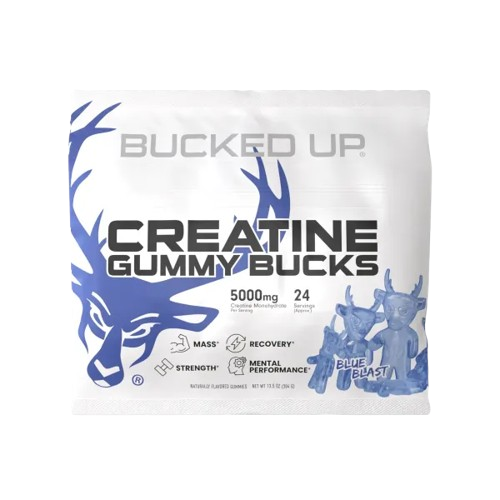
These differences in taste, dosing style, and digestion set up a clear comparison between gummies and capsules for real training schedules.
Head-to-Head: Creatine Gummies vs Capsules for Athletes
The table below breaks down key performance and convenience factors that separate gummies from capsules. Use it to match each format with your priorities around taste, dosing control, digestion, and travel.
| Criteria | Gummies | Capsules | Considerations |
|---|---|---|---|
| Taste Experience | Sweet, candy-like flavors | Neutral, no taste | Gummies may appeal more to those prioritizing taste. Consider user reviews like 5/5 taste ratings in Blue Raspberry, Orange, Watermelon |
| Serving Convenience | Chew and go, no water needed | Swallow with water | Gummies offer zero prep time and pack easily for travel |
| Dosing Precision | 5g per 5 gummies | 750mg per capsule | Capsules allow precise micro-dosing flexibility across the day |
| Digestive Impact | Minimal bloating | No bloating with HCl | Evaluate HCl forms for enhanced solubility that may reduce gastric distress1 |
| Absorption Rate | Nearly 100% when molecule remains stable | Rapid with HCl form | NSF-certified purity can help support consistent uptake1 |
This comparison highlights complementary strengths rather than a single winner. Kate Meier, NASM-CPT, notes, “The positive effect is that I’m 5 million times more likely to take a gummy than I am to take a powder”, which underscores the adherence advantage of a candy-like format. Capsules, by contrast, support precise dosing without the 1-3 grams of sugar often present in gummy formulas.
The question of whether creatine capsules outperform gummies comes down to priorities. Gummies excel in taste and convenience for athletes who struggle with routine supplement use. Capsules support precision dosing and zero-sugar intake for athletes who track carbohydrates closely. The absorption rates reported for both formats remain high when the creatine molecule stays intact and stable, so most athletes can focus on convenience and adherence rather than absorption differences.
Bucked Up’s gummies can stand out through verified potency and flavor variety. Their HCl capsules feature CON-CRĒT, which does not require a loading phase and produces minimal water retention, a useful trait for athletes who monitor scale weight and appearance closely.1
Athlete Use Cases for Gummies, Capsules, and Bucked Up Creatine
Different training styles and schedules make each format more practical for specific athletes. Endurance athletes and team sport players often favor gummies because they travel easily during tournaments and training camps where mixing powders becomes inconvenient. The candy-like format can also replace less nutritious snacks while still delivering a performance-focused ingredient.
Strength athletes and bodybuilders often lean toward capsules for tight dosing control, especially when cycling creatine or stacking it with other supplements. Destini Moody, RD, CSSD, LD, head of performance nutrition for NBA G League Ignite, notes that gummies let athletes “snack on them all day as long as you get the proper serving size”, which can help those who prefer smaller servings spread across the day.
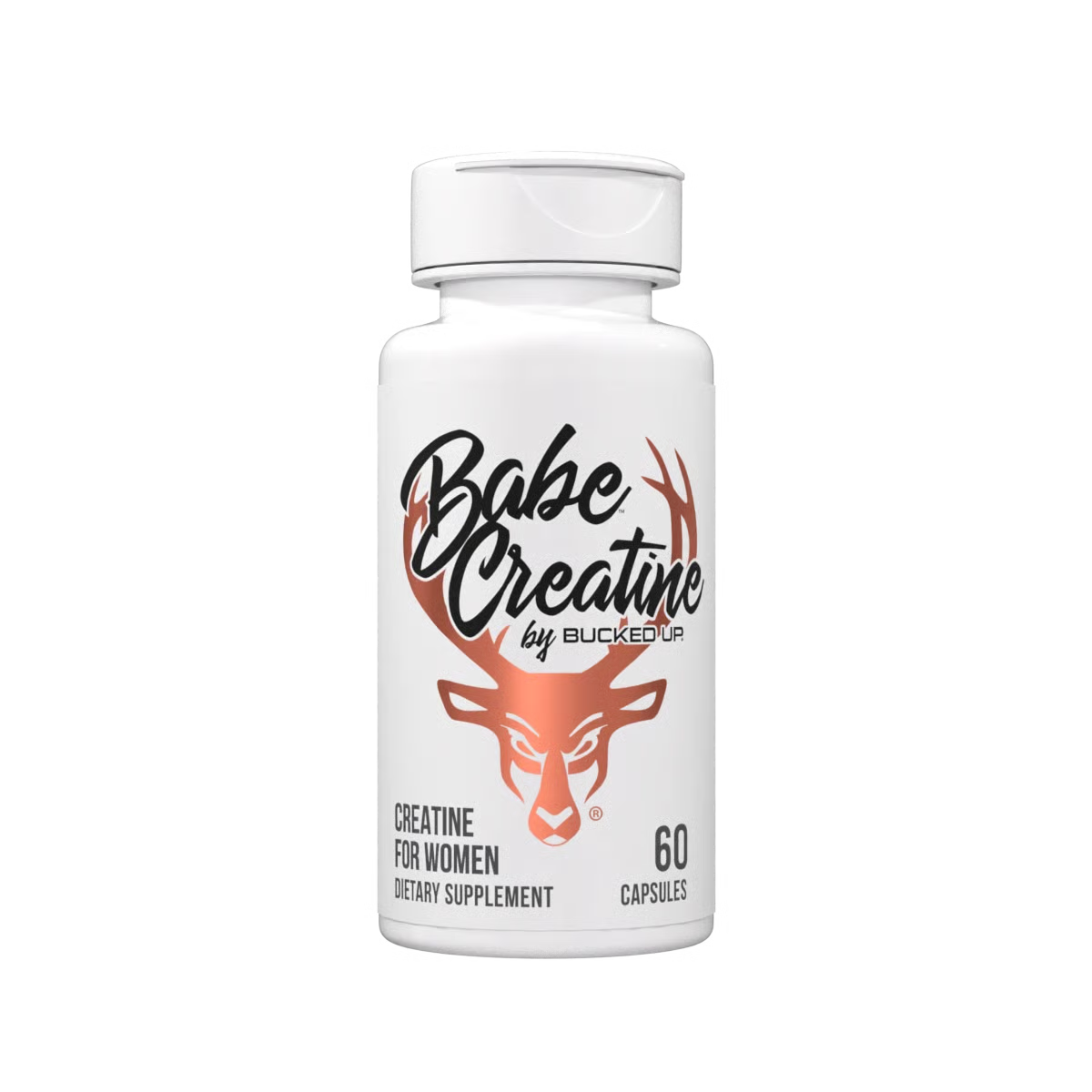
Bucked Up’s product line covers both scenarios. Their creatine gummies provide 99.8% purity creatine monohydrate with NSF Sport certification mentioned earlier, which matters for competitive athletes subject to banned-substance testing. The HCl capsules and Babe Creatine focus on athletes who want creatine’s benefits while keeping bloating and water retention as low as possible.
Both formats can also support cognitive benefits that many athletes now value, such as focus and mental clarity during training and competition.1 Whether you need travel-ready gummies for a packed season or precision-dosed capsules for a cutting phase, explore Bucked Up’s NSF-certified creatine options to find a format that fits your training style.
Daily Creatine Habits for Busy Athletes
Consistent daily intake matters more than exact timing around workouts. Post-workout dosing with carbohydrates can support uptake1, yet taking creatine at the same time every day, including rest days, keeps muscle stores saturated for performance. Yoshinori Abe, MD, notes that creatine gummies “can be effective if you reach the same daily dose as powder; bioavailability appears similar”.
Hydration remains critical because creatine draws water into muscle cells to support ATP regeneration.1 The hydration guideline of roughly 80-100 ounces per day becomes especially important during loading phases or intense training blocks when creatine turnover increases. This requirement applies across formats, including HCl capsules, even though HCl’s solubility removes the need for a traditional loading phase, which helps athletes who start supplementation mid-season and cannot spend a week ramping up.1
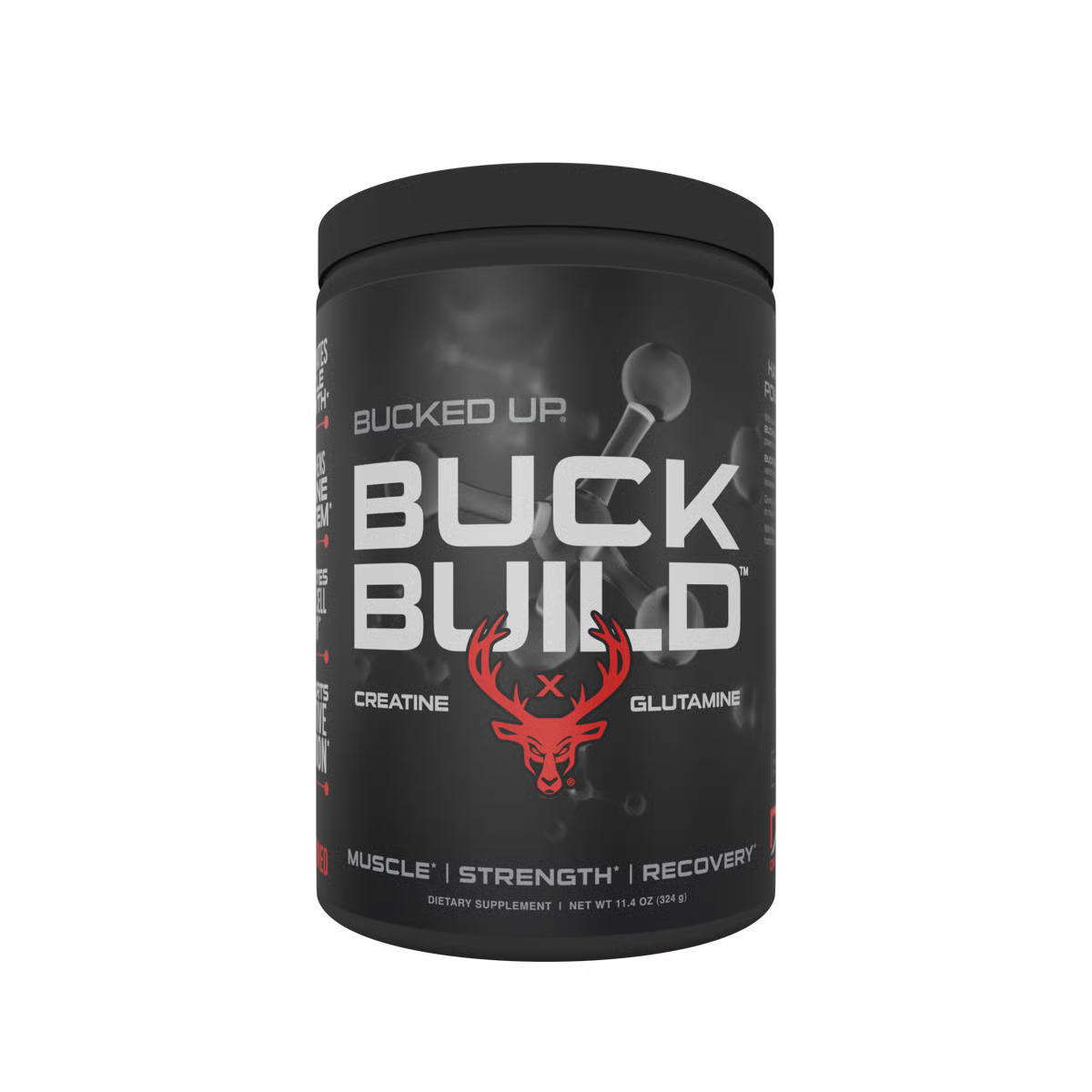
Stacking strategies often include pairing creatine with Bucked Up’s Buck Build formula, which adds L-glutamine for recovery support. Athletes can take this stack before bed because it contains no stimulants. Flexible timing makes it easier to fit creatine into any training schedule without disrupting sleep or performance.
Bucked Up Creatine Lineup for Taste, Dosing, and Stacking
Bucked Up’s creatine lineup covers flavored, capsule, and multi-form options for different training goals. Their gummies focus on flavor and convenience, while their HCl capsules address bloating concerns that some athletes experience with traditional monohydrate powders.
The table below maps each product to specific needs, from travel convenience to advanced stacking strategies.
| Product | Form/Dose | Key Benefit | Best For |
|---|---|---|---|
| Creatine Gummies | 5g per 5 gummies | Taste, convenience | Travel, adherence challenges |
| Creatine HCl | 750mg per capsule | Zero bloating, precise dosing | Sensitive digestion, cutting phases |
| Six Point Creatine | 5.75g blend per serving (Creatine Monohydrate 2.5g, Creatine Gluconate 1.25g, Creatine Anhydrous 0.75g, Tri-Creatine Malate 0.5g, Creatine Ethyl Ester HCI 0.5g, Di-Creatine Malate 0.25g) | Multiple creatine forms | Advanced supplementation |
| Pure Creatine | 5g monohydrate | Classic efficacy, flavored options | Traditional powder preference |
Customer feedback reflects both taste and performance outcomes. One athlete reports, “Mixes perfect with your pre-workout. After 15+ years of being stubborn and not trying creatine I finally decided to try it. After about 2 months I put on about 10lbs after being at the same weight for years.” Another notes, “Great energy boost and easy to take! I noticed strength gains in just a couple weeks, and no bloating.1”
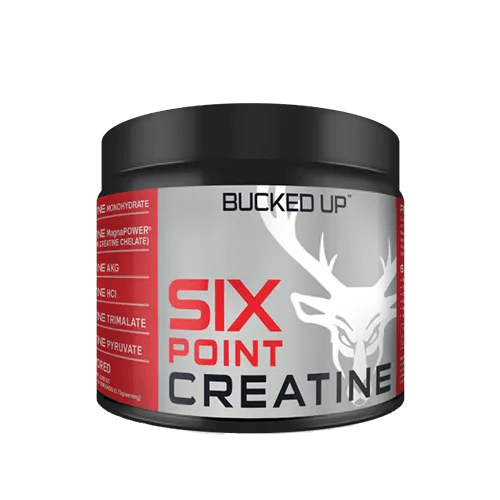
Find your format in Bucked Up’s complete creatine collection, from candy-like gummies rated highly for taste to bloat-conscious HCl capsules for sensitive digestion.
Frequently Asked Questions
Are creatine capsules better than gummies for athletes?
No single format works better for every athlete. Capsules support precise dosing without added sugars and work well for athletes who track carbohydrate intake or want flexible dosing. Gummies deliver flavor and convenience, which can improve long-term adherence for athletes who dislike powders or large capsules. Properly formulated products in both formats can deliver similar creatine absorption.
What are effective creatine gummies for competitive athletes?
Creatine gummies for competitive use should offer NSF Sport certification, accurate 5-gram dosing, modest sugar content, and proven stability during manufacturing. Bucked Up’s creatine gummies meet these criteria with third-party testing, precise dosing, and flavors like Tropic Thunder and Blue Blast that maintain palatability while still supporting performance goals.
How do gummies and capsules compare for daily creatine dosage?
Gummies usually provide 3-5 grams per serving, often across 3-5 pieces, which matches a standard maintenance dose for creatine monohydrate. Capsules often contain 750mg-1g each, so athletes take several capsules to reach 5 grams. Gummies simplify standard dosing in a single serving, while capsules offer flexibility for gradual intake across the day or for micro-dosing strategies.
Should athletes take creatine gummies or capsules on rest days?
Yes. Athletes benefit from daily creatine intake on both training and rest days to maintain muscle saturation. Rest day dosing supports recovery and keeps phosphocreatine stores ready for the next session. Gummies and capsules both work for this purpose, so athletes can choose based on convenience and preference rather than differences in effect.
How much water should athletes drink with creatine supplements?
Athletes generally benefit from 80-100 ounces of water per day while using creatine, regardless of format. Gummies do not require water at the moment of use, unlike capsules, yet overall hydration still supports creatine’s role in muscle cells and may help reduce cramping risk. HCl forms can dissolve more easily than monohydrate, but maintaining high fluid intake supports performance across all creatine types.
Creatine gummies and capsules each offer clear advantages for athletes who want convenient, effective supplementation. Gummies focus on taste and adherence, while capsules emphasize precision and flexibility. Bucked Up’s NSF-certified options in both categories give athletes access to creatine formulas that support strength, power, and recovery goals while aligning with individual preferences and testing requirements.1
1 The content provided in this article is for informational purposes only and is not medical advice. Consult with a medical professional before implementing any changes to your diet, health, or exercise routines.
Individual results will vary and are based on a combination of each individual’s diet, exercise, age, and health circumstances.
These statements have not been evaluated by the Food and Drug Administration. This product is not intended to diagnose, treat, cure or prevent any disease.
This article was written by Ryan Gardner, CEO of Bucked Up. As the maker of Bucked Up Creatine, we have a financial interest in this information. The views expressed are our own and should be read with that context in mind