
Key Takeaways
- Muscle fatigue between sets often comes from fast ATP depletion, metabolic by-products, and disrupted muscle signaling.
- Creatine supports faster ATP regeneration between sets, which helps maintain power output and training quality.
- Consistent daily dosing, adequate hydration, and basic strength programming make creatine more effective for reducing fatigue.
- Different creatine formats, such as monohydrate, blends, capsules, gummies, and candy, fit a range of goals and preferences.
- Bucked Up Creatine offers multiple evidence-based options for supporting recovery between sets; explore the lineup at Bucked Up Creatine.
Understanding Muscle Fatigue: The Science Behind Your Workout Burnout
Muscle fatigue between sets often reflects what happens inside the muscle, not just a subjective feeling of being tired. Muscle fatigue describes a drop in performance after repeated, intense muscle use, driven by changes in energy supply, metabolites, and cell function.
Energy Depletion and Metabolic By-Products
High-intensity sets demand rapid ATP turnover. ATP hydrolysis rates can increase several hundred-fold to support ion balance, calcium handling, and muscle contraction. This demand can outpace ATP production.
Reductions in ATP and accumulation of hydrogen ions, inorganic phosphate, AMP, ADP, and IMP interfere with ion gradients, calcium cycling, and the actomyosin interaction. These changes make each rep feel harder, even when the load stays the same.
The Role of Glycogen Stores
Glycogen in muscle fibers supplies fuel for repeated sets. Ongoing high-intensity work lowers glycogen, which limits glycolysis and oxidative phosphorylation and contributes to fatigue. Long sessions and full-body days increase this effect.
Ionic Disturbances and Muscle Signaling
Fatigue also involves shifts in ions that control muscle activation. Changes in lactate, hydrogen, potassium, and calcium levels impair membrane excitation, contraction, and energy metabolism. When signaling becomes less efficient, recruiting muscle fibers at the same intensity becomes harder.
The Creatine Advantage: Fueling Rapid Recovery and Sustained Performance
Creatine supports the phosphocreatine energy system, which regenerates ATP quickly during hard efforts. Supplementation increases muscle creatine and phosphocreatine levels, which support faster energy recovery between sets.
Faster ATP Regeneration Between Sets
Phosphocreatine donates a phosphate group to ADP to restore ATP. Higher phosphocreatine stores make this process more efficient during short rest periods and intense efforts. Better ATP recovery between sets helps preserve bar speed, power, and rep quality deeper into a workout.
Athletes who maintain higher phosphocreatine levels often complete more total reps at a given load and report less drop-off in performance across sets, especially in heavy or explosive work.
Support for Higher Training Volume and Intensity
Improved recovery between sets usually translates into more effective training sessions. Over time, creatine-supported workouts can allow:
- More total reps with challenging loads
- Higher average intensity across working sets
- Better quality on compound lifts and sprints
Higher effective training volume serves as a key driver for strength and muscle gains over months of consistent work.
Choosing Your Creatine: Options That Match Your Goals
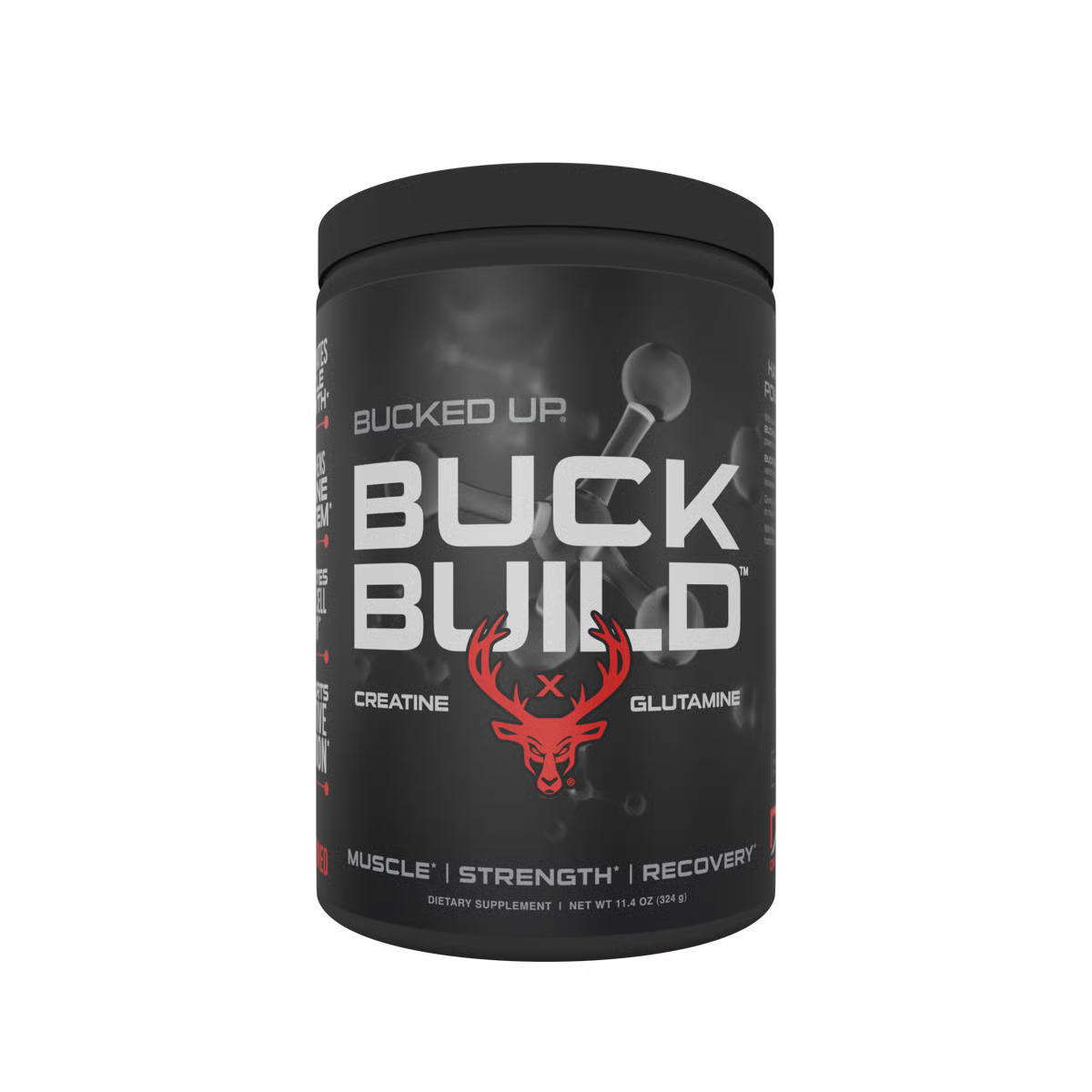
Creatine products differ in form, convenience, and personal feel, even though the core molecule remains the same. Bucked Up offers several creatine formats so lifters can align supplementation with training style and daily routine.
Pure Creatine Monohydrate for Reliable Support
Creatine monohydrate remains the most researched form and provides a practical starting point for most people. Bucked Up Pure Creatine Monohydrate delivers 5 grams per serving in micronized powder for easier mixing. Flavored and unflavored options fit both standalone use and stacking with pre-workouts.
Creatine HCl, Gummies, and Candy for Convenience
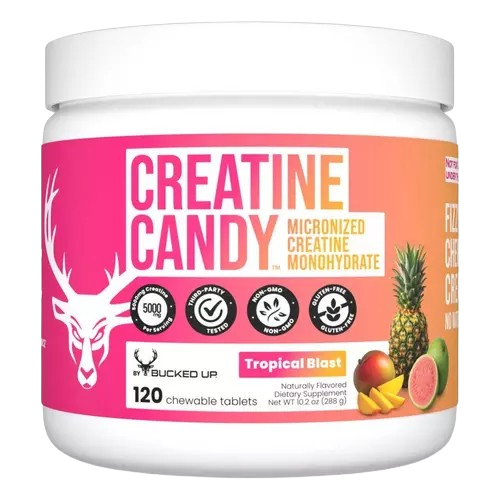
Capsules and chewables fit lifters who prefer quick, no-mix options. Creatine HCl capsules with CON-CRĒT offer smaller serving sizes and a lighter feel for people who want to minimize water retention. Creatine Gummies and Creatine Candy turn dosing into a portable, easy habit that fits busy schedules and travel.
|
Product Name |
Key Benefit for Fatigue/Recovery |
Unique Feature/Formulation |
|
Pure Creatine Monohydrate |
Supports ATP regeneration and muscle recovery |
Micronized powder, flavored or unflavored |
|
Six Point Creatine |
Broad creatine coverage across forms |
Six creatine types in one flavorless powder |
|
Creatine HCl |
Supports performance with a lighter feel |
CON-CRĒT-based capsules |
|
Creatine Gummies |
Makes daily dosing simple and portable |
Chewable format with multiple flavors |
Implementing Creatine for Better Intra-Set Recovery
Consistent daily intake matters more than precise timing. A simple, repeatable routine helps build and maintain muscle creatine levels that support recovery between sets.
Daily Dosage and Timing Basics
A common effective dose for most adults is 5 grams of creatine per day. Many people take it with a meal or shake, though the time of day has less impact than long-term consistency.
Creatine HCl products often use smaller servings because of their concentration. Bucked Up Creatine HCl capsules contain 750 mg per capsule, and one to two capsules per day fits many users. Label directions should guide individual dosing.
Hydration and Consistency
Creatine draws water into muscle cells, so hydration supports both performance and comfort. Many lifters aim for roughly 80 to 100 ounces of water per day when using creatine, including at least one glass with the serving.
Daily use, including on rest days, keeps muscle creatine stores stable. Most people notice better set-to-set recovery after one to two weeks of uninterrupted intake.
Adjusting to Different Training and Lifestyle Needs
Strength athletes who track load, volume, and body composition closely may prefer Six Point Creatine or Creatine HCl for precise dosing and flexibility during cutting or meet prep. People who focus on general health or time-efficient workouts often choose gummies, candy, or ready-mix powders that fit easily into existing habits.
Review Bucked Up creatine formats and match them to your training style and schedule.
Common Concerns and Myths About Creatine and Fatigue
Creatine remains one of the most studied sports supplements, yet some myths still discourage potential users. Clear expectations help lifters use it with more confidence.
Bloating and Digestive Upset
Most discomfort comes from very large single doses or low-quality powder. Micronized creatine monohydrate and capsule forms reduce this risk by dissolving and absorbing more easily. Smaller split doses across the day also help sensitive users.
Creatine HCl often suits people who want creatine benefits with minimal water retention, especially during physique-focused phases.
The “Non-Responder” Idea
Past reports of non-response often reflected short trial periods, low intake, or inconsistent use. Many people who do not notice results with a quick trial respond once dosing, duration, hydration, and training structure improve. Access to several creatine formats makes it easier to find a product that fits individual digestion and routine.
Use Beyond Bodybuilding
Creatine supports repeated high-intensity efforts in many sports, including field sports, track events, interval training, and mixed conditioning sessions. Some people also use it to support cognitive function and general vitality as part of broader wellness goals.
Frequently Asked Questions About Creatine and Muscle Fatigue
How does creatine help reduce fatigue between sets?
Creatine raises muscle phosphocreatine levels, which provide a quick source of phosphate to rebuild ATP. After a hard set, this extra buffer helps restore ATP during rest periods. Better ATP recovery supports stronger contractions and more consistent performance across later sets.
Is creatine safe for long-term use?
Long-term studies in healthy adults have shown that creatine, taken at recommended doses, has a strong safety record. The body already produces and uses creatine naturally, and supplementation increases an existing energy pool rather than adding a stimulant or hormone.
What is the main difference between creatine monohydrate and other forms?
Creatine monohydrate is the most studied form and usually offers the best value. Creatine HCl and multi-form blends focus on solubility, serving size, and subjective feel. Many users start with monohydrate, then test other forms if they want different delivery or a lighter experience.
Can women use creatine to reduce fatigue without excess water retention?
Women use creatine for strength, performance, and reduced workout fatigue in the same way men do. Creatine HCl and products like Babe Creatine, which uses CON-CRĒT Creatine HCl, aim to provide these benefits with minimal perceived bloating, which can appeal to women who prioritize both performance and physique.
Should creatine be taken on rest days?
Rest-day use helps keep muscle creatine levels steady. Skipping non-training days causes more fluctuation and may blunt benefits. A simple daily habit, regardless of training schedule, supports consistent fatigue resistance across the entire training week.
Conclusion: Use Creatine Strategically To Tackle Muscle Fatigue
Muscle fatigue between sets often reflects fast ATP depletion, metabolite buildup, and altered muscle signaling. Creatine helps by raising phosphocreatine stores and supporting faster ATP regeneration, which allows better performance across repeated efforts.
Bucked Up offers creatine monohydrate, multi-form blends, capsules, gummies, and candy so athletes and health-focused lifters can choose the format that fits their training and lifestyle. Quality standards, clear labeling, and varied delivery options help make daily use practical and sustainable.
Disclaimer: These statements have not been evaluated by the Food and Drug Administration. This product is not intended to diagnose, treat, cure, or prevent any disease.