
Key Takeaways
- Mid-workout muscle fatigue often comes from fast ATP depletion, metabolite buildup, and nervous system fatigue, not just feeling tired.
- Creatine supports rapid ATP recycling, which can help you maintain strength, power, and training volume during intense sets.*
- Beta-alanine, citrulline malate, electrolytes, carbohydrates, and BCAAs can support other fatigue pathways such as acidity, blood flow, and ionic balance.*
- Consistent daily dosing, adequate hydration, and solid training and nutrition habits make creatine and other supplements more effective over time.*
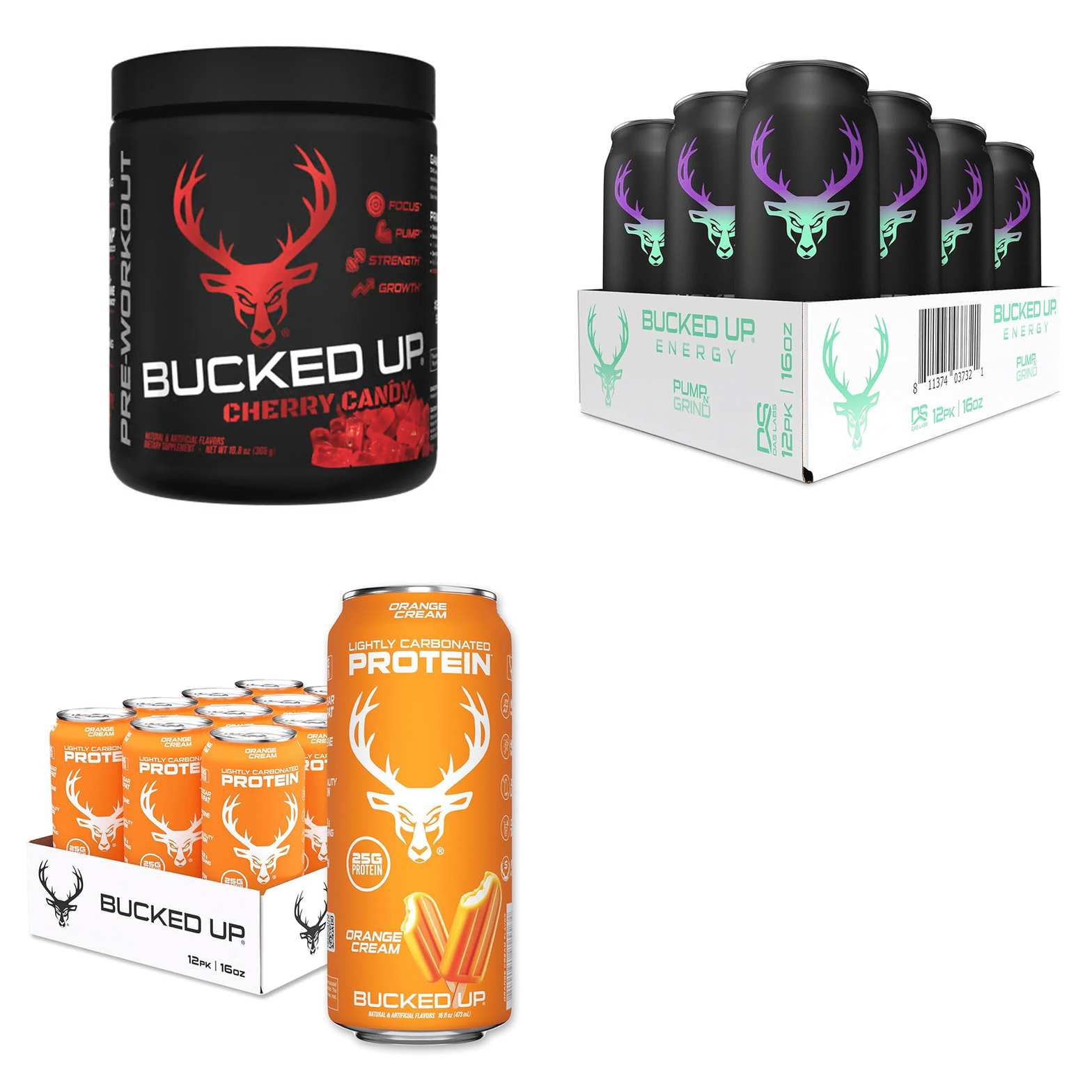
- Bucked Up Creatine offers several user-friendly formats that make consistent use easier; explore options at Bucked Up Creatine.
Why Muscles Fatigue Mid-Workout
Energy Shortage: ATP Depletion and Metabolic Byproducts
Intense exercise quickly drains adenosine triphosphate (ATP), the main energy source for muscle contraction. Rapid ATP use for contraction, ion transport, and cellular upkeep lowers ATP levels and increases byproducts such as hydrogen ions (H+), inorganic phosphate (Pi), adenosine diphosphate (ADP), and adenosine monophosphate (AMP). These byproducts do more than accumulate. They disrupt sodium-potassium balance, calcium cycling, and the actomyosin interaction that drives muscle contraction. Force output drops, and sets start to feel much heavier.
Ionic Imbalances That Disrupt Contractions
Fatigue also involves changes in key ions that control muscle contraction. Reduced sarcoplasmic reticulum calcium release and lower calcium sensitivity of contractile proteins make it harder for muscles to contract effectively. Potassium buildup outside muscle cells lowers membrane excitability, so muscles respond less efficiently to nerve signals. Shifts in fluid balance from sweating can further affect calcium delivery, which may impair contraction and contribute to cramping.
Oxidative Stress and Nervous System Fatigue
Oxidative stress adds another layer. Reactive oxygen species can reduce calcium-activated force and calcium sensitivity, which makes strong contractions harder to sustain. The nervous system also tires. Fatigue involves lower voluntary activation from the central nervous system and reduced neural drive to the muscle, so your brain recruits fewer muscle fibers even when you feel motivated.
Supplements That Help You Push Through Fatigue
Creatine for Fast Energy Recycling
Creatine supports the phosphocreatine system, which rapidly regenerates ATP during short, intense efforts. Higher muscle creatine stores give your muscles more immediate fuel for heavy lifts, sprints, and explosive sets. This mechanism targets one of the main drivers of mid-workout fatigue – energy depletion.
Many people who use creatine notice better power output, more total reps, and improved recovery between sets, which can support gradual increases in training volume and lean muscle over time.* These effects build as muscles reach and maintain creatine saturation with consistent use.
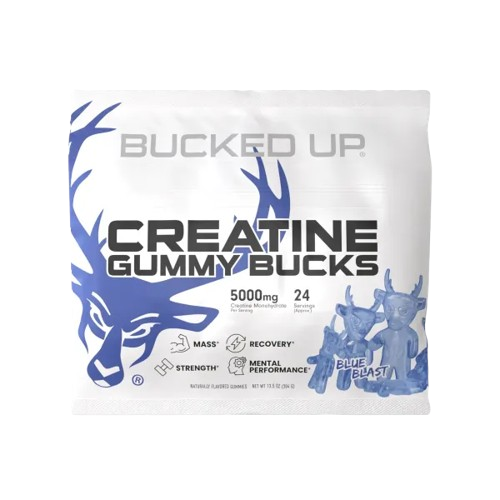
Explore Bucked Up Creatine to support ATP recycling, strength, and mid-workout endurance.
Other Supplements That Support Endurance
Several other supplements target different fatigue pathways and can complement creatine:*
- Beta-alanine – raises muscle carnosine, which buffers hydrogen ions. Hydrogen ion buildup from glycogen breakdown and anaerobic glycolysis lowers muscle pH and plays a major role in fatigue, so better buffering can help delay that burn.
- Citrulline malate – supports nitric oxide production, which can improve blood flow, oxygen delivery, and removal of metabolic waste products that build up during repeated sets.*
- Electrolytes – help maintain sodium, potassium, and other mineral balances that support nerve signaling and muscle contraction, especially when sweat losses are high.*
- Carbohydrates – provide a primary fuel source for moderate to high-intensity training and help preserve muscle glycogen, which delays fatigue in longer sessions.*
- Branched-chain amino acids (BCAAs) – may reduce muscle protein breakdown and support muscle protein synthesis during longer or fasted training blocks for some users.*
How to Use Creatine to Fight Mid-Workout Fatigue
Dose, Timing, and Consistency
Daily consistency matters more than exact timing. Many lifters do well with about 5 grams of creatine monohydrate per day. Some choose a short loading phase of around 20 grams per day for 5 to 7 days, then move to 3 to 5 grams per day. Steady daily use without loading still saturates muscles within a few weeks.
You can take creatine before or after training, or at any other time of day. The key is to take it every day, including rest days, so phosphocreatine stores stay high enough to support repeated high-intensity efforts.*
Hydration and Electrolytes While Using Creatine
Creatine pulls water into muscle cells, so adequate fluid intake becomes more important. Many people find 80 to 100 ounces of water per day helpful when using creatine, adjusting for body size, activity level, and climate. Good hydration supports digestion, joint comfort, and the ionic balance that underpins normal contraction and nerve signaling.
Electrolytes from food or supplements can further support performance in hot environments or long, sweaty sessions by replacing sodium, potassium, and other minerals lost in sweat.*
Choosing a Bucked Up Creatine Format That Fits Your Routine
Bucked Up offers different creatine formats so you can match your supplement routine to your schedule and preferences:
|
Product Type |
Primary Fatigue Benefit |
Best Fit For |
How You Take It |
|
Pure Creatine Monohydrate |
Simple, research-backed ATP support* |
People who want a straightforward, cost-effective option |
Mix with water or your drink of choice |
|
Six Point Creatine |
Blend of creatine forms for broad support* |
Users interested in a multi-source creatine approach |
Mix with water or pre-workout |
|
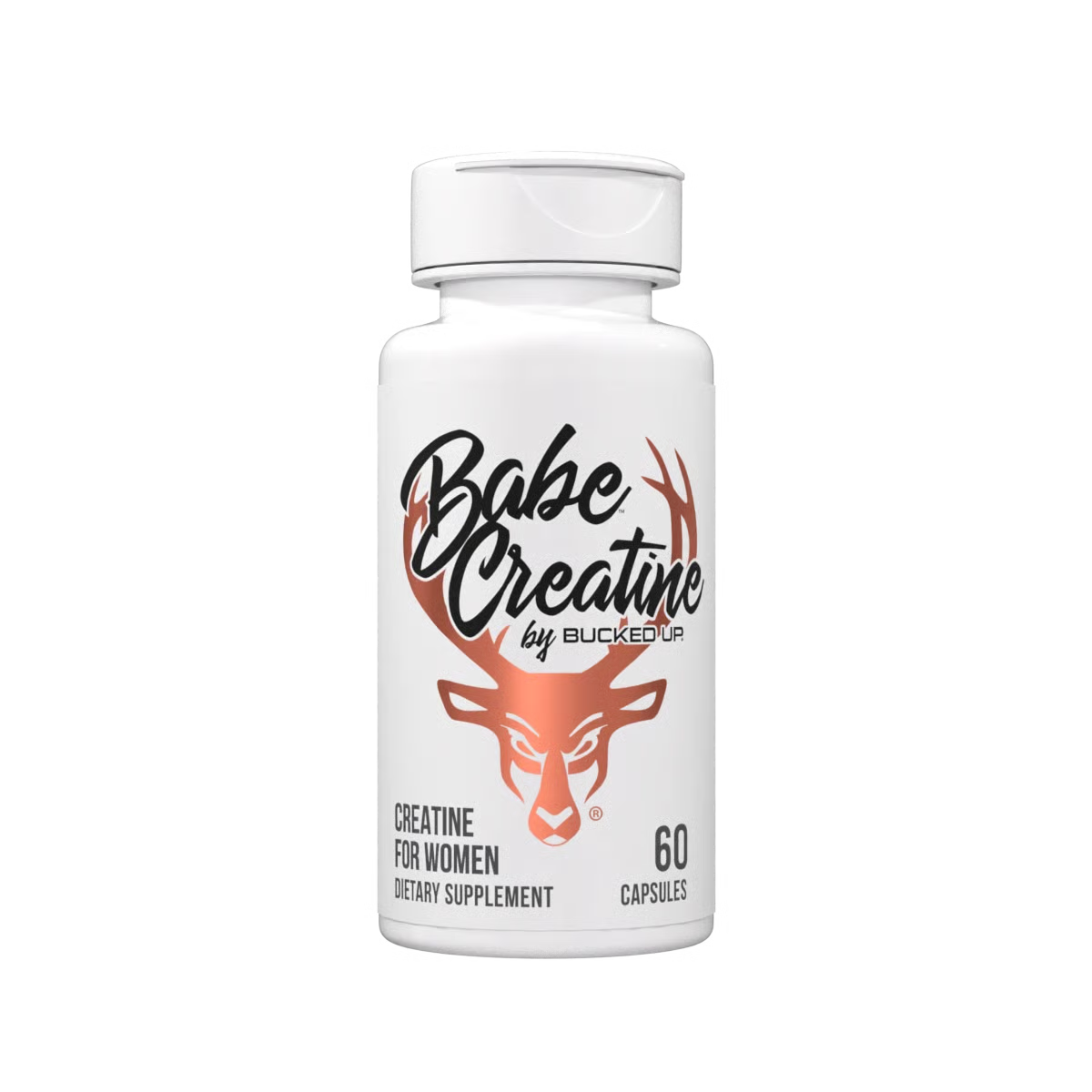
Creatine HCl Capsules |
Creatine support in a compact, travel-friendly form* |
People who prefer capsules or report sensitivity to some powders |
Swallow with water, no mixing |
|
Creatine Gummies |
Creatine in a flavored, chewable format* |
Users who value taste and on-the-go convenience |
Chew as directed |
Convenient formats such as capsules and gummies can make daily use easier, which supports the consistent intake needed for creatine to help reduce mid-workout fatigue over time.*
Common Mistakes When Trying to Prevent Mid-Workout Fatigue
Inconsistent Use and Underdosing
Many people use creatine irregularly. Missed days lower muscle creatine levels and reduce potential anti-fatigue support. Very low doses below about 3 grams per day may not raise phosphocreatine stores enough to noticeably affect performance for most users.*
Relying on Supplements Without Fundamentals
Supplements work best on top of solid habits. Balanced nutrition, enough calories and protein, 7 to 9 hours of sleep most nights, and a progressive training plan all play central roles in performance and recovery. Creatine and other supplements add support but do not replace basics.
Misinformation and Expectations
Creatine has been studied for decades, yet concerns about kidney health, required loading phases, or extreme bloating still circulate. Healthy individuals who stay hydrated and use recommended doses generally tolerate creatine well, and many modern formulas aim to minimize digestive discomfort.* Benefits tend to build slowly across weeks of consistent use, not overnight.
Listening to Your Body and Getting Guidance
Most people handle creatine without issues, though a few may notice mild digestive changes when they start. Smaller divided doses and more water often help. Anyone with existing medical conditions or prescribed medications should talk with a healthcare professional before adding new supplements.
FAQ: Creatine and Mid-Workout Muscle Fatigue
How does creatine help prevent mid-workout muscle fatigue?
Creatine increases muscle phosphocreatine stores, which support rapid ATP regeneration during high-intensity efforts. Better ATP availability lets you maintain force and power longer before fatigue from energy depletion sets in. Many lifters use this effect to add a few more reps per set, keep weights higher for more sets, or reduce the sharp drop-off in performance as a workout progresses.*
Which type of creatine works best for fatigue support?
Creatine monohydrate is the most widely studied form and supports strength, power, and muscle size in many users.* Creatine HCl can offer improved solubility and a smaller serving size for some people. Blends such as Six Point Creatine combine several forms in a single product. All aim to raise muscle creatine levels, so factors like digestion, convenience, price, and personal preference often guide the final choice.
Does creatine timing matter for fighting fatigue?
Timing is less important than consistency. Daily intake keeps muscles saturated, so phosphocreatine is available whenever you train. Some people prefer to pair creatine with a meal or post-workout shake, but using it at the same time each day and not skipping doses has the biggest impact on results over the long term.*
How long until creatine helps reduce mid-workout fatigue?
Many users feel small changes in strength or endurance within 1 to 2 weeks. As muscles reach full saturation, often within 3 to 4 weeks without loading or sooner with a loading phase, performance changes usually become easier to notice. The most meaningful changes often come from combining creatine with progressive training over several months.*
Conclusion: Build a Long-Term Plan to Reduce Mid-Workout Fatigue
Mid-workout muscle fatigue stems from several factors, including energy depletion, metabolite buildup, ionic shifts, oxidative stress, and nervous system fatigue. Creatine helps by supporting rapid ATP regeneration, which can keep heavy sets and explosive movements productive for longer.* Other supplements and sound training habits address supporting factors such as acidity, blood flow, hydration, and recovery.
Consistent use, realistic expectations, and attention to fundamentals give creatine the best chance to support your goals. Pair that approach with formats that fit your lifestyle, whether powders, capsules, or gummies, and you can build a sustainable routine that helps you get more out of each workout over time.*
*Disclaimer: These statements have not been evaluated by the Food and Drug Administration. This product is not intended to diagnose, treat, cure, or prevent any disease.