Written by: Ryan Gardner, Owner, Managing Partner, CEO, Bucked Up | Last updated: April 17, 2026
Key Takeaways
- Muscle fatigue stems from ATP depletion, hydrogen ion buildup, calcium dysfunction, glycogen shortage, and mitochondrial issues. Target these root causes to build better endurance.
- Hydrate with 7–10 oz every 10–20 minutes plus electrolytes, and fuel with 30–60 g carbs pre-workout to avoid early energy crashes.
- Increase training volume by no more than 10% weekly, use dynamic warm-ups, and get 7–9 hours of sleep to support recovery.
- Use rhythmic nasal breathing and consistent supplementation to ease central fatigue and improve oxygen delivery.
- Support endurance with Bucked Up creatine. A steady 5 g daily can help ATP regeneration so you can push harder for longer.1
Why Muscles Tire So Quickly During Workouts
Muscle fatigue involves both central and peripheral mechanisms. Central fatigue comes from changes in the central nervous system that reduce neural drive to muscles, while peripheral fatigue comes from changes inside the muscle tissue itself. Most rapid fatigue during hard sets usually traces back to these peripheral changes inside your muscle fibers.
Key contributors to rapid muscle fatigue include:
- ATP depletion: Your muscles’ main energy currency drops during high-intensity efforts, so contractions feel harder.
- Hydrogen ion accumulation: Intracellular acidosis builds up and makes each rep feel heavier.
- Calcium handling dysfunction: Disrupted calcium release interferes with muscle fiber activation and force output.
- Glycogen depletion: Low carbohydrate stores limit how long you can sustain hard work.
- Mitochondrial dysfunction: Compromised energy production raises reactive oxygen species and disrupts cellular balance.
These mechanisms hit beginners who plateau early and trained athletes who push heavy or high-intensity work. The ATP–phosphocreatine system powers explosive movements for only a short window, so fatigue arrives quickly without smart hydration, fueling, training, and supplementation.
7 Ways to Stop Muscle Fatigue Fast and Train Harder, Longer
1. Hydrate Smart With Water and Electrolytes
Consistent hydration keeps performance steady and delays fatigue. The American College of Sports Medicine (ACSM) recommends prehydrating several hours before exercise, and the Korey Stringer Institute advises drinking regularly during exercise.
Use these simple steps:
- Pre-hydrate with 12–24 oz of water 2–3 hours before training to start sessions topped off.
- Drink 7–10 oz every 10–20 minutes during workouts to replace sweat losses.
- Add electrolytes for sessions longer than 60 minutes or in hot conditions to maintain fluid balance.
- Check urine color. Pale yellow usually signals solid hydration.
2. Fuel Around Your Workout With Carbs and Protein
Dialed-in pre- and post-workout nutrition helps prevent glycogen depletion and early burnout. The International Society of Sports Nutrition (ISSN) notes that pre-workout carbohydrates boost muscle glycogen and increase carbohydrate oxidation during exercise.
Try this simple fueling plan:
- Eat 30–60 g easily digestible carbs 15–60 minutes before training to support energy.
- Use options like bananas, rice cakes, or sports drinks that sit well on your stomach.
- Add 10–20 g protein pre-workout to limit muscle breakdown.
- Post-workout, aim for 0.25–0.4 g protein per lb of body weight within 2 hours to support repair.
High-carbohydrate meals before exercise can raise muscle glycogen and improve performance by enhancing glycogen synthesis.
3. Progress Training Gradually With a 10% Rule
Gradual progression builds strength and endurance without crushing your recovery. The ACSM position stand explains that progressive overload is required for continued adaptation in resistance training.
Use these progressive overload guidelines as a connected system:
- Increase total training volume by no more than 10% weekly to reduce the risk of overreaching.
- Within that increase, focus on one progression method, such as weight, reps, or sets, for 4–6 weeks so your body can adapt.
- Train each muscle group 2–3 times per week to provide enough stimulus while still allowing recovery.
- Schedule deload weeks every 4–8 weeks at about 50–60% of usual intensity to clear built-up fatigue.
4. Use Dynamic Warm-Ups for 5–10 Minutes
Dynamic warm-ups wake up your nervous system, increase blood flow, and lower injury risk. They often include moves like bodyweight squats, split jumps, and carries to raise temperature and mobility.
Build your warm-up with:
- Five to ten minutes of movement-specific exercises that mirror your main lifts or cardio.
- A gradual ramp in intensity until it matches your first working sets.
- Mobility work for the joints and muscles you plan to train.
- Practice reps of the patterns you will use so your brain and muscles sync up.
5. Add Creatine: Bucked Up Formats for Different Routines
Creatine offers a well-researched way to delay fatigue and support more total work.1 Short-term creatine monohydrate use significantly increased repetitions to failure at 60–80% 1RM in bench press and back squat compared to placebo1. Creatine also raises intramuscular creatine and phosphocreatine, which supports ATP regeneration through the ATP–CP pathway1.
Bucked Up offers several creatine formats that fit different training styles and preferences. You can pick based on flavor, convenience, or how you like to take supplements.
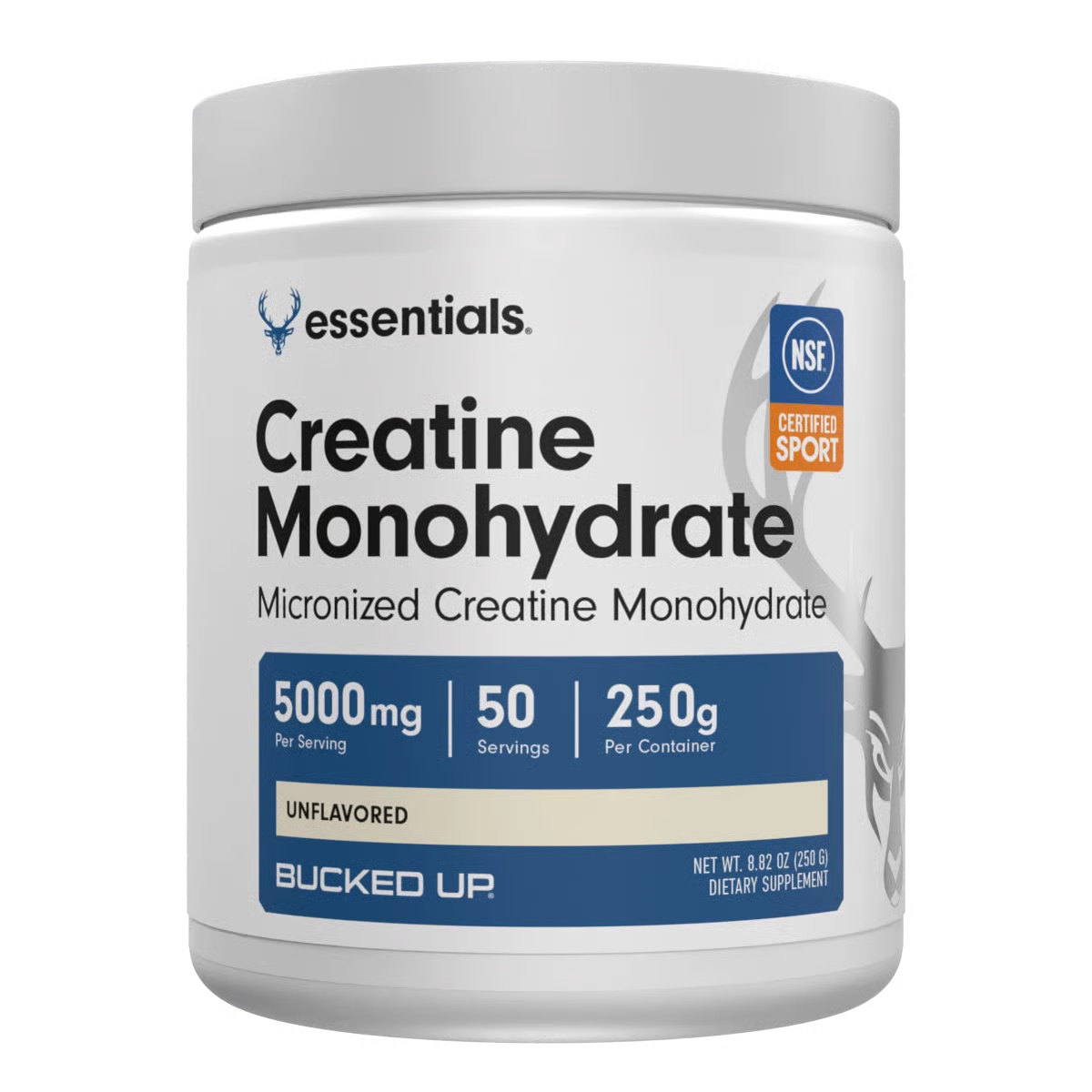
- Pure Creatine (Monohydrate): Provides 5 g servings in flavors like Grape Apple and Blue Raspberry, ideal if you prefer a classic mixable powder with taste options.
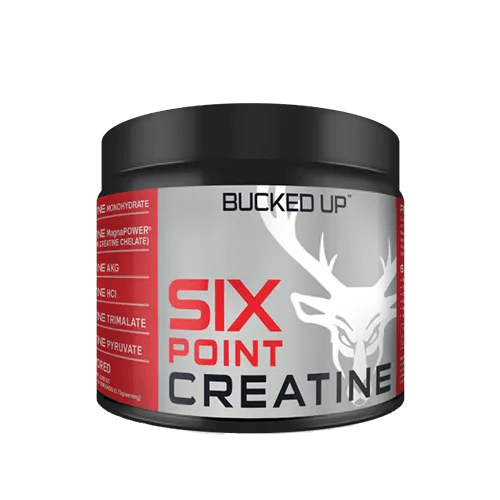
- Six Point Creatine: Combines 6 creatine types, designed for athletes who want broad creatine coverage and support for muscle saturation.
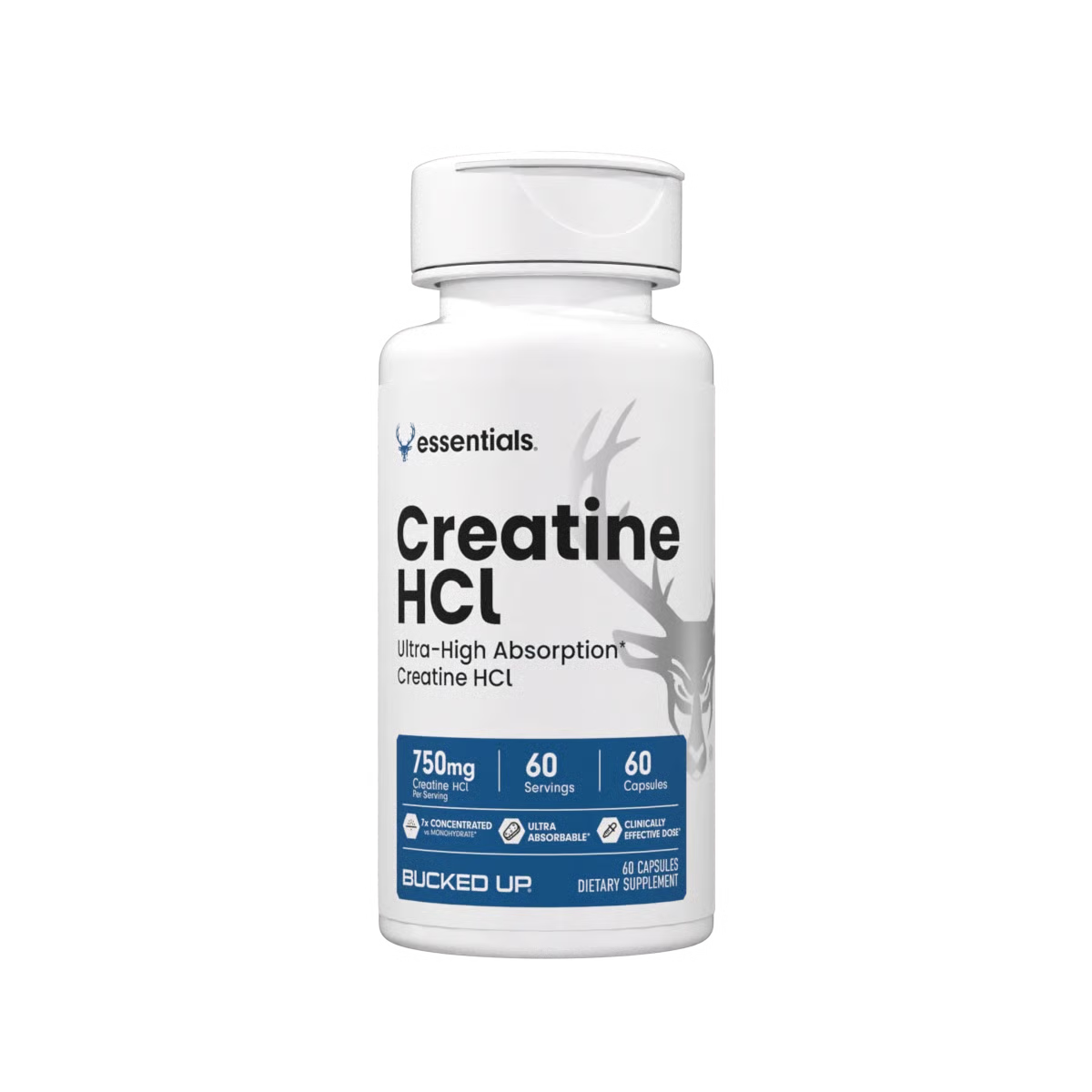
- Creatine HCl Capsules: Delivers 750 mg per capsule and suits people who want quick capsules with no mixing and no loading phase.
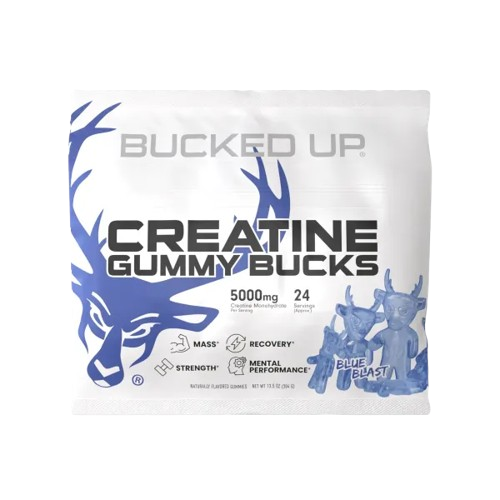
- Creatine Gummies: Packs 5 g per serving in a portable gummy, helpful if you like a grab-and-go format.
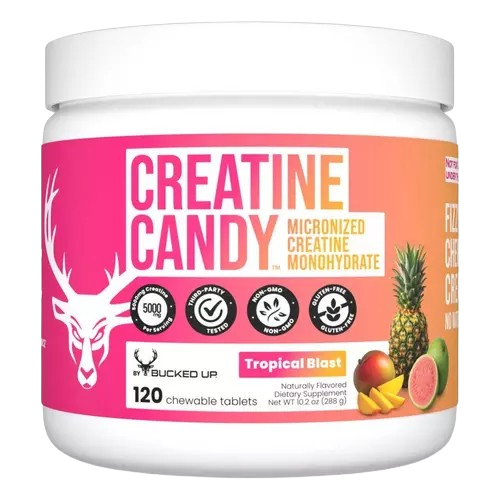
- Creatine Candy: Uses dissolvable tablets that work well for on-the-go supplementation without a shaker.
All Bucked Up creatine products come from NSF and GMP certified facilities, which supports product purity and potency.1 Creatine monohydrate may also help reduce delayed-onset muscle soreness and support recovery compared to placebo1.
Use these dosing guidelines as a simple baseline:
- Take 5 g daily, ideally close to your workout or at a consistent time you remember.
- Keep intake steady every day, including rest days, to maintain muscle saturation.
- Drink about 80–100 oz of water daily to support hydration while using creatine.
- Skip a loading phase when you use HCl forms, since they are often taken in smaller daily doses.
6. Protect Gains With Sleep and Recovery Days
Recovery gives your body time to rebuild and refill energy stores so you can train hard again. JEFIT highlights recovery strategies like adequate protein for repair, carbohydrates for energy, and quality sleep alongside progressive overload.
Focus on these recovery habits:
- Sleep 7–9 hours per night with a consistent bedtime and wake time.
- Use full rest days or light active recovery sessions such as walking or easy cycling.
- Plan deload weeks every 4–8 weeks to reset fatigue and joint stress.
- Include foam rolling, stretching, and mobility drills to keep tissues moving well.
7. Use Breathing and Mindset to Fight Central Fatigue
Calm, controlled breathing and focused mindset help reduce central fatigue and keep oxygen flowing. Rhythmic nasal breathing during easier portions of your workout supports oxygen use and helps you stay composed under stress.
Try these breathing strategies:
- Practice nasal breathing during warm-ups and rest periods to build the habit.
- Use steady, rhythmic breathing patterns during cardio or steady-state efforts.
- Avoid holding your breath during resistance exercises unless using a specific technique under guidance.
- Exhale during the exertion phase of each lift to stay braced yet relaxed.
When you pair solid breathing habits with a creatine routine from Bucked Up, you support both oxygen delivery and ATP regeneration.1 Explore Bucked Up creatine formats and choose the one that fits how you train.
Common Mistakes, Troubleshooting, and Safety Tips
Avoiding a few common mistakes can noticeably improve how long your muscles last in each session.
- Breath-holding: Holding your breath during lifts cuts oxygen delivery and speeds up fatigue.
- Under-hydration: Starting workouts already dehydrated makes early burnout much more likely.
- Inconsistent supplementation: Skipping creatine doses keeps muscles from reaching steady saturation.1
- Excessive volume jumps: Raising training loads too fast increases the risk of overreaching.
Use these troubleshooting ideas when fatigue hits early:
- Track reps, sets, and loads so you can spot patterns in performance drops.
- Switch to Creatine HCl if monohydrate leaves you feeling bloated.1
- Shift carbohydrate timing closer to your workout if you crash mid-session.
- Pull back total training volume for a week or two if performance keeps sliding.
Stay safe by drinking enough water while using creatine, talking with a healthcare provider if you have kidney concerns, and remembering that creatine occurs naturally in the body and is considered safe for healthy individuals in recommended doses.
What Progress Looks Like and Advanced Strategies
Effective fatigue management usually shows up as more reps per set, less soreness between sessions, and strength gains over 4–6 weeks. You also feel steadier energy during longer workouts and bounce back faster between training days.
Once you have the basics down, consider these advanced strategies:
- Combine progressive overload with creatine supplementation to support higher training volumes.1
- Match Bucked Up products to goals, such as Six Point Creatine for serious training blocks or Babe Creatine for women who prefer capsule convenience.
- Periodize training intensity with planned deload weeks to manage long-term fatigue.
- Monitor heart rate variability to gauge recovery and adjust training load.
Frequently Asked Questions
Why do my muscles get tired so fast when working out?
Rapid muscle fatigue often comes from ATP depletion, hydrogen ion buildup that causes intracellular acidosis, impaired calcium handling in muscle fibers, and low glycogen stores. Central nervous system fatigue can also reduce neural drive to your muscles. Solid hydration, smart nutrition, progressive training, and creatine supplementation work together to address these factors.1
How can I recover from muscle fatigue quickly?
Fast recovery usually includes post-workout hydration with electrolytes, protein and carbohydrates within about 30 minutes, light movement or stretching, and enough sleep. Creatine can support recovery by helping ATP regeneration and lowering markers of muscle damage.1 Cold therapy and consistent nutrition can further speed the process.
I get tired after 5 minutes of exercise. What should I do?
Very early fatigue can signal low conditioning, poor fueling, dehydration, or a health issue. Start with shorter, easier sessions and slowly build duration and intensity. Make sure you take in 30–60 g carbohydrates before workouts, stay hydrated, and consider adding creatine. If fatigue stays extreme, talk with a healthcare provider to rule out medical problems.
Should I take creatine on rest days?
Daily creatine use helps keep muscle saturation levels steady for training days. Consistent intake, including rest days, supports elevated phosphocreatine stores and can lead to better sessions and smoother recovery than taking creatine only on workout days.1
Is creatine better in pills or powder?
Both forms can work well, so the choice usually comes down to preference. Capsules like Bucked Up’s Creatine HCl offer convenience and precise dosing without mixing, while powders give flavor options and can blend with other supplements. HCl forms may feel easier on the stomach than monohydrate powders for some people.
Conclusion: Build Lasting Endurance With a Simple Plan
Reducing how quickly your muscles tire requires a full approach that covers hydration, nutrition, progressive training, recovery, and targeted supplementation. These seven evidence-based strategies work together to support muscular endurance and overall training capacity.
Creatine stands out as a heavily researched tool for supporting performance and reducing fatigue.1 Bucked Up offers several creatine options, from classic Pure Creatine powder to gummies and HCl capsules, so you can match the format to your routine.
Put everything into practice with a straightforward routine: stay hydrated, eat pre-workout carbohydrates, take 5 g of Bucked Up creatine each day, and protect your sleep and recovery. Over time, you can expect steadier performance and less mid-workout burnout.1
1 The content provided in this article is for informational purposes only and is not medical advice. Consult with a medical professional before implementing any changes to your diet, health, or exercise routines.
Individual results will vary and are based on a combination of each individual’s diet, exercise, age, and health circumstances.
These statements have not been evaluated by the Food and Drug Administration. This product is not intended to diagnose, treat, cure or prevent any disease.
This article was written by Ryan Gardner, CEO of Bucked Up. As the maker of Bucked Up Creatine, we have a financial interest in this information. The views expressed are our own and should be read with that context in mind