Written by: Ryan Gardner, Owner, Managing Partner, CEO, Bucked Up | Last updated: April 17, 2026
Key Takeaways: Micronized Creatine Absorption & Results
- Micronized creatine monohydrate reaches peak plasma concentration in 1-2 hours after a dose, with better solubility than regular creatine.1
- Full muscle saturation typically takes 5-7 days with a 20-25g daily loading protocol or about 3-4 weeks with 3-5g daily.1
- Initial strength gains of about 5-15% and reduced fatigue often appear within 1-2 weeks, with visible muscle growth in 2-4 weeks.1
- Cognitive benefits usually start in 1-2 weeks and can reach full effect for memory and reasoning in 4-6 weeks.1
- NSF-certified micronized creatine from Bucked Up supports absorption and purity, so you can shop now and build a consistent routine.1
Micronized Creatine Monohydrate: What It Is and How It Works in Your Muscles
Micronized creatine monohydrate (C4H11N3O3) goes through advanced milling that reduces particle size to about 56.3 micrometers. Smaller particles can improve total creatine exposure (AUC) and raise peak plasma concentration compared to regular creatine monohydrate.1
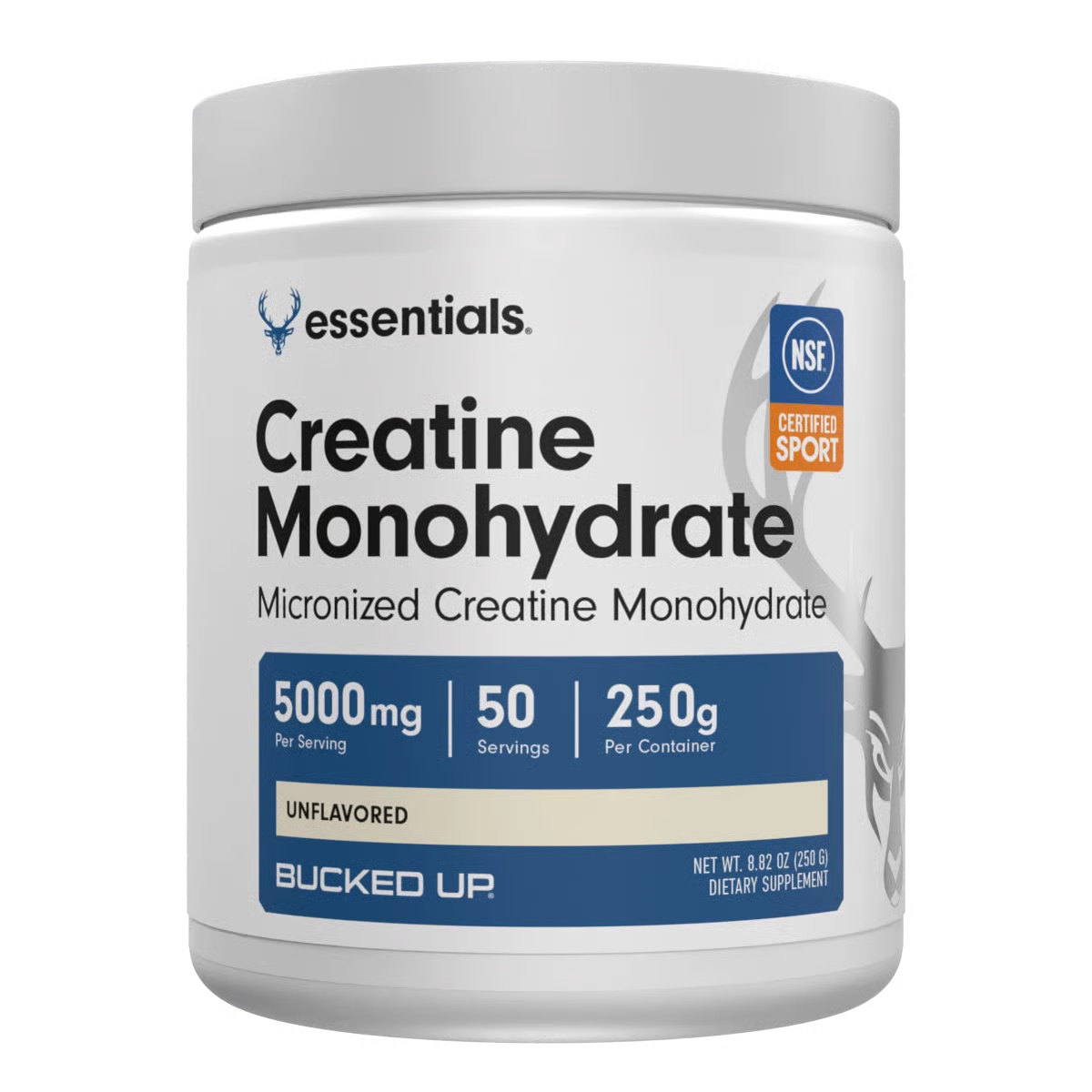
This form of creatine increases phosphocreatine stores in your muscles and supports rapid ATP regeneration during intense exercise.1 About 95% of the body’s creatine sits in skeletal muscle, with roughly two-thirds stored as phosphocreatine and the rest as free creatine.
Because creatine is stored directly in muscle tissue, the smaller particle size of micronized creatine can translate into practical day-to-day advantages.
Key advantages of micronized forms include:
- About 3x better solubility compared to regular creatine
- Less gritty texture and fewer gastrointestinal issues for many users
- Easier daily use thanks to smoother mixability
- Faster dissolution in liquid without changing the actual creatine molecule
Micronized Creatine Absorption Time: From Bloodstream to Muscle Saturation
Creatine absorption follows a two-phase timeline: first into the blood, then into the muscles. A single 5g oral dose usually reaches peak plasma creatine levels within 1-2 hours, and the average elimination half-life is under 3 hours.
Micronized creatine can show improved pharmacokinetics compared to standard creatine monohydrate.1 The half-life of micronized creatine monohydrate can differ slightly from regular forms, which may help maintain more stable blood levels. The table below compares the two main saturation strategies, showing how loading reaches saturation faster while maintenance uses a slower, gentler approach to the same endpoint.
| Protocol | Saturation Time | Pros | Cons |
|---|---|---|---|
| Loading (20-25g/day) | 5-7 days | Rapid saturation, earlier performance benefits1 | Higher chance of GI upset, more product used |
| Maintenance (3-5g/day) | About 28 days | Smoother approach, more budget-friendly over time | Slower onset of noticeable effects |
Several variables can affect how quickly your muscles reach saturation. Hydration plays a major role, so aim for a daily water intake that supports healthy cellular function, often around 80-100 oz for many active adults. Carbohydrate intake alongside creatine can support uptake through insulin-related pathways.1 Training status also matters, because post-workout periods with increased blood flow and nutrient sensitivity can slightly improve creatine transport into muscle cells.
Creatine Results Timeline: Strength, Muscle Growth, and Brain Benefits
Creatine benefits appear in stages as your muscle stores fill and stabilize. Early changes such as increased muscle water content and about 2-4 pounds of weight gain often show up within 7-14 days.1
| Time | Benefits | Studies |
|---|---|---|
| 3-7 days | Early strength increases of about 5-15% in some users1 | PMID:14636102 |
| 1-2 weeks | Higher training volume and less fatigue during hard sets1 | Performance research |
| 2-4 weeks | Visible muscle growth with consistent resistance training1 | Resistance training studies |
| 1-2 weeks | Initial cognitive support, such as sharper short-term memory1 | PMC6093191 |
| 4-6 weeks | More complete cognitive benefits, including reasoning and mental stamina1 | Memory and reasoning enhancement |
Muscle size usually starts to change in a noticeable way within about 2-4 weeks of steady creatine use paired with training. Brain-related effects often begin in 1-2 weeks and can continue to build over 4-6 weeks as creatine levels in the brain reach a steady state.
Creatine Protocols That Work: Loading, Timing, and Bucked Up Options
Effective creatine protocols depend on your goals, training schedule, and digestive comfort. A classic loading phase uses about 20g daily for 5-7 days, split into four 5g servings, then shifts to a 3-5g daily maintenance dose. Many people prefer to take creatine after training with a carb source, which can support uptake through insulin-related transport, although consistent daily use matters more than exact timing.
Bucked Up offers micronized creatine options designed for smooth mixing and daily consistency. Pure Creatine uses NSF-certified micronized creatine monohydrate and comes in flavored options such as Grape Apple, Mango Pineapple, Blue Raspberry, and Fruit Punch that mix clearly without a sandy texture.
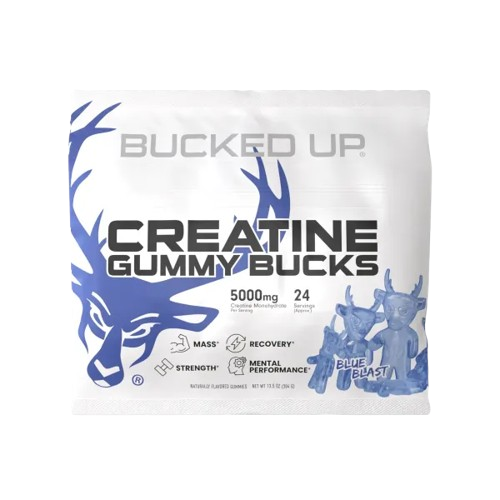
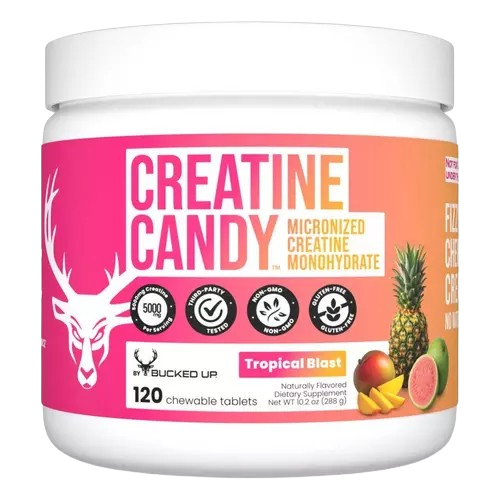
Creatine Gummies and Creatine Candy from Bucked Up provide portable 5g servings that fit easily into busy days. These formats can help you stay consistent with your daily dose, even when you are away from your shaker bottle.
Six Point Creatine uses six different creatine forms, including 2,500mg creatine monohydrate and 1,250mg creatine gluconate, and is formulated to support varied absorption profiles and training demands.1

Bucked Up creatine products follow strict quality standards, including high purity levels, NSF and GMP certifications, and clear labels without proprietary blends. Explore Bucked Up’s creatine lineup and choose the format that fits your training and lifestyle.
What Affects Creatine Absorption Speed and Common Myths
Several personal factors influence how quickly your muscles absorb and store creatine. People who follow plant-based diets often start with lower baseline muscle creatine levels, so they may experience a more noticeable change as stores rise. Regular physical activity, especially training sessions that increase blood flow to working muscles, can support creatine transport into muscle cells.
Many lifters assume micronized creatine works dramatically faster than standard creatine monohydrate. In reality, micronized forms mainly improve solubility and comfort, while the body’s creatine transporters still control how quickly muscles can absorb creatine.
Hydration ties these factors together, because adequate water intake supports normal cellular function and helps your body handle higher creatine levels. Many active adults do well with the intake range mentioned earlier. Continuous daily dosing, including on rest days, keeps muscle stores elevated, so cycling on and off creatine is usually unnecessary for healthy users.
This steady approach can also ease common concerns about bloating, especially for women. High-quality micronized products, such as Bucked Up creatine, mix more smoothly and can reduce digestive discomfort for many people.
As your muscles move toward saturation during the first couple of weeks, you may notice early signs of effectiveness such as less fatigue during hard sets and faster recovery between workouts.1
Frequently Asked Questions About Micronized Creatine Absorption
How fast do muscles absorb micronized creatine monohydrate benefits?
Micronized creatine monohydrate enters the bloodstream quickly, with peak plasma levels usually reached within 1-2 hours after a dose. Full muscle saturation often takes about 5-7 days with a loading protocol or roughly 3-4 weeks with a steady maintenance dose. The micronized form improves solubility and may support slightly faster initial absorption compared to regular creatine monohydrate, while the overall saturation timeline stays similar.1
How long does creatine take to kick in for noticeable effects?
Most people start to feel changes such as better workout volume and less fatigue within about 1-2 weeks of consistent use. During a loading phase, strength gains of roughly 5-15% can appear within the first week.1 With maintenance-only dosing, these benefits usually show up after about 2-3 weeks, once muscle creatine levels climb closer to saturation.
What is the optimal creatine loading phase timeline?
A common loading protocol uses 20-25 grams of creatine per day, split into 4-5 servings of around 5 grams, for 5-7 days. This schedule helps saturate skeletal muscle creatine stores more quickly. After that period, a daily maintenance dose of 3-5 grams typically keeps levels elevated.
When is the best time to take creatine for absorption?
Many athletes take creatine after workouts with a carb-containing meal or shake to support uptake through insulin-related transport. Timing, however, matters less than taking creatine every day. You can use creatine at any time, including in the evening, because it does not contain stimulants. The main goal is consistent daily intake to maintain muscle saturation.
How long does creatine take to work on brain function?
Cognitive effects from creatine usually begin within 1-2 weeks of regular use, often showing up as better short-term memory or mental energy. Over about 4-6 weeks, as brain creatine stores stabilize, users may notice more complete benefits such as improved reasoning and sustained focus.1
How quickly does creatine make muscles look bigger?
Visible muscle changes from creatine often appear within 2-4 weeks when supplementation is paired with resistance training. Many people see an early weight increase of about 2-4 pounds from higher muscle water content within the first 1-2 weeks, followed by gradual muscle tissue growth as training and creatine work together.1
Conclusion: Build a Consistent Creatine Routine with Bucked Up
Knowing how fast muscles absorb micronized creatine monohydrate helps you plan your training and supplementation. Creatine moves into the blood within a couple of hours, while full muscle saturation usually takes about a week with loading or several weeks with a steady maintenance dose. Strength and performance changes often appear in the first 1-2 weeks, and cognitive benefits can continue to build over 4-6 weeks.
Consistency remains the key factor for getting the most from creatine. Bucked Up’s creatine lineup, including Pure Creatine, Creatine Gummies, Creatine Candy, and Six Point Creatine, offers several ways to keep your daily intake on track and support muscle saturation.
The main advantage of micronized creatine lies in smoother mixing, better solubility, and reduced digestive discomfort for many users, rather than a dramatic change in absorption speed. Bucked Up formulations draw on NSF certification, high purity standards, and transparent labeling to support athletes and health-focused individuals who want reliable performance support.
1 The content provided in this article is for informational purposes only and is not medical advice. Consult with a medical professional before implementing any changes to your diet, health, or exercise routines.
Individual results will vary and are based on a combination of each individual’s diet, exercise, age, and health circumstances.
These statements have not been evaluated by the Food and Drug Administration. This product is not intended to diagnose, treat, cure or prevent any disease.
This article was written by Ryan Gardner, CEO of Bucked Up. As the maker of Bucked Up Creatine, we have a financial interest in this information. The views expressed are our own and should be read with that context in mind