Written by: Ryan Gardner, Owner, Managing Partner, CEO, Bucked Up | Last updated: April 22, 2026
Key Takeaways on Slow Release Caffeine for Training
- Slow release caffeine uses microencapsulation for gradual absorption over 6–8 hours, which supports steady energy with fewer jitters or crashes.1
- It can extend endurance, support fasted training, and help caffeine-sensitive individuals use pre-workouts more comfortably.1
- Compared to regular caffeine, slow release offers a longer 6–8 hour effect window with fewer sharp peaks, which suits prolonged training blocks.1
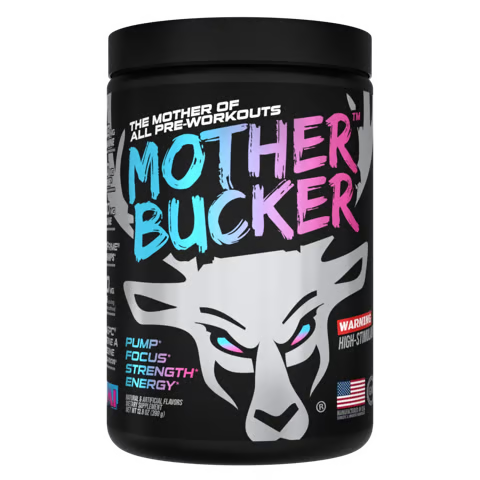
- Bucked Up Mother Bucker combines 400mg caffeine (300mg anhydrous + 100mg microencapsulated) with Beta-Alanine, Nitrosigine, and L-Citrulline for broad performance support.1
- You can experience more stable energy by trying Bucked Up pre-workouts that match your personal caffeine tolerance.1
How Slow Release Caffeine Works in Your Body
Slow release caffeine uses microencapsulation technology to delay absorption in your digestive system. Regular caffeine typically reaches your bloodstream within 15–30 minutes, while microencapsulated caffeine sits inside a protective coating that breaks down gradually over 6–8 hours.
This design supports sustained plasma caffeine levels instead of the sharp peaks and valleys associated with immediate-release forms.1 The coating slows breakdown in the stomach, which allows controlled release and helps maintain more consistent energy during longer training sessions.1
For fitness, this often means steadier energy across a full gym session without the mid-workout fade that can compromise performance.1 Recent research indicates caffeine can support endurance capacity when used appropriately, so a sustained delivery format can be especially useful for extended training.1
Key Benefits of Slow Release Caffeine for Training
Slow release caffeine can support workout performance and daily energy in several connected ways.1
1. Steady Energy Without Jitters: The gradual release helps reduce the anxiety and shakiness that can appear with high-dose immediate caffeine.1 Enhanced focus benefits can show up without the overstimulation that sometimes disrupts lifting form or technique.1
2. Extended Endurance: Sustained caffeine levels can support longer workout sessions, especially when training runs past the typical 2–4 hour window of regular caffeine.1 This extended effect can help you maintain effort during long lifting days, conditioning blocks, or two-a-day schedules.
3. Fasting-Friendly Support: Beyond performance, the gentler release can reduce stomach irritation for some people.1 That quality makes slow release caffeine a practical option for morning workouts or intermittent fasting protocols where immediate-release caffeine might feel harsh on an empty stomach.
4. Performance Support With Other Ingredients: The sustained energy becomes more useful when paired with performance ingredients such as L-Citrulline. This type of stack can support consistent performance, pump, and focus throughout a training session instead of only at the start.1
5. More Manageable for Caffeine-Sensitive Users: For people who usually avoid high-stim pre-workouts, the controlled release can feel more manageable. The slower rise in caffeine levels may allow caffeine-sensitive individuals to experience alertness and focus with fewer overwhelming side effects.1
Is Slow Release Caffeine Better Than Regular?
Slow release and regular caffeine each fit different goals and tolerance levels.
| Aspect | Slow Release Caffeine | Regular Caffeine |
|---|---|---|
| Onset | 30–60 minutes, gradual | About 15–30 minutes |
| Duration | 6–8 hours, more steady | About 2–4 hours |
| Jitters / Crash | Often reduced | More likely in sensitive users |
For workout applications, slow release caffeine supports energy across a 6–8 hour window instead of a shorter spike.1 This longer effect can help during extended training sessions or days when you need consistent energy from morning through evening.
Slow Release Caffeine Products for Workouts
Slow release caffeine products vary widely, so matching a formula to your training style matters. When you compare options, look at your tolerance level, ingredient transparency, taste, and dosing flexibility.
The table below compares four products across caffeine delivery, supporting ingredients, and typical use cases. Use it to align a slow release option with your workout intensity, schedule, and budget.
| Product | Caffeine Dose / Type | Key Supporting Ingredients | Best For / Price Range |
|---|---|---|---|
| Bucked Up Mother Bucker | 400mg (300mg anhydrous + 100mg microencapsulated) | Beta-Alanine 6.4g, Nitrosigine, L-Citrulline 4g | Advanced workouts / $50–60 |
| Genius Caffeine | 100mg microencapsulated | None | General use / $16.99 |
| NOW Foods Extended Release | Extended release caffeine | Vitamins | Daily energy |
| VALI Time Release | 100mg delayed | L-Theanine | Focus / $18.99 |
Mother Bucker uses a comprehensive formula that combines immediate and delayed caffeine with performance-supporting ingredients such as Beta-Alanine and Nitrosigine.1
Bucked Up Mother Bucker: Dual Caffeine for Long Sessions
Mother Bucker uses a dual-caffeine approach that supports both quick activation and sustained energy for longer training blocks. The immediate component helps you feel ready to train, while the microencapsulated portion continues to release during your session.
The formula also includes 6.4g Beta-Alanine, Nitrosigine, and 4g L-Citrulline. These ingredients support endurance, pump, and blood flow, which can complement the extended caffeine effect.1
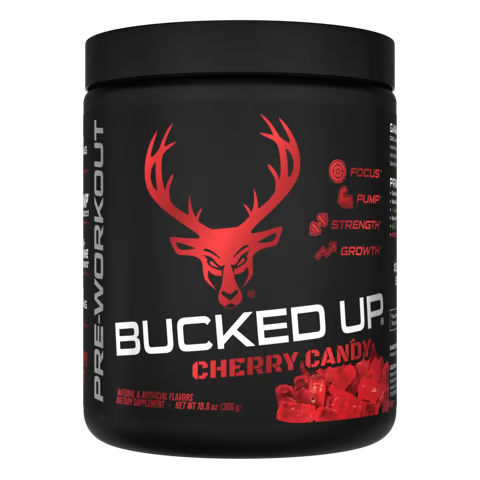
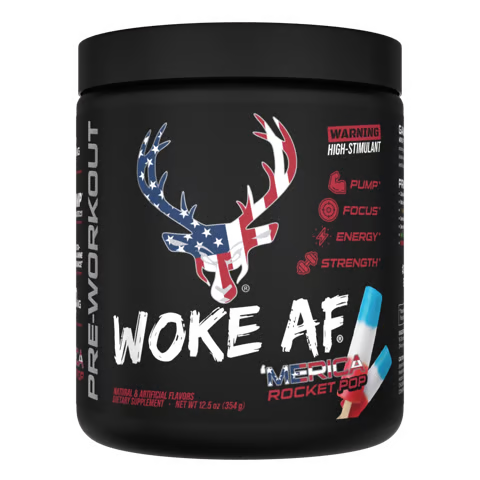
The product fits within Bucked Up’s broader lineup. You can pair it with standard Bucked Up (200mg) if you prefer a lower-stim option on lighter days, or choose Woke AF (333mg) if you sit between beginner and advanced stimulant use. All of these products use transparent labeling without proprietary blends, so you can see exact ingredient amounts.
Ready to experience sustained workout energy? Try Bucked Up’s slow release formulas.
Safety Guidelines and Who Slow Release Caffeine Fits
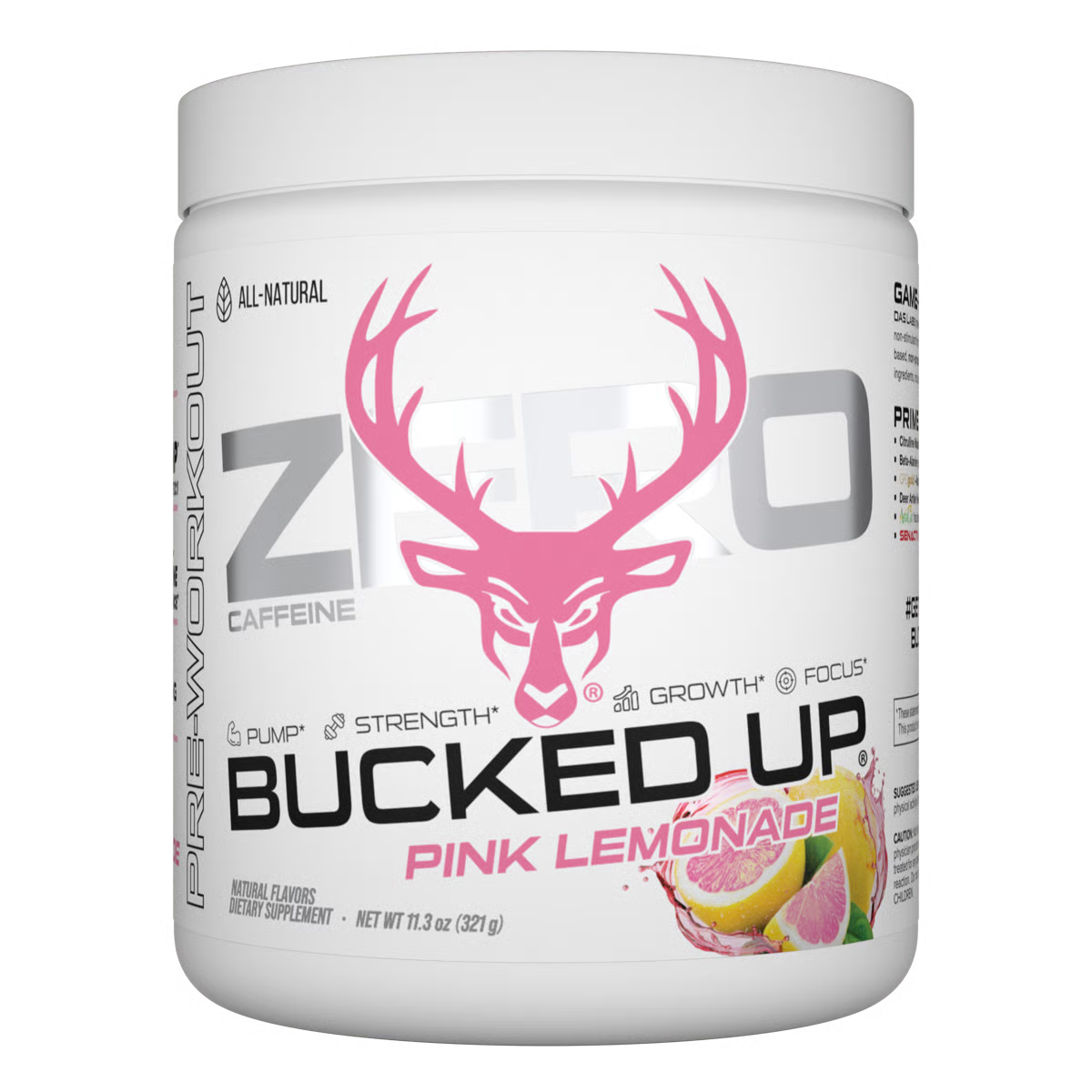
Slow release caffeine can suit many healthy adults, yet individual tolerance varies a lot. Caffeine-sensitive individuals can start with lower doses such as Bucked Up’s standard formula (200mg) and then adjust only after they understand their response.
Fast metabolizers may need higher doses to feel noticeable effects, while slow metabolizers should stay cautious with any caffeine supplement. Pregnant and nursing women should avoid caffeine supplements.
Talk with a healthcare provider before use, especially if you have cardiovascular conditions or take medications. Bucked Up’s range covers different tolerance levels, including stimulant-free options for people who want to avoid caffeine entirely.
Conclusion: Using Slow Release Caffeine for Steady Training Energy
Slow release caffeine can reshape workout energy by supporting steadier levels with fewer crashes or jitters.1 Mother Bucker’s formula applies this approach and pairs it with performance-focused ingredients to support energy, focus, and endurance in one pre-workout.1
Ditch energy crashes and experience more consistent workout power. Find your caffeine level at buckedup.com.
Frequently Asked Questions
Is slow release caffeine better than regular caffeine?
For situations that call for steady energy, slow release caffeine can provide 6–8 hours of more stable support. Regular caffeine often peaks and fades within about 2–4 hours, which can feel less helpful for long workouts, studying, or full workdays. The gradual release from slow release formats can also reduce jitters and anxiety in some people compared to immediate-release caffeine.
What is delayed release caffeine?
Delayed release caffeine uses microencapsulation technology to control when absorption occurs. A protective coating surrounds the caffeine particles and breaks down gradually in your digestive system, which releases caffeine over about 6–8 hours instead of all at once. This pattern supports more stable plasma levels instead of the sharp rise and drop seen with regular caffeine.
Are slow release caffeine pills good for workouts?
Slow release caffeine pills can help workouts by reducing mid-session energy crashes.1 Pre-workout formulas such as Mother Bucker add another layer by combining slow release caffeine with ingredients like Beta-Alanine, Nitrosigine, and L-Citrulline. This type of formula supports energy, focus, pump, and endurance at the same time instead of relying on caffeine alone.1
Is slow release caffeine better for intermittent fasting?
Slow release caffeine often works well with intermittent fasting protocols. The gradual release can feel gentler on an empty stomach than some immediate-release options. The sustained energy may also help you maintain focus and alertness during fasting windows without sharp crashes that could trigger hunger or cravings.
How much slow release caffeine should I take for workouts?
The right dose depends on your caffeine tolerance, body weight in lbs, and experience level. Many beginners start around 100–200mg, while more experienced users may choose 300–400mg. Mother Bucker’s higher total caffeine content suits advanced users who already handle strong stimulants, while Bucked Up’s 200mg formula often fits beginners. Always assess your tolerance before you increase any caffeine dose.
1 The content provided in this article is for informational purposes only and is not medical advice. Consult with a medical professional before implementing any changes to your diet, health, or exercise routines.
Individual results will vary and are based on a combination of each individual’s diet, exercise, age, and health circumstances.
These statements have not been evaluated by the Food and Drug Administration. This product is not intended to diagnose, treat, cure or prevent any disease.
This article was written by Ryan Gardner, CEO of Bucked Up. As the maker of Bucked Up pre-workout, we have a financial interest in this information. The views expressed are our own and should be read with that context in mind.