Written by: Ryan Gardner, Owner, Managing Partner, CEO, Bucked Up | Last updated: April 17, 2026
Key Takeaways
- Creatine monohydrate is FDA GRAS-approved, with decades of research confirming safety at 3–5g daily doses for most adults.1
- Side effects like GI distress occur in only 5.5% of users, similar to placebo, and remain dose-dependent, so smaller split servings help.1
- Alternatives like HCl, ethyl ester, and buffered creatine lack extensive long-term safety data and do not show superior efficacy over monohydrate.1
- Research shows no kidney damage even at higher doses up to 20g daily for years, although anyone with kidney issues should talk with a doctor first.1
- Bucked Up offers NSF-certified creatine in multiple forms like monohydrate powder, HCl capsules, and gummies for safety and convenience—explore the full range to find your ideal format.
Creatine Monohydrate Safety Profile Backed by Long-Term Research
Creatine monohydrate supplementation at recommended daily doses shows no adverse effects on kidney function, with over 25 years of research confirming its safety profile1. A 2025 meta-analysis of 685 clinical trials involving over 26,000 participants found adverse side effects in only 4.6% of creatine users versus 4.2% in placebo users, which shows that side effects remain uncommon and not clinically significant.1
The most frequently reported side effect, gastrointestinal discomfort, occurs at rates nearly identical to placebo (as noted in the key takeaways above). These effects are dose-dependent and decrease when servings stay at 5g or less1. Splitting your daily intake into two or more smaller servings can further reduce the chance of stomach upset.1
The table below compares the incidence rates of common side effects between creatine users and placebo groups, showing that creatine’s side effect profile closely matches placebo.
| Side Effect | Creatine Incidence | Placebo Incidence | Source |
|---|---|---|---|
| GI Distress | 5.5% | 4.1% | 2025 Meta-analysis |
| Bloating (loading) | Dose-dependent (>10g) | Similar | Longobardi 2025 |
| Kidney Function (GFR) | No change | No change | Kabiri 2025 |
How Other Creatine Types Compare on Safety and Side Effects
Alternative creatine forms often promise superior benefits, yet they lack the extensive safety data that supports monohydrate. Creatine HCl frequently appears in marketing for its claimed better solubility and reduced bloating, although research has not found evidence that creatine HCl produces superior muscle loading or performance outcomes compared to monohydrate when dosed effectively1.
Creatine ethyl ester degrades rapidly into creatinine in the gastrointestinal tract, which makes it less effective than monohydrate1. Buffered forms like Kre-Alkalyn show no advantages over monohydrate in controlled studies, especially when users follow similar daily dosing.1
The following table compares key safety and efficacy metrics across creatine types so you can see why monohydrate remains the most consistently supported option in the research.
| Type | Absorption/Efficacy | Common Sides | Long-Term Data |
|---|---|---|---|
| Monohydrate | Well-researched | Mild GI (5.5%) | 5+ years safe |
| HCl | Similar solubility | Reduced bloating claims | Limited |
| Ethyl Ester | Inferior (degrades) | GI issues | None superior |
| Buffered | No edge over monohydrate | Similar to mono | Sparse |
Creatine HCl vs Monohydrate: Side Effects Breakdown
Both creatine HCl and monohydrate show similar side effect profiles when users follow appropriate daily doses.1 Creatine HCl manufacturers often highlight reduced bloating due to better solubility, yet gastrointestinal side effects are primarily dose-dependent rather than form-dependent.1 At equivalent doses, both forms produce GI discomfort in a small percentage of users, and the rates remain close to placebo.
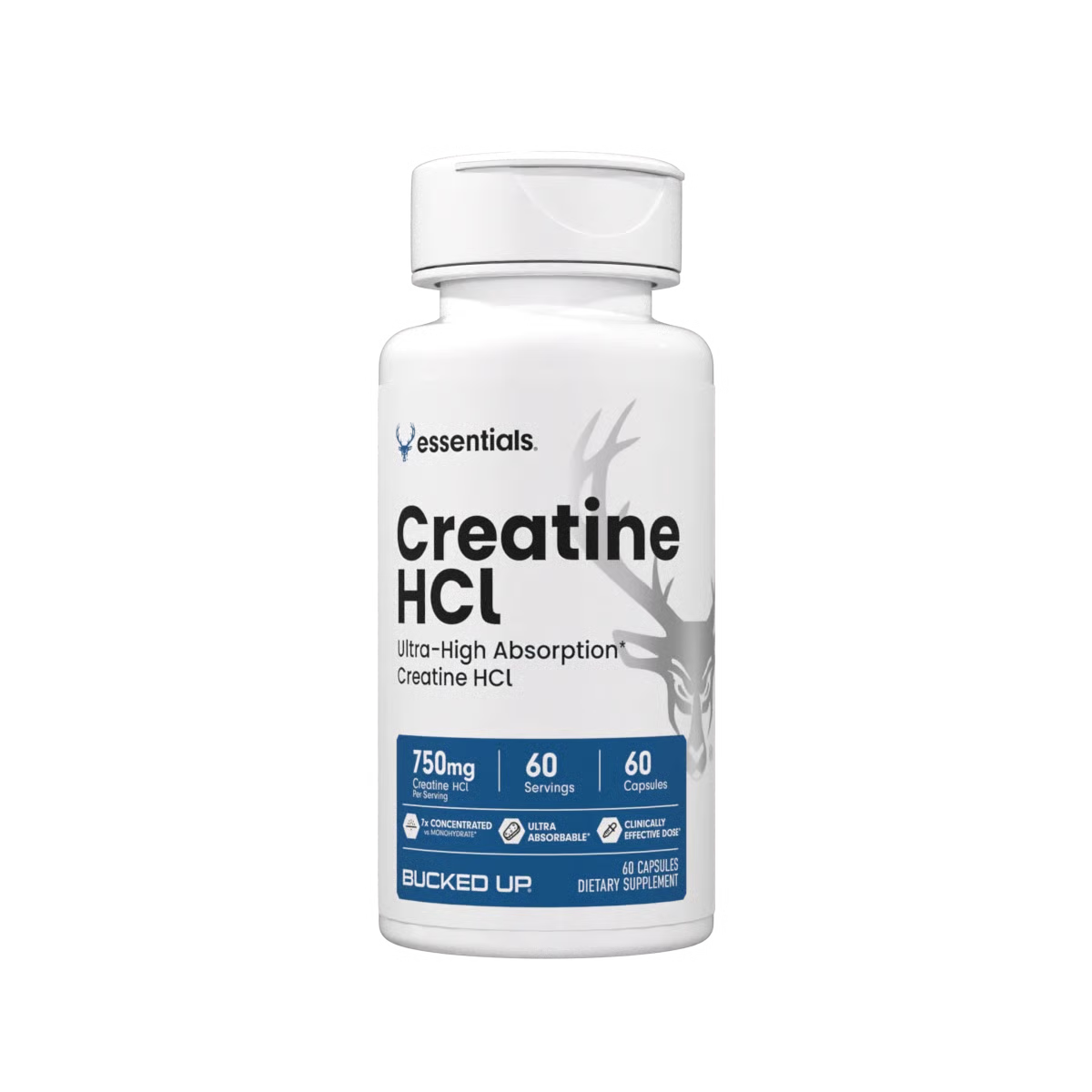
This pattern means that micronized monohydrate offers similar solubility benefits at a fraction of the cost, so dose size matters more than creatine form for side effects.1 For people who still prefer HCl or want very precise dose control, Bucked Up’s CON-CRĒT HCl capsules provide 750mg per serving and remove the need for mixing while keeping things convenient. Because each capsule contains a pre-measured amount, users can avoid the bloating that sometimes appears with larger single powder servings.
Addressing Common Concerns About the Safest Creatine Type
Creatine monohydrate is supported by extensive research, and studies report safety even at the higher doses mentioned earlier, up to 20 grams daily for as long as five years1. Research in groups such as athletes, postmenopausal women, and people with diabetes also supports safety at standard daily doses.
People with known kidney conditions should speak with a healthcare provider before starting creatine, even though studies in clinical populations show creatine is generally well-tolerated. A simple conversation with a doctor can confirm whether creatine fits your specific health situation.
Why Bucked Up Creatine Products Focus on Safety and Convenience
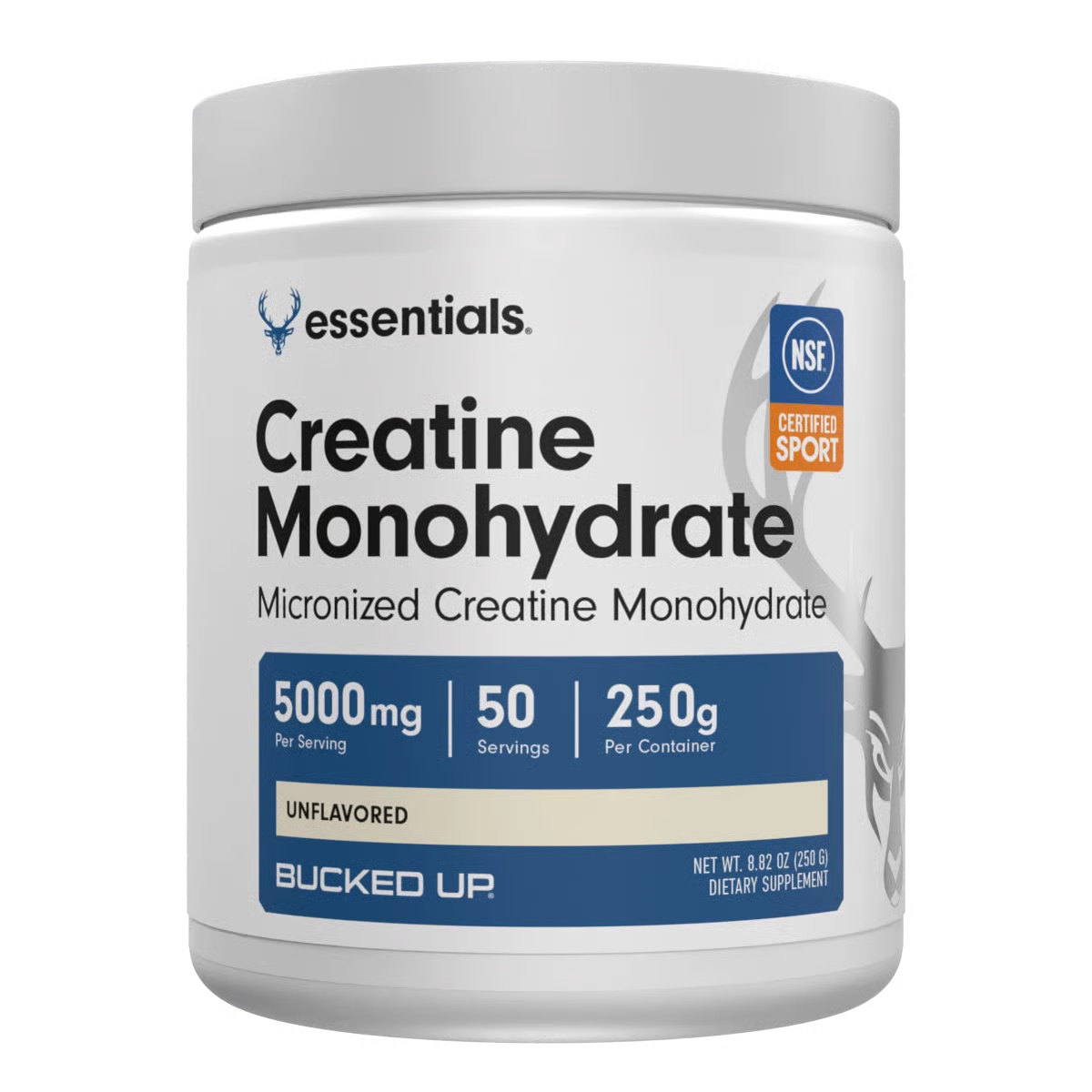
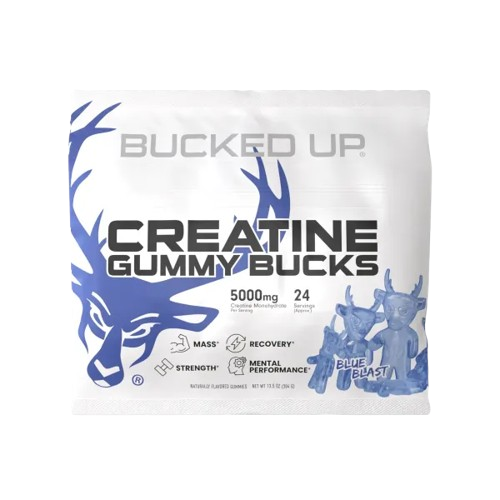
Bucked Up’s creatine line covers a wide range of preferences while keeping safety standards front and center. All products carry NSF or GMP certification, which helps verify purity and potency. The lineup includes Pure Creatine Monohydrate for traditional powder users, HCl capsules for people who feel sensitive to larger servings, and gummies or candy for those who want grab-and-go convenience.
The product comparison table below highlights safety certifications, typical side effects, and best use cases so you can quickly match a format to your routine.
| Product | Safety Cert | Sides | Form/Use-Case |
|---|---|---|---|
| Pure Monohydrate | NSF | Minimal | Powder (athletes) |
| HCl Capsules | GMP | Claims of reduced bloating | Sensitive/daily |
| Gummies/Candy | NSF Sport | None reported | Portable/busy |
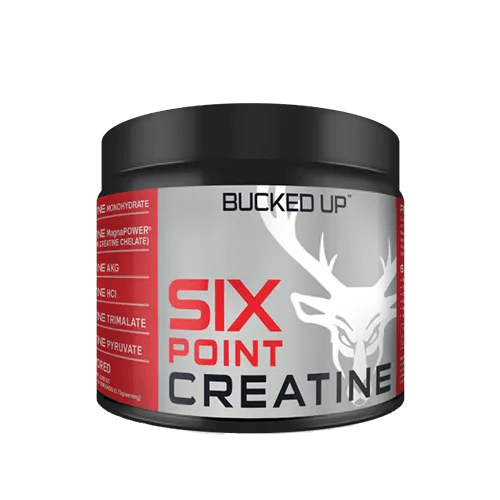
| Six Point Blend | NSF | Low | Enhanced absorption |
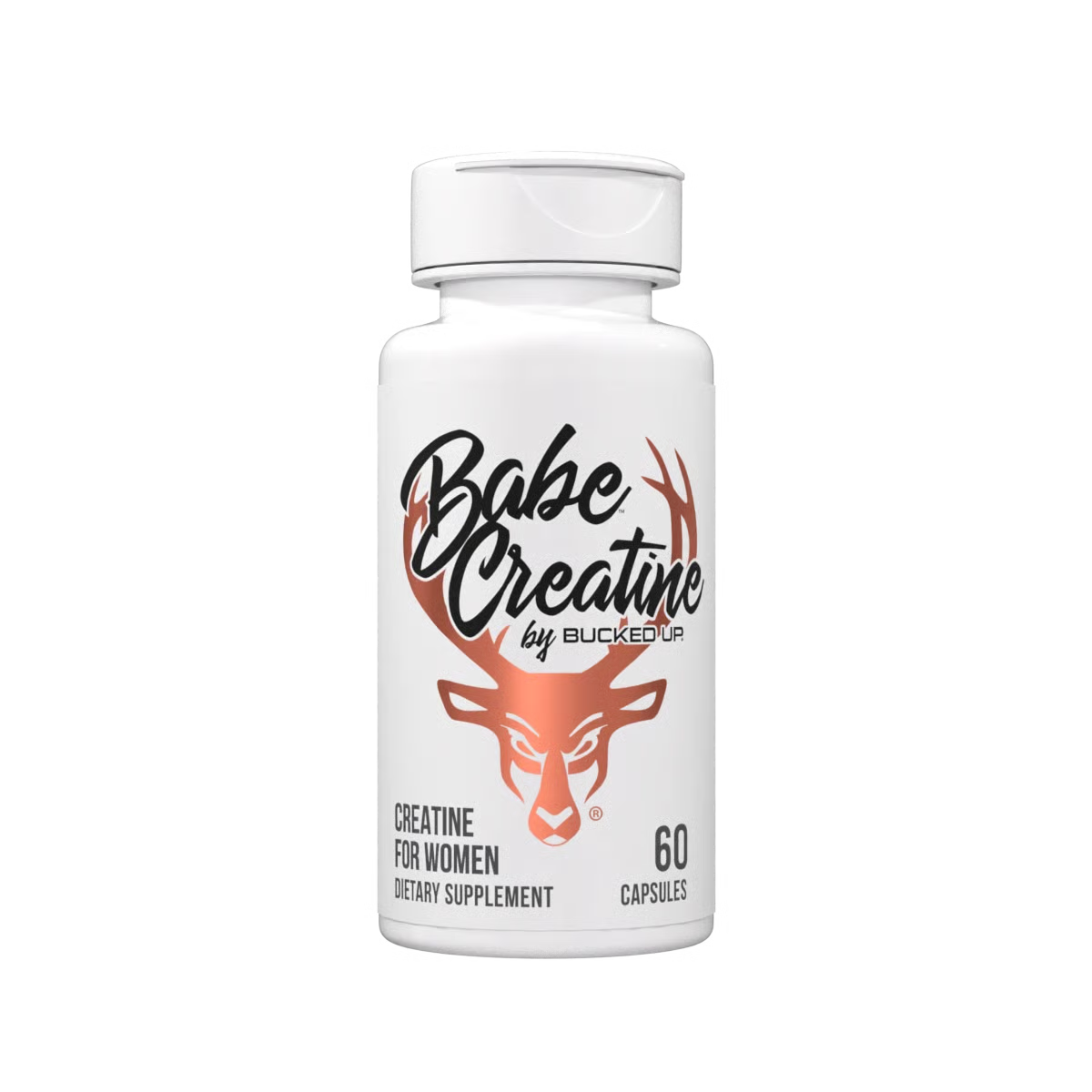
The Six Point Creatine blend combines six different creatine types for varied absorption rates1, while Babe Creatine focuses on women who feel concerned about water retention and bloating. Browse the complete lineup to match your specific needs and preferences.
Practical Usage Tips for Fewer Side Effects
Following the 3–5g daily recommendation established earlier supports results while keeping side effects low, and pairing creatine with adequate hydration around 80–100oz of water per day helps even more.1 Splitting servings so each one stays at 5g or less further reduces gastrointestinal effects1. Timing stays flexible, so you can take creatine with meals, after workouts, or at any other consistent time that fits your schedule.
This flexibility means you can choose the product format that fits your lifestyle and comfort level. Athletes who prioritize research-backed performance may prefer Pure Creatine Monohydrate’s long track record, while women who worry about water retention may gravitate toward Babe Creatine HCl for its bloating-conscious profile. If convenience matters most, busy professionals can rely on gummies or candy for consistent daily intake without any mixing or prep.
FAQ
Is creatine monohydrate safe?
Creatine monohydrate is considered safe for most adults when used as directed. The FDA recognizes it as Generally Recognized as Safe (GRAS), and decades of research show no kidney or liver damage at recommended doses of 3–5g daily.1 Studies lasting up to five years report consistent safety across groups such as athletes, older adults, and various clinical populations.
What are creatine side effects for females?
Creatine side effects in females remain minimal and mirror those seen in males.1 The most common concern involves temporary water retention, which occurs inside muscle cells and supports performance rather than causing true bloating. Bucked Up’s Babe Creatine HCl aims to address common female concerns about puffiness while still supporting strength and recovery without sacrificing aesthetics.1
How much creatine is safe for kidneys?
Standard daily servings of 3–5g appear safe for kidney function in people without kidney disease.1 Research also demonstrates no kidney damage even at higher doses up to 20g daily for extended periods1, as referenced earlier in this article. The temporary rise in serum creatinine reflects normal creatine metabolism rather than kidney impairment, while more specific markers like cystatin C stay stable.1
What type of creatine is safe?
Creatine monohydrate ranks among the most researched forms, with over 500 peer-reviewed studies confirming its safety profile1. Alternatives such as HCl and buffered forms can offer different formats, yet they lack the same depth of long-term safety data that supports monohydrate. Choosing products from reputable manufacturers that use third-party testing provides an extra layer of safety.
Are capsules better than powder for reducing side effects?
Capsules can help reduce gastrointestinal side effects for some users by providing precise dosing and avoiding the large single servings that sometimes happen with scooped powder.1 Bucked Up’s HCl capsules offer 750mg per serving, which allows more granular control over total daily intake while sidestepping mixing and taste concerns that come with powders.
Conclusion
Creatine monohydrate carries decades of research support and regulatory recognition, while newer forms mainly offer alternative formats rather than proven safety advantages. Bucked Up’s certified product range gives you access to this well-studied supplement in powders, capsules, and chewable options without sacrificing quality or safety. Ready to experience the benefits backed by long-term research?1 Find your preferred creatine format in Bucked Up’s certified product line.
1 The content provided in this article is for informational purposes only and is not medical advice. Consult with a medical professional before implementing any changes to your diet, health, or exercise routines.
Individual results will vary and are based on a combination of each individual’s diet, exercise, age, and health circumstances.
These statements have not been evaluated by the Food and Drug Administration. This product is not intended to diagnose, treat, cure or prevent any disease.
This article was written by Ryan Gardner, CEO of Bucked Up. As the maker of Bucked Up Creatine, we have a financial interest in this information. The views expressed are our own and should be read with that context in mind