Written by: Ryan Gardner, Owner, Managing Partner, CEO, Bucked Up | Last updated: April 17, 2026
Key Takeaways
- Creatine monohydrate is backed by over 1,000 studies as a gold-standard option for performance, safety, and efficacy.1
- Alternatives like HCl, Kre-Alkalyn, and ethyl ester have not shown superior absorption or results compared to monohydrate in head-to-head trials.1
- Bloating risks appear similar across creatine forms, and monohydrate bloating often improves with adjusted dosing and better hydration.1
- Monohydrate delivers strong value at about $0.05–$0.10 per 5g dose, while many alternatives cost several times more.
- Choose Bucked Up’s NSF-certified creatine products for science-backed options in monohydrate, HCl, blends, and convenient formats.
How This Guide Compares Popular Creatine Types
Creatine supplements appear in many forms, including monohydrate, hydrochloride (HCl), ethyl ester, Kre-Alkalyn (buffered), malate, gluconate, magnesium chelate, and proprietary blends. Each form often claims advantages such as better absorption, less bloating, or lower required doses. A fair comparison needs clear criteria, including scientific evidence for efficacy and safety, absorption, serving size, gastrointestinal tolerance, cost, and fit with training goals. These factors help clarify whether alternative forms justify higher prices and bold marketing claims when compared with well-studied monohydrate.
The Science Behind Creatine Monohydrate
Creatine monohydrate has an extensive research base that includes peer-reviewed studies, large randomized controlled trials, meta-analyses, and long-term safety assessments across diverse populations. A 2025 review by Longobardi et al. concludes that creatine monohydrate at 5–20 g/day is safe for most populations, with no evidence of renal dysfunction based on non-creatinine biomarkers1. Kreider et al.’s 2025 meta-analysis of 685 trials found no evidence of harm compared to placebo, including no differences in kidney or liver function markers1. Research consistently shows improvements in strength, power output, muscle mass, and cognitive performance.1 Micronized creatine improves solubility without changing efficacy, because both micronized and standard monohydrate contain the same creatine molecule and deliver similar performance outcomes.1
Head-to-Head: Monohydrate vs Other Types
With monohydrate’s research base established, the comparison below shows how other creatine forms stack up for efficacy, bloating risk, and cost.
| Creatine Type | Efficacy Evidence | Bloating Risk | Cost Per Effective Dose |
|---|---|---|---|
| Monohydrate | Significant strength and performance improvements1 | Similar to placebo | $0.05-$0.10 per 5g |
| HCl | Similar to monohydrate | Lower reported incidence | $0.45-$0.75 per 1.5g |
| Kre-Alkalyn | No differences vs monohydrate | No differences vs monohydrate | Higher than monohydrate |
| Ethyl Ester | Less effective than monohydrate | Similar to monohydrate | 2-4x monohydrate cost |
Creatine Monohydrate vs HCl
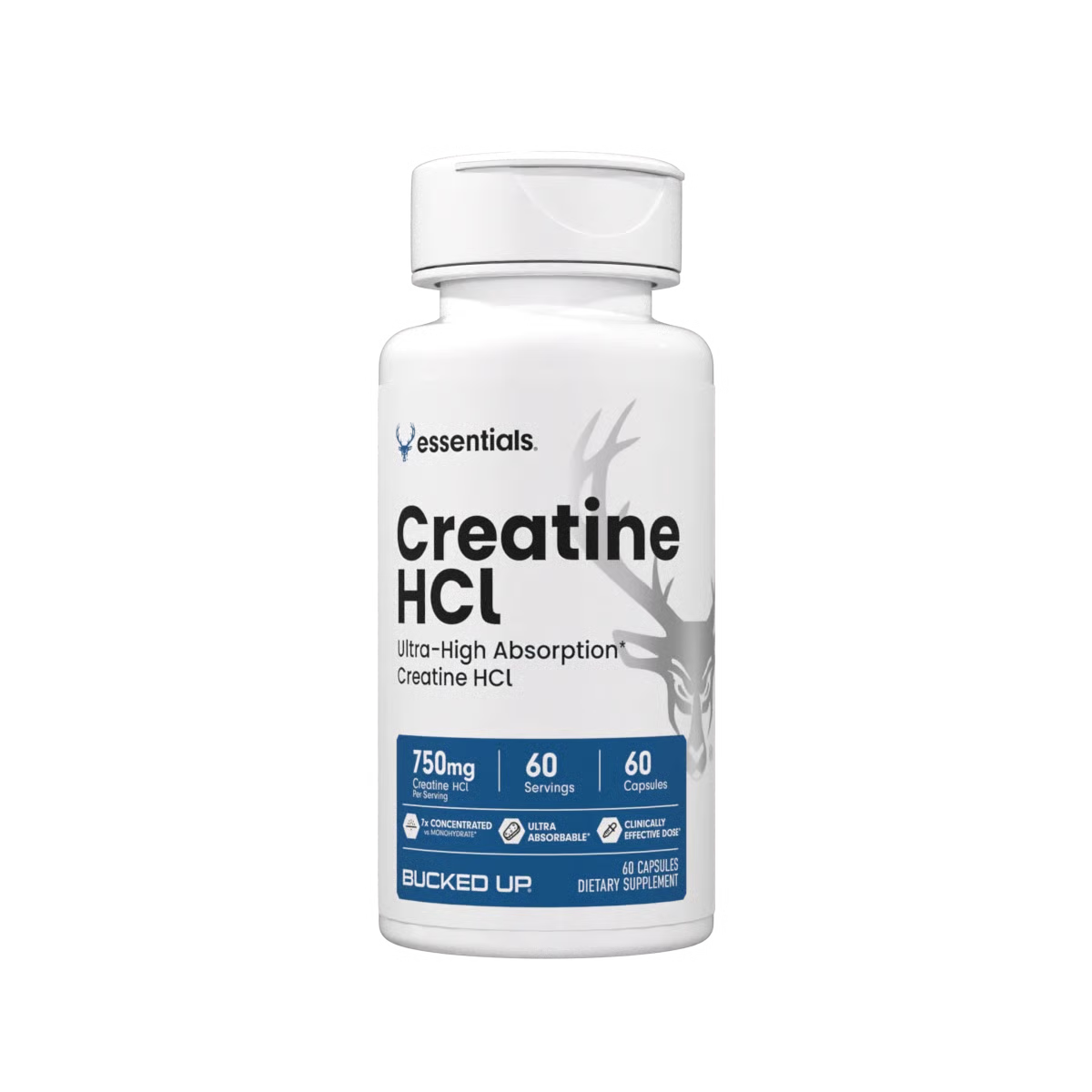
The creatine monohydrate vs HCl comparison shows similar performance outcomes despite strong marketing for HCl.1 A 2023 meta-analysis found no evidence that creatine HCl produces superior muscle creatine loading or performance outcomes compared to creatine monohydrate1. HCl dissolves more easily in water and may feel better for people who experience bloating with monohydrate.1 At the same time, creatine HCl costs 2–5 times more per serving than monohydrate. Bucked Up’s Creatine HCl capsules provide a convenient, low-dose option for those with digestive sensitivity, delivering 750mg of CON-CRĒT® per capsule without a loading phase.
Kre-Alkalyn vs Monohydrate
Kre-Alkalyn vs monohydrate research challenges claims about pH stability and superior performance. A 2012 study published in the Journal of the International Society of Sports Nutrition found no differences in muscle creatine content, strength gains, or side effects between buffered creatine and creatine monohydrate in trained athletes over 28 days.1 The theoretical pH advantage does not create measurable performance benefits. As a result, Kre-Alkalyn often becomes a higher-priced option without clear practical advantages over monohydrate.
Creatine Ethyl Ester Effectiveness
Creatine ethyl ester effectiveness studies show weaker results than monohydrate. A 2009 study found that creatine ethyl ester was significantly less effective than creatine monohydrate at raising serum and muscle creatine levels because it degrades rapidly into creatinine in the gastrointestinal tract.1 This breakdown limits muscle uptake and reduces performance benefits.1 Ethyl ester also tends to cost more than monohydrate, which creates a poor trade-off between price and results.
Magnesium Creatine Chelate vs Monohydrate
Magnesium creatine chelate vs monohydrate comparisons currently lack strong research support for superiority claims. Magnesium chelation may theoretically improve absorption, but controlled studies have not shown better muscle creatine loading or performance than standard monohydrate.1 Limited evidence suggests similar outcomes with a higher price tag, so monohydrate usually delivers comparable results at a lower cost.
When Other Creatine Forms or Blends Make Sense
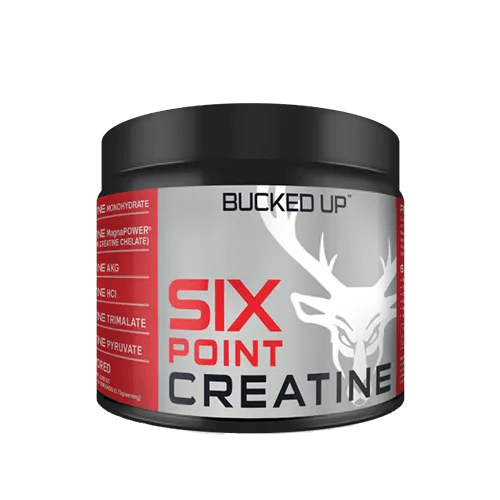
Alternative creatine forms can still fit specific needs even without outperforming monohydrate in research. Creatine HCl may work well for people with gastrointestinal sensitivity, because its higher solubility allows effective results at lower doses.1 Multi-form blends like Bucked Up’s Six Point Creatine combine 2,500mg creatine monohydrate with five additional forms, including HCl, gluconate, and malate, to provide varied absorption profiles for broad muscle saturation.1 These specialized products support individual tolerance and preference while keeping monohydrate as the core ingredient.
If you want creatine options tailored to sensitivity or blend preferences, explore Bucked Up’s specialized creatine formulas.
Bucked Up Creatine Lineup for Research-Based Results
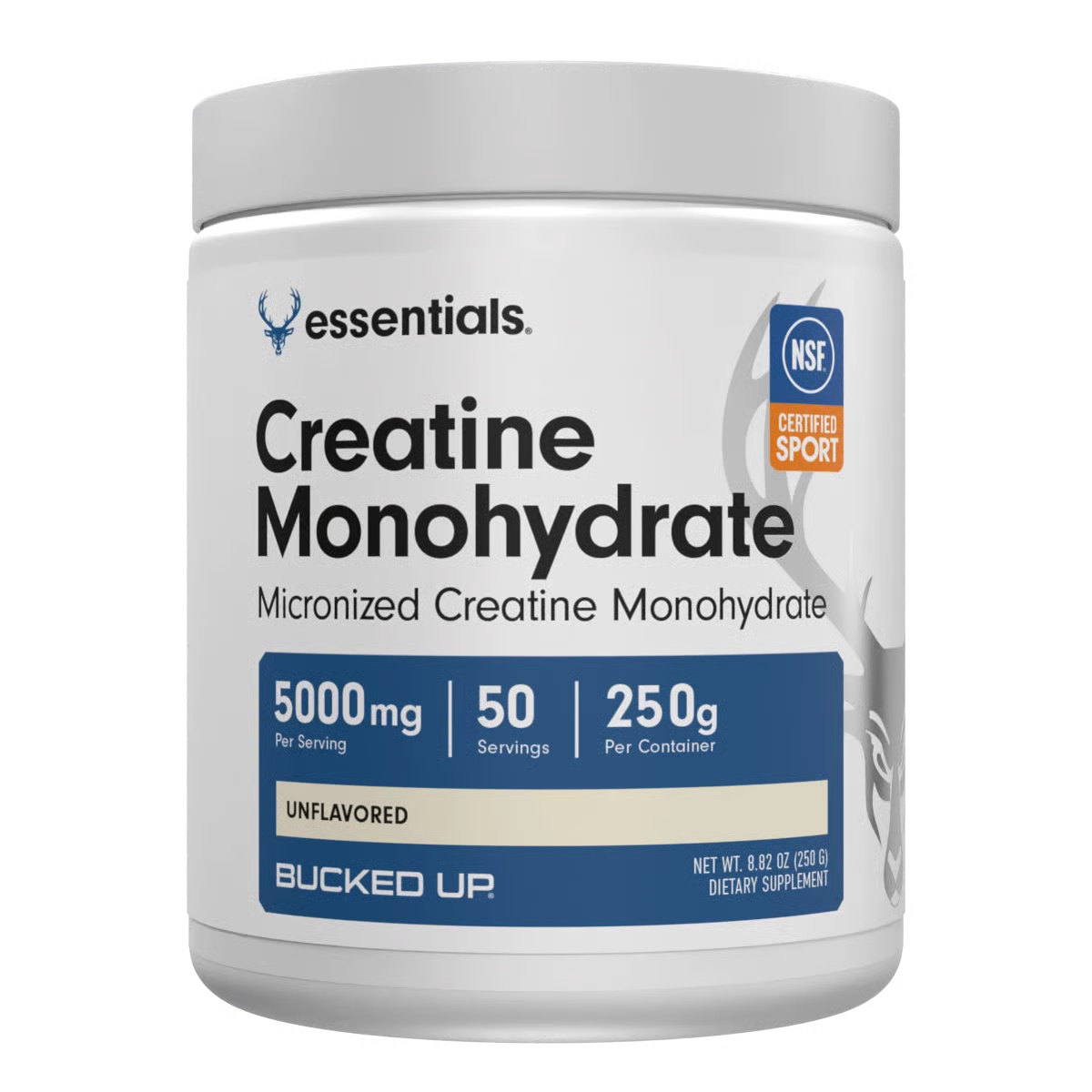
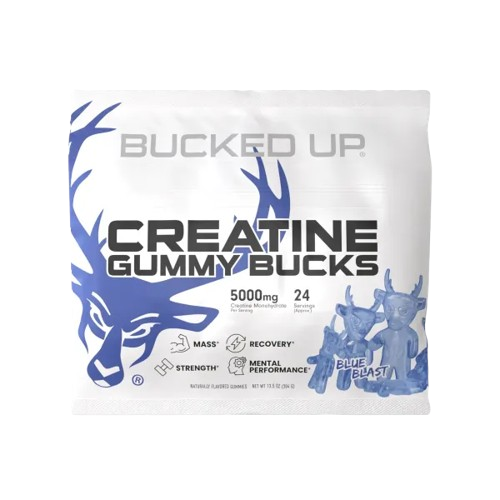
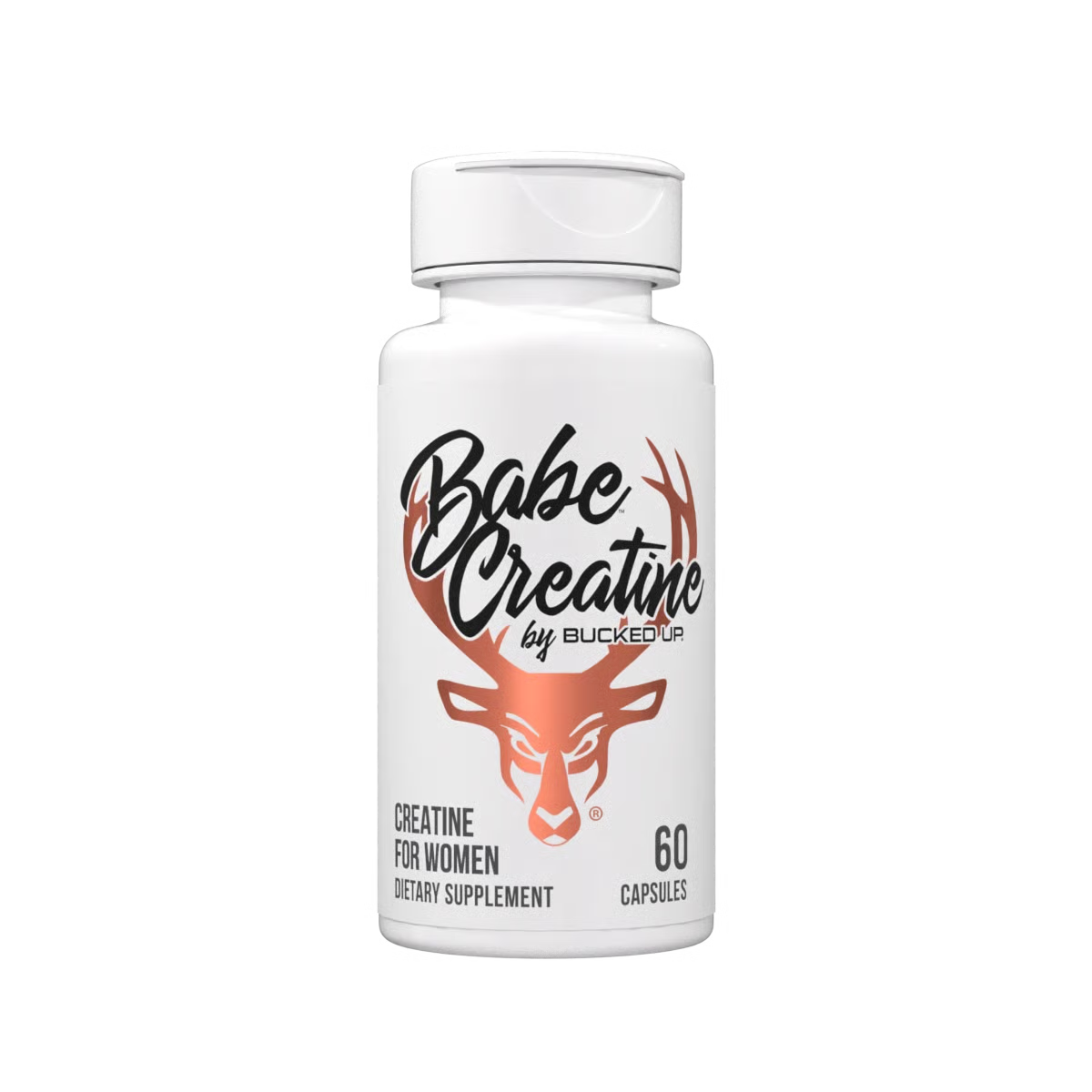
Bucked Up offers creatine products in several forms to match different goals and preferences. The foundation of the lineup is Pure Creatine Monohydrate, a micronized powder with 99.8% purity in flavors such as Blue Raspberry and Mango Pineapple, delivering 5g per serving with NSF certification. For users who struggle with bloating from standard powder, the product range extends to Creatine HCl and Babe Creatine capsules, which deliver the same CON-CRĒT® dosage mentioned earlier and remove loading phases and typical water-retention concerns. Six Point Creatine combines six creatine forms to support varied absorption timing, while Creatine Gummies and Creatine Candy offer portable, mix-free options for on-the-go use. All products undergo third-party testing and are manufactured in NSF and GMP certified facilities, supporting purity and potency that align with current research.
Practical Creatine Use and Safety
The recommended maintenance dose for creatine monohydrate is 3 to 5 grams per day after an optional loading phase, with consistent daily intake, including rest days, to keep muscles saturated. Adequate hydration supports creatine transport and can reduce potential side effects. Long-term safety studies spanning up to 14 years show no kidney or liver issues in healthy individuals, which supports creatine’s strong safety profile when used as directed.1
Frequently Asked Questions
What are the main differences between creatine forms?
Creatine monohydrate is the most researched form, with over 1,000 studies supporting its safety and efficacy.1 Alternative forms like HCl, Kre-Alkalyn, and ethyl ester often claim better absorption or fewer side effects, yet current evidence does not show clear superiority over monohydrate. HCl offers better solubility and may reduce bloating in sensitive individuals1, while buffered and ester forms have not demonstrated performance advantages despite higher prices. Monohydrate remains a reliable standard because of its research depth, consistent results, and relatively low cost.
Which creatine form is best for avoiding bloating?
Creatine HCl is frequently suggested for people who experience bloating with monohydrate, because its higher solubility may reduce gastrointestinal discomfort.1 Bloating from monohydrate often comes from large single doses above about 10 grams. Splitting monohydrate into smaller 5-gram servings across the day usually improves comfort.1 Capsule products like Bucked Up’s HCl or Babe Creatine allow precise dosing without mixing powder, which some users find easier on digestion.
Are creatine pills more effective than powder or gummies?
Creatine effectiveness depends on the type and amount of creatine, not the delivery format.1 Pills, powders, and gummies that contain the same creatine form and dose tend to provide similar results. Capsules offer convenience and accurate dosing without flavor concerns. Powders allow flexible dosing and quick mixing with drinks. Gummies improve taste and portability but may include extra ingredients. Bucked Up offers all three delivery methods so users can choose the format that fits their routine while keeping creatine quality consistent.
Should I take creatine on rest days?
Daily creatine intake, including rest days, helps maintain elevated muscle creatine saturation.1 Creatine increases phosphocreatine stores in muscle, and those stores decline when supplementation stops.1 Skipping rest days can gradually reduce creatine levels and may blunt performance benefits during later workouts.1 A steady daily intake of 3–5 grams keeps muscles ready for high-intensity exercise whenever training resumes.1
How much water should I drink with creatine supplementation?
Adequate hydration supports creatine’s role in drawing water into muscle cells for energy production.1 Aim for at least 8–12 ounces of water with each creatine serving, with total daily water intake around 80–100 ounces or more, depending on body weight in lbs and activity level. Proper hydration supports creatine transport to muscles, reduces the chance of side effects, and supports overall effectiveness.1 Dehydration can impair creatine uptake and may increase the likelihood of muscle cramps or digestive discomfort.1
For creatine products designed with hydration, absorption, and convenience in mind, view Bucked Up’s complete creatine lineup.
Conclusion
Current evidence strongly supports creatine monohydrate for its research depth, safety profile, performance benefits, and favorable cost.1 Specialized forms like HCl can help people with specific tolerance needs, yet no alternative has consistently shown better performance outcomes than monohydrate in controlled studies. Bucked Up’s creatine line offers research-aligned formulations across powders, capsules, gummies, and blends, so users can match format and form to their goals and preferences. To compare flavors, formats, and ingredient profiles side by side, browse Bucked Up’s creatine collection.
1 The content provided in this article is for informational purposes only and is not medical advice. Consult with a medical professional before implementing any changes to your diet, health, or exercise routines.
Individual results will vary and are based on a combination of each individual’s diet, exercise, age, and health circumstances.
These statements have not been evaluated by the Food and Drug Administration. This product is not intended to diagnose, treat, cure or prevent any disease.
This article was written by Ryan Gardner, CEO of Bucked Up. As the maker of Bucked Up Creatine, we have a financial interest in this information. The views expressed are our own and should be read with that context in mind