Last updated: April 16, 2026
Key Takeaways
- Mental fatigue from cognitive overload, poor sleep, and nutrient gaps can be addressed safely without harsh stimulants.
- Immediate relief comes from Pomodoro breaks, hydration, quick exercise, and breathing exercises that restore focus quickly.
- Long-term prevention relies on strong sleep habits, nutrient-rich eating with B-vitamins, and structured daily routines.
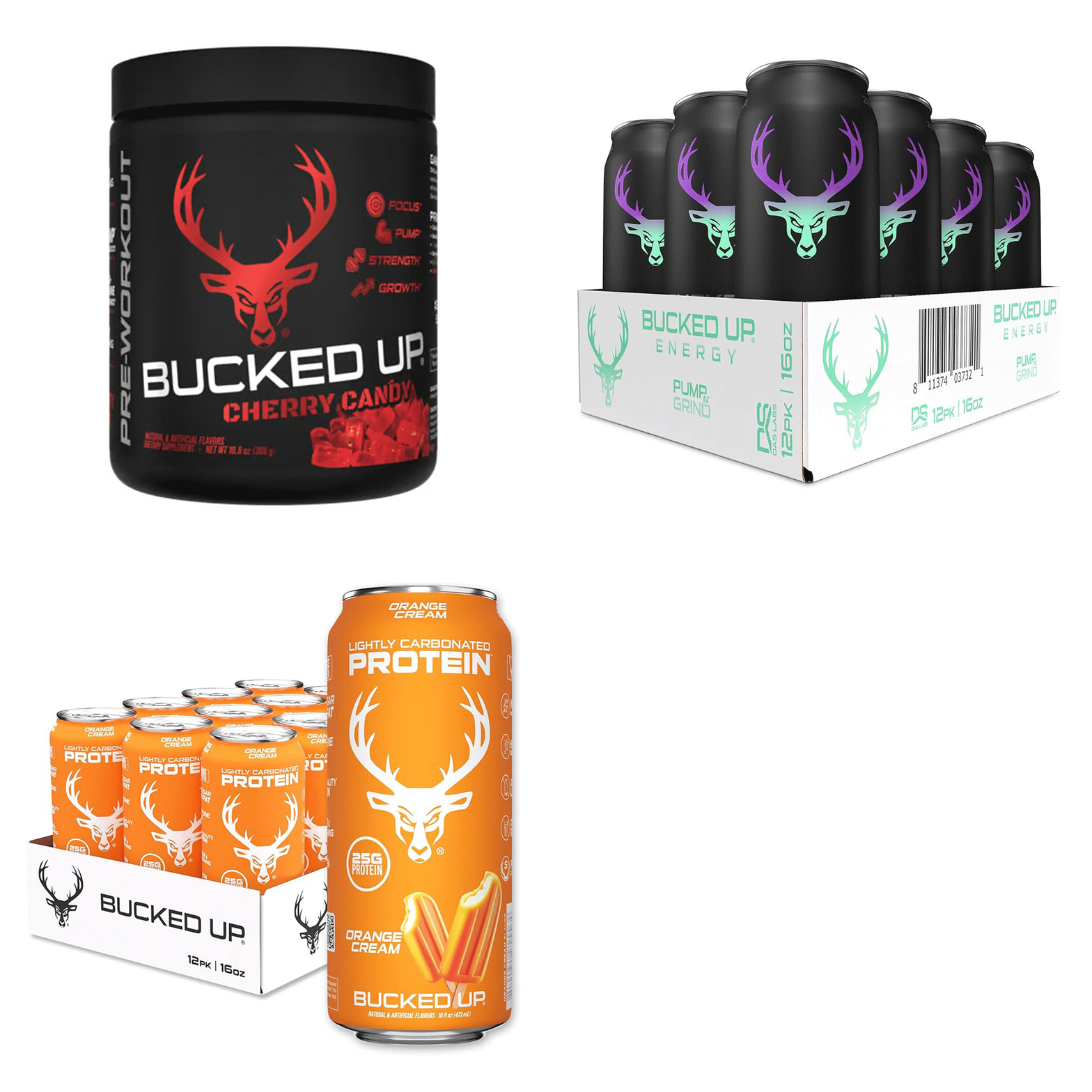
- Nootropic energy drinks like Bucked Up can support sustained focus with ingredients such as AlphaSize®, Dynamine™, and TeaCrine®.1
- Integrate Bucked Up Energy Drinks into your routine for steady mental clarity, and explore the full energy drink lineup to support productivity.1
Why Mental Fatigue Happens and Safer Ways to Handle It
Mental fatigue usually develops when several stressors stack together. Many social media users experience social media fatigue, and deficiencies in vitamins B12, D, and folate can mimic symptoms of depression including fatigue. Traditional energy drinks often create a cycle of jitters followed by crashes, which can leave you feeling more drained. Safer strategies focus on root causes and use ingredients like nootropics that support focus with fewer unwanted side effects.
Immediate Relief Strategies for Mental Fatigue
1. Pomodoro Breaks and Short Power Naps
Structured break intervals can restore mental energy quickly. One randomized controlled trial found that structured Pomodoro intervals led to lower levels of fatigue and distractedness compared to self-regulated breaks. The technique uses 25 minutes of focused work followed by 5-minute breaks.
Students and professionals can use this method to prevent cognitive overload while staying productive. Consistency matters, so set a timer and honor both work and break periods. During breaks, step away from screens and choose light movement or deep breathing.
2. Hydration and Electrolyte Balance for Clear Thinking
Dehydration directly impairs cognitive function, causing brain fog and reduced concentration. Even mild dehydration can decrease mental performance by up to 12%. Sip water throughout the day instead of waiting until you feel thirsty.
Electrolyte balance matters because sodium, potassium, and magnesium support proper nerve function and cellular hydration, which both influence mental clarity. Bucked Up Energy Drinks include hydration support alongside nootropic ingredients to help with both focus and fluid balance.1 See hydration-supporting energy options.
3. Quick Movement or Exercise Bursts
Brief physical activity can sharpen focus by increasing blood flow and oxygen delivery to the brain. Walking for 10 to 15 minutes daily may lower depression risk by 18% while releasing mood-supporting neurotransmitters.
Simple options include desk stretches, walking stairs, or doing jumping jacks for 2 to 3 minutes. These short bursts activate your nervous system and provide natural energy without stimulants. Aim for gentle activation rather than intense exertion.
4. Breathing and Mindfulness Exercises
Controlled breathing can quickly lower stress hormones that contribute to mental fatigue. The 4-7-8 pattern uses an inhale for 4 counts, a hold for 7, and an exhale for 8, which activates the parasympathetic nervous system within minutes.
Mindfulness practices help reset attention by quieting mental chatter and improving focus. Even 3 to 5 minutes of guided breathing or meditation can ease brain fog and feelings of overwhelm.
Long-Term Habits to Prevent Mental Fatigue
5. Strong Sleep Hygiene for Steady Mental Energy
Consistent sleep patterns create the base for reliable mental energy. Regular sleepers with consistent bedtimes and wake times had lower risk of depression and anxiety compared to irregular sleepers, even when total sleep hours matched.
Shape a sleep-friendly environment by keeping your bedroom cool, dark, and quiet. Build a wind-down routine 30 to 60 minutes before bed that avoids screens and stimulating tasks. Shift workers can benefit from keeping sleep and wake times as consistent as possible, even on days off.
6. Nutrient-Rich Eating and B-Vitamin Support
Vitamins B12 and folate are essential for producing serotonin and dopamine, key neurotransmitters affecting mood, motivation, and mental well-being. B12 deficiency is particularly common among vegans or strict vegetarians, adults older than 75 years, and those with gastric or small intestine resections or inflammatory bowel disease.
Focus on whole foods such as leafy greens, lean proteins, and complex carbohydrates. Consider testing B12 levels if you notice persistent fatigue, especially with plant-based eating patterns. Beyond B-vitamins, iron deficiency also impairs oxygen delivery and leads to mental and physical fatigue, so monitoring iron status can also help.
7. Safe Nootropic Energy Drinks for Focus Support
Bucked Up Energy Drinks use a science-informed approach to cognitive support while aiming to reduce harsh side effects.1 The flagship Bucked Up Energy contains 300mg of caffeine along with nootropic compounds that can support sustained mental performance.1 Browse Bucked Up Energy flavors.
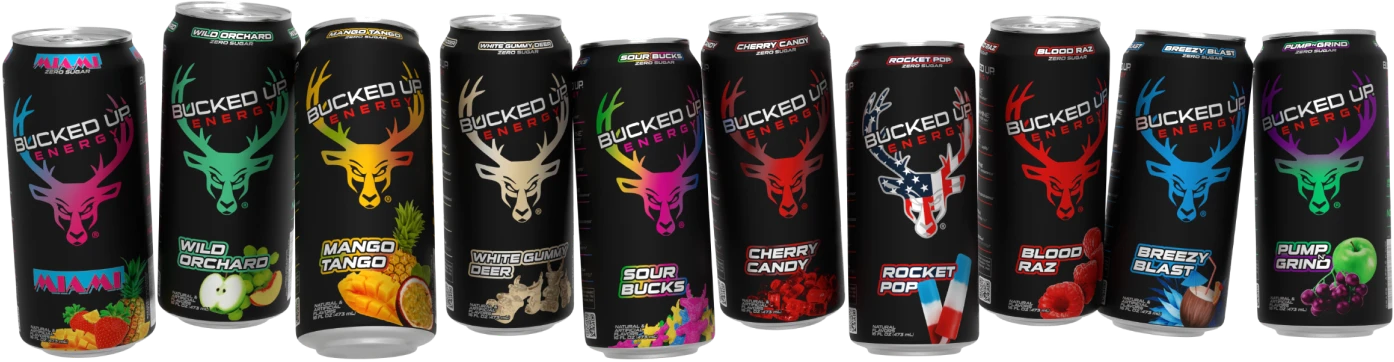
Key ingredients include AlphaSize® Alpha-GPC, which may increase levels of acetylcholine, a neurotransmitter involved in memory and learning.1 Dynamine™ can support energy and mood without strong jitters, while TeaCrine® works with caffeine to promote steady energy.1 TeaCrine showed no significant effects on heart rate or blood pressure over 8 weeks of continuous use, with no habituation effects on energy or focus.
LFG Energy offers caffeine with added fat-burning support for those with physique goals.1 Bucked Up Babe Energy Drink contains enfinity paraxanthine (100mg caffeine equivalent) and is marketed toward women seeking a different stimulant profile. These options allow you to match energy support to your preferences. You can also find Bucked Up Energy Drinks at local retailers.
8. Routine Building and When to Seek Professional Support
Structured daily routines reduce decision fatigue and create more predictable energy patterns. Organizing one’s day with planned patterns of behavior provides a sense of security that reduces mental fatigue, decreases stress, and boosts emotional wellness.
Build routines around sleep, meals, focused work blocks, and breaks. Start with 2 or 3 consistent anchors, then expand as habits feel natural. If mental fatigue continues despite lifestyle changes, consult a healthcare provider to check for conditions such as thyroid disorders, sleep apnea, or clinical depression.
Practical Implementation: A Simple No-Crash Daily Flow
Combining these strategies creates stronger results than using any single tactic alone. Many people start their morning with a Bucked Up Energy Drink to support focus and steady energy.1 During work periods, they use Pomodoro intervals, drink water regularly, and add short movement breaks. Consistent meal timing and evening relaxation techniques round out the routine. This integrated approach supports both immediate relief and long-term cognitive health. You can find Bucked Up Energy Drinks at local retailers to begin building your own no-crash routine.
Bucked Up vs. Basic Energy Drinks
The comparison below shows how Bucked Up Energy differs from many standard energy drinks in three areas that affect mental fatigue: nootropic support, ingredient transparency, and crash potential from sugar content.
| Feature | Bucked Up Energy | Standard Energy Drinks |
|---|---|---|
| Nootropic Support | AlphaSize®, Dynamine™, TeaCrine® | May lack nootropics |
| Ingredient Transparency | Open disclosure of ingredients | Can use proprietary blends |
| Crash Potential | Formulated for sustained energy | High sugar content may contribute to crashes |
Frequently Asked Questions
Can energy drinks cause jitters?
Traditional energy drinks high in caffeine and sugar can cause jitters, anxiety, and crashes. Bucked Up Energy Drinks include TeaCrine® to support smoother energy with fewer harsh side effects.1 TeaCrine works alongside caffeine to promote sustained focus and may reduce the likelihood of the sharp jitters or crashes that some conventional energy drinks can cause.1
What vitamins help mental fatigue?
B-vitamins, particularly B12, B6, and folate, play crucial roles in energy metabolism and neurotransmitter production. Vitamin D supports mood regulation and cognitive function, while magnesium helps with nerve function and stress response. Iron deficiency can also contribute to significant fatigue. Bucked Up Energy Drinks contain B6 and B12 to support energy production alongside their nootropic ingredients.1 Find B-vitamin–fortified options.
What’s the best drink for mental fatigue?
Drinks that support mental fatigue usually combine hydration, caffeine, and ingredients that help focus. Bucked Up offers three specialized formulations: the flagship Energy Drink with 300mg caffeine for broad cognitive support, LFG Energy for intense focus and physique goals, and Babe Energy with paraxanthine for a different stimulant experience. Each option contains nootropics like AlphaSize® and TeaCrine® for sustained mental performance with fewer crashes.1 Compare Bucked Up Energy formulas.
How often should I use nootropic supplements?
Nootropic supplements work best when matched to your tolerance and daily demands. Many people can use nootropic energy drinks daily, but monitoring your response and total caffeine intake from all sources matters. Start with one serving to gauge tolerance, and consider occasional breaks to maintain perceived effectiveness. Always talk with a healthcare provider if you have underlying health conditions or take medications.
What drink gets rid of fatigue?
Drinks that help with fatigue provide steady energy without sharp spikes and crashes. Bucked Up Energy Drinks combine caffeine, nootropics, and B-vitamins to support mental energy and focus.1 This ingredient profile aims to maintain more consistent energy levels while supporting mood and cognitive performance.1 Choose an energy drink that fits your needs.
Conclusion
Mental fatigue does not need to control your productivity or well-being. These eight evidence-based strategies offer practical ways to restore cognitive energy and reduce future burnout. You can mix immediate tools like structured breaks and hydration with long-term habits such as consistent sleep, nutrient support, and thoughtful use of nootropic energy drinks. Bucked Up Energy Drinks can play a role in that plan by supporting sustained focus with a transparent ingredient profile.1 Explore Bucked Up Energy Drinks and consider how they might fit into your routine, or find them at local retailers.
1 The content provided in this article is for informational purposes only and is not medical advice. Consult with a medical professional before implementing any changes to your diet, health, or exercise routines.
Individual results will vary and are based on a combination of each individual’s diet, exercise, age, and health circumstances.
These statements have not been evaluated by the Food and Drug Administration. This product is not intended to diagnose, treat, cure or prevent any disease.
This article was written by Ryan Gardner, CEO of Bucked Up. As the maker of Bucked Up Energy Drinks, we have a financial interest in this information. The views expressed are our own and should be read with that context in mind.