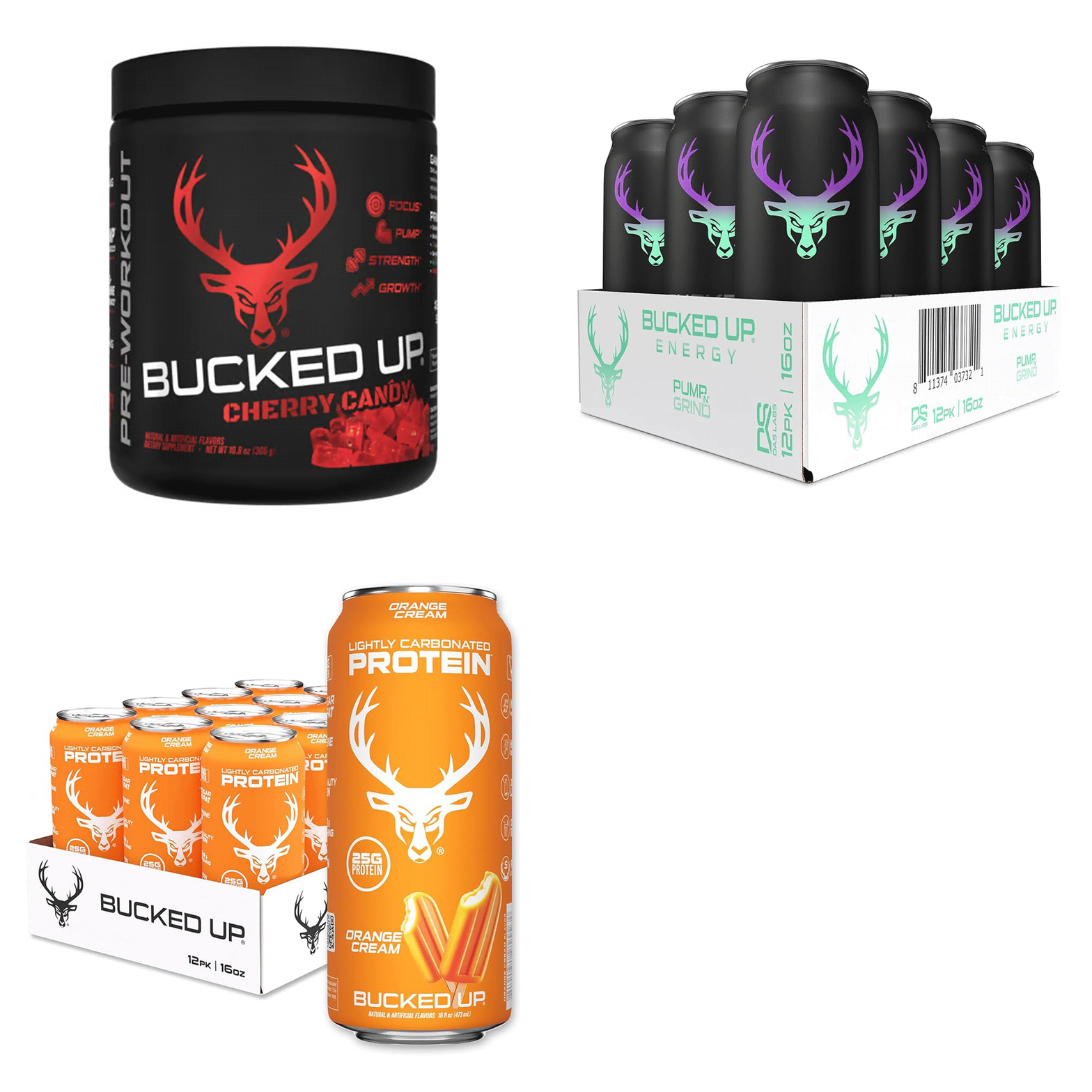
Last updated: April 16, 2026
Key Takeaways
- Nootropic drinks combine caffeine with cognitive enhancers like Alpha-GPC, TeaCrine®, and Dynamine™ to support focus and steady energy with fewer crashes.1
- Short-term use generally stays safe within recommended limits, especially when L-Theanine is present to reduce jitters from caffeine.1
- Long-term safety depends on the formula, and TeaCrine® shows no tolerance buildup in clinical studies up to 300mg daily for eight weeks.1
- Bucked Up Energy can stand out against competitors like Red Bull and Monster through transparent dosing, targeted risks, and comprehensive nootropics.
- For safer daily cognitive support, choose Bucked Up nootropic drinks that use research-backed ingredients and support smart cycling habits.1
How Nootropic Drinks Work for Focus and Energy
Nootropic drinks are beverages that combine traditional energy ingredients like caffeine with cognitive enhancers that support mental performance.1 These drinks often include compounds such as Alpha-GPC for focus support, TeaCrine® for sustained energy without tolerance buildup, and Dynamine™ for mood and alertness.1
The market includes several categories. Some drinks, such as Bucked Up Energy, focus on performance and use comprehensive nootropic profiles. Others push high-stimulant formulas that target intense energy needs. A third group offers specialized formulations for specific demographics. Unlike traditional energy drinks that rely mainly on caffeine and sugar, nootropic beverages aim to support several cognitive functions, including memory, focus, and mental clarity.1 Given these more complex formulas, understanding their safety profile matters before you add them to your routine.
Short-Term Safety of Nootropic Drinks
Most nootropic drinks are well-tolerated for short-term use when you stay within recommended serving limits.1 Common ingredients include caffeine in the 150 to 300mg range, L-Theanine for smoother energy, Taurine for cellular support, and specialized compounds like AlphaSize® and Dynamine™ for cognitive enhancement.1
The table below highlights how several core ingredients behave in the short term and what current research suggests about longer-term risks.
| Ingredient | Short-Term Side Effects | Long-Term Risks | Source |
|---|---|---|---|
| Caffeine (300mg) | Jitters, increased heart rate | Tolerance, sleep disruption | PMC Research |
| TeaCrine® | Minimal reported | No tolerance observed | Clinical Study |
| L-Theanine | Rare mild drowsiness | GRAS status, no concerns | FDA Classification |
| Alpha-GPC | Occasional headache | No significant adverse events | Clinical Trials |
Research indicates that L-theanine combined with caffeine can reduce negative side effects like jitters and anxiety.1 Many premium formulations use this pairing to keep energy smooth and focused.1 Bucked Up uses a multi-ingredient approach that aims to balance individual compound side effects while still supporting cognitive performance.1
Nootropic Drinks and Long-Term Side Effects
Long-term safety varies across nootropic drink formulations, so ingredient quality and dosing matter. Common concerns include caffeine dependency, disrupted sleep patterns, and potential cardiovascular strain from very high stimulant loads. However, research shows that high-dose evening caffeine, at 9 mg per 2.2 lbs body weight, significantly increases side effects such as headache, rapid heart rate, and anxiety compared to moderate doses. This dose-dependent pattern highlights why both timing and total intake play a central role in long-term safety.
TeaCrine® represents a notable advancement for long-term energy support.1 Clinical studies found TeaCrine® doses up to 300mg daily safe and well-tolerated after eight weeks, with no adverse effects on blood pressure, heart rate, or organ function, and no habituation or tolerance buildup.1 This profile makes TeaCrine® a useful complement to caffeine in products that aim for consistent effects over time.
Bucked Up discloses ingredient amounts and uses GMP-certified manufacturing in the USA, which adds another layer of safety assurance.1 These manufacturing standards, combined with the research-backed ingredient profile described above, create a solid foundation for confident long-term use.
To see this transparency in practice, locate a retailer near you and review the Bucked Up label in person using the store finder.
Brand Comparison: Bucked Up vs. Top Competitors
This comparison highlights how Bucked Up’s ingredient transparency and nootropic complexity differ from several mainstream energy drinks. Use it to see how caffeine levels, nootropic support, and reported effects stack up across leading brands.
| Brand | Caffeine/Transparency | Key Nootropics | Reported Effects |
|---|---|---|---|
| Bucked Up Energy | 300mg, full disclosure | Alpha GPC, TeaCrine®, Dynamine™ | Sustained energy without crash |
| Red Bull | 80mg, basic formula | Limited nootropics | Sugar crashes possible |
| Monster Energy | 160mg, proprietary blend | Basic B-vitamins | Jitters possible |
| Celsius | 200mg from natural sources | Green tea, Guarana | Moderate performance |
| Ghost Energy | 200mg with Alpha-GPC | NeuroFactor, Alpha-GPC | Variable experiences |
The scientific profile of TeaCrine® helps explain one key difference in how these drinks feel over time. TeaCrine® can provide longer-lasting energy support, while caffeine effects often fade after about three to four hours. When combined thoughtfully with caffeine and other nootropics, TeaCrine® can support smoother, more sustained alertness.1
To compare these profiles firsthand, check local availability and use the Bucked Up store locator to see how its transparent labeling stacks up against competitors on the shelf.
Daily Use: Is It Safe to Drink Nootropic Drinks Every Day?
Daily consumption of nootropic drinks can be safe for many people when you follow clear protocols and stay aware of your personal tolerance. Three connected factors shape whether daily use remains sustainable. Adequate hydration keeps stimulants from concentrating in your system. Strategic cycling helps your body avoid adapting too strongly to key ingredients. Sleep quality monitoring confirms that your drink is not disrupting recovery, which would undercut the cognitive benefits you want.
The framework below shows how to structure daily use so you can lower risk while still maintaining effectiveness.
| Factor | Recommendation | Bucked Up Protocol | Risks if Ignored |
|---|---|---|---|
| Daily Limit | 1 serving maximum | Offers various caffeine levels to accommodate different needs | Tolerance, sleep issues |
| Timing | Morning to early afternoon | 6+ hours before sleep | Insomnia, poor recovery |
| Cycling | 5 days on, 2 days off | Listen to your body’s response | Dependency development |
| Hydration | Extra 16-20oz water | Monitor urine color | Dehydration, headaches |
The dose-dependent effects discussed earlier explain why moderate daily use can stay manageable when you handle timing carefully. Keeping intake reasonable and avoiding late-day servings helps protect sleep and recovery. Excessive consumption, especially close to bedtime, can still lead to insomnia and reduced recovery quality.
Start your daily protocol with formulations designed for sustainable use instead of short-term intensity, and adjust based on how your body responds over time.
Why Bucked Up Energy Drinks Can Stand Out for Long-Term Safety
Bucked Up offers three distinct formulations that support different needs and safety profiles. This tiered approach lets users match caffeine intake to their tolerance level, which is critical for long-term safety. The flagship Bucked Up Energy contains 300mg caffeine with comprehensive nootropic support for experienced users. LFG Energy steps down to 160mg caffeine and adds fat-burning compounds for those who want lower stimulant levels. Babe Energy delivers 150mg natural caffeine in a formulation designed for women.
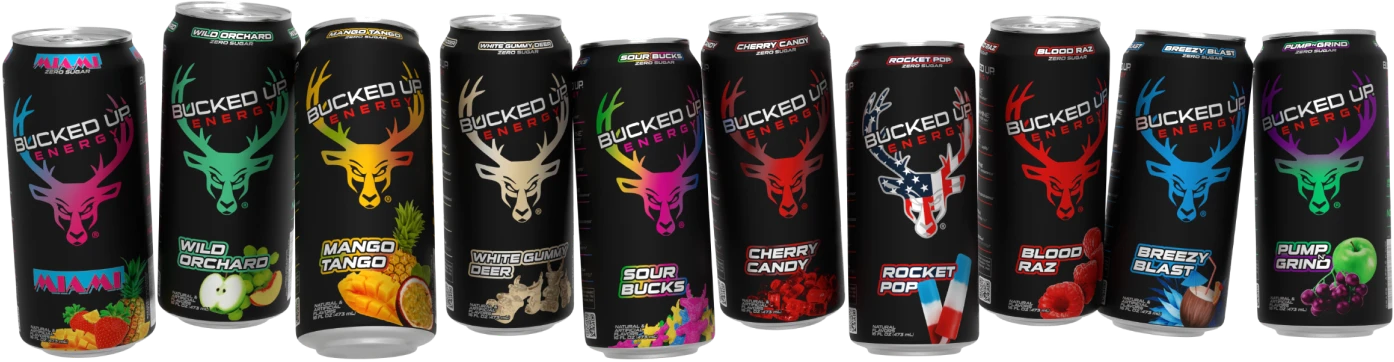
The transparent dosing approach removes guesswork about ingredient amounts and supports informed decisions about daily intake. Bucked Up lists exact amounts of each active ingredient, which helps users manage tolerance, compare products, and plan cycling strategies more confidently.
The multi-ingredient formulation aims to extend energy duration while reducing sharp crashes that can follow simple high-caffeine drinks. To see how this approach looks in practice, use the store finder and review the labels to experience how quality formulation can affect your energy curve.
Frequently Asked Questions
Are nootropics addictive?
Most nootropic compounds have low addiction potential compared to many traditional stimulants. TeaCrine® maintains its effectiveness without building tolerance, as noted in long-term safety research, while caffeine can create mild dependency for some users. Balanced formulations and sensible cycling protocols help reduce the chance of tolerance buildup.
What are the downsides of nootropics?
Potential downsides include sleep disruption when you consume them late in the day, along with possible headaches during adjustment periods. Individual sensitivity can vary, and high-stimulant formulas may cause jitters or anxiety in people who are more sensitive. Careful dosing and earlier timing help keep these risks lower.
What are nootropics benefits and side effects?
Nootropics can support enhanced focus, improved mood, sustained energy, and better cognitive performance.1 Side effects are usually mild and may include occasional headaches, sleep disruption from poor timing, and rare digestive upset.1 Quality formulations such as Bucked Up use complementary ingredients to help reduce negative effects while still supporting mental performance.
Are nootropics safe for long-term use?
Research-backed nootropics are generally considered safe for long-term use when people consume them responsibly. Natural compounds like L-Theanine hold GRAS status, and TeaCrine® shows no tolerance development in clinical studies.1 Choosing transparent brands with strong manufacturing standards further supports long-term safety.
Are nootropic drinks healthy?
Nootropic drinks can fit into a healthy lifestyle when they use beneficial ingredients and you consume them in moderation. They provide cognitive support that goes beyond basic caffeine stimulation. They still work best alongside consistent sleep, solid nutrition, and regular exercise for overall mental performance.
Is it okay to take nootropics every day?
Daily nootropic use can work for many people when they follow clear protocols. Monitor your response, maintain good hydration, avoid late-day servings, and include periodic breaks to reduce tolerance. Individual tolerance varies, so adjust your routine based on your own experience and, when needed, guidance from a healthcare professional.
Conclusion: Using Nootropic Drinks Safely and Effectively
Nootropic drinks can offer meaningful cognitive support when you use them responsibly, and safety profiles differ widely across brands and formulas.1 Research supports moderate daily use of quality products, especially those that include ingredients like TeaCrine® that do not appear to build tolerance.1 Bucked Up’s transparent labeling, comprehensive nootropic profiles, and consistent user feedback position it as a strong option for people who want long-term support instead of quick sugar spikes or opaque proprietary blends.1
The path to safe long-term use starts with choosing quality formulations, following clear timing and cycling protocols, and paying attention to your individual response. Explore Bucked Up nootropic drinks to see how a carefully formulated option can support your daily cognitive performance in a sustainable way.
1 The content provided in this article is for informational purposes only and is not medical advice. Consult with a medical professional before implementing any changes to your diet, health, or exercise routines.
Individual results will vary and are based on a combination of each individual’s diet, exercise, age, and health circumstances.
These statements have not been evaluated by the Food and Drug Administration. This product is not intended to diagnose, treat, cure or prevent any disease.
This article was written by Ryan Gardner, CEO of Bucked Up. As the maker of Bucked Up Energy Drinks, we have a financial interest in this information. The views expressed are our own and should be read with that context in mind.