Written by: Ryan Gardner, Owner, Managing Partner, CEO, Bucked Up | Last updated: April 17, 2026
Key Takeaways
- Safe creatine loading with 20-25g daily, split into 4-5 doses, can saturate muscles in 5-7 days and support strength and power for competitive athletes.1
- Split dosing, high hydration (100+ oz water), and pairing with meals can help reduce bloating, GI distress, and water retention concerns.1
- Modern options like micronized monohydrate, Creatine HCl, and gummies can support performance while reducing side effects for many athletes.1
- Keep your normal training schedule during loading and time doses around workouts to support ATP regeneration and recovery.1
- Support your loading phase with Bucked Up’s certified creatine products — shop Bucked Up creatine now.
Why Safe Loading Strategies Matter for Competitive Athletes
Safe creatine loading helps you gain the benefits of faster saturation without unnecessary discomfort or training setbacks.1 Improper loading can create performance plateaus, training disruptions, and competition issues that undermine months of preparation.
Athletes who experience bloating, digestive distress, or noticeable water retention during loading often struggle with reduced training intensity and tougher weight management. Confidence in their supplementation plan can drop as well.
Research demonstrates that well-designed loading protocols can help manage these risks while supporting performance.1 Creatine’s core mechanism stays the same across approaches: it increases phosphocreatine stores, which support rapid ATP regeneration.1 The main difference comes from how you deliver the dose, which affects tolerability and practicality for competitive athletes.
Creatine Loading Basics for Faster Muscle Saturation
Creatine loading uses 20-25 grams of creatine per day, usually split into 4-5 doses of 5 grams, for 5-7 consecutive days. This schedule helps saturate muscle creatine stores more quickly than lower daily doses.
Higher muscle phosphocreatine levels support faster ATP regeneration during high-intensity exercise. That can translate into stronger sets, better power output, and improved recovery between efforts.1
The standard protocol then shifts to a maintenance dose of 3-5 grams daily after the loading phase. Alternative approaches using 3-5 grams daily from the start can reach the same saturation level within about 28 days. These slower approaches provide similar long-term benefits and may come with fewer side effects for some athletes.1
| Protocol | Days to Saturation | Power Gains | GI Risk |
|---|---|---|---|
| Loading (20-25g/day) | 5-7 | Faster | Higher if unsplit |
| No-Loading (3-5g/day) | 28 | Equivalent long-term | Lower |
Performance Benefits and How Competitive Athletes Use Loading
Creatine loading can deliver measurable performance advantages that carry over into training and competition.1 Athletes combining creatine supplementation with moderate-to-high intensity training experience significantly greater muscle strength gains compared to moderate-to-low intensity regimens, with notable effect sizes in controlled trials.1
Rapid saturation from loading supports higher power output during explosive movements and less fatigue between sets.1 Many athletes also notice faster recovery between sessions, which can support higher training volumes during key preparation blocks.1
Competitive powerlifters, sprinters, and team sport athletes often benefit from this immediate ATP availability.1 Loading can help them push harder in short, intense efforts and maintain more consistent performance across repeated bouts.
Ready to apply these benefits in your own training? Start your loading phase with Bucked Up’s certified creatine products and build from a solid foundation.
Safe Loading Strategies and No-Bloat Format Choices
Safe creatine loading starts with smart dose splitting and consistent hydration. Protocols often split 20-25 grams per day into 4-5 servings of 5 grams, taken with meals that contain carbohydrates or protein, along with 100+ ounces of water daily. This structure supports absorption and helps reduce gastrointestinal distress.1
Modern creatine formats can help athletes who struggle with standard powders. Those who experience digestive issues may prefer Bucked Up’s Pure Creatine, which uses micronized creatine monohydrate for improved solubility and easier mixing.1
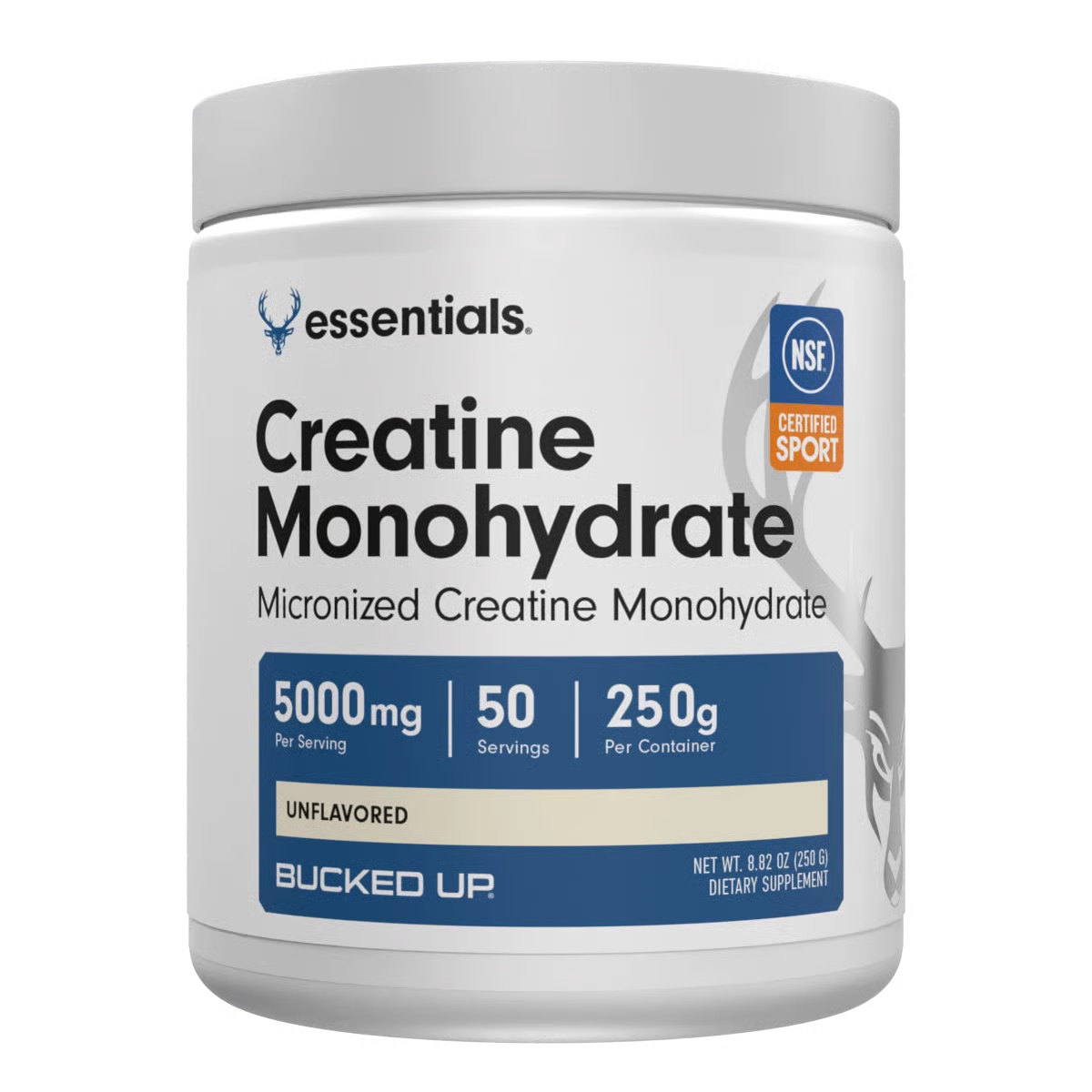
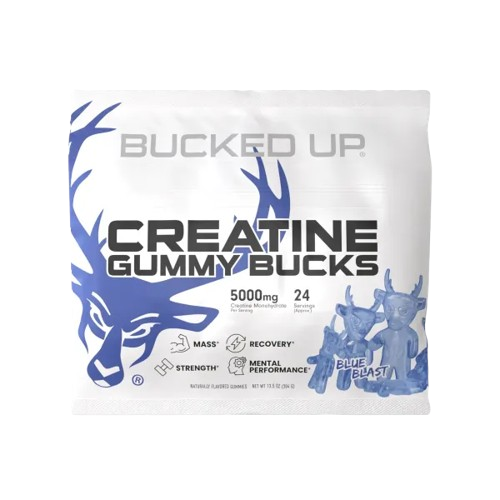
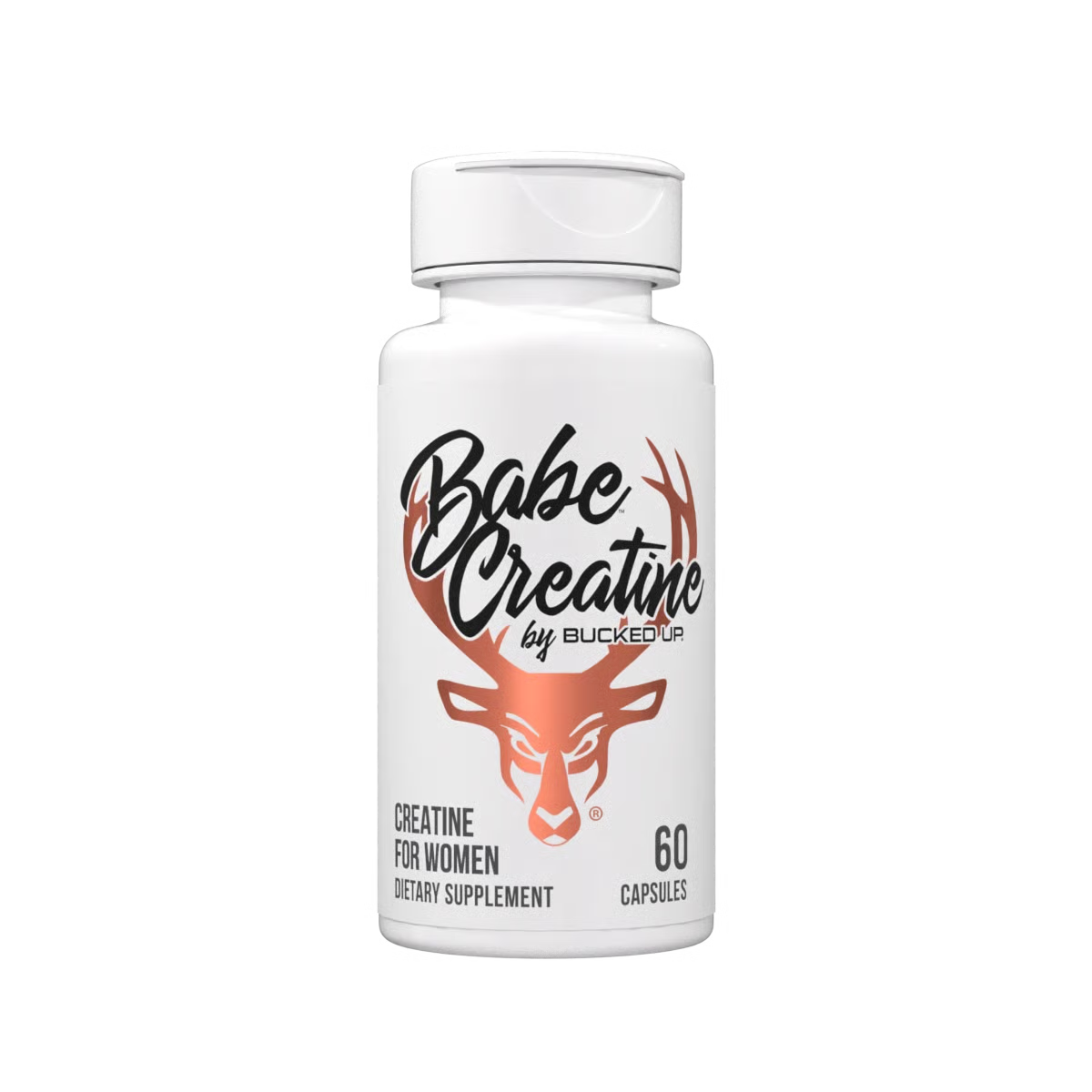
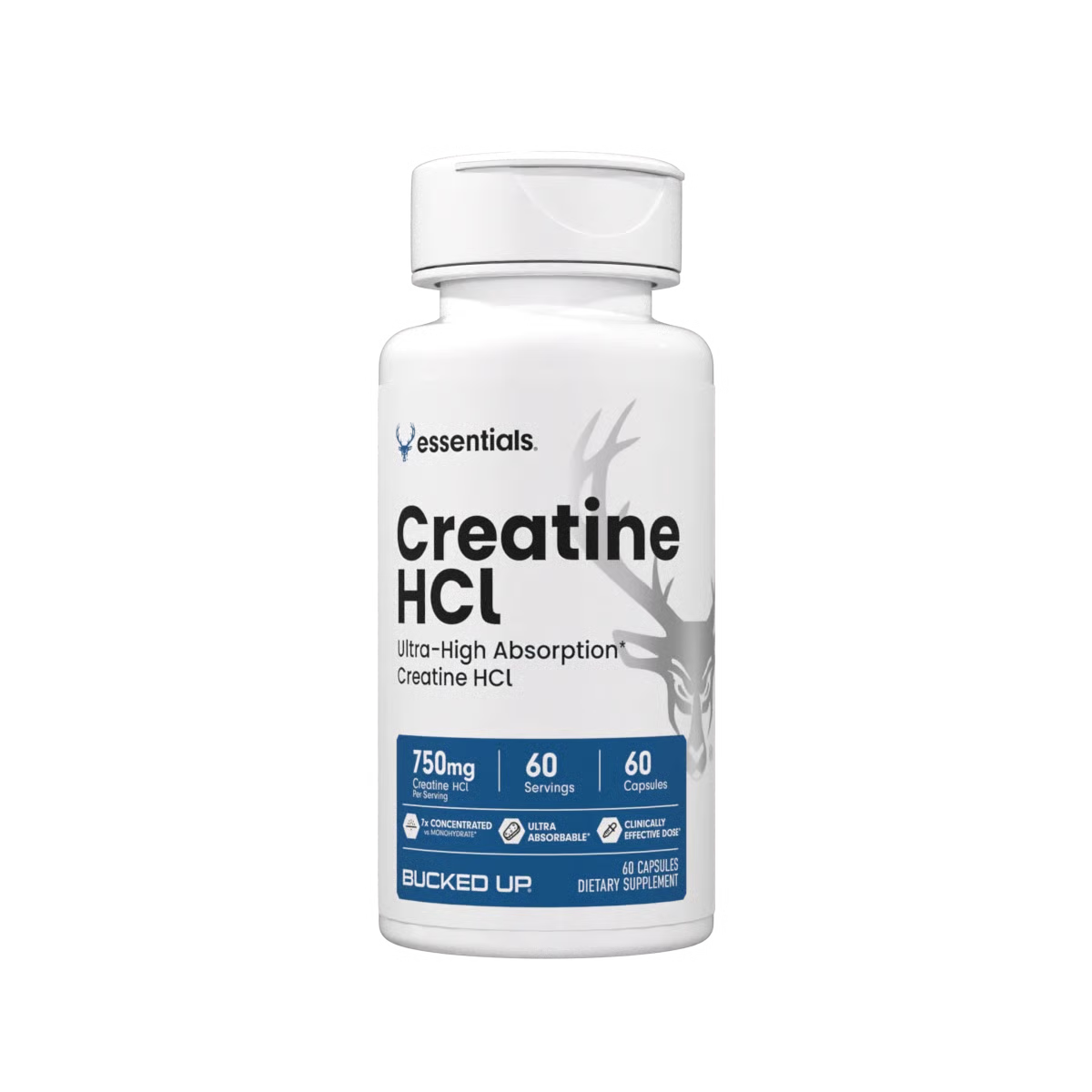
If bloating or water retention remains a concern, Bucked Up’s Creatine HCl and Babe Creatine capsules each deliver 750mg of CON-CRĒT® per serving, a form designed to reduce these effects.1 Athletes who need maximum convenience during loading can use Bucked Up’s Creatine Gummies and Creatine Candy, which provide portable, pre-measured 5-gram servings without mixing or measuring.
| Duration | Saturation Speed | Best For | Side Effect Risk |
|---|---|---|---|
| 5 Days | Full (20-40%) saturation within 5-7 days | Competition prep | Moderate |
| 7 Days | Maximum for larger athletes | Weight-class caution | Lower with splits |
Athletes in weight-class sports should plan for a temporary 2-5 lbs water weight increase during loading. Bucked Up’s HCl formulations are designed to help minimize visible water retention, which can appeal to fighters, wrestlers, and other athletes who track every pound closely.1
Looking for a format that fits your training and travel schedule? Explore Bucked Up’s monohydrate, HCl, capsule, and gummy options to match your loading protocol.
Training During Your Creatine Loading Phase
Most athletes benefit from maintaining their normal training schedule during creatine loading. Research demonstrates that creatine supplementation combined with continued high-intensity training can support strength gains.1 Many athletes time creatine doses around workouts, using a post-workout serving when muscles may be more receptive and a pre-workout serving to support phosphocreatine availability.1
Athletes should watch for the typical 2-5 lbs weight gain from intracellular water. This shift usually supports muscle fullness and recovery rather than signaling problematic retention.1 For those particularly concerned about this temporary weight gain, such as female athletes or anyone in a weight-class sport, Bucked Up’s Babe Creatine may help reduce visible water retention due to the HCl formulation’s absorption characteristics.1
Common Misconceptions and Barriers to Creatine Loading
Many athletes skip loading because they worry about permanent bloating or believe they must cycle creatine. Current research indicates that creatine-related water retention occurs inside the muscle cells and supports performance rather than causing lasting bloating.1 Early side effects tend to be temporary, and most athletes do not need to cycle off creatine.
Athletes who experience gastrointestinal discomfort can consider Bucked Up’s HCl capsules or gummy formats. These options remove mixing steps and may reduce digestive stress for some users.1 The priority is consistent daily intake, including rest days, so muscle saturation stays elevated.
Want a simpler way to stay consistent? Explore Bucked Up’s creatine capsules, powders, and gummies to find a format you can use every day.
7-Day Creatine Loading Plan for Competitive Athletes
This evidence-based schedule applies split dosing and hydration strategies to support muscle saturation while reducing side effects. Use it as a starting template and adjust based on your size, schedule, and tolerance.
| Day | Total Dose | Split Timing | Hydration/Tips | Bucked Up Recommendation |
|---|---|---|---|---|
| 1-2 | 25g | 5x5g (meals/pre/post/bedtime) | 100oz+ water | Gummies (portable convenience) |
| 3-5 | 20g | 4x5g (with meals/post-workout) | Monitor weight gain | HCl Capsules (reduced bloating) |
| 6-7 | 20g | 4x5g (maintain timing) | Assess tolerance | Pure Creatine (cost-effective) |
How to Choose Creatine Products and Where Bucked Up Fits
Competitive athletes often look for creatine products that meet strict purity and safety standards. Bucked Up’s creatine line carries NSF and GMP certifications, which support confidence in banned-substance screening and consistent potency.
Their Six Point Creatine blend combines multiple creatine forms to provide varied absorption profiles. Delivery formats such as fizzy candy and precision-dosed capsules aim to solve common loading challenges like travel, taste fatigue, and measuring accuracy.
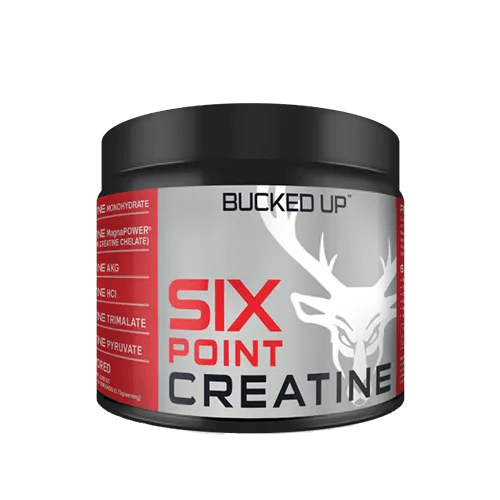
Customer testimonials describe individual experiences with Bucked Up’s products: “No bloating as long as I keep up with proper water intake and definitely noticing better pump and growth” (Babe Creatine user), and “I don’t feel bloated and I can mix it with anything” (Six Point Creatine user).1 These statements reflect user feedback and may not represent every athlete’s experience.
Frequently Asked Questions
How much creatine per day during loading?
The standard loading dose is 20-25 grams daily, split into 4-5 servings of 5 grams, for 5-7 days. Larger athletes over 200 lbs may prefer a weight-based creatine loading dose of about 0.3 grams per kg of body weight per day for 7 days. After loading, most athletes shift to 3-5 grams daily for maintenance.
Is creatine loading different for women?
Women can follow the same basic loading protocols as men. Some may choose slightly lower daily totals, such as 15-20 grams, because of lower average body weight. Bucked Up’s Babe Creatine uses an HCl formulation that can help address water retention concerns that many female athletes report.
Should I workout during the creatine loading phase?
Yes, most athletes should keep their normal training schedule during loading. Post-workout timing may support uptake because of increased blood flow and muscle receptiveness.1 The short-term water weight gain usually supports muscle fullness and recovery.1
Is 5 or 7 days better for creatine loading?
Both 5-day and 7-day loading periods can saturate muscle stores. Five days works for many athletes, while seven days may suit larger individuals or those who want to push saturation as far as possible. Choose the duration that fits your tolerance, schedule, and competition timeline.
Do I take creatine on rest days during loading?
Yes, keep taking creatine every day during the loading phase, including rest days. Consistent intake supports steady muscle saturation regardless of training status. This consistency helps maintain elevated phosphocreatine levels for your next workout.
Conclusion
Safe creatine loading can help competitive athletes reach rapid muscle saturation and performance gains while reducing bloating and digestive issues.1 Dose splitting, smart timing, and modern formulations such as those from Bucked Up give athletes practical ways to use creatine without disrupting training or weight goals.
Ready to put a structured loading plan into action? Explore Bucked Up’s creatine powders, capsules, and gummies to support your next training cycle. Shop now.
1 The content provided in this article is for informational purposes only and is not medical advice. Consult with a medical professional before implementing any changes to your diet, health, or exercise routines.
Individual results will vary and are based on a combination of each individual’s diet, exercise, age, and health circumstances.
These statements have not been evaluated by the Food and Drug Administration. This product is not intended to diagnose, treat, cure or prevent any disease.
This article was written by Ryan Gardner, CEO of Bucked Up. As the maker of Bucked Up Creatine, we have a financial interest in this information. The views expressed are our own and should be read with that context in mind