Written by: Ryan Gardner, Owner, Managing Partner, CEO, Bucked Up | Last updated: April 17, 2026
How to Quickly Spot Quality Creatine
- Pure creatine monohydrate looks like a fine, white, uniform powder with no odor, taste, discoloration, or hard clumps.
- Micronized creatine feels smooth like baby powder and typically dissolves in room-temperature water within about 60 seconds.
- Use five simple home checks: visual inspection, texture feel, solubility shake, taste check, and long-mix integration.
- Impurities such as creatinine can cause grittiness, poor mixing, and weaker performance, so look for NSF and GMP certifications.1
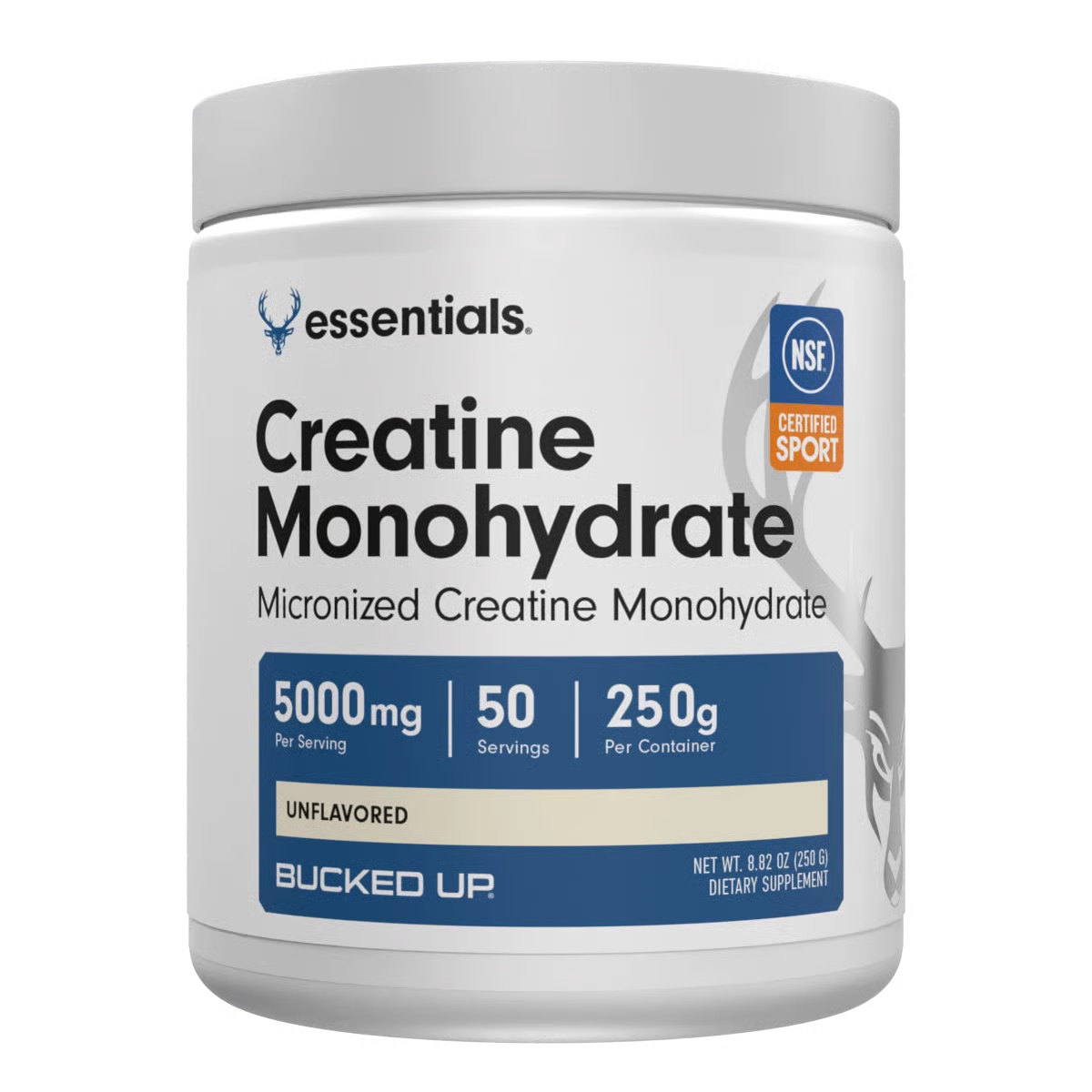
- Bucked Up’s 99.8% pure micronized creatine can support consistent results, with tested purity and easy mixing, so you can find your creatine here.1
Why Purity and Mixability Change Your Creatine Results
Creatine monohydrate ranks among the most researched supplements for muscle energy and strength, yet its impact depends heavily on purity and particle size.1 High-quality creatine meets clear benchmarks: white crystalline powder that’s completely odorless, with micronized versions using particles smaller than 200 microns for easier mixing.
The science behind mixability centers on particle size and surface area. Creatine monohydrate’s solubility reaches approximately 14 g/L at room temperature, and that level only applies to pure, properly processed powder. Impurities such as creatinine, dicyandiamide, or residual manufacturing byproducts reduce this solubility by disrupting the dissolution process, which often leaves undissolved particles that can irritate your digestive tract.1
For dedicated athletes who want to avoid bloating and performance plateaus, these quality differences matter.1 Some generic products may skip rigorous purification and micronization, which often shows up as inconsistent mixing and a gritty mouthfeel. Fortunately, you can check your creatine’s quality at home with a few quick tests.
5 Simple At-Home Tests for Pure, Mixable Creatine
These quick checks need no special equipment and work with any creatine powder you already have.
1. Visual Inspection Test
Look at your creatine under bright, even lighting. Pure creatine monohydrate should appear as a fine, white, uniform powder without yellow or gray discoloration. Yellowish or gray tinting often points to oxidation or impurities from weaker purification steps. The powder should also be free of hard clumps, which suggest moisture exposure or contamination during storage.
2. Texture and Feel Test
Place a small pinch between your fingers and gently rub. Micronized creatine should feel smooth like baby powder or flour, not gritty or sandy. A strong gritty or sandy mouthfeel usually indicates coarse particles from poor micronization.
3. Solubility Shake Test
Add one level teaspoon of standard creatine monohydrate, which holds roughly 5 grams, to 8 ounces of room-temperature water. High-quality micronized creatine usually dissolves within 30 to 60 seconds of gentle stirring, leaving mostly clear or slightly cloudy water with minimal sediment. Poor-quality creatine often leaves a thick layer of gritty residue or refuses to dissolve fully.
4. Taste and Solution Check
Take a small sip of the mixed solution. Pure creatine monohydrate should taste nearly neutral, with only a mild, plain flavor. Any bitter, chemical, or fishy odors can signal residual impurities from manufacturing. The drink should not leave a harsh or lingering aftertaste.
5. Long-Mix Integration Test
Add your creatine to a protein shake or juice and shake vigorously for about 30 seconds. Quality micronized creatine should blend smoothly without settling quickly or creating a gritty texture while you drink it. If particles separate fast or create an unpleasant mouthfeel, the micronization process likely fell short.
Use these same tests on Bucked Up’s creatine products so you can compare your current powder with a certified option.
Experience how pharmaceutical-grade micronization feels in your daily routine.
Creatine Testing Variables and Common Myths
Room-temperature water gives the most accurate solubility check, because colder water slows dissolution even in high-quality products. For consistent results, stick with a standard 5-gram daily dose and store your creatine in a cool, dry place to reduce moisture-related clumping.
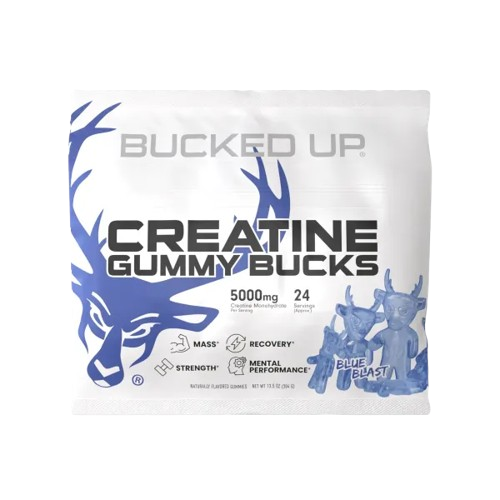
Some light clumping in humid conditions can occur and does not always signal poor quality. Hard clumps that refuse to break apart easily often point to moisture damage or weaker packaging. Bucked Up’s gummy and candy formats avoid these issues entirely and provide consistent dosing without any mixing variables from powders.
Creatine Red Flags and How to Fix Them
Persistent grittiness usually comes from non-micronized particles or impurities like creatinine and dicyandiamide that interfere with dissolution. Off-colors, unusual odors, or products that never fully dissolve, no matter how you mix them, often indicate manufacturing shortcuts or contamination.
If your current creatine fails several of these tests, you can first improve hydration, aiming for roughly 80 to 100 ounces of water daily, and shake more vigorously. When those steps do not solve the problem, consider switching to a certified product such as Bucked Up’s NSF-tested formulations for more consistent results.1
Safe Use and Practical Creatine Dosage
Pure creatine monohydrate is generally considered safe for daily use, including rest days and bedtime, because it contains no stimulants. A standard 5-gram daily serving works best with adequate hydration, which supports cellular uptake and helps reduce digestive discomfort.1 Anyone with kidney concerns should talk with a healthcare provider before starting creatine or changing their routine.
Bucked Up’s GMP and NSF certifications support manufacturing transparency and defined purity standards.
What You Can Expect from Pure Creatine
Switching to high-quality, pure creatine often brings smoother mixing with little residue, stronger workout performance, and better recovery between training sessions.1 These changes usually appear gradually as your muscles reach full saturation.
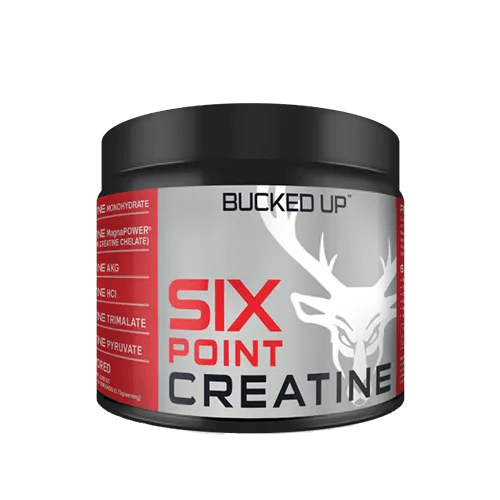
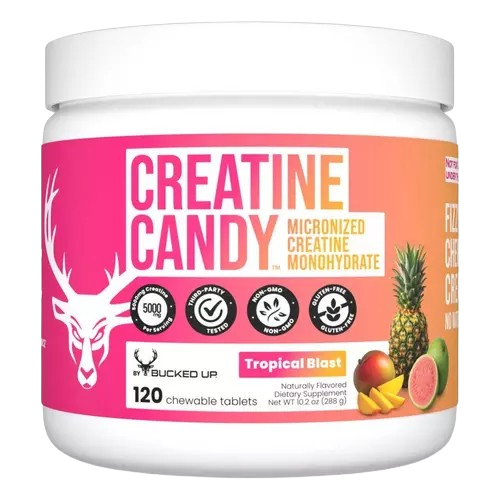
For added convenience, you can look at Bucked Up’s Pure Creatine in multiple flavors, Six Point Creatine for varied absorption profiles, or the gummy and candy formats that remove mixing concerns while following the same pharmaceutical-grade standards mentioned earlier.
Advanced Tips to Get More from Your Creatine
Start by tracking your strength and endurance numbers before and after you move to high-quality creatine so you can see the difference clearly.1 Once you know your baseline with pure creatine, you can explore stacking with complementary supplements such as glutamine for recovery support. Keep a simple hydration log as well, because poor fluid intake limits how well any supplement can work.
To understand how your current product compares, test competitor powders using the same five criteria you used earlier. This side-by-side approach highlights how particle size and purity affect both immediate mixability and long-term performance benefits.1
FAQ: Creatine Purity and Mixability
How can I check if my creatine is legitimate or fake?
Use the five home tests above, paying close attention to color, texture, and solubility in room-temperature water. Legitimate creatine usually dissolves clearly within about 60 seconds with only light residue. Also look for third-party certifications such as NSF or GMP on the label, and review the manufacturer’s reputation and testing information.
How do I tell if my creatine is good quality?
Good creatine shows several clear traits. It has a pure white color without discoloration, a fine powder texture similar to flour, and it dissolves well in room-temperature water. The taste stays neutral without chemical or fishy odors, and it blends smoothly into shakes or other drinks. Look for purity levels of 99.5% or higher and certifications from recognized testing organizations.
Does creatine monohydrate dissolve completely in water?
Pure, micronized creatine monohydrate should dissolve almost completely in room-temperature water, although a small amount of settling can appear at saturation. As mentioned earlier, that solubility limit means a 5-gram serving in 8 ounces of water should look mostly clear with proper mixing when you use a pure, micronized product.
Is 100% pure creatine good for performance?
Creatine with 99.8% or higher purity can support performance by reducing impurities that might interfere with absorption or cause digestive issues. Cleaner creatine helps your muscles reach higher saturation, which supports ATP regeneration, strength output, and recovery without extra stress from contaminants or processing residues.1
What creatine mixes well without grittiness?
Micronized creatine monohydrate with particles smaller than 200 microns usually provides a smoother mixing experience. Products that use thorough micronization, such as Bucked Up’s certified formulations, can reduce grittiness while keeping the well-studied benefits of creatine monohydrate.1 Alternative options like gummies or dissolvable tablets also remove mixing concerns entirely.
Conclusion: Put Your Creatine to the Test Today
Impure or poorly processed creatine can hold back your training, so testing your current product makes sense. Use the five simple checks in this guide to evaluate what you already have, then move toward verified, higher-quality options that support consistent results.
1 The content provided in this article is for informational purposes only and is not medical advice. Consult with a medical professional before implementing any changes to your diet, health, or exercise routines.
Individual results will vary and are based on a combination of each individual’s diet, exercise, age, and health circumstances.
These statements have not been evaluated by the Food and Drug Administration. This product is not intended to diagnose, treat, cure or prevent any disease.
This article was written by Ryan Gardner, CEO of Bucked Up. As the maker of Bucked Up Creatine, we have a financial interest in this information. The views expressed are our own and should be read with that context in mind