
Key Takeaways
- Creatine monohydrate remains effective in 2026, but its limited solubility can affect mixability, comfort, and how consistently you take it.
- Solubility-enhancing ingredients support smoother mixing, more predictable absorption, and better digestive comfort for many users.
- Different add-ons such as carbohydrates, amino acids, and electrolytes serve distinct roles, from hydration and endurance support to easier mixing.
- Your ideal creatine formula depends on your primary goal, digestive sensitivity, diet, and preference for powders, capsules, or candy-style options.
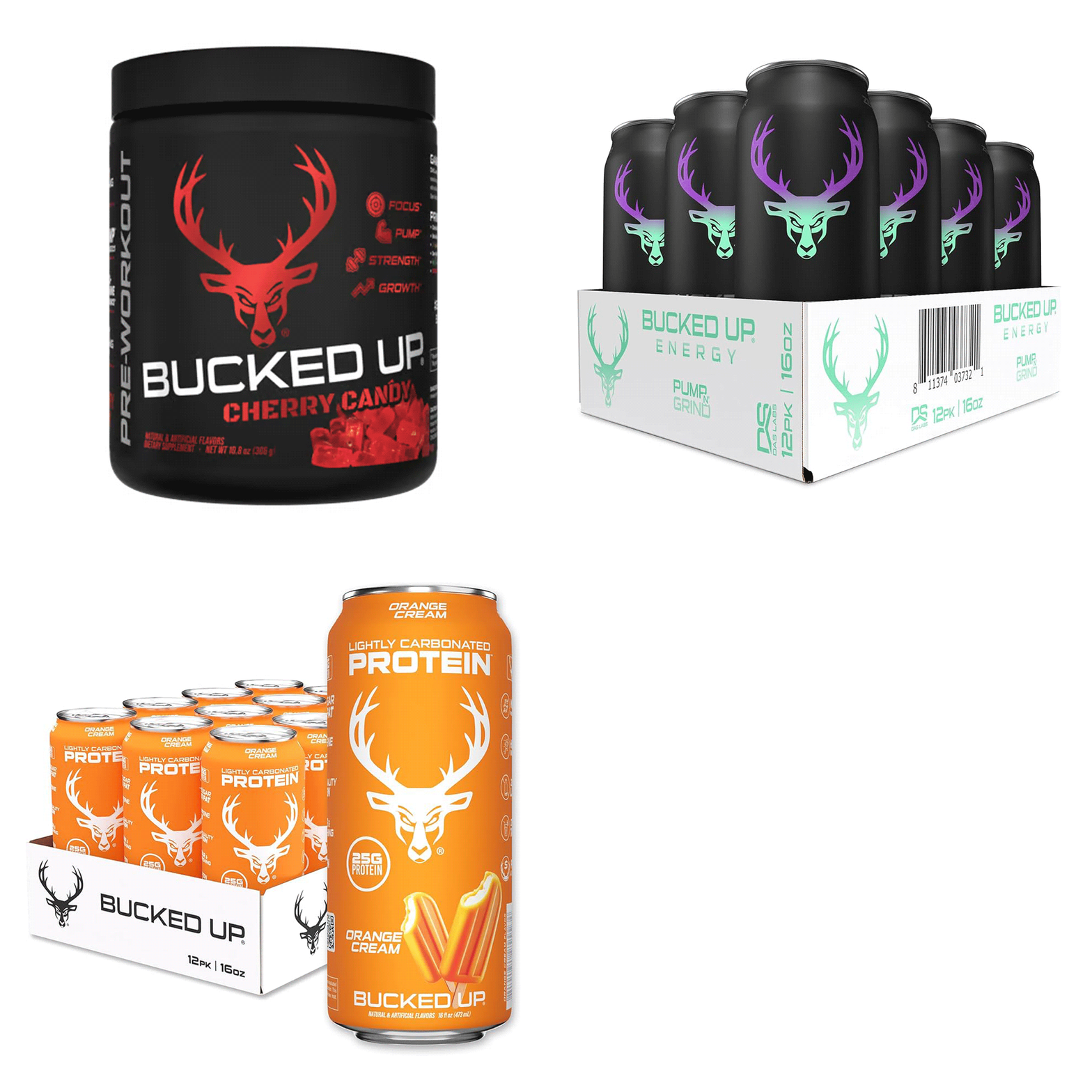
- You can explore these options through the Bucked Up creatine lineup, which includes powders, capsules, and flavored formats.
Shop now to match your creatine to your training style, comfort needs, and daily routine.
Why Creatine Solubility Matters for Performance in 2026
Creatine monohydrate in solid form demonstrates long-term stability, yet shows limited solubility and stability in liquid formats. This behavior influences how easily it mixes and how pleasant it feels to drink.
Poorly dissolved creatine can leave grit at the bottom of your shaker and a sandy texture in your mouth. Undissolved particles may also feel heavy on the stomach for some people, which can lead to skipped servings and inconsistent use.
Creatine monohydrate delivers high bioavailability when absorbed effectively. Consistent daily intake supports muscle creatine saturation, so comfortable, easy-to-mix formulas can help you stay on track.
Key Criteria When You Compare Creatine Ingredients
Clear priorities make it easier to choose the right creatine formula. Focus on these factors:
- Solubility and mixability: How well the powder dissolves, how much grit remains, and how easy it is to drink.
- Absorption and bioavailability: How stable the creatine is in solution and how reliably it reaches your muscles.
- Digestive comfort: How your stomach responds, including any bloating, cramping, or discomfort.
- Performance synergy: Whether extra ingredients support strength, endurance, hydration, or recovery.
- Purity and additives: Sugar content, artificial ingredients, and whether the label fits your diet and preferences.
Common Solubility-Supporting Ingredients in Creatine Formulas
Dextrose and Glucose
Dextrose and glucose can raise insulin levels, which may support creatine uptake into muscles while also supplying quick post-workout energy.
Benefits include a sweeter taste, easier flavoring, and rapid energy after training. Drawbacks include added calories, sharper blood sugar swings, and poor fit for low carb or ketogenic diets.
Beta-Alanine
Beta-alanine supports higher muscle carnosine levels and can delay fatigue in high-intensity efforts, pairing well with creatine’s strength benefits.
This ingredient does not directly improve creatine solubility. It instead complements creatine by supporting endurance and total work done. Many users notice a temporary tingling sensation at higher doses.
Taurine
Taurine plays a role in cellular hydration and cardiovascular support during physical stress.
Creatine draws water into muscle cells. Taurine can support balanced hydration and muscle function while you train. Its effect on physical solubility is indirect, but it adds value in comprehensive performance formulas.
Electrolytes: Sodium, Potassium, Magnesium
Electrolytes such as sodium, potassium, and magnesium help maintain fluid balance, neuromuscular function, and cramp control during training.
Magnesium also supports ATP production, which pairs naturally with creatine’s role in energy systems. Extra electrolytes may not be necessary if your diet already provides enough, and they can slightly change flavor.
Silicon Dioxide and Citric Acid
Silicon dioxide reduces clumping in powders and citric acid supports flavor and pH balance in solution.
These ingredients focus on texture, storage stability, and taste. They help powders flow, dissolve more evenly, and maintain a consistent experience but do not add direct performance benefits.
Surfactants Such as Soy Lecithin and Maltodextrin
Surfactants like soy lecithin and maltodextrin can increase creatine solubility and stability by improving dispersion in liquid.
They help keep creatine evenly suspended so each sip contains a similar amount. Some users prefer to limit soy or added carbohydrate sources, and maltodextrin adds a small calorie load.
Quick Comparison of Creatine Add-Ons
|
Ingredient |
Main Role |
Impact on Solubility |
Key Extras |
|
Dextrose/Glucose |
Insulin and energy support |
Helps uptake, indirect mixability change |
Sweetness, quick energy |
|
Beta-Alanine |
Muscle carnosine support |
Minimal |
Higher endurance |
|
Taurine |
Hydration support |
Indirect |
Cell volume, heart support |
|
Electrolytes |
Fluid and mineral balance |
Functional |
Cramp and fatigue support |
Matching Creatine Formulas to Real-World Goals
Strength Athletes Focused on Power
Powerlifters and strength athletes often favor multi-creatine blends that support muscle saturation and energy regeneration. Six Point Creatine from Bucked Up uses several creatine forms, including creatine monohydrate and creatine gluconate, to provide varied absorption profiles as outlined in its product description.
Endurance and Hybrid Athletes
Endurance and hybrid athletes benefit from creatine support plus hydration and recovery ingredients. All Bulk No Bloat from Bucked Up combines creatine with ingredients such as L-glutamine and betaine anhydrous to support performance and post-workout recovery based on the intended formula design.
Comfort and Clean Formulas
Many people want creatine benefits with minimal stomach upset and few extra ingredients. Micronized creatine monohydrate and creatine HCl capsules can support this goal by providing targeted dosing and simpler formulas.
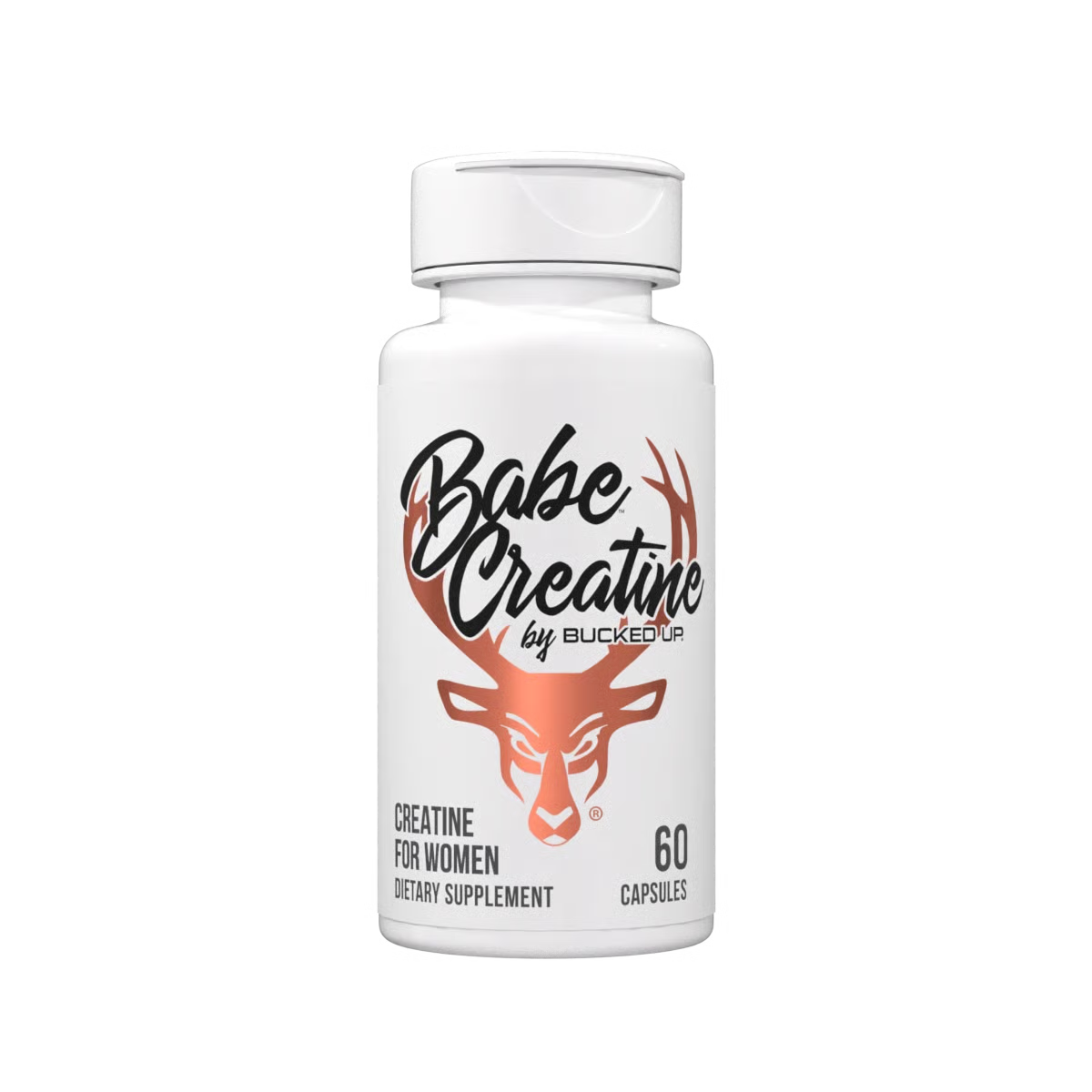
Babe Creatine capsules from Bucked Up and standard creatine HCl capsules are formulated for convenient dosing and a focus on solubility and digestive comfort based on product descriptions.
Convenience and Enjoyable Flavors
Some users prefer not to mix powders at all. For them, solid and flavored formats make daily creatine much easier to remember and enjoy.
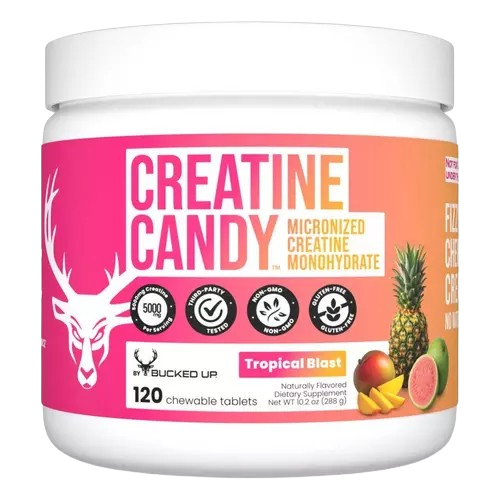
Creatine Gummies and Creatine Candy from Bucked Up offer pre-dosed creatine monohydrate in candy-like formats that remove mixing steps and support consistent daily intake.
Beyond Solubility: How Bucked Up Creatine Fits In
Bucked Up creatine products cover several needs. Six Point Creatine combines six creatine forms for a broad saturation strategy. Buck Build pairs multiple creatine forms with L-glutamine to support both performance and recovery, based on the described formula.
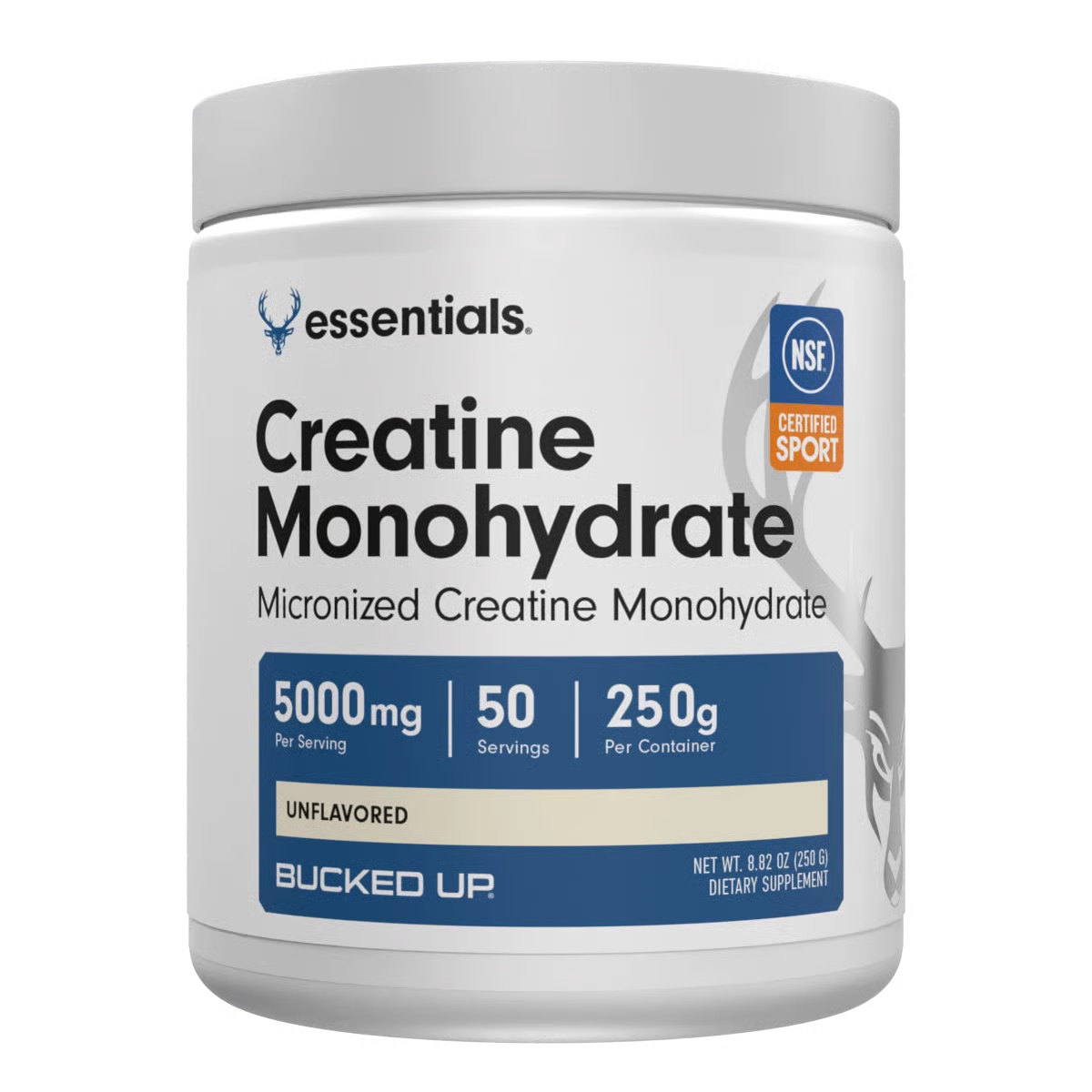
The brand highlights NSF and GMP certifications and clear labeling in its manifesto to support quality and transparency. Alternate delivery options such as Creatine Gummies, Creatine Candy, and capsule products give users flexibility in how they take creatine each day.
Simple Framework for Choosing Your Creatine
- Clarify your main goal: strength, size, endurance, general wellness, or a mix.
- Note digestive needs: if you often feel bloated or uncomfortable, consider creatine HCl, capsules, or gummies.
- Match your diet: choose low sugar or unflavored powders if you avoid sweeteners or follow low carb plans.
- Pick a format you will use daily: powders for custom drinks, capsules for quick dosing, or gummies and candy for a snack-style approach.
- Check transparency: look for clear ingredient lists, stated doses, and quality certifications that align with your expectations.
Explore Bucked Up creatine to find a formula and format that match your training, comfort preferences, and schedule.
Frequently Asked Questions About Solubility-Enhancing Creatine Ingredients
Is a solubility-enhanced creatine always better than plain monohydrate?
Plain creatine monohydrate remains highly effective when taken consistently, as described in the Bucked Up product information. Solubility-enhanced formulas mainly improve user experience, flavor, mixability, and sometimes comfort. If you digest regular monohydrate well and do not mind mixing it, extra ingredients may not be necessary.
Do basic performance benefits require add-ons beyond creatine monohydrate?
Creatine monohydrate alone supports core goals such as strength and muscle gain when used daily. Extra ingredients can help with specific needs, including smoother mixing, less potential stomach upset, or additional endurance and hydration support. Your choice should reflect your own response to creatine and your training style.
How does creatine HCl compare with monohydrate for solubility and comfort?
Creatine HCl is described by Bucked Up as more water-soluble than monohydrate, which can support smoother mixing and lower perceived stomach discomfort. Bucked Up creatine HCl capsules are designed for rapid dissolution and simple dosing based on product details. The main trade-off is a higher cost per serving that many users accept in exchange for convenience and comfort.
Conclusion
Choosing the right creatine in 2026 means looking beyond “does it work?” and focusing on how well it mixes, how it feels on your stomach, and whether you’ll actually take it every day. Solubility-enhancing ingredients, multi-creatine blends, and innovative formats like gummies and candy help you stay consistent while supporting strength, recovery, and hydration.
If you want pure, micronized powders, convenient capsules, or candy-style options that fit seamlessly into your routine, you can match your preference, goal, and digestive needs within the Bucked Up creatine lineup. Unlock peak mental and physical performance. Explore Bucked Up’s range of creatine products and find the perfect match for your wellness goals.
*Disclaimer: These statements have not been evaluated by the Food and Drug Administration. This product is not intended to diagnose, treat, cure, or prevent any disease.