
Key Takeaways
- Targeted supplements support the high stress of powerlifting by helping strength output, recovery, joint health, and hormone function when training and nutrition are in place.
- Creatine monohydrate and whey protein form a practical foundation for power, muscle repair, and overall progress on the squat, bench, and deadlift.
- Beta-alanine, nitric oxide ingredients, electrolytes, and basic sleep support can help sustain performance across long, heavy training sessions.
- Magnesium, zinc, joint support formulas, fish oil, vitamin D, and a quality multivitamin help powerlifters stay healthy enough to train hard over the long term.
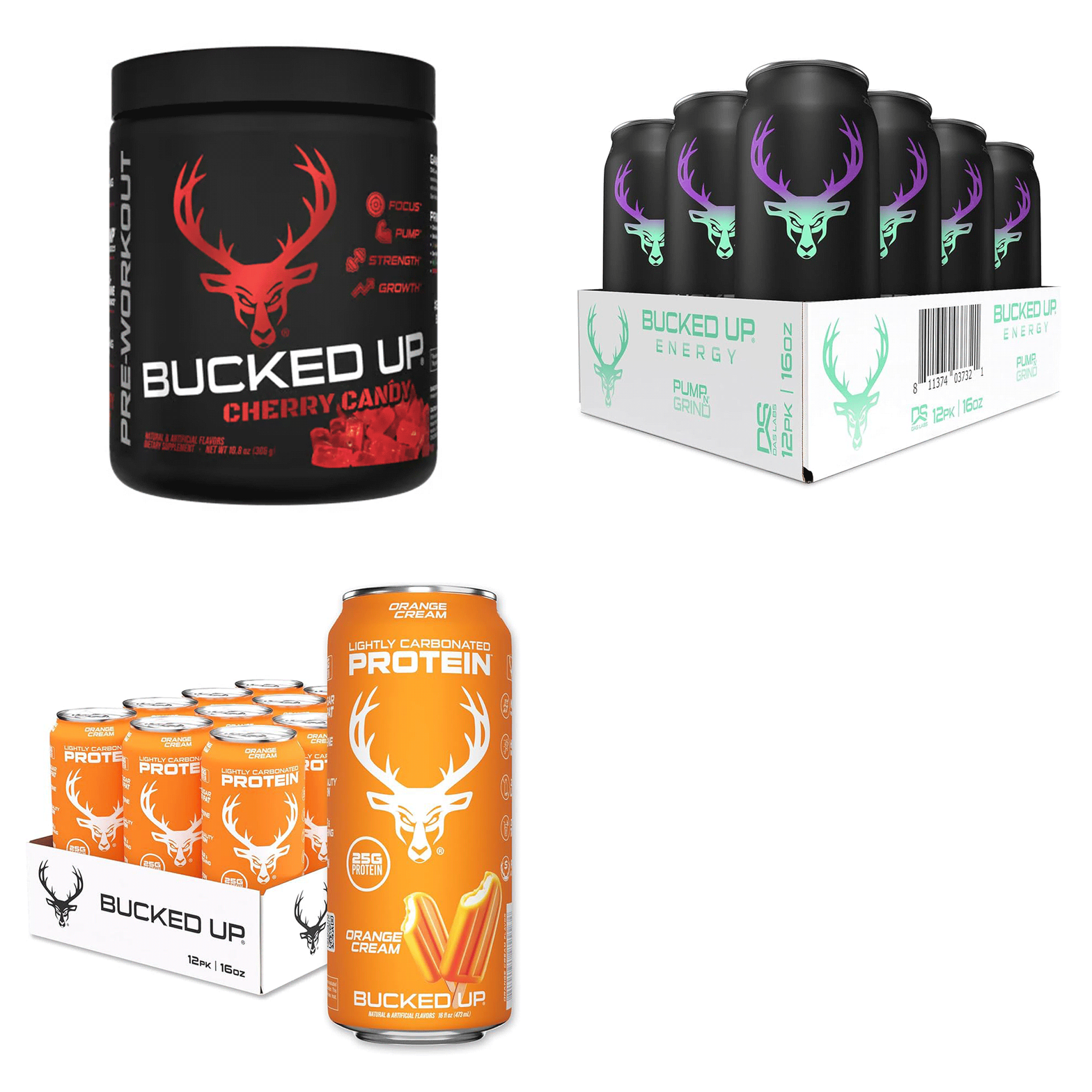
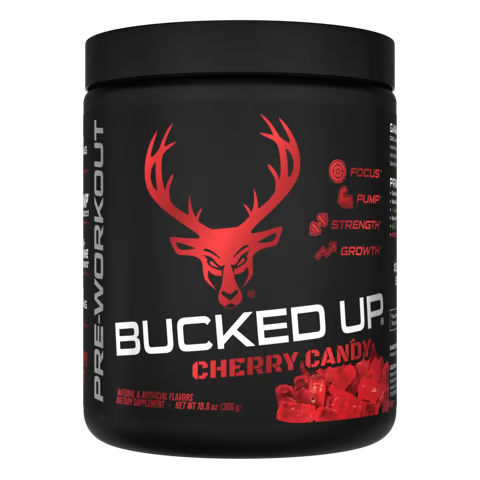
- Bucked Up Pre-Workout offers a convenient way to cover several key performance ingredients in one formula; shop Bucked Up Pre-Workout here.
The Powerlifter’s Edge: Why Strategic Supplementation Matters
Powerlifting places repeated maximal stress on your muscles, joints, and nervous system. Well-chosen supplements help cover nutritional gaps and support strength adaptation, recovery, and fatigue management.
Random supplementation wastes money and makes results hard to track. Focusing on ingredients with a clear mechanism and human data lets you match your supplement stack to heavy, low-rep training while keeping recovery on schedule.
Supplements work best alongside a solid program, enough calories, and adequate sleep. This Bucked Up Pre-Workout formula is designed to complement that foundation for serious lifters.
Build Your Base: Creatine and Protein for Strength and Recovery
Creatine monohydrate and protein powder sit at the top of the priority list for most powerlifters. They address strength output and muscle repair, two core needs for progress.
Creatine Monohydrate for Max Effort Power
Creatine monohydrate supports ATP production, work capacity, power output, and lean mass in strength athletes. This extra rapid energy is most relevant for heavy sets of one to five reps.
A simple daily dose of 5 grams, taken at any time of day, is enough to keep muscle creatine stores saturated. No cycling is required, and benefits build over weeks of consistent use.
Whey Protein for Muscle Repair and Growth
Whey protein offers complete essential amino acids that support muscle protein synthesis and recovery. This makes it useful after training and at any time when regular meals do not fully cover protein needs.
Whey appears consistently in analyses of effective supplements for muscle growth and maintenance. A typical serving ranges from 20 to 40 grams, adjusted based on total daily protein targets.
Creatine vs Protein: How They Work Together
|
Attribute |
Creatine Monohydrate |
Whey Protein |
|
Main role |
Short-duration strength and power |
Muscle repair and growth |
|
Primary mechanism |
Supports ATP regeneration |
Supplies amino acids for protein synthesis |
|
Evidence in lifters |
Very strong for strength and power |
Very strong for muscle mass and recovery |
|
Typical use |
5 g daily |
20 to 40 g per serving, as needed to hit daily protein |
Train Harder: Managing Fatigue and Blood Flow
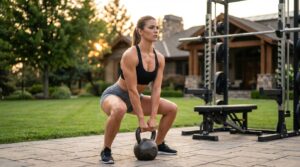
After covering basics, many powerlifters look at ingredients that support longer, harder sessions. Beta-alanine and nitric oxide boosters are common choices.
Beta-Alanine to Delay Muscle Fatigue
Beta-alanine increases muscle carnosine levels, which helps buffer acidity and delay fatigue during intense efforts. This is most relevant for higher-rep sets and volume work rather than single max attempts.
Effective beta-alanine use typically involves 4 to 6 grams per day for at least 2 to 4 weeks to raise muscle carnosine. Consistency matters more than exact timing.
Nitric Oxide Ingredients to Support Blood Flow
Nitric oxide ingredients such as citrulline and beetroot can increase blood flow, oxygen delivery, and muscle pump during training. Better circulation may help nutrient delivery and waste removal across long sessions.
L-arginine appears less reliable in healthy lifters, while citrulline often shows better bioavailability and nitric oxide support. Strength improvements tend to be modest compared with core supplements like creatine.
Beta-Alanine vs Nitric Oxide Support
|
Attribute |
Beta-Alanine |
Nitric Oxide Ingredients |
|
Main role |
Delay fatigue in hard sets |
Support blood flow and pump |
|
Best use case |
High-rep and volume work |
Long sessions and accessory work |
|
Evidence quality |
Strong for efforts over 60 seconds |
Moderate, more for pump than direct strength |
|
Typical dosage |
4 to 6 g per day |
Citrulline malate 6 to 8 g pre-workout |
Lift Longer: Muscle Recovery and Joint Support
Powerlifters need both muscle recovery and durable joints. BCAAs and joint formulas address different sides of this need.
BCAAs When Protein Intake Is Low
Branched-chain amino acids support muscle protein synthesis and may help with soreness when overall protein intake is low. Leucine is the main trigger for this effect.
Powerlifters who already hit daily protein goals through food and whey often see limited extra benefit from BCAAs. In that case, money usually goes further when directed toward creatine, beta-alanine, or health-focused micronutrients.
Glucosamine and Chondroitin for Joint Comfort
Glucosamine and chondroitin combinations target joint stress from repeated heavy squats, benches, and deadlifts. Many lifters use them to help manage discomfort and keep training consistent.
Common daily intakes include 1,500 to 2,000 milligrams of glucosamine and about 1,200 milligrams of chondroitin. Benefits tend to be moderate and build gradually.
BCAAs vs Joint Support
|
Attribute |
BCAAs |
Glucosamine and Chondroitin |
|
Main role |
Support muscle recovery when protein is low |
Support joint comfort and cartilage |
|
Best for |
Lifters struggling to hit protein targets |
Lifters with joint soreness from heavy loading |
|
Evidence in trained lifters |
Limited when protein is adequate |
Moderate for joint pain relief |
|
Typical intake |
5 to 10 g around training |
Glucosamine 1,500 to 2,000 mg, chondroitin 1,200 mg daily |
Support Hormones and Health: Magnesium, Zinc, and More
Micronutrient status affects strength, recovery, and sleep. Addressing these basics often has more impact than experimental hormone boosters.
Magnesium and Zinc for Recovery and Hormonal Function
Magnesium and zinc play key roles in hormone function, energy metabolism, and muscle contraction, and low levels are linked with reduced testosterone.
Clinicians frequently recommend daily magnesium as a well-studied option for active people. Correcting deficiencies in magnesium and zinc can support hormone balance, sleep, and recovery.
D-Aspartic Acid for Testosterone: Limited Carryover
D-aspartic acid can raise testosterone for a short period but has not shown consistent improvements in strength or body composition. This makes it a lower priority than basic minerals for most lifters.
Magnesium and Zinc vs D-Aspartic Acid
|
Attribute |
Magnesium and Zinc |
D-Aspartic Acid |
|
Main role |
Support normal hormones, sleep, and recovery |
Short-term testosterone increase |
|
Evidence |
Strong when correcting deficiencies |
Weak for long-term performance gains |
|
Typical intake |
Magnesium 200 to 400 mg, zinc 10 to 30 mg daily |
Around 3 g per day in many products |
Other Helpful Health and Recovery Tools
Several other supplements can round out a powerlifting plan by supporting health and recovery more than direct strength.
- Betaine may provide small work capacity benefits in high-volume training blocks.
- HMB has mixed data in resistance training and appears less useful for healthy, well-fed lifters.
- Fish oil, vitamin D3, and multivitamins support general health, inflammation control, and bone strength; all matter for heavy lifting.
- Calcium intake is especially important for skeletal health under heavy loads.
- Melatonin can support sleep quality, and electrolytes such as potassium help maintain muscle function during hard sessions.
Powerlifting Supplement FAQs
Is beta-alanine mainly for endurance, or does it help powerlifting?
Beta-alanine is most useful for high-rep sets and higher volume blocks because it delays fatigue in efforts that last longer than a few seconds. Many powerlifting programs include this type of work, so beta-alanine can support training volume even if it does not directly raise a one-rep max.
Which non-pre-workout supplements should powerlifters focus on first?
Most lifters start with creatine monohydrate, enough daily protein from food and whey, and basic health support from magnesium, zinc, vitamin D, and fish oil. These address strength, muscle repair, energy production, and long-term health before more specialized products are added.
How important are micronutrients compared with performance supplements?
Micronutrients form the base layer that allows performance supplements to work well. Deficiencies in magnesium, zinc, vitamin D, or key electrolytes can limit strength gains and recovery even when creatine and other products are in place.
Conclusion: Build a Focused, Evidence-Based Stack
Effective supplementation for powerlifting starts with priorities: creatine for strength and power, whey protein for muscle repair, beta-alanine and citrulline for tougher sessions, and minerals and vitamins for health and hormonal support. Each product should have a clear role in your plan.
Training quality, nutrition, sleep, and sound programming still drive most progress. Once these are covered, well-chosen supplements can support harder sessions and faster recovery over the long term. Explore Bucked Up Pre-Workout to see how a structured formula can fit into your strength routine.
Disclaimer: These statements have not been evaluated by the Food and Drug Administration. This product is not intended to diagnose, treat, cure, or prevent any disease.