Written by: Ryan Gardner, Owner, Managing Partner, CEO, Bucked Up | Last updated: April 17, 2026
Key Takeaways for Daily Creatine Use
- Daily creatine monohydrate at 3-5 grams is safe for long-term use in healthy athletes, with meta-analyses showing no kidney damage after 21 months.1
- Common myths about bloating, cramps, and organ damage are not supported by current data; side effects are uncommon and manageable with smart dosing and hydration.1
- Consistent daily intake keeps muscles saturated, which supports ATP regeneration, strength, power, and recovery during training.1
- Cycling is not required, and you do not need to skip rest days; take creatine post-workout or whenever it fits your routine, and pair it with solid daily hydration for reliable results.1
- Choose Bucked Up creatine products such as micronized powder, HCl capsules, or gummies to match your tolerance, schedule, and performance goals.1
How Creatine Hesitation Can Stall Athletic Progress
Skipping daily creatine doses creates inconsistent muscle saturation levels, which slows recovery between training sessions and reduces potential performance gains.1 When athletes avoid consistent supplementation because of myths or outdated information, they miss out on enhanced ATP regeneration, improved power output, and faster muscle recovery.1 This hesitation becomes especially costly during intense training phases, when reliable energy production and recovery matter most for maintaining performance standards.1
How Creatine Monohydrate Fuels Strength, Power, and Focus
Creatine monohydrate supports athletic performance by increasing phosphocreatine stores in muscles, which speeds up ATP regeneration during high-intensity efforts like sprinting, weightlifting, and team sports.1 This process supports strength, power output, and recovery, and research also points to cognitive benefits for focus and decision-making during competition.1 A study of 71 female football players found no clinically meaningful derangements in biochemical safety markers with daily creatine monohydrate supplementation throughout a 32-week competitive season.1 Athletes across many sports benefit from creatine’s ability to support energy production during repeated high-intensity efforts, whether performing multiple sets in the weight room or sustaining power during intermittent sports activities.1 Given these performance benefits, athletes naturally want to know how daily use affects long-term safety.
Daily Creatine Safety and Dosing Protocols for Athletes
Daily creatine monohydrate supplementation at 3-5 grams as a maintenance dose is considered safe for long-term use in healthy athletes.1 The systematic review by Kabiri Naeini and colleagues found no serious long-term adverse effects on kidney function in athletes supplemented for up to 21 months.1 Athletes can follow a loading protocol of 20 grams daily for 5-7 days followed by 5 grams for maintenance, or skip loading and take 5 grams daily for gradual saturation over 3-4 weeks.1 Proper hydration of 80-100 ounces of water daily supports normal function, and supplementation should continue on rest days to maintain muscle saturation levels. Athletes with pre-existing kidney conditions should consult a healthcare provider before starting creatine.
Creatine Monohydrate Side Effects in Athletes: What the Data Shows
Large-scale research challenges common fears about creatine monohydrate side effects in athletic populations.1 The table below summarizes how often these effects appear and how athletes can reduce their risk.
| Side Effect | Likelihood | Athlete Context | Prevention |
|---|---|---|---|
| Weight Gain | Common (2-5 lbs water) | Often acceptable during bulking, more concerning during cuts | Use HCl forms, and consider skipping the loading phase |
| Bloating/GI Issues | Rare at 5g (5.5% vs. 4.2% placebo) | Micronized forms can reduce occurrence | Split doses and take with food |
| Muscle Cramps | No increase vs. placebo | Hydration remains the key factor | Maintain adequate daily hydration |
| Kidney/Liver Damage | None reported in healthy users (no GFR changes) | Safe up to 21 months in available studies | Use standard dosing and support with adequate hydration |
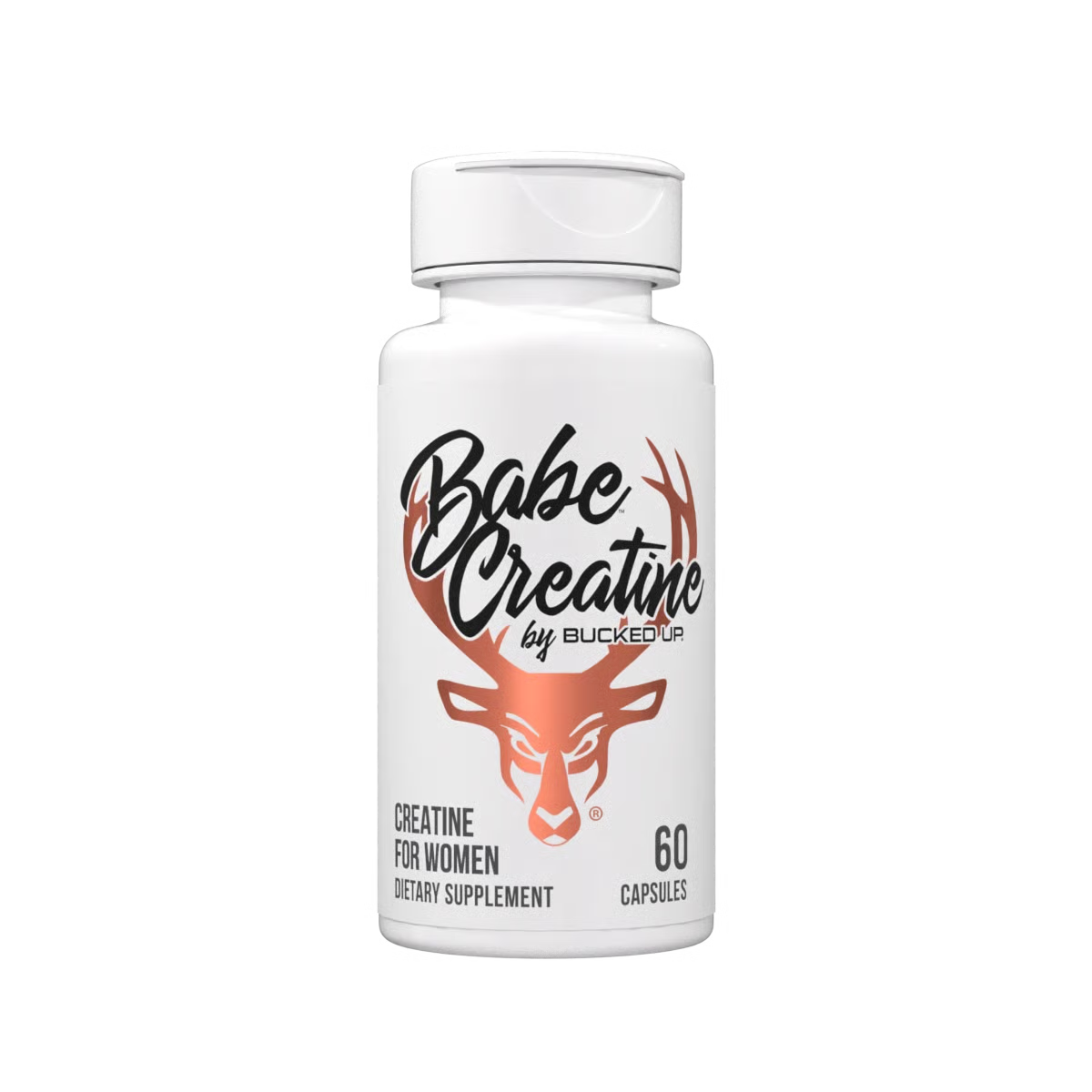
Weight gain from creatine usually comes from increased intracellular water storage, not fat accumulation. This water retention increases muscle cell volume and supports anabolic signaling pathways that promote muscle protein synthesis.1 Female athletes using specialized formulations like Babe Creatine HCl often report minimal bloating while maintaining strength gains and improved recovery.1
Bucked Up Creatine Formats Tailored for Athlete Needs
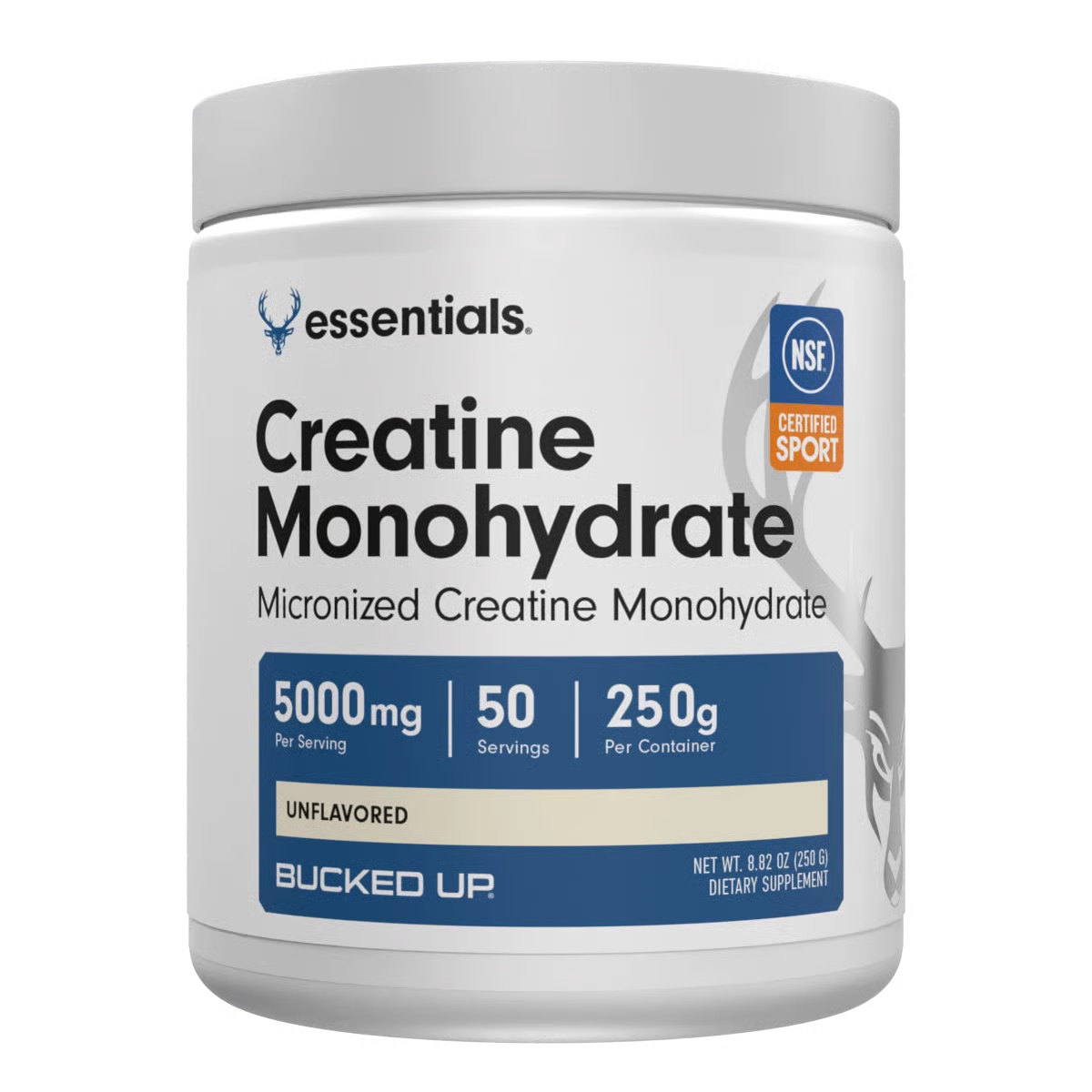
Bucked Up offers several creatine formats that address common athlete concerns while still supporting performance.1 Pure Creatine features 99.8% pure micronized creatine monohydrate with NSF certification and comes in flavored options that help reduce chalky textures and mixing issues.
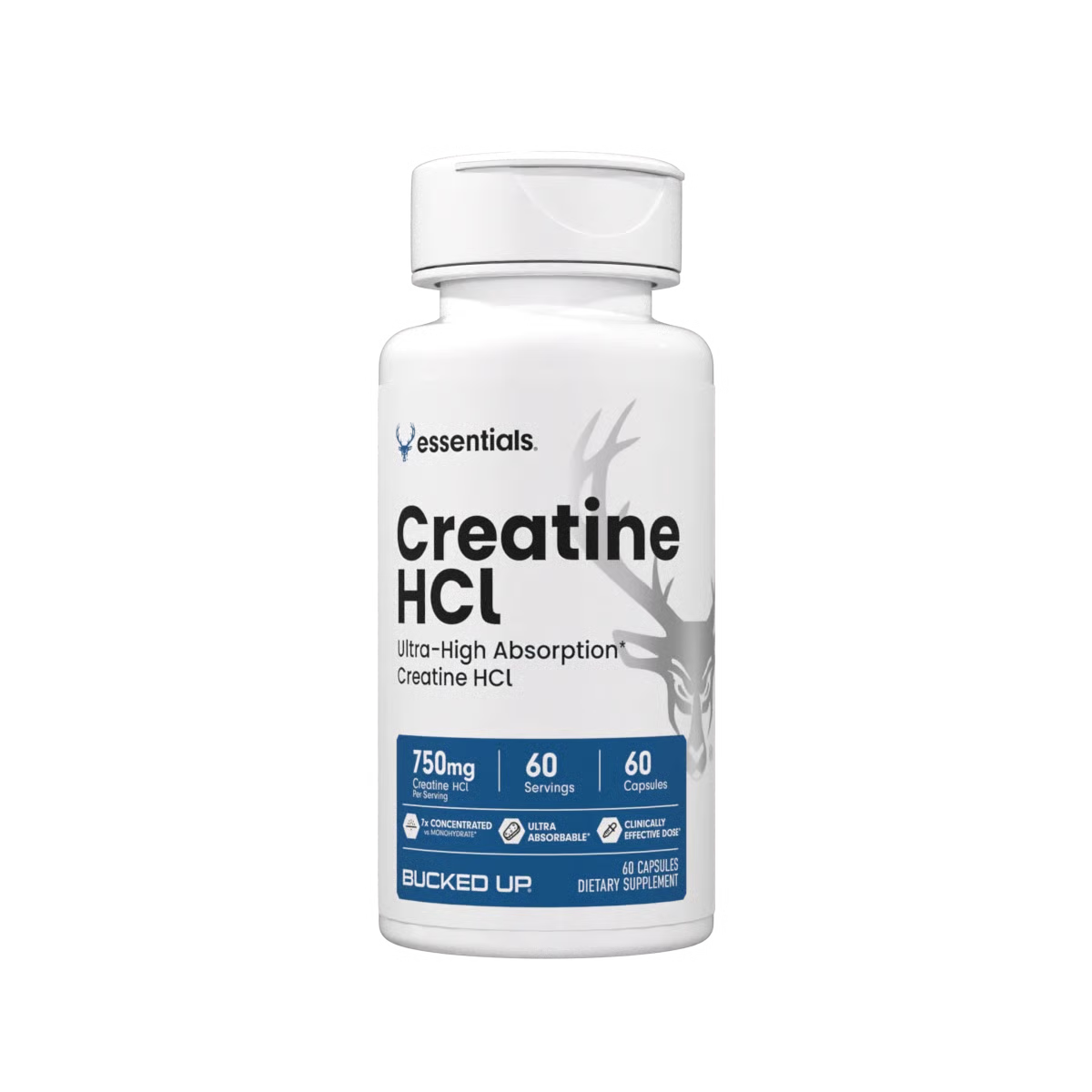
For athletes who tend to experience bloating, Creatine HCl capsules provide 750 mg of CON-CRĒT® per capsule without loading requirements or noticeable water retention for many users. The precise dosing supports consistent intake and is designed for efficient absorption and cellular uptake.1
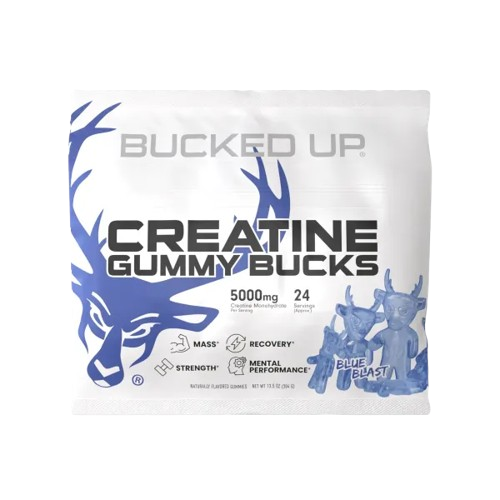
Bucked Up’s Creatine Gummies and Creatine Candy give athletes portable, convenient options for busy training schedules. These formats remove the need for shakers and measuring, which makes daily consistency easier during travel, tournaments, or long competition days.
Creatine Myths, Hydration, and Practical Athlete Protocols
Athletes do not need to cycle creatine or skip rest days, because consistent daily intake keeps muscle saturation at effective levels. Controlled studies show no detrimental effects on hydration, thermoregulation, or performance in athletes exercising in hot environments.1 Creatine can be combined with most supplements, including many pre-workouts and protein powders, although athletes should avoid excessive caffeine intake that can affect hydration status. Those with pre-existing kidney conditions should work with a healthcare provider before starting or adjusting creatine protocols.
Daily Creatine Habits for Peak Performance
Athletes can take 5 grams of creatine monohydrate daily, preferably post-workout when muscle uptake may be enhanced, yet timing remains flexible enough to match any consistent schedule.1 This flexibility means creatine fits easily into an existing supplement routine, and athletes can pair it with Bucked Up pre-workouts and protein supplements without known interaction concerns. To support this supplementation, stay well-hydrated throughout the day to promote normal cellular function and reduce the chance of cramping. Ultimately, consistency matters more than precise timing, so daily use is the main driver of sustained performance benefits and muscle saturation.
Frequently Asked Questions
Should I take creatine every day as an athlete?
Daily creatine supplementation maintains muscle saturation levels that support steady performance gains.1 Skipping days lowers muscle creatine stores and reduces the benefits athletes expect from supplementation. Consistent daily intake of 3-5 grams keeps muscles supplied for ATP regeneration during training and competition.1
What is the safe creatine dosage for athletes?
The safe and effective maintenance dose for athletes is 3-5 grams of creatine monohydrate daily.1 Larger athletes weighing over 200 lbs may choose doses up to 5-10 grams daily, based on individual response and guidance from a professional.1 Loading phases of 20 grams for 5-7 days remain optional, because maintenance dosing alone can reach full saturation within 3-4 weeks.
Should I take creatine on rest days?
Creatine should also be taken on rest days to maintain muscle saturation levels.1 Muscles continue recovering and adapting when you are not training, and steady creatine availability supports these processes. Skipping rest day doses can gradually lower muscle creatine stores over time.
Are creatine pills better than powder for athletes?
Creatine HCl capsules can help athletes who care most about convenience or who are prone to bloating with larger powder servings.1 Capsules offer precise dosing without mixing and may cause less gastrointestinal discomfort for some users. Both capsules and powder can be effective when taken consistently at appropriate doses.
How much water should I drink with creatine?
As mentioned earlier, athletes can aim for 80-100 ounces of water daily when using creatine. Take each creatine dose with about 8-12 ounces of water, and maintain steady hydration throughout the day to support cellular function and reduce the risk of cramping during intense training sessions.
Commit to Daily Creatine with Confidence
Daily creatine monohydrate supplementation gives athletes a research-supported performance edge without the safety concerns often raised in casual conversation.1 Modern formulations and clear dosing protocols help limit side effects while supporting strength, power, and recovery.1 Bucked Up’s creatine lineup offers several ways to build a routine that fits your preferences, whether you choose pure micronized powder, convenient capsules, or gummy formats that make daily consistency straightforward and easy to maintain.
1 The content provided in this article is for informational purposes only and is not medical advice. Consult with a medical professional before implementing any changes to your diet, health, or exercise routines.
Individual results will vary and are based on a combination of each individual’s diet, exercise, age, and health circumstances.
These statements have not been evaluated by the Food and Drug Administration. This product is not intended to diagnose, treat, cure or prevent any disease.
This article was written by Ryan Gardner, CEO of Bucked Up. As the maker of Bucked Up Creatine, we have a financial interest in this information. The views expressed are our own and should be read with that context in mind