Written by: Ryan Gardner, Owner, Managing Partner, CEO, Bucked Up | Last updated: April 22, 2026
Key Takeaways: Citrulline Malate vs Nitrosigine for Pumps
- Citrulline malate supports sustained nitric oxide production through renal conversion, which suits high-volume workouts at 6–8g effective dosing.1
- Nitrosigine delivers a rapid onset in about 30 minutes and can last up to 6 hours through arginase inhibition at a 1.5g dose.1
- Both ingredients reach similar 31–34% flow-mediated dilation, creating comparable pump strength through complementary nitric oxide pathways.1
- Stacking Nitrosigine with citrulline or L-citrulline can maximize pumps by pairing fast-acting effects with longer-lasting support.1
- Experience this full-dose combination in Bucked Up Mother Bucker, which also includes Hydroprime for added performance support.
How Citrulline Malate and Nitrosigine Work for Pumps
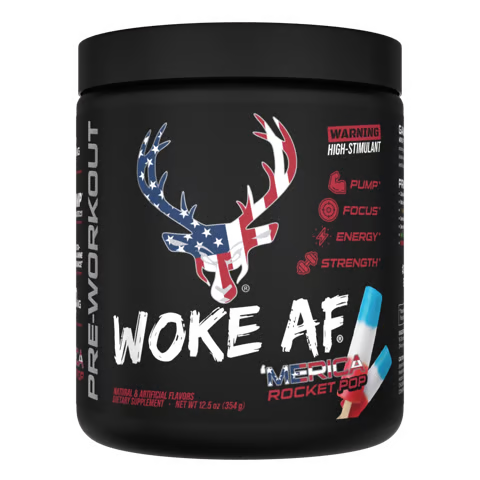
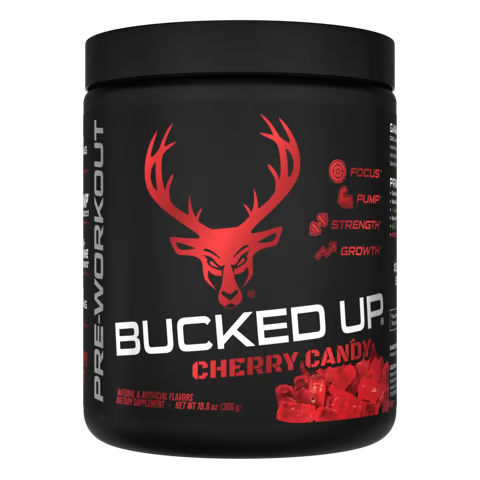
Citrulline malate combines L-citrulline with malic acid in a 2:1 ratio, and this pairing supports sustained nitric oxide production through a renal conversion pathway.1 L-citrulline bypasses the arginine paradox by avoiding first-pass metabolism in the intestines and liver, converting to arginine primarily in the kidneys to reliably elevate plasma arginine levels.1 This pathway supports more consistent nitric oxide synthesis compared to direct arginine supplementation.1 Bucked Up and Woke AF feature 6 grams of citrulline malate, which provides about 4 grams of pure L-citrulline for steady pump support.1
While citrulline malate relies on this sustained renal conversion pathway, Nitrosigine (inositol-stabilized arginine silicate) represents a newer, more direct approach to nitric oxide enhancement and appears prominently in Mother Bucker. Nitrosigine increases blood arginine levels quickly after ingestion and maintains elevated levels for up to 6 hours, with the silicon component inhibiting arginase for improved bioavailability.1 This rapid onset supports immediate pre-workout effects, and the extended duration helps carry pumps through longer training sessions.1
Side-by-Side Breakdown: Citrulline Malate vs Nitrosigine
| Attribute | Citrulline Malate | Nitrosigine | Notes |
|---|---|---|---|
| Mechanism | Renal conversion to arginine | Direct arginine delivery with arginase inhibition | Pathways work together |
| Effective Dosage | 6–8g (providing 4–5.3g L-citrulline) | 1.5g | Nitrosigine is more concentrated |
| Onset Time | Around 60 minutes | Around 30 minutes | Nitrosigine acts faster |
| Duration | Several hours of sustained support | Up to 6 hours | Nitrosigine lasts longer |
| Pump Strength | Citrulline malate at 8g achieves 34% flow-mediated dilation1 | Nitrosigine at 1.5g increases flow-mediated dilation by 31%1 | Similar pump potential at studied doses |
How Each Ingredient Impacts Nitric Oxide and Pumps
The main difference between these ingredients lies in how they support nitric oxide production. Citrulline malate works through renal conversion, where L-citrulline bypasses intestinal arginase to convert into arginine in the kidneys, which keeps plasma arginine levels elevated in a steady way. This pathway helps deliver consistent pump effects across longer training sessions and suits high-volume workouts.1
Nitrosigine uses a more direct route. The silicon component inhibits arginase, leading to over 70% greater increases in plasma arginine levels compared to arginine hydrochloride.1 This rapid rise in arginine supports quick vasodilation, which works well for lifters who want pumps to kick in early in the workout.1
Endurance performance highlights another key difference between these ingredients. For longer sets and higher volume, comparative studies showed citrulline malate users achieving a 12.4% increase in total work versus 8.7% for pure L-citrulline, with 15% lower perceived exertion.1 The malate component supports ATP production through the Krebs cycle, which adds an energy and endurance benefit on top of nitric oxide support.1 This profile makes citrulline malate a strong fit for leg day and high-repetition training, which explains why Bucked Up includes 6 grams in their formula.
For pump-focused lifters who also care about endurance, the malate form often provides more support than pure L-citrulline.1 Bucked Up uses the 2:1 ratio to deliver nitric oxide support along with metabolic benefits that help sustain performance across demanding sessions.
Stacking Nitrosigine and L-Citrulline for Bigger Pumps
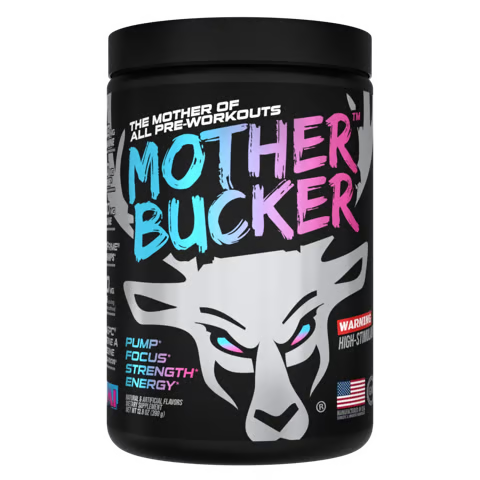
Combining Nitrosigine with L-citrulline can create a strong nitric oxide stack. Mother Bucker follows this strategy with 1.5g Nitrosigine paired with 4g L-citrulline, plus Hydroprime glycerol and AstraGin to support absorption. This combination offers fast pump activation from Nitrosigine, while L-citrulline helps maintain those effects throughout the workout.1
The synergy works because of the comparable pump strength mentioned earlier, where both ingredients influence flow-mediated dilation through different mechanisms and timeframes. Taking them together about 30 minutes before training helps set up rapid-onset pumps that carry into more sustained vascularity as the session continues.
When you compare stacks, focus on your training style and on formulas that list exact ingredient amounts. Transparent labels make it easier to confirm that you are getting research-backed doses of both Nitrosigine and L-citrulline, which supports the full benefit of this combination.
Side Effects, Safety, and Who Each Ingredient Fits Best
Both ingredients show strong safety profiles with minimal reported side effects in healthy adults.1 Research reports no adverse events from oral L-citrulline supplementation at doses up to 15 grams in healthy adults.1 Citrulline malate tends to be stomach-friendly and rarely causes digestive discomfort, even at higher doses within the studied range.
Nitrosigine also shows minimal side effects in research.1 Nutrition 21’s Nitrosigine at 1,500 mg has been evaluated in multiple clinical trials, and these studies report no adverse reactions in healthy populations at that dose.
Beginners who want reliable pump support often do well starting with Bucked Up’s 6g citrulline malate, which pairs this nitric oxide support with a moderate 200mg caffeine content. Advanced lifters who push heavier volume or intensity may look toward Mother Bucker’s more comprehensive stack, which combines both Nitrosigine and L-citrulline in one formula.
Why Mother Bucker’s Pump Formula Can Stand Out
Mother Bucker provides full doses of both Nitrosigine (1.5g) and L-citrulline (4g), and the label discloses exact amounts for each ingredient. Current research suggests optimal citrulline malate dosages hover closer to eight-gram servings for performance benefits1, and Mother Bucker supports this target through its strategic combination of L-citrulline with other pump-focused ingredients.
Manufacturing takes place in USA GMP-certified facilities, and the formula avoids proprietary blends, which removes guesswork about what you are taking. Hydroprime glycerol and AstraGin further support absorption and pump intensity, creating a well-rounded nitric oxide and cell-volumizing stack.1 Get the complete pump stack with Mother Bucker’s transparent, research-informed formula.
Frequently Asked Questions
Can you take Nitrosigine and L-citrulline together?
Yes, combining Nitrosigine and L-citrulline is considered safe in healthy adults and can be highly effective for pumps. This pairing offers rapid-onset pumps from Nitrosigine and longer-lasting support from L-citrulline across the workout. Mother Bucker uses this approach with 1.5g Nitrosigine and 4g L-citrulline, which supports nitric oxide production through complementary pathways.
Is L-citrulline or citrulline malate better for pumps?
Citrulline malate often suits endurance-focused training because the malate component supports ATP production through the Krebs cycle. The 2:1 ratio in products like Bucked Up provides about 4g of pure L-citrulline from 6g citrulline malate, while also supporting sustained energy production and lower perceived exertion during high-volume sessions.
What are Nitrosigine side effects?
Nitrosigine shows excellent tolerability in available research, with minimal side effects reported.1 Multiple clinical trials using the standard 1.5g dose report no adverse reactions in healthy participants. Its gentle profile on the stomach makes it a practical choice for pre-workout use without common digestive concerns.
What is the optimal citrulline malate dosage in pre-workouts?
Research supports 6–8g citrulline malate as the effective range for performance benefits, which supplies about 4–5.3g of pure L-citrulline.1 Bucked Up includes 6g citrulline malate per serving, which sits at the lower end of this research-backed range and supports reliable nitric oxide production and pump effects.1
What is a strong nitric oxide booster approach for pumps?
A practical approach to nitric oxide support uses multiple pathways instead of relying on a single ingredient. Mother Bucker’s stack of Nitrosigine, L-citrulline, and Hydroprime glycerol provides broad pump support through rapid onset, sustained duration, and added muscle volumization.1 Compare options based on your training goals and on whether the label provides clear, research-aligned ingredient dosages.
1 The content provided in this article is for informational purposes only and is not medical advice. Consult with a medical professional before implementing any changes to your diet, health, or exercise routines.
Individual results will vary and are based on a combination of each individual’s diet, exercise, age, and health circumstances.
These statements have not been evaluated by the Food and Drug Administration. This product is not intended to diagnose, treat, cure or prevent any disease.
This article was written by Ryan Gardner, CEO of Bucked Up. As the maker of Bucked Up pre-workout, we have a financial interest in this information. The views expressed are our own and should be read with that context in mind.