Last updated: April 17, 2026
Key Takeaways
- Natural caffeine sources like coffee and guarana provide strong energy along with antioxidants that can support a smoother release than many synthetics.1
- Yerba mate, matcha, and green tea can support focused, steady energy through compounds such as L-theanine.1
- Performance-focused drinks build on natural sources, with Bucked Up offering a 300mg flagship formula and 150mg InnovaBean option for sustained performance support.1
- Natural options can reduce crashes and add helpful plant compounds, but potency varies and some require more prep time.1
- Explore Bucked Up Energy Drinks if you want a ready-to-drink natural caffeine option for performance.
Top Natural Caffeine Sources at a Glance
This overview highlights several natural caffeine sources with example milligrams per serving so you can compare potency quickly.
- Coffee: approximately 95mg per 8oz cup
- Guarana seeds: 36-58mg per gram (3.6-5.8% by weight)
- Yerba mate: 40-85mg per 8oz serving
- Matcha: 40-130mg per 8oz serving
- Kola nuts: 2-3% caffeine by weight
Consider both caffeine strength and how evenly that energy feels over time when you compare these sources. Performance-focused drinks like Bucked Up build on these ingredients by pairing natural caffeine with additional compounds for more targeted effects.1
The Shift to Natural Caffeine Drinks in 2026
Interest in natural caffeine sources continues to grow as more people move away from traditional coffee and soda. The global superfoods market is projected to reach $209 billion in 2026, reflecting demand for ingredients that support energy and broader wellness.
This shift puts plant-based caffeine sources at the center of many daily routines. Bucked Up aligns with this movement by using InnovaBean natural caffeine in Babe Energy (150mg) and pairing natural caffeine with TeaCrine in the 300mg flagship formula to support performance without synthetic caffeine.1
Top 11 Natural Caffeine Sources Ranked for Everyday Energy
1. Coffee Beans
95mg caffeine per 8oz cup. Coffee is the most widely used natural caffeine source and delivers predictable stimulation with antioxidant support.1 Regular use can build tolerance over time, and some people experience noticeable energy dips as the effects wear off.
2. Guarana Seeds
36-58mg per gram (3.6-5.8% by weight). Guarana contains about twice as much caffeine per gram as coffee beans, and its natural tannins can slow absorption. This slower uptake may support a more gradual, longer-lasting energy curve.1
3. Green Tea Leaves
29mg caffeine per 8oz serving. Green tea offers moderate caffeine along with L-theanine, which can promote calm focus.1 The lower caffeine content often means you need more than one serving if you want a stronger effect.
4. Yerba Mate
40-85mg per 8oz serving. This traditional South American drink provides a mix of caffeine, vitamins, and minerals. Many people use it for steady stimulation that feels less jittery than some coffee experiences.1
5. Kola Nuts
2-3% caffeine by weight. Kola nuts, historically used in cola recipes, supply concentrated caffeine along with bitter compounds. These bitters may influence how quickly your body absorbs the caffeine.
6. Cocoa Powder
8-12mg per tablespoon. Cocoa combines small amounts of caffeine with theobromine, which can support mild stimulation and mood.1 The relatively low caffeine content makes cocoa better for gentle alertness than for intense energy needs.
7. Green Coffee Beans / InnovaBean
Unroasted coffee beans keep more of their natural antioxidants while still supplying caffeine. Babe Energy from Bucked Up uses InnovaBean green coffee caffeine at 150mg per can to provide a plant-based source without synthetic caffeine.
8. Yaupon Holly
Yaupon holly is a North American plant that naturally contains caffeine and antioxidants. It is gaining attention as a regional, sustainable alternative to coffee that can deliver a smooth lift in energy.1
9. Guayusa
Guayusa leaves, traditionally brewed in parts of the Amazon, contain caffeine along with theobromine. This combination can support mental clarity and a balanced, sustained sense of alertness.1
10. Cacao Nibs
Cacao nibs are pieces of raw cacao that provide mild caffeine and mood-supporting compounds. They work well when you want a subtle boost rather than a high-intensity pre-workout level of energy.
11. Matcha
40-130mg per 8oz serving. Matcha is powdered green tea that delivers more concentrated caffeine than standard green tea, along with L-theanine for focused calm.1 The need for whisking and proper preparation can make it less convenient for some daily routines.
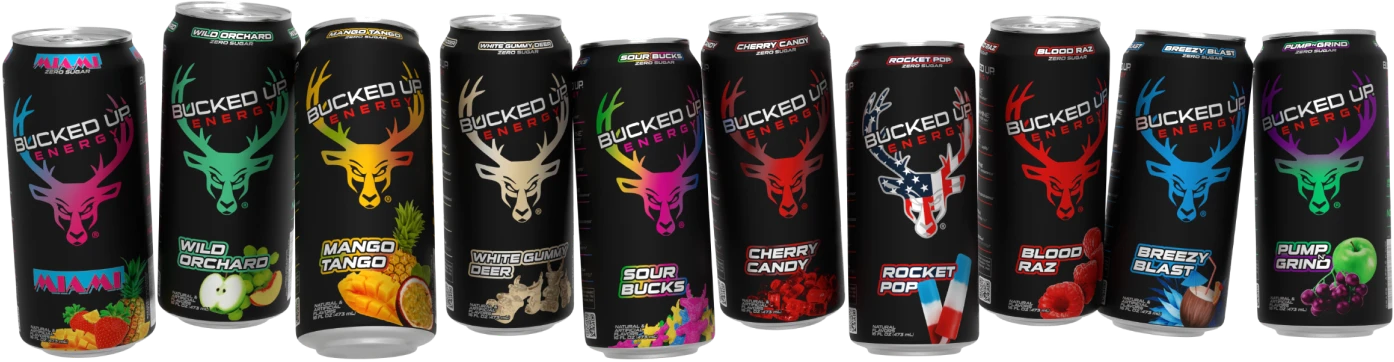
Explore the Bucked Up Energy lineup if you prefer a ready-made drink that uses natural caffeine in performance-focused formulas.
| Source | Caffeine (mg/serving) | Key Benefits |
|---|---|---|
| Coffee | 95mg/8oz | Antioxidants, alertness |
| Guarana | 36-58mg/g | Sustained release |
| Bucked Up Flagship | 300mg | Focus support, mood support1 |
Pros and Cons of Natural Caffeine Sources
Advantages: Natural caffeine sources can deliver a smoother energy curve because they often contain antioxidants, amino acids, and other plant compounds that influence absorption. This gentler release pattern can reduce jitters and sharp crashes compared to some highly processed or purely synthetic options.1
Limitations: Caffeine content can vary widely between servings, which makes precise dosing harder. That variability, combined with preparation steps and strong or unfamiliar flavors, can limit how often some people use these sources. Many natural options also require multiple servings to reach higher caffeine levels, which adds time and cost.
Performance-focused products like Bucked Up aim to balance these trade-offs by pairing natural caffeine with ingredients such as TeaCrine to support consistent energy and focus.1
Using Natural Caffeine for Workouts and Focus
Timing your intake helps you get the most from natural caffeine. Many people feel peak effects when they consume caffeine 30 to 45 minutes before a workout or demanding mental task. Personal tolerance still matters, so adjust your timing and amount if you notice sleep disruption or lingering stimulation.
Hydration also plays a role because caffeine can have mild diuretic effects. Staying hydrated becomes especially important during training sessions, when caffeine and sweat loss occur together. Cycling your caffeine use with occasional lower-intake days or short breaks can help slow tolerance buildup so you do not need to keep increasing your dose.
Consistent potency supports predictable results, which is why Bucked Up focuses on tight manufacturing standards for each batch.1 You can find Bucked Up Energy Drinks at retailers across the country using the store locator.
Natural Caffeine Sources vs. Traditional Drinks
This comparison highlights how natural sources and popular energy drinks differ in caffeine content and added functional ingredients.
| Beverage | Caffeine Content | Added Benefits |
|---|---|---|
| Coffee | 95mg/8oz | Antioxidants |
| Red Bull | 80mg/8.4oz (per label) | B-vitamins |
| Bucked Up Flagship | 300mg | Focus support, mood support |
See how Bucked Up Energy Drinks fit into your caffeine routine if you want a higher-caffeine option built around natural sources.
Natural Caffeine Sources FAQ
What is the best natural source of caffeine?
The most suitable natural caffeine source depends on your goals, tolerance, and flavor preferences. Some people prefer single-ingredient options such as guarana or yerba mate for a more traditional approach. Others choose performance-focused drinks like Bucked Up Energy, which combine natural caffeine with TeaCrine and AlphaSize to support sustained focus and training performance.1
What are the healthiest natural caffeine options?
Green tea, matcha, and yerba mate provide caffeine along with antioxidants and amino acids that support overall wellness.1 These drinks often feel smoother than some high-caffeine alternatives because of their additional plant compounds. Formulas that use natural caffeine and add performance ingredients can offer targeted benefits for workouts or demanding cognitive tasks, depending on how you use them.1
What natural caffeine sources exist other than coffee?
Natural alternatives to coffee include guarana seeds, yerba mate, green tea, matcha, kola nuts, cocoa, yaupon holly, and guayusa. Each source has its own typical caffeine range and mix of supporting compounds. Modern ingredients such as Bucked Up’s InnovaBean provide concentrated natural caffeine from green coffee beans without the need to brew a pot of coffee.1
Is natural caffeine safe during pregnancy?
Health organizations advise limiting caffeine intake during pregnancy. The American College of Obstetricians and Gynecologists and FDA recommend no more than 200mg daily.1 Babe Energy from Bucked Up contains 150mg natural caffeine, which fits within these guidelines when it is your only caffeine source for the day. Always speak with your healthcare provider for guidance tailored to your situation.
How much natural caffeine is safe daily?
Many healthy adults can consume up to 400mg of caffeine per day from all sources combined. Individual tolerance varies based on factors such as body weight in lbs, sensitivity, and any medications you take. Start with smaller amounts, watch how your body responds, and avoid caffeine later in the evening if it interferes with sleep.
Choosing a Natural Caffeine Source That Fits Your Goals
Natural caffeine sources can provide a more rounded experience than many synthetic-only options because they include additional plant compounds that influence how energy feels. Ingredients such as guarana and yerba mate can support sustained performance, while performance-focused drinks use these same natural sources in more concentrated, convenient formats.1
You can build your routine around traditional drinks like green tea and yerba mate or use performance formulations such as Bucked Up’s TeaCrine-powered options for training and focus. Natural caffeine forms the base in both cases, and the best fit comes from matching your preferred potency, flavor, and performance needs.
Start exploring Bucked Up Energy Drinks if you want natural caffeine in a performance-focused format
1 The content provided in this article is for informational purposes only and is not medical advice. Consult with a medical professional before implementing any changes to your diet, health, or exercise routines.
Individual results will vary and are based on a combination of each individual’s diet, exercise, age, and health circumstances.
These statements have not been evaluated by the Food and Drug Administration. This product is not intended to diagnose, treat, cure or prevent any disease.
This article was written by Ryan Gardner, CEO of Bucked Up. As the maker of Bucked Up Energy Drinks, we have a financial interest in this information. The views expressed are our own and should be read with that context in mind.