
Key Takeaways:
- Clear, accurate supplement labels make it easier to align muscle-building products with your goals and tolerance.
- FDA rules set a baseline for disclosure, but some brands still hide key details by using proprietary blends and vague panels.
- Hidden formulas can waste money, slow progress, and increase the risk of side effects or allergen exposure.
- Full ingredient transparency lets you verify doses, compare products, and fit supplements into your training and nutrition plan.
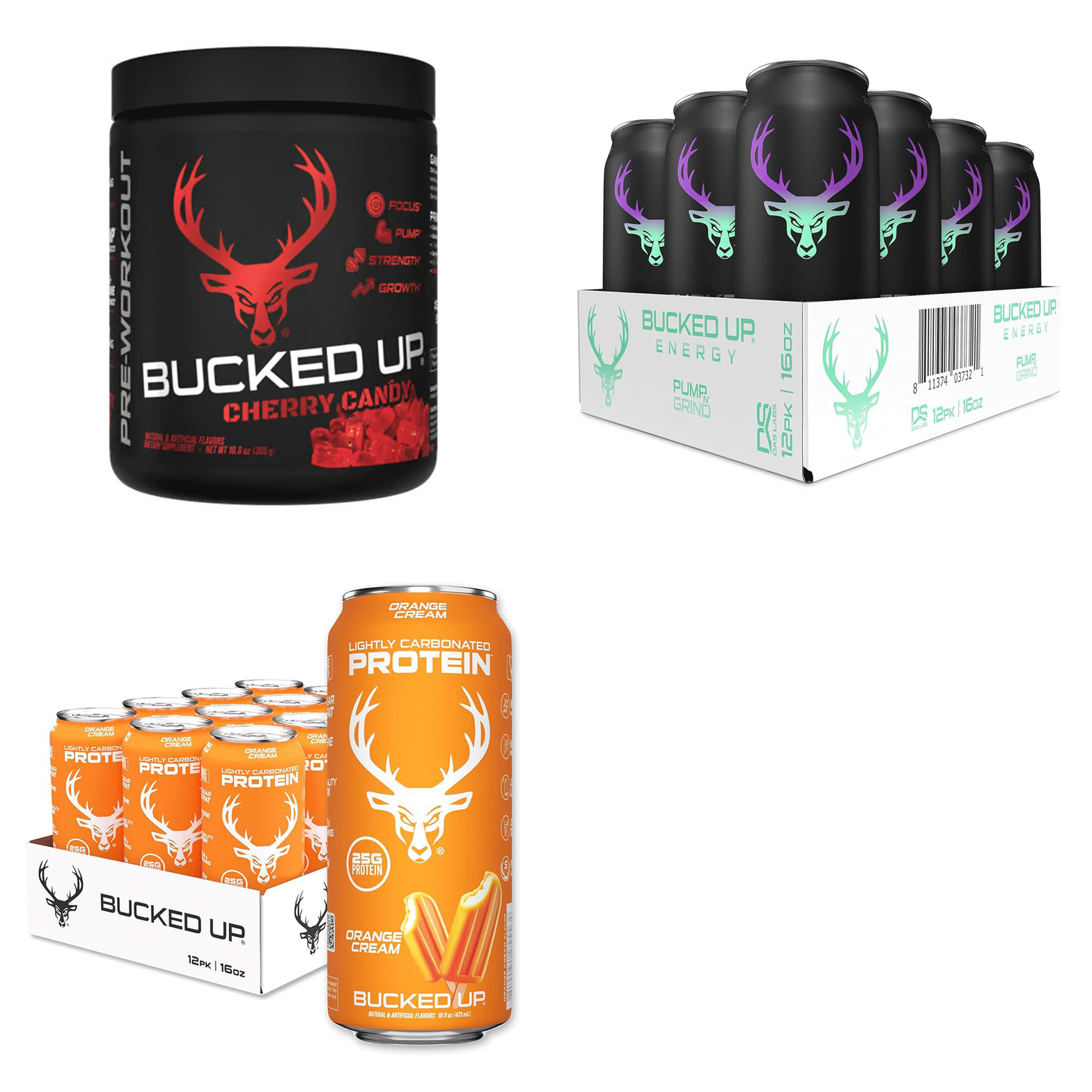
- Bucked Up Protein Soda illustrates a fully disclosed, whey-isolate-based option for convenient, low-calorie protein intake.
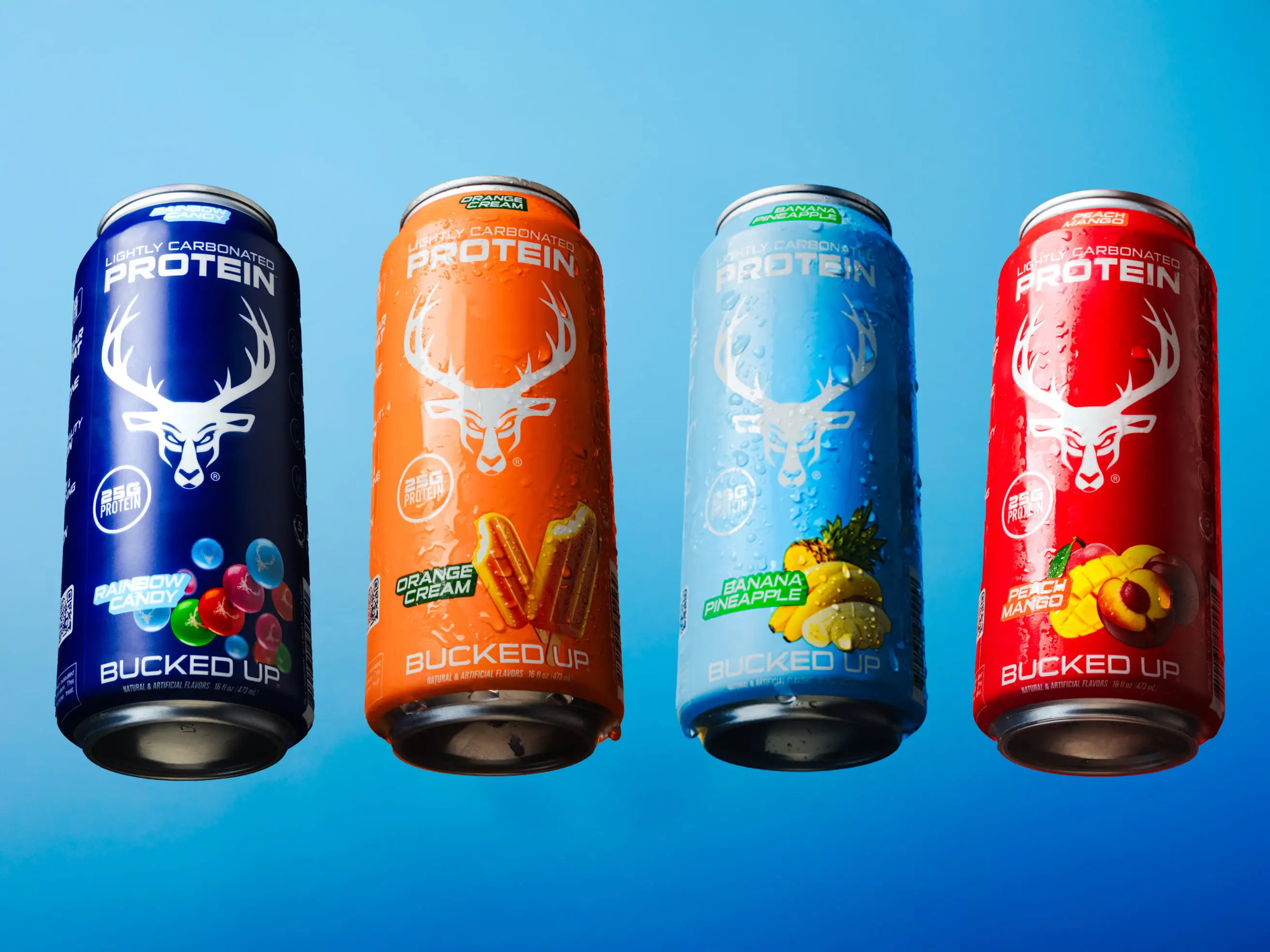
Meet your protein needs without bulky meals or extra calories. Bucked Up Protein Soda combines a light, refreshing taste with 25 g of easily absorbed whey protein isolate. Shop now for a drink that fits post-workout recovery, weight management, or simple protein-focused hydration.
Decoding Supplement Labels: What Regulatory Standards Demand
FDA Requirements: The Foundation of Supplement Labeling
Federal standards give supplement buyers a baseline for understanding labels. FDA regulations including 21 CFR 101 and 111 establish the foundation for supplement labeling, and they require a clear statement of identity, net quantity, and a standardized Supplement Facts panel with servings, dietary ingredients, and amounts per serving.
These rules require all active ingredients to appear in the Supplement Facts panel. Inactive ingredients such as binders and flavors must appear outside the panel, listed in descending order by weight. This structure helps you see what you are taking, yet manufacturers can still hide individual doses inside proprietary blends. Strict formatting and legibility rules also limit misleading claims and keep promotional copy separate from factual nutrition details.
Navigating the “Supplement Facts” Panel: Key Details to Scrutinize
The Supplement Facts panel acts as your main checklist for transparency. This standardized panel is different from conventional food labels in its structure and requirements, and it must show all ingredients with their quantities and serving sizes.
Careful reading of this panel helps you assess nutrient coverage. Focus on mandatory nutrients, including Vitamin D, potassium, calcium, and iron. Vitamins A and C now appear only when a brand chooses to list them. Key transparency markers also include declared amounts of fats, saturated fats, trans fats, and added sugars. Missing or vague information in these areas often signals weak transparency.
Clear allergen labeling now plays a bigger role in safety. Updated allergen declarations now apply to supplements, so manufacturers must identify allergens in sub-ingredients and incidental additives to reduce the risk of unexpected reactions.
Beyond the Label: The Assurance of Certifications and GMPs
Strong transparency also depends on how supplements are made, not just how they are labeled. 21 CFR 111 enforces strict packaging and labeling revision controls, which support quality, safety, and accurate labels throughout production.
Independent certifications add another layer of confidence. NSF certification verifies label claims, ingredient identity, and purity through third-party lab testing and signals that a company goes beyond minimum legal requirements. These seals show a commitment to consistent formulas, fewer contaminants, and more reliable dosing.
The Risks of Opacity: Proprietary Blends and Incomplete Disclosures
The Proprietary Blend Problem: What You Don’t Know Can Hurt Your Goals
Proprietary blends make it harder to judge what is really in a supplement. Manufacturers must state the total quantity of proprietary blends and list components in descending order by weight, yet individual ingredient dosages can remain hidden, which creates a wide information gap.
This lack of detail prevents you from confirming whether key ingredients appear at effective doses. Brands can include small amounts of costly actives alongside larger amounts of cheap fillers, while still advertising the full blend weight. Without clear amounts for each component, you cannot evaluate potential interactions with medications or other supplements, and you cannot know if you are getting research-level doses that support muscle growth.
The Unseen Costs: Health, Wallet, and Stalled Progress
Opaque ingredient lists can affect health, results, and budget. Undisclosed or unclear ingredients may expose you to allergens, lead to dosing errors, or increase the risk of side effects from overlapping compounds.
Financially, proprietary blends often carry premium pricing without premium dosing. You may pay more for products that underdeliver on active ingredients while padding blends with inexpensive materials. For lifters and athletes who train hard, this can mean slower strength gains, less muscle growth, and frustration when progress stalls because the supplement plan rests on incomplete information.
The Wider Impact: Regulatory Scrutiny and Consumer Litigation
Transparency issues now bring real legal and regulatory consequences for brands. An increasing number of class action lawsuits target companies for inaccurate labeling and ingredient transparency violations, which raises financial and reputational risks for manufacturers.
Oversight from regulators is also tightening. The FTC now plays an active role in making sure advertising claims are not misleading and are grounded in solid evidence. This environment rewards companies that commit to clear disclosure and places more pressure on those that rely on vague blends and aggressive marketing.
The Power of Transparency: Why Full Disclosure Leads to Better Muscle Building
Empowered Choices and Informed Consumption
Full ingredient disclosure turns supplement shopping into a clear decision, not a guess. When labels list complete dosages, you can compare those amounts with published research, skip ingredients you do not want, and judge quality more accurately.
Transparent labels also make side-by-side comparison easier. You can weigh cost against dose, match products to your training phase, and avoid overlap with other supplements or medications. This level of control helps you build a plan that supports strength, muscle gain, and recovery in a predictable way.
Trust in Efficacy: Clinically Dosed for Optimal Results
Clear dosing information helps you decide whether a product is likely to work. Muscle-building ingredients often have studied ranges, and doses that fall far below these ranges may not support the progress you expect.
Accurate labels allow you to hit effective intake levels while staying within safe limits. You can adjust serving sizes, stack products more carefully, and track how certain ingredients relate t/o changes in performance or body composition.
The Bucked Up Standard: Clear Whey Protein Isolate for Muscle Support
Bucked Up applies full disclosure to its Protein Soda, which relies on a single, clearly stated protein source. Many ready-to-drink options blend whey concentrates with collagen to reach high protein numbers on the label. Bucked Up instead uses 100% isolate clear whey protein, which supports a complete amino acid profile for muscle building.
Whey protein isolate offers rapid absorption, high protein content, and very low fats and carbohydrates, so it works well for recovery and growth without a heavy texture. Shop now to try Bucked Up Protein Soda, a zero-sugar, zero-carb, caffeine-free option that highlights clear labeling and straightforward ingredients.
This distinction matters for results. Collagen proteins support joints, hair, and nails, but they lack the full amino acid spectrum needed for optimal muscle protein synthesis. Bucked Up’s focus on pure whey protein isolate helps ensure that each gram listed on the label aligns with muscle-building and recovery goals.
Comparison: Opaque Blends vs. Transparent Formulations for Muscle Building
|
Feature |
Proprietary Blends (Opaque) |
Fully Disclosed Formulations (Transparent) |
Bucked Up Protein Soda (Transparent Example) |
|
Ingredient Dosages |
Individual doses hidden |
All individual doses listed |
All doses listed (for example, 25 g whey protein isolate) |
|
Risk of Ineffective Fillers |
High |
Low |
Low (focus on whey protein isolate) |
|
Efficacy Verification |
Difficult or impossible |
Easy (can check against research) |
Easy (clearly stated 25 g isolate) |
|
Consumer Trust |
Lower, due to hidden information |
Higher, due to full disclosure |
Higher, due to consistent and clear labeling |
Frequently Asked Questions (FAQ) about Protein Supplement Transparency
Why is knowing the specific amount of each ingredient in a muscle-building supplement important?
Specific ingredient amounts let you confirm whether a supplement provides effective dosages that align with published research. Without that detail, you cannot know if you are getting enough of a key ingredient to support results or if you are paying for amounts that are too low to matter. Clear dosing also helps you judge value, adjust serving sizes, and avoid stacking products in ways that push an ingredient too high.
What is the difference between whey protein isolate and concentrated whey protein, and why does it matter for transparency?
Whey protein isolate goes through extra filtration that removes more fat and lactose while increasing protein content. Concentrates typically contain more carbohydrates and fats and may be digested more slowly. Transparent labels that clearly state “isolate” help you choose a leaner, faster-absorbing protein source. Bucked Up Protein Soda uses 100% isolate clear whey protein, which supports high protein per calorie and easier digestion compared with many concentrate or collagen blends.
How can I identify a truly transparent muscle-building supplement?
Clear labels list all active and inactive ingredients with exact quantities, especially for the main performance ingredients. Strong options limit or avoid proprietary blends for those key actives and provide access to lab testing or quality checks for purity and potency. Certifications from third-party organizations such as NSF add further confidence that what appears on the label matches what is in the container.
Does carbonation affect the absorption or quality of protein in a protein soda?
Carbonation does not change how your body absorbs protein or the quality of that protein. The whey protein isolate in Bucked Up Protein Soda remains the same whether the drink is carbonated or still. Bubbles simply change the texture and mouthfeel, which can make protein intake more enjoyable for people who do not like thick shakes.
What makes Bucked Up Protein Soda different from other liquid protein drinks regarding transparency and quality?
Bucked Up Protein Soda stands out by listing 25 g of 100% isolate clear whey protein on the label and building the formula around that single, complete protein source. Many liquid protein drinks rely on whey concentrate or add collagen to reach their stated protein total. Collagen can support joint, hair, and nail health but does not provide the same muscle-building support as complete proteins. Bucked Up’s approach focuses on complete amino acid coverage and straightforward labeling so you can see exactly how much usable protein you are drinking.
Conclusion: Choose Clarity, Achieve Muscle-Building Results
Ingredient transparency plays a central role in safe and effective muscle building. Opaque labels and undisclosed dosages create uncertainty about what you are taking, how it might interact with other products, and whether it can support your training plan. Clear, fully disclosed formulations give you the information needed to judge safety, effectiveness, and value.
Bucked Up Protein Soda offers a practical example of this approach, with a clearly stated 25 g of whey protein isolate and a straightforward ingredient list. Choosing products that follow this level of disclosure helps you stay in control of your supplement strategy and align every serving with your strength and physique goals.
Meet your protein needs without bulky meals or extra calories. Bucked Up Protein Soda combines a light, refreshing taste with 25 g of easily absorbed whey protein isolate. Shop now for a drink that fits post-workout recovery, weight management, or simple protein-focused hydration.
Disclaimer: These statements have not been evaluated by the Food and Drug Administration. This product is not intended to diagnose, treat, cure, or prevent any disease.