Written by: Ryan Gardner, Owner, Managing Partner, CEO, Bucked Up | Last updated: April 17, 2026
Key Takeaways: Creatine, Digestion, and Performance
- Roughly 24-30% of athletes report GI distress from standard creatine, often due to poor solubility that triggers bloating and cramps.1
- Micronized creatine uses smaller particles that dissolve more easily, which can reduce stomach issues compared to regular monohydrate.1
- Creatine HCl offers high solubility and a lower GI risk, making it a practical option for sensitive stomachs at smaller effective doses.1
- A practical daily protocol includes 3-5g creatine, fully dissolved in at least 12 ounces of water, with 80-100oz total daily hydration.
- Many athletes upgrade to Bucked Up’s gut-friendly creatine options, such as HCl capsules and gummies, to support bloat-free performance.1
How Creatine Stomach Issues Undercut Your Training
Gastrointestinal distress from creatine does more than cause discomfort, it can disrupt your entire training plan. Athletes dealing with bloating, cramping, and diarrhea often skip workouts, stall on strength progress, and face a higher risk of dehydration. Research involving 219 collegiate athletes found that 24% experienced gastrointestinal distress, and separate studies report up to 30% of male athletes experiencing diarrhea from creatine use. Micronized forms can ease some of these problems, yet many athletes with sensitive digestion still need more targeted solutions.1
Why Creatine Triggers Stomach Problems
Solubility sits at the center of most creatine-related stomach issues. Standard creatine monohydrate’s poor solubility leaves undissolved particles in the gut, which irritate the lining and create an osmotic effect that draws water into the lower GI tract, causing bloating, cramps, and diarrhea.1
Micronized creatine tackles this problem by breaking creatine into much finer particles. One study found that enhanced micronized creatine showed 38.97% higher bioavailability and 34.67% reduced clearance compared to regular micronized forms.1 This improved dissolution leaves fewer undissolved particles in the digestive tract, which can reduce gastrointestinal discomfort compared to standard monohydrate’s gritty texture and poor mixing.1
Why Many Athletes Prefer Micronized Creatine
Micronized creatine delivers the same performance benefits as standard monohydrate, such as enhanced ATP regeneration, increased power output, and faster recovery between sets.1 It often feels easier on the stomach because the powder mixes more smoothly, which can mean less initial bloating and cramping.1 This improved tolerability helps athletes stay consistent with daily supplementation instead of cycling on and off due to GI issues. For athletes with very sensitive digestion, however, even micronized forms may not fully resolve discomfort.
Athletes who still struggle with GI distress after switching to micronized creatine often benefit from alternative formulations with higher solubility and smaller doses. Explore Bucked Up’s gut-friendly creatine options to find a form that supports your training without upsetting your stomach.
Creatine Types and GI Risk: Matching Form to Your Stomach
| Creatine Type | Solubility / GI Risk | Bucked Up Solution |
|---|---|---|
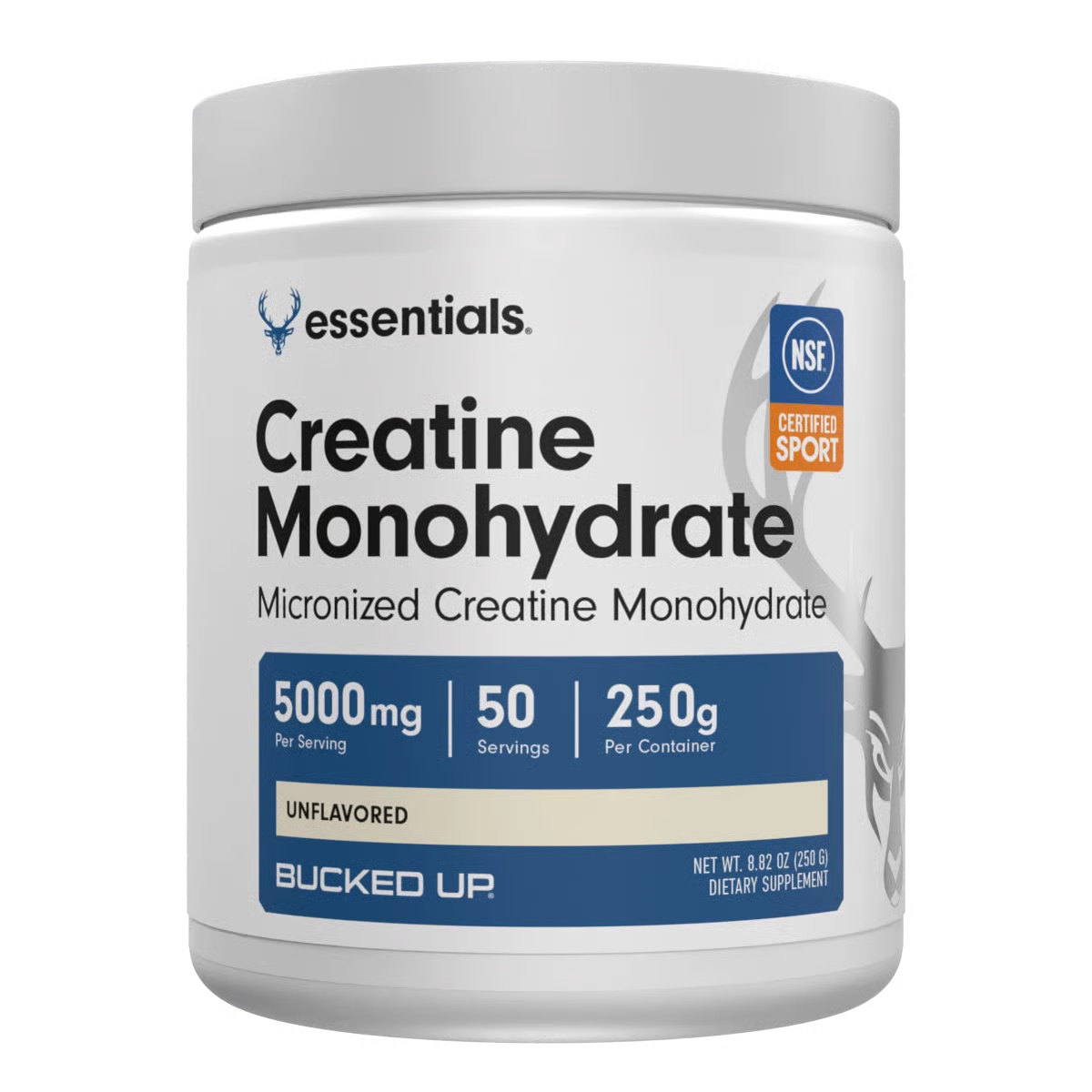
| Standard Monohydrate | Medium solubility, High GI risk | Pure Creatine: 99.8% purity, NSF certified, flavored options |
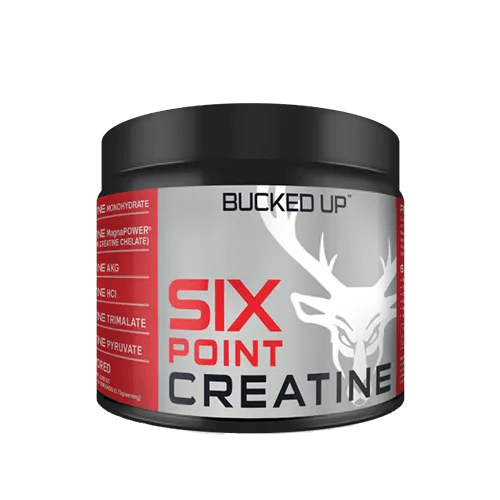
| Micronized Monohydrate | Better solubility, Medium GI risk | Six Point Creatine: 6 creatine types, filler-free formula |
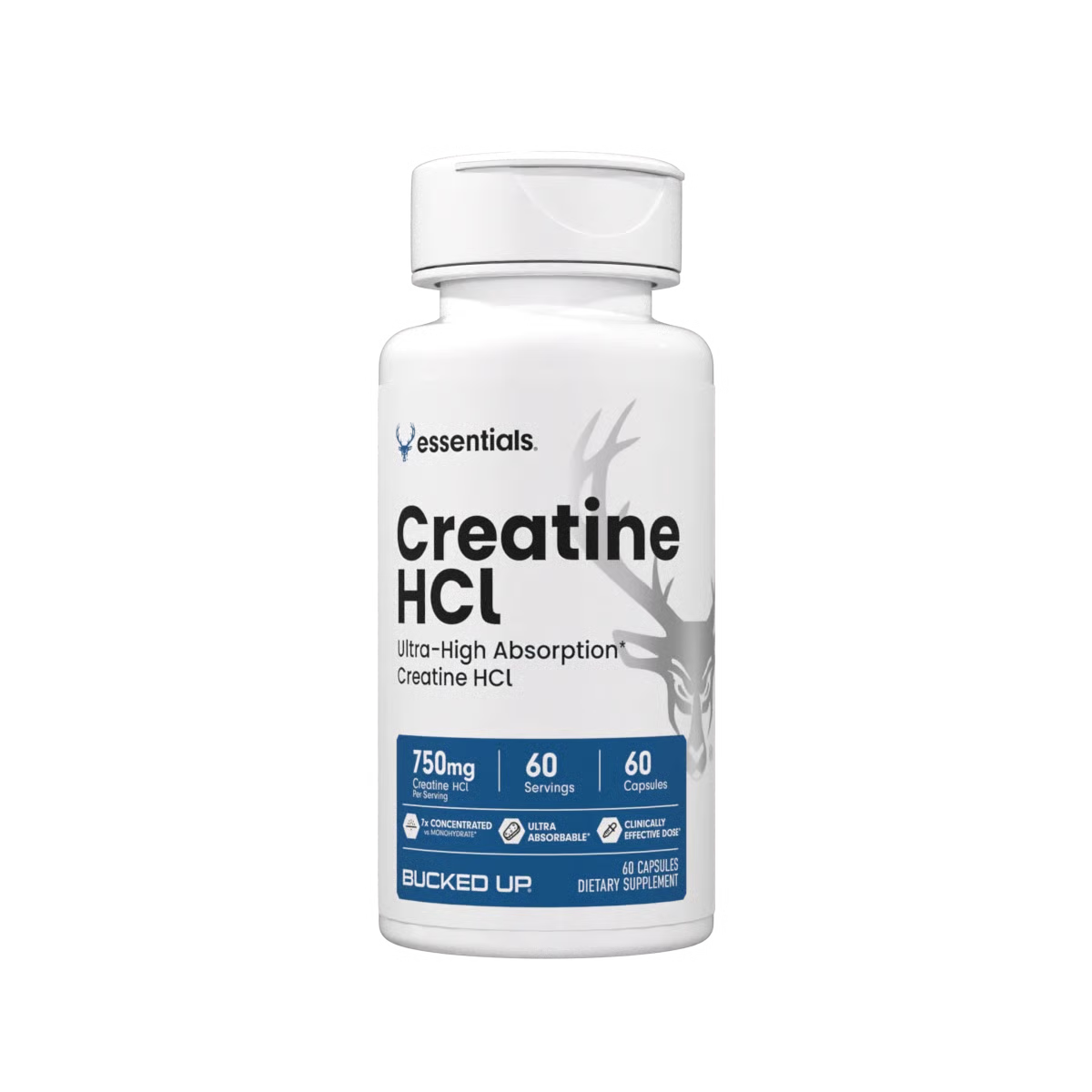
| Creatine HCl | High solubility, Low GI risk | Creatine HCl: 750mg CON-CRĒT® caps, no water retention |
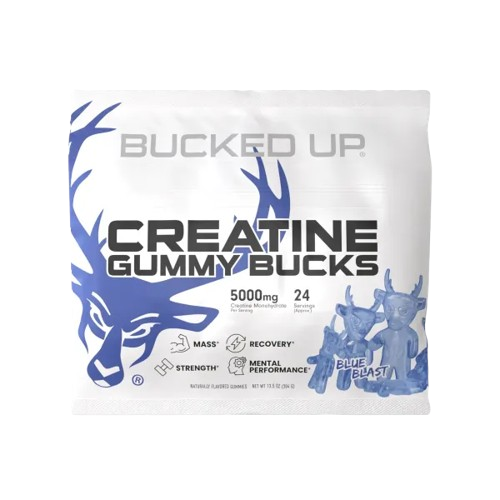
| Gummy / Candy Forms | N/A, Minimal GI risk | Creatine Gummies: 5g portable servings, multiple flavors |
Standard monohydrate remains widely researched and budget friendly, yet its moderate solubility and mixing challenges can increase bloating for some athletes. Micronized monohydrate improves dissolution and mouthfeel, which often reduces discomfort, although sensitive users may still notice some bloating. Creatine HCl offers higher solubility and allows for smaller serving sizes, which can significantly cut down on water retention and GI upset, though it has less research behind it than monohydrate.1 Gummy forms provide a convenient, pre-dissolved option that many athletes find gentle on digestion, with a higher cost per serving as the main tradeoff.1
Bucked Up’s NSF-certified products focus on high purity and reliable absorption.1
Find your ideal creatine match in Bucked Up’s certified product lineup.
Common Misconceptions About Creatine and Digestion
Many athletes assume micronized creatine removes all digestive issues, yet that expectation often proves unrealistic. Individual tolerance varies significantly, and dose-dependent effects persist even with improved solubility. Among the athletes who experience GI problems, symptom severity and duration can differ based on total dose, timing, and creatine form.
Diarrhea often lasts 3-7 days while the digestive system adapts, especially when athletes start with aggressive loading phases. A more gradual approach usually feels easier on the gut and still supports long-term performance gains.1
Practical adjustments help many athletes resolve these issues. Start with lower doses, confirm that the powder fully dissolves, and keep daily hydration consistent. For ongoing problems, switching to creatine HCl or alternative forms often provides meaningful relief. Bucked Up’s HCl capsules and gummy options remove mixing concerns entirely while still delivering the performance benefits associated with creatine.1
How to Choose Creatine When You Have a Sensitive Stomach
Clear selection criteria make creatine choices much easier. Focus on purity certifications such as NSF and GMP, convenient formats like capsules or gummies, and forms with strong absorption profiles. These factors work together to support both performance and digestive comfort.
Bucked Up’s transparent labeling makes it straightforward to verify these quality markers, including the purity standards highlighted earlier. Extensive customer testimonials add real-world context about how different products perform across a range of digestive tolerances. This combination of third-party certification and user feedback helps athletes select their preferred form, from traditional powders to innovative gummies, while keeping both quality and comfort in mind.
How to Use Creatine Without Upsetting Your Stomach
A practical creatine routine usually starts with 3-5g per day, including rest days, taken post-workout or with meals to support absorption. Larger daily amounts work better when split into smaller servings and fully dissolved in at least 12 ounces of water. This approach reduces the osmotic load in your gut at any one time.
Consistent hydration further supports comfort. Aim for 80-100oz of total water intake per day to balance creatine’s osmotic effects and reduce the chance of cramping. Creatine contains no stimulants, so you can take it at any time that fits your schedule, including before bed, as long as you stay consistent from day to day.
FAQ: Creatine, GI Issues, and Bucked Up Options
Does micronized creatine really reduce stomach issues?
Micronized creatine’s improved solubility can reduce gastrointestinal issues compared to standard monohydrate for many users.1 For athletes who still experience discomfort, Bucked Up’s Creatine HCl offers a more soluble option that may provide better tolerance for sensitive stomachs.
What is a good creatine choice for sensitive stomachs?
Creatine HCl and gummy forms often work well for athletes with sensitive digestion.1 Bucked Up’s CON-CRĒT® HCl capsules provide 750mg of highly absorbable creatine per serving without noticeable water retention for many users, while the gummies deliver 5g servings in a portable format that many find gentle on the stomach.
How does creatine HCl compare to monohydrate for bloating?
Creatine HCl can offer advantages for athletes who want to limit bloating.1 Its higher water solubility allows for smaller effective doses, often around 1-2g compared to 3-5g for monohydrate.1 These smaller servings can reduce both water retention and digestive discomfort in athletes who struggle with standard monohydrate.
How can I stop diarrhea from creatine?
Most athletes start by reducing their daily dose to around 3g, splitting that amount into smaller servings, and confirming that each serving fully dissolves. If problems continue after these changes, many athletes transition to Bucked Up’s HCl capsules or gummy forms, which remove mixing issues and use smaller or pre-dissolved servings. Digestive adaptation usually occurs within about one week of consistent, properly dosed supplementation.
Should I take creatine on rest days?
Yes, rest-day dosing supports steady creatine levels in your muscles. As discussed earlier, consistent daily intake, including days away from the gym, helps maintain the saturation needed for strong performance when you return to training. Bucked Up’s capsule and gummy options make that daily habit simple, even when you are not near a shaker bottle.
When should I take creatine for reliable results?
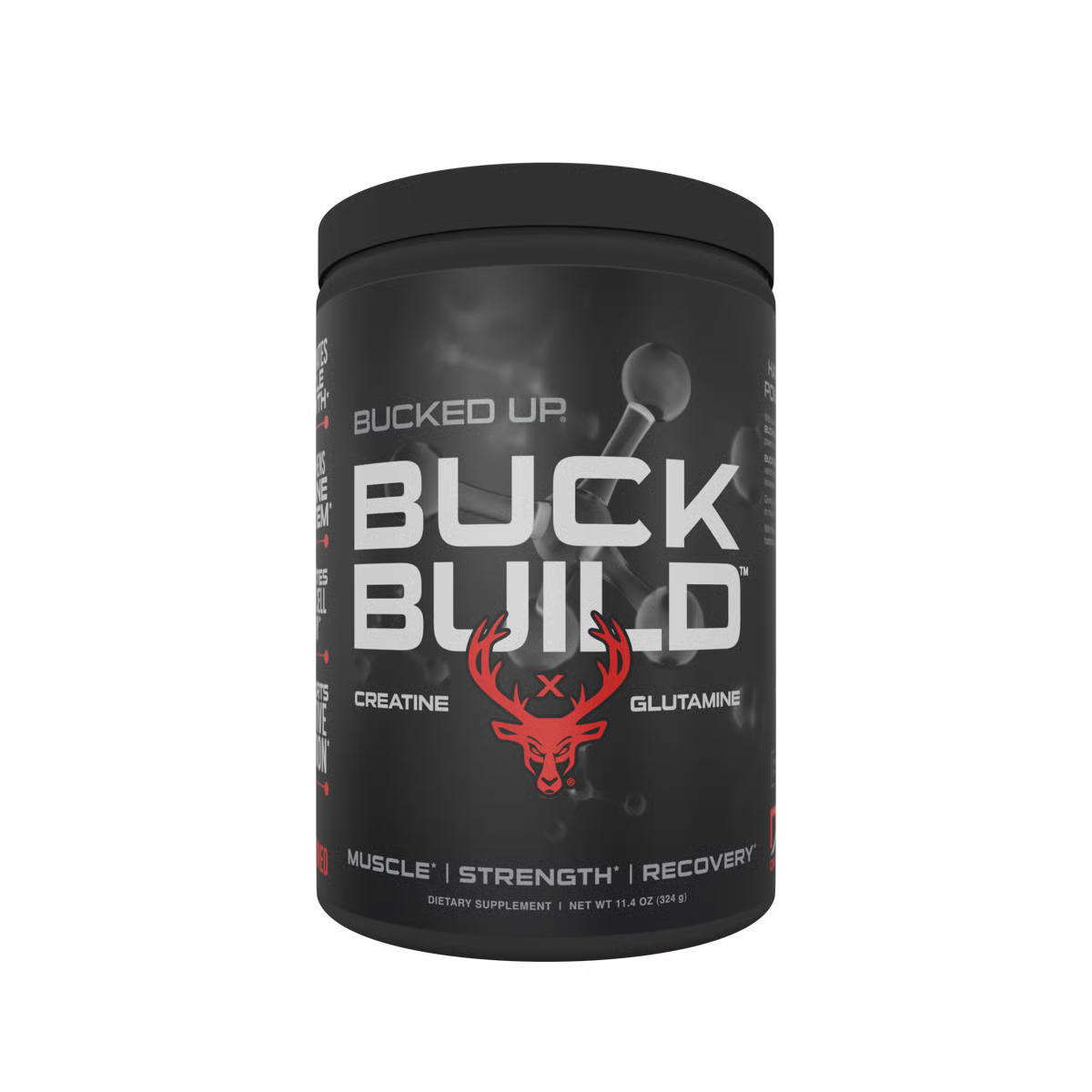
Many athletes take creatine post-workout with a meal that includes carbohydrates, which can support uptake. Timing remains flexible, though, as long as you take it every day. Bucked Up’s Buck Build combines creatine with glutamine to support recovery when used about 15-30 minutes after training.1
Wrapping Up: Creatine Gains Without the Gut Issues
Micronized creatine can reduce stomach issues through better solubility, yet some athletes need more targeted support.1 Bucked Up’s specialized formulations, including NSF-certified HCl capsules and creatine gummies, give athletes gut-friendly options that still deliver creatine’s performance benefits. By matching the right form, dose, and routine to your digestive tolerance, you can keep your stomach calm while you focus on strength, power, and long-term progress.
1 The content provided in this article is for informational purposes only and is not medical advice. Consult with a medical professional before implementing any changes to your diet, health, or exercise routines.
Individual results will vary and are based on a combination of each individual’s diet, exercise, age, and health circumstances.
These statements have not been evaluated by the Food and Drug Administration. This product is not intended to diagnose, treat, cure or prevent any disease.
This article was written by Ryan Gardner, CEO of Bucked Up. As the maker of Bucked Up Creatine, we have a financial interest in this information. The views expressed are our own and should be read with that context in mind