Written by: Ryan Gardner, Owner, Managing Partner, CEO, Bucked Up | Last updated: April 17, 2026
Key Takeaways: Creatine, Long-Term Use, and Bucked Up
- Creatine monohydrate is the safest option for long-term use (5+ years), backed by 685 clinical trials showing no kidney or liver damage up to 14 years.1
- Alternatives like HCl, ethyl ester, and malate do not have the same depth of long-term safety data or research history.
- Monohydrate supports muscle growth, recovery, cognitive function, and healthy aging without evidence of tolerance buildup.1
- Daily doses of 3–5g with 80–100oz of water help minimize bloating, and micronized powders mix more easily and are often gentler on digestion.1
- Choose NSF-certified creatine backed by decades of safety research to support long-term performance and purity.1
Creatine Types and How to Judge Long-Term Safety
Creatine monohydrate typically uses a 5g daily dose and has extensive research supporting that amount. Other forms include creatine HCl (hydrochloride), ethyl ester, gluconate, malate, anhydrous, and various blends, each marketed with specific advantages. When you look at long-term safety beyond 5 years, focus on kidney and liver health, strength and recovery benefits, cognitive support, digestive tolerance, absorption, and how easy the form is to take every day.
Extensive long-term studies lasting up to five years on creatine monohydrate in healthy individuals at recommended dosages found no evidence of adverse health effects on kidney or liver function.1 Applying these criteria to the available research reveals a clear pattern. The research foundation for monohydrate spans decades, while alternatives often rely on theoretical advantages or limited short-term studies. The International Society of Sports Nutrition’s 2017 position stand states that long-term creatine supplementation up to 30 grams per day for five years is safe and well-tolerated in healthy individuals, with no evidence of dehydration, kidney damage, or cramping.1
Head-to-Head Comparison: Long-Term Health Effects
The following table compares common creatine types on long-term safety, benefits, and side effects so you can see why monohydrate remains the most researched option for sustained daily use.
| Type | Long-Term Studies (>5yr Evidence) | Key Benefits | Potential Risks/Side Effects | Best For |
|---|---|---|---|---|
| Monohydrate | Extensive evidence base (95% of 685+ trials); safety confirmed up to 14 years | Muscle and cognitive gains, enhanced recovery1 | Occasional bloating, often reduced with proper dosing | Long-term users |
| HCl | Limited; no superiority demonstrated | Lower dose requirements, may reduce bloating | Sparse >5yr safety data | Bloat-sensitive individuals |
| Ethyl Ester | Inferior muscle uptake vs monohydrate | No proven advantages over monohydrate | GI breakdown to creatinine | Consider alternatives for long-term use |
| Malate/Blends | Scarce long-term evidence | Potential combined effects with other ingredients | No established long-term safety profile | Short-term experimentation |
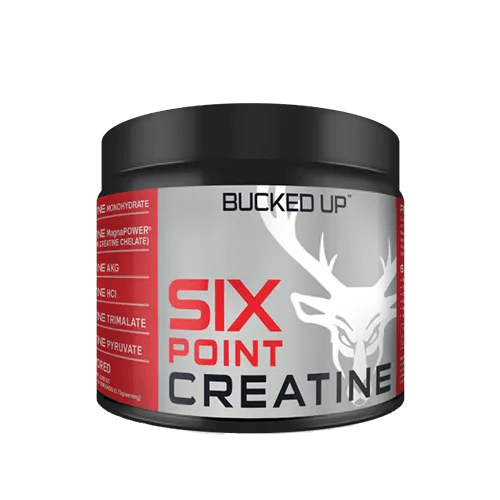
Creatine monohydrate stands out for sustained supplementation because decades of data support both its safety and its effectiveness. Bucked Up’s Pure Creatine uses micronized monohydrate for smooth mixing in water or shakes. Six Point Creatine combines multiple forms to support varied absorption profiles while still centering monohydrate. For those who prefer HCl convenience, Bucked Up’s CON-CRĒT capsules and Babe Creatine offer options designed for people who want precise dosing and less bloating.
Is Creatine Monohydrate Safe for Long-Term Use?
Creatine monohydrate shows strong long-term safety across multiple decades of research. Studies spanning up to five years show no kidney damage, liver dysfunction, or serious adverse effects in healthy individuals. These multi-year trials also confirm that monohydrate maintains its efficacy throughout extended use, with sustained strength and recovery benefits reported across the research.1 Compared with newer forms that lack comprehensive long-term data, monohydrate offers a uniquely broad and well-documented safety record.
Creatine Monohydrate vs. Creatine HCl for Long-Term Use
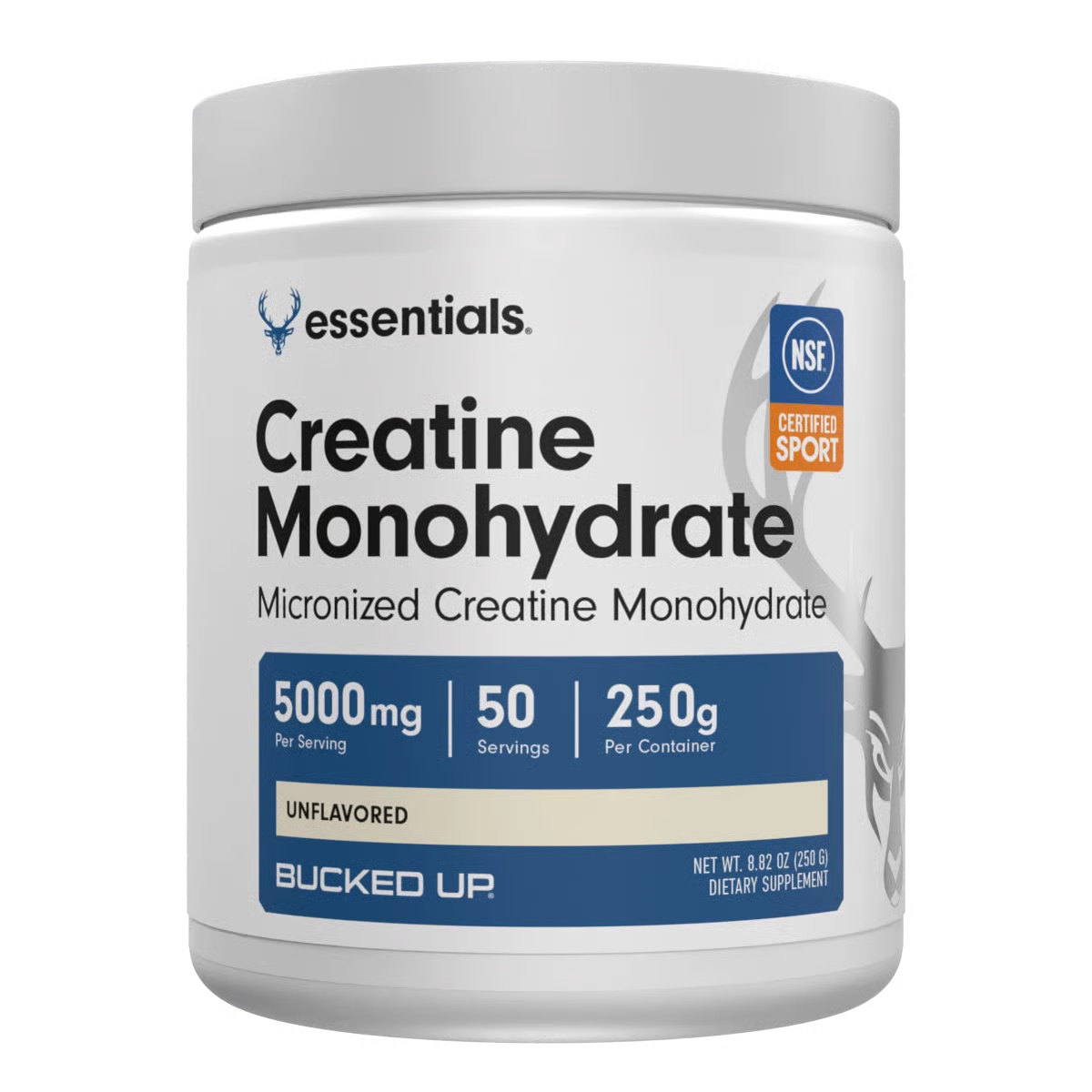
Creatine monohydrate has more long-term evidence, while creatine HCl can offer practical advantages for certain users. A 2025 meta-analysis found limited evidence supporting creatine HCl for reducing bloating in individuals sensitive to monohydrate, based on small studies not replicated in larger trials. Bucked Up’s CON-CRĒT HCl capsules and Babe Creatine give people who experience digestive sensitivity with traditional powders a convenient, lower-bloat option.
Other Types (Ethyl Ester, Malate) vs. Monohydrate: Evidence Gaps
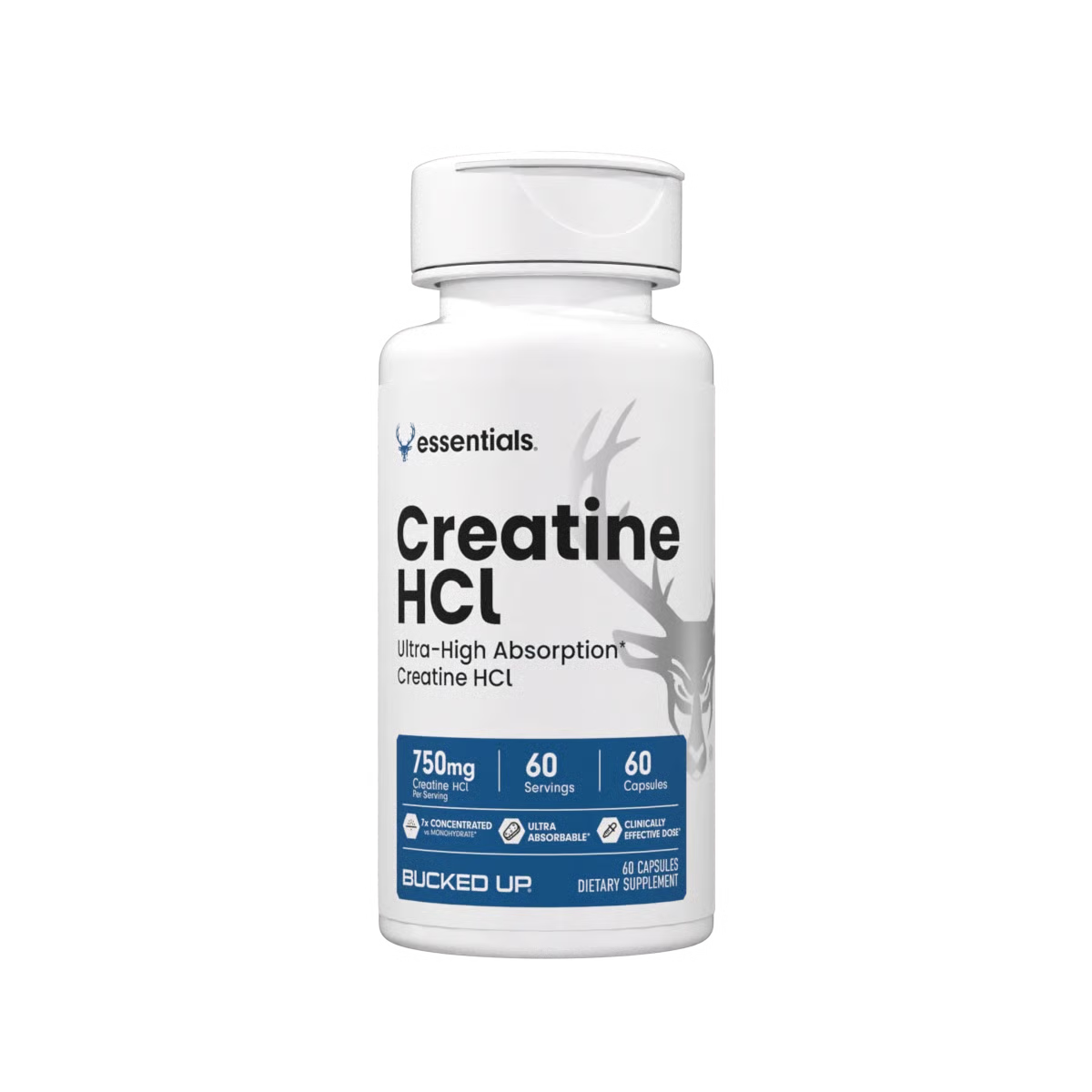
Alternative creatine forms have far less long-term research than monohydrate. Creatine ethyl ester was less effective than creatine monohydrate at raising serum and muscle creatine levels. Bucked Up’s Six Point Creatine uses multiple forms to support absorption while keeping monohydrate as the primary component, aligning the formula with the strongest body of evidence.
Long-Term Benefits Beyond Muscle: Brain Health and Aging
Creatine monohydrate supports more than strength and muscle size, and it also benefits brain function and healthy aging. Recent research demonstrates that creatine supplementation enhances cognitive processing speed, memory, and resistance to mental fatigue, particularly in older adults.1 Small human studies suggest improvements in short-term memory, reasoning skills, and mental fatigue resistance, especially in older adults, vegetarians, or people under high stress.1
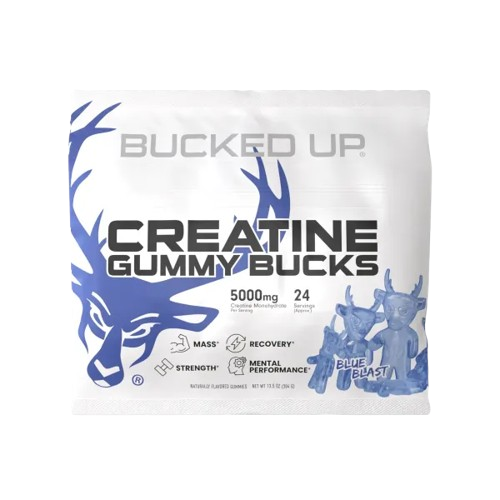
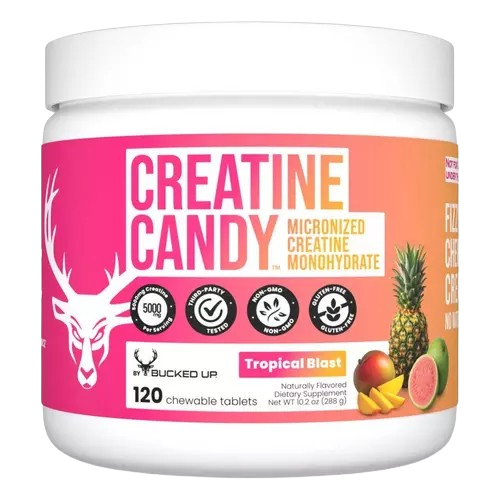
ATP production fuels both muscle tissue and the brain as you age. Brain creatine levels increase with aging, so supplementation can become more valuable for maintaining mental sharpness over time. Bucked Up’s gummy and candy creatine options make daily intake simple and enjoyable, which supports long-term consistency with your routine.
Practical Long-Term Use: Dosing, Hydration, and Bucked Up Options
Successful long-term creatine use depends on consistent daily dosing of 3–5g and drinking 80–100oz of water each day. These two factors work together, because proper hydration helps your body handle creatine efficiently and can reduce water retention that feels like bloating. Splitting creatine monohydrate loading doses into four 5-gram servings throughout the day or skipping the loading phase and using a 3–5 gram daily maintenance dose can reduce gastrointestinal issues and bloating.1
Bucked Up’s creatine lineup supports different long-term goals and preferences. Pure Creatine offers unflavored and flavored monohydrate with smooth mixability. One user reports, “Unlike other creatine, this has no after taste, only straight results. You won’t even know you put a scoop in your pre or shake.” Six Point Creatine users share, “After about 2 months I put on about 10lbs after being at the same weight for years. I love this stuff. I don’t feel bloated and I can mix it with anything.1” Explore Bucked Up’s certified creatine solutions to support your long-term supplementation plan.
Frequently Asked Questions
Is creatine monohydrate safe for long-term use?
Creatine monohydrate demonstrates safety for long-term use in healthy individuals. Decades of research, including studies lasting up to 10 years with doses as high as 30g daily, show no adverse effects on kidney or liver function in people without preexisting issues. The supplement maintains this safety profile across extended supplementation periods, so many users consider it suitable for lifelong use when they follow recommended dosing guidelines.
What happens if you take creatine for more than 5 years?
Taking creatine for more than 5 years can provide ongoing benefits without new safety concerns in healthy adults. Long-term users report continued improvements in strength, power output, recovery, and cognitive function.1 Unlike some supplements where the body adapts and benefits fade, creatine continues to support strength, power, and mental performance even after years of daily use, and your muscles do not appear to become desensitized to its effects.1 Research spanning multiple years also reports no kidney damage, liver dysfunction, or other serious health risks in healthy adults.
Monohydrate vs. HCl long-term: which is better?
Creatine monohydrate has the most extensive research base and a well-documented safety record for long-term supplementation. Creatine HCl may help people who struggle with bloating or prefer smaller serving sizes, but it does not yet have the same depth of long-term data. Bucked Up offers both forms so you can match your choice to your tolerance, digestion, and personal preferences while still using evidence-based formulations.
What is the best creatine for avoiding bloating?
Creatine HCl and micronized creatine monohydrate often cause less bloating than some standard creatine powders.1 Bucked Up’s HCl capsules, gummies, and candy give you alternatives that many users find easier on digestion. Proper hydration and skipping aggressive loading phases can also reduce bloating with any creatine form. The key is to pair the right delivery method with a dosing strategy that fits your digestive comfort.
Should I take creatine on rest days?
Taking creatine on rest days helps maintain muscle creatine saturation and supports recovery.1 Consistent daily use keeps your levels steady, regardless of whether you train that day. Rest day supplementation also supports cognitive benefits and muscle preservation, so creatine continues to contribute to overall health beyond workout performance alone.1
Creatine monohydrate remains a strong choice for long-term supplementation because of its research depth and safety data spanning decades. Alternative forms can offer specific advantages, such as convenience or reduced bloating, but they do not yet match monohydrate’s track record for extended use. Bucked Up provides NSF-certified, micronized creatine options that support absorption while maintaining the purity and potency long-term users look for.1 For sustained physical and cognitive benefits supported by research, browse Bucked Up’s complete creatine collection.
1 The content provided in this article is for informational purposes only and is not medical advice. Consult with a medical professional before implementing any changes to your diet, health, or exercise routines.
Individual results will vary and are based on a combination of each individual’s diet, exercise, age, and health circumstances.
These statements have not been evaluated by the Food and Drug Administration. This product is not intended to diagnose, treat, cure or prevent any disease.
This article was written by Ryan Gardner, CEO of Bucked Up. As the maker of Bucked Up Creatine, we have a financial interest in this information. The views expressed are our own and should be read with that context in mind