
Written by: Ryan Gardner, Owner, Managing Partner, CEO, Bucked Up | Last updated: April 17, 2026
Key Takeaways for Safe Creatine Use
- Creatine monohydrate is safe for most healthy adults and can support power output, muscle recovery, and cognitive performance.1
- With mild kidney disease, 3–5 g daily can be safe when a medical professional monitors kidney function using non-creatinine markers.
- Creatine is generally safe for many conditions, including heart issues, diabetes or GLP-1 use, hypertension with caution, and may help some people with Ehlers-Danlos syndrome.1
- People with severe kidney disease or bipolar disorder should avoid creatine unless a healthcare provider closely supervises use.
- Choose Bucked Up’s certified creatine options like Pure Creatine or CON-CRĒT® HCl for condition-specific support, and explore creatine products that align with your health goals.1
Why Creatine Safety Concerns Matter for Your Goals
Creatine safety myths can slow your progress with strength, muscle maintenance, and mental performance. Many worries about kidney damage, heart strain, or medication conflicts come from older data or misread studies. Adults managing chronic conditions often feel this confusion most, even though they may benefit from creatine’s documented effects on strength, recovery, and cognition.1
Existing health conditions raise the stakes for every supplement choice. A clear plan based on current evidence helps you avoid unnecessary risk while still gaining support for your long-term wellness and performance goals.
Creatine Monohydrate Basics for Everyday Use
Creatine increases phosphocreatine stores in your muscles, which supports faster ATP regeneration during intense efforts.1 The International Society of Sports Nutrition reports strong evidence for creatine’s safety and effectiveness in improving strength, power, and recovery.1
You can follow a loading phase of 20 grams per day, split into four doses for 5–7 days, then move to a 3–5 gram daily maintenance dose. You can also skip loading and start directly with 3–5 grams per day. Proper hydration of 80–100 ounces of water daily supports this process and helps limit digestive discomfort.
These approaches apply to most healthy adults. Creatine use is not recommended for children, pregnant women, or people with severe kidney disease unless a qualified healthcare professional supervises the protocol.
Key Benefits and Real-World Uses
Research links creatine to several performance and health benefits:
- Increased power output by 8–14% during high-intensity exercise1 (source)
- Better muscle recovery between training sessions1 (source)
- Improved cognitive function and mental clarity1 (source)
- Support for muscle preservation as you age1 (source)
These effects make creatine useful for athletes chasing performance gains and for health-focused adults who want to maintain muscle and mental sharpness over time.1
Condition-Specific Creatine Safety Overview
The table below outlines how creatine fits with common health conditions, along with dosage notes and Bucked Up suggestions for each scenario.
| Health Condition | Safe for Daily Use? | Dosage Notes & Evidence | Bucked Up Recommendation |
|---|---|---|---|
| Kidney Disease (Mild) | With monitoring | 3–5 g daily can be safe with GFR monitoring using non-creatinine markers | Pure Creatine with medical oversight |
| Heart Conditions | Generally safe | No evidence of heart problems in healthy individuals; may support heart function1 | Creatine HCl to help limit water retention |
| Diabetes/GLP-1 Use | Yes | Creatine monohydrate is generally well-tolerated in people with type 2 diabetes who have normal kidney function, though it should be discussed with a diabetes care team first; no known GLP-1 interactions | Any Bucked Up creatine form |
| Ehlers-Danlos Syndrome | Potentially beneficial | Case study reports reduced muscle fatigue and improved function1 | Start with 2–3 g daily, then increase gradually |
| Hypertension | With caution | 3–5 g daily appears generally safe; monitor blood pressure response | Creatine HCl to help reduce water retention |
Key Safety Steps Before You Start
- Consult your healthcare provider before starting if you take medications, so you can confirm baseline safety.
- Start with 3 grams daily if you have any health concerns, which gives you a conservative way to test tolerance.
- Maintain proper hydration as discussed earlier to support creatine uptake and comfort.
- Monitor your body’s response during the first few weeks to catch any issues early.
Who Should Avoid Creatine or Use Extra Caution
People with severe chronic kidney disease or bipolar disorder should avoid creatine unless a specialist supervises use closely. Available research suggests creatine is generally safe and well-tolerated in active adolescents and youth, although the data set remains limited. Anyone taking medications that affect heart or kidney function should speak with a healthcare professional before adding creatine.
Find the right creatine form for your health profile
Creatine Forms and Delivery Methods for Different Needs
Different creatine forms suit different goals and comfort levels. The table below compares absorption, bloating risk, and ideal use cases so you can match a form to your situation.
| Form | Absorption | Bloating Risk | Best For |
|---|---|---|---|
| Creatine Monohydrate | Standard | Possible | People who want a long research history |
| Creatine HCl | Enhanced | Minimal | Sensitive stomachs and appearance-focused users |
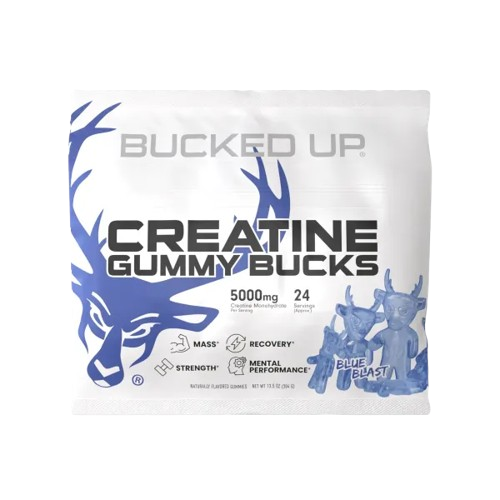
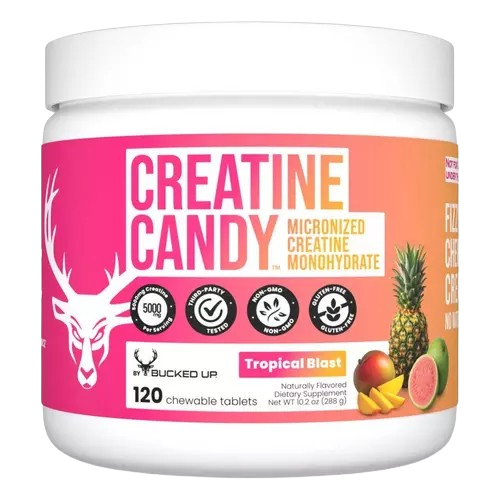
| Gummies/Candy | Standard | Minimal | Convenience and taste preferences |
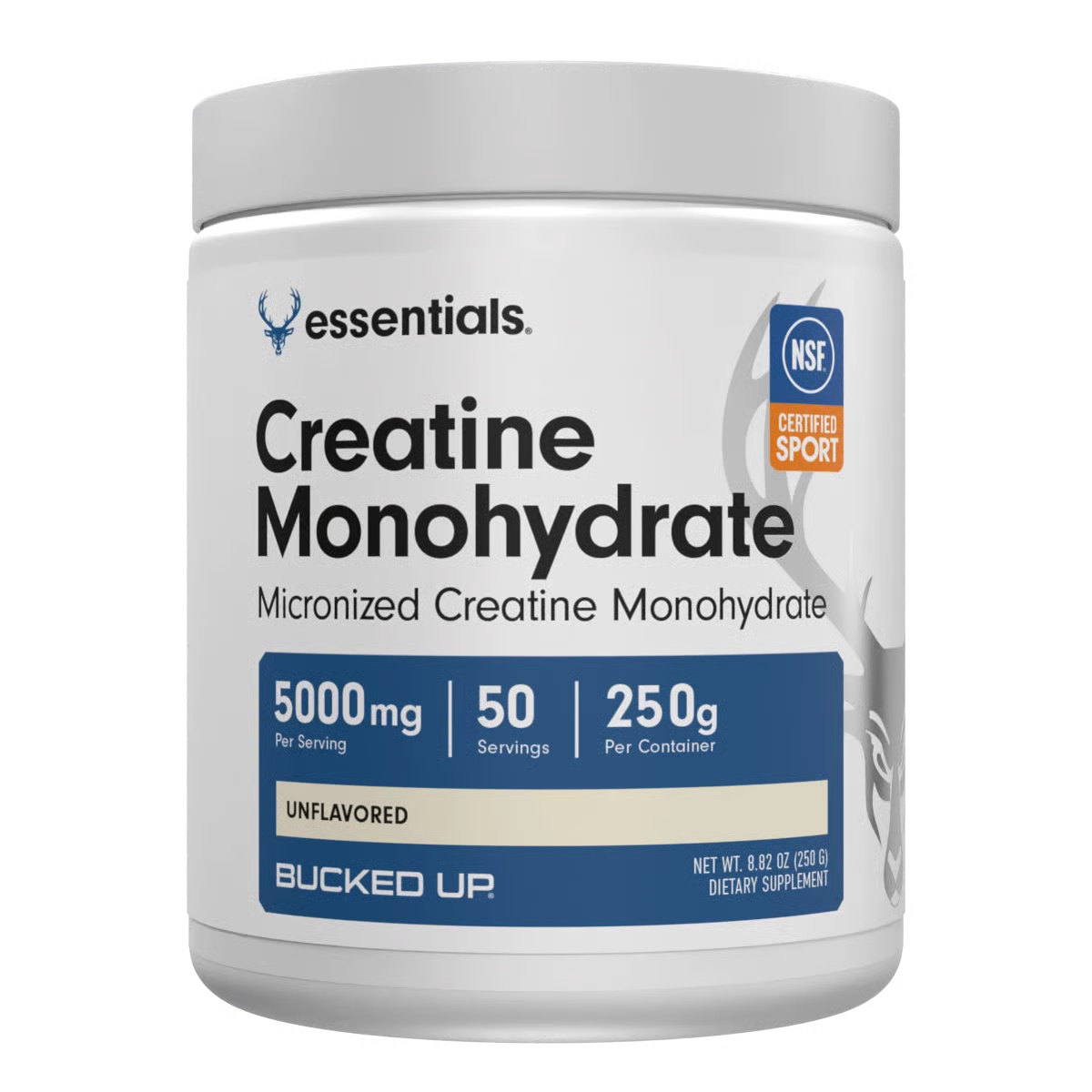
Bucked Up’s CON-CRĒT® Creatine HCl supports enhanced absorption with a lower chance of bloating, which helps people concerned about water retention or digestive sensitivity.1 The micronized Pure Creatine offers 99.8% purity for those who prefer a traditional, well-studied monohydrate powder.
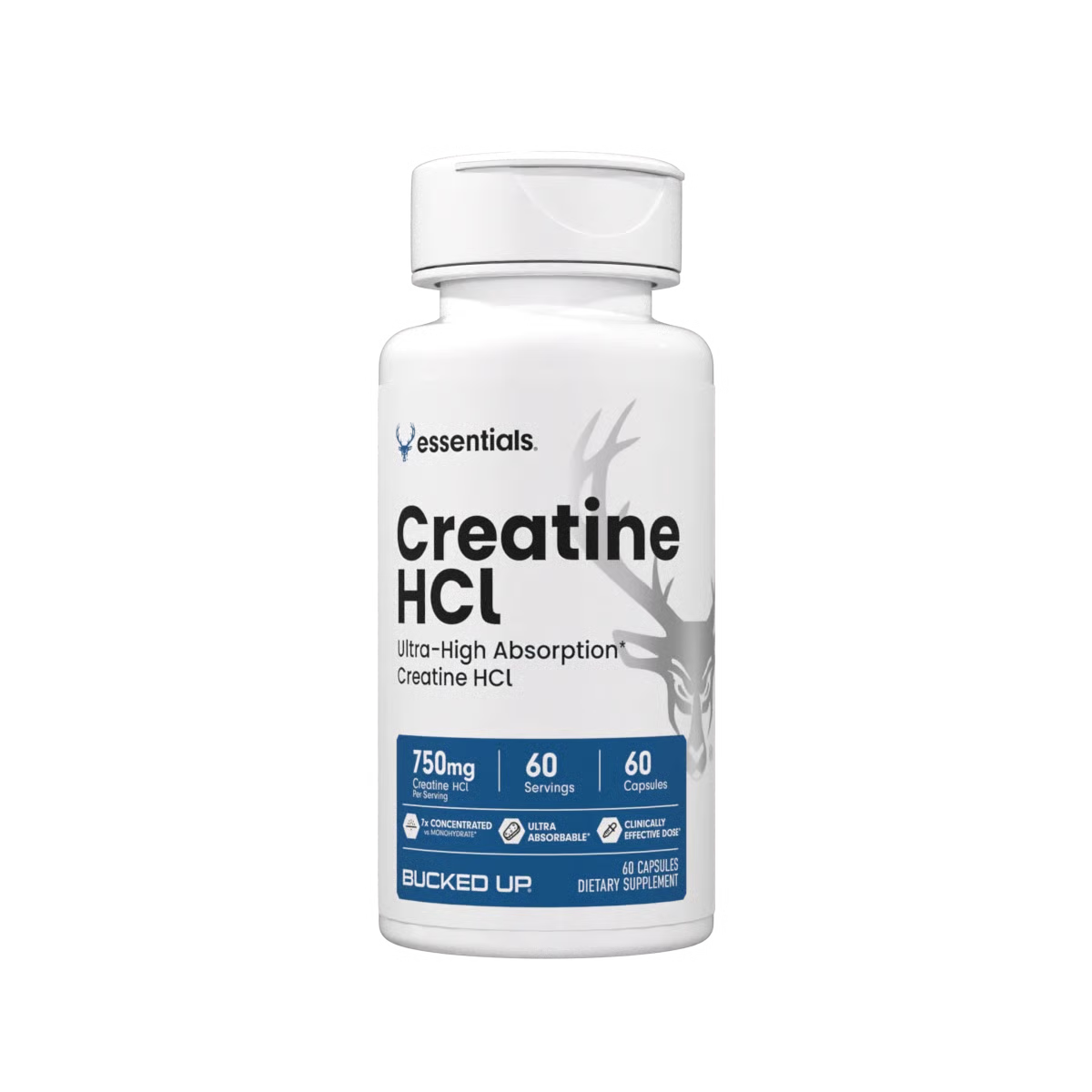
Bucked Up also provides several delivery methods for the HCl form, giving you options that fit your routine and taste preferences.
Common Misconceptions About Creatine Safety
Long-term studies show creatine does not damage kidneys in healthy individuals, even with use lasting up to five years. The rise in serum creatinine reflects higher muscle creatine stores rather than kidney injury.
Another frequent concern involves digestive side effects. Bloating often relates to poor hydration or lower-quality creatine products. Bucked Up’s HCl formulation, combined with consistent fluid intake, can lower the chance of these issues.1
Why Bucked Up Appeals to Safety-Focused Users
Bucked Up uses NSF and GMP certifications to support product purity and quality control. The brand offers several creatine forms, from classic monohydrate to HCl capsules and gummies, so you can choose based on health needs and personal preferences.
The micronization process in Bucked Up’s Pure Creatine improves mixability and may reduce digestive discomfort for some users. People with specific health concerns can also benefit from the flexible delivery methods, which make it easier to build a personalized creatine routine.
Implementation Guidelines for Health Conditions
Use the following sequence to introduce creatine safely when you have health considerations:
- Consult your healthcare provider if you have any chronic conditions, so you know whether creatine fits your situation.
- Once cleared, choose the Bucked Up creatine form that matches your needs, such as HCl for sensitive stomachs or monohydrate for a long research record.
- Begin with the conservative 3-gram dose mentioned earlier rather than loading, which helps reduce digestive upset while you gauge tolerance.
- Maintain consistent hydration throughout supplementation, following the earlier guidance to support absorption and comfort.
- Monitor your response for the first 2–4 weeks, tracking both positive changes and any side effects.
Get started with the right creatine form for your protocol
Frequently Asked Questions
Is creatine safe for my kidneys if I have mild kidney issues?
Research indicates creatine can be safe for people with mild kidney impairment when professionals monitor use carefully. Studies using non-creatinine biomarkers such as cystatin C report no clear signs of kidney damage from creatine. Anyone with kidney disease should work with a healthcare provider and rely on appropriate markers instead of creatinine alone, since creatine use naturally raises creatinine levels.
Can I take creatine while using GLP-1 medications like Ozempic?
Current evidence shows no known interaction between creatine monohydrate and GLP-1 receptor agonist medications. Creatine supports the phosphocreatine energy system, while GLP-1 drugs influence glucose control and appetite through separate pathways.1 Discussing this combination with your prescribing clinician helps tailor the plan to your specific health profile.
Should I take creatine on rest days?
Daily creatine use, including rest days, supports steady muscle saturation. Creatine works best when muscle stores stay elevated, so skipping non-training days can reduce benefits for strength, recovery, and cognitive support.1
Are creatine pills better than powder for people with health conditions?
Creatine capsules can help some people with health conditions by offering precise dosing and less chance of irritation from flavoring agents. Bucked Up’s Creatine HCl capsules provide enhanced absorption with minimal bloating, which can suit users with sensitive digestion or concerns about water retention.1
Is creatine safe for people with Ehlers-Danlos syndrome?
Limited data suggests creatine may help some individuals with Ehlers-Danlos syndrome. One case study reported meaningful improvements in muscle fatigue and physical function in a person with hypermobile EDS.1 The added energy support may ease common issues like muscle weakness and fatigue.1 Starting with a low dose and keeping hydration high matters especially for people with EDS who may experience autonomic dysfunction.
Conclusion: Matching Creatine Use to Your Health Profile
Daily creatine monohydrate can be safe for many people with health conditions when used thoughtfully and with medical guidance. The most effective approach involves understanding your condition, choosing a suitable creatine form, and following evidence-based dosing strategies. Bucked Up’s certified creatine options give you several ways to align supplementation with your health needs and preferences.
Always speak with your healthcare provider before starting any new supplement, especially if you manage chronic conditions or take prescription medications. This article offers educational information and does not replace personalized medical advice.
Choose your creatine form based on your health needs
1 The content provided in this article is for informational purposes only and is not medical advice. Consult with a medical professional before implementing any changes to your diet, health, or exercise routines.
Individual results will vary and are based on a combination of each individual’s diet, exercise, age, and health circumstances.
These statements have not been evaluated by the Food and Drug Administration. This product is not intended to diagnose, treat, cure or prevent any disease.
This article was written by Ryan Gardner, CEO of Bucked Up. As the maker of Bucked Up Creatine, we have a financial interest in this information. The views expressed are our own and should be read with that context in mind