
Written by: Ryan Gardner, Owner, Managing Partner, CEO, Bucked Up | Last updated: April 17, 2026
Key Takeaways
- Daily creatine monohydrate at 3–5 grams appears safe for healthy kidneys and liver, supported by over 20 studies up to 5+ years.
- Higher creatinine on lab work after starting creatine reflects harmless byproduct buildup, not organ damage, as 2025 meta-analyses report.
- Creatine can improve strength, muscle recovery, power output, and cognitive performance in healthy adults without documented organ harm.1
- People with kidney or liver conditions should avoid creatine unless cleared by a doctor and should prioritize hydration.
- Support performance with Bucked Up’s pure micronized creatine products, which are designed for daily use.1
Why Creatine Safety Concerns Matter for Your Progress
Skipping creatine because of outdated or unfounded safety fears can slow progress in strength, muscle recovery, and cognitive performance.1 Many athletes and health-focused adults pass on one of the most researched performance supplements available. Clear, evidence-based guidance helps you decide whether creatine fits your goals as its popularity grows across age groups and training levels.
Creatine Monohydrate Safety: What Research Shows
Creatine monohydrate supports ATP regeneration in muscle and brain tissue, which helps high-intensity performance and cognitive function.1 The International Society of Sports Nutrition reports that creatine monohydrate is safe and effective for most healthy individuals, with no consistent evidence of kidney or liver damage1. The standard maintenance dose of 3–5 grams per day has been studied extensively without showing harmful effects on these organs.1
Creatine use often raises creatinine levels on blood tests, yet this change reflects increased creatine turnover rather than kidney dysfunction. Multiple studies report no significant adverse effects on liver enzymes such as ALT, AST, GGT, and ALP in healthy people using creatine monohydrate, even over several years. These findings support long-term safety in individuals without pre-existing disease.
Performance and Everyday Benefits of Creatine
Creatine monohydrate can increase power output, muscle strength, and recovery between sets, and it may support aspects of cognitive performance.1 These effects help not only competitive athletes but also adults who want to maintain muscle mass and mental sharpness as they age. Daily use at the recommended dose keeps muscles saturated with creatine, which supports consistent performance over time.1
Modern creatine formats make daily use straightforward and easy to fit into your routine. Explore Bucked Up’s creatine lineup and choose the format that matches your training and lifestyle.
Creatine Formats, Ingredient Quality, and Safety
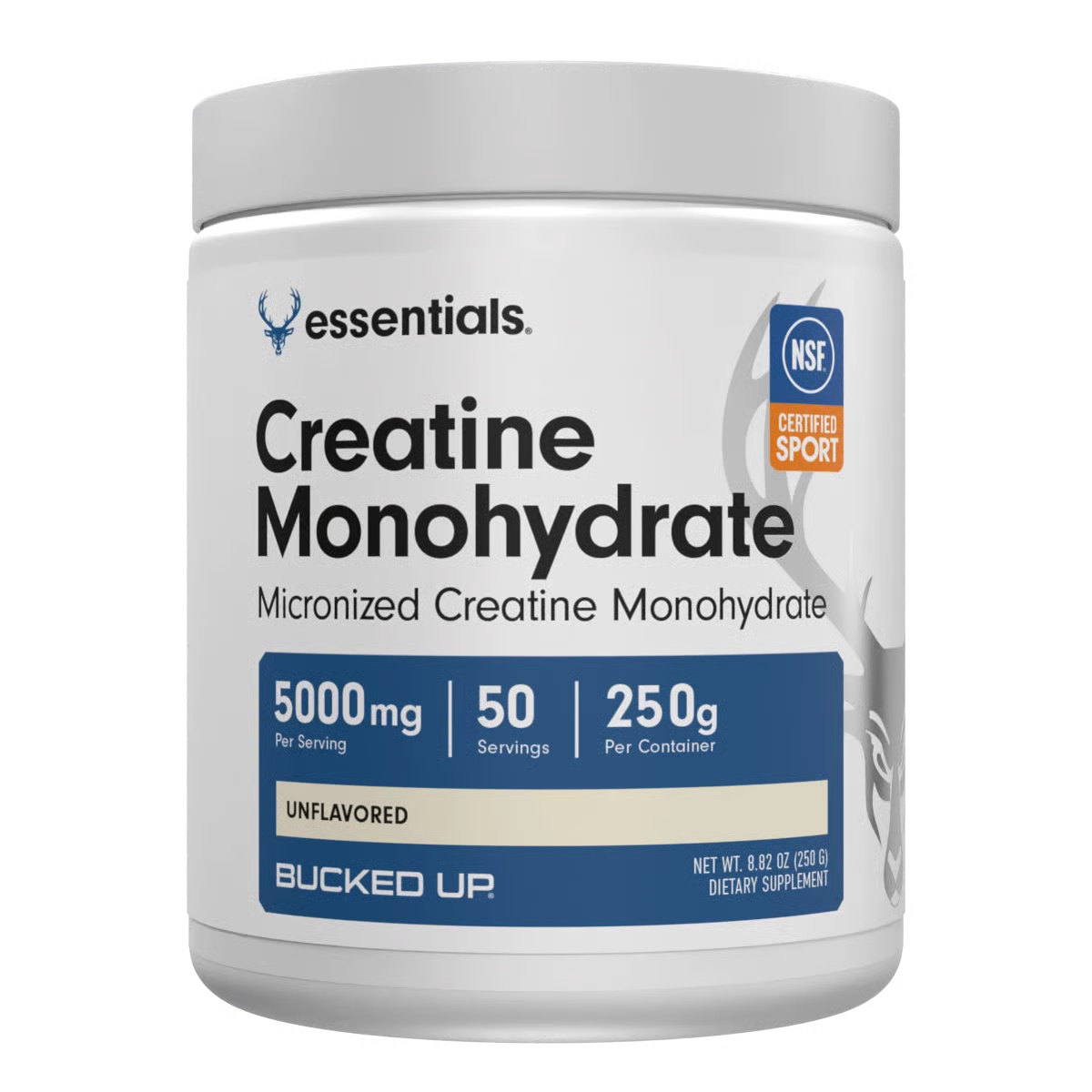
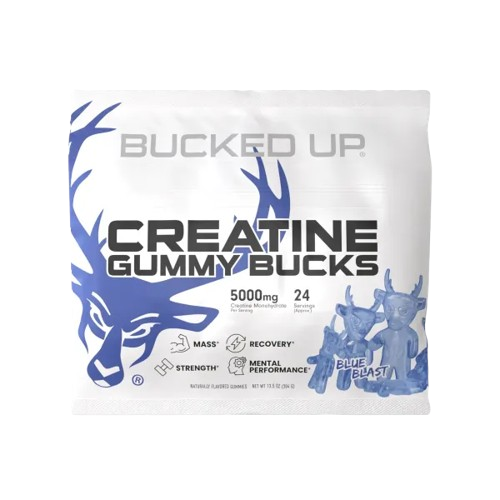
Bucked Up offers several creatine options, including pure creatine monohydrate powder, the Six Point Creatine blend, convenient gummies, and candy-style formats. These products feature 99.8% micronized purity and NSF certifications, which help lower the risk of contaminants sometimes found in lower-quality supplements. Research suggests that reported creatine risks often relate to impurities in poor-quality products rather than creatine itself.

The micronization process improves how easily the powder dissolves and can reduce stomach discomfort compared with some standard creatine powders.1
Kidney Health: Creatine Monohydrate and GFR
Current reviews do not show an increased risk of kidney damage from creatine monohydrate when healthy adults use recommended doses. Glomerular filtration rate (GFR), a key kidney function marker, remains stable in these studies, which indicates preserved kidney health.
A 2025 meta-analysis of 21 studies found no statistically significant differences in GFR between creatine users and control groups. These findings support kidney function preservation even with long-term creatine use in healthy individuals.
Liver Health: Creatine and Enzyme Levels
Available data do not show liver enzyme elevation from creatine monohydrate use in healthy people. A cross-sectional analysis of 2017–2018 U.S. National Health and Nutrition Examination Survey data reported that dietary creatine intake of at least 2 grams per day did not significantly increase the risk of liver fibrosis, cirrhosis, or hepatic steatosis. These results align with controlled trials that track liver enzymes during supplementation.
Long-Term Kidney and Liver Outcomes from Creatine
Five-year research data consistently show no kidney harm from daily creatine use in healthy populations. Kreider et al. (2003) reported no serious long-term adverse effects on kidney function in football players who supplemented with creatine. These findings help address concerns about chronic use.
The table below summarizes key long-term studies so you can see how kidney and liver markers behave across different research groups and timeframes.
| Study/Source | Dose/Duration | Outcome (Kidney Markers) | Outcome (Liver Markers) |
|---|---|---|---|
| Kabiri Naeini et al. (2025) | Recommended doses, long-term | No significant changes in GFR | N/A |
| Longobardi et al. (2025) | Recommended doses, long-term | Normal kidney markers | N/A |
| Kreider et al. (2003/2021 ISSN) | Recommended doses, long-term | No serious long-term adverse effects | No adverse effects |
| Mayhew et al. (2002) | Recommended doses, long-term | Normal GFR/creatinine | Normal enzymes |
These consistent outcomes across multiple studies suggest that long-term creatine monohydrate use at standard doses does not impair kidney or liver markers in healthy adults.
Who Should Be Cautious or Avoid Creatine
People with diagnosed kidney disease should avoid creatine monohydrate unless a physician specifically approves it. Anyone with kidney disease or taking medications that affect kidney function should talk with their doctor before starting creatine.
Extra caution also applies to people with liver disease, diabetes that affects the kidneys, uncontrolled high blood pressure, or a strong family history of kidney disease. Pregnant or breastfeeding individuals should seek medical guidance before adding creatine or any new supplement.
Safe Daily Creatine Amounts for Kidney Health
Most guidance for healthy adults points to 3–5 grams of creatine monohydrate per day as an effective and safe range. Some people choose an optional loading phase of 20 grams per day, split into smaller servings, for five to seven days to saturate muscles faster. Loading remains optional, and many users see benefits without it.
Practical Steps to Support Kidney and Liver Health on Creatine
NSF-certified, high-purity creatine products help you avoid contaminants that could strain your organs independently of creatine. Because creatine draws water into muscle cells and increases overall fluid needs, aim for about 80–100 ounces of water per day to stay well hydrated. Stick with the daily dose range described earlier, since safety research focuses on these amounts and higher intakes do not reliably add benefits while they may increase risk.
Bucked Up’s manufacturing standards include NSF and GMP certifications, which support product purity and safety. Transparent labeling and third-party testing provide added reassurance for people who plan to use creatine every day.
How to Use Creatine Day to Day
Most adults take 3–5 grams of creatine monohydrate per day, regardless of training schedule. Because creatine works through muscle saturation rather than a single-time effect, timing stays flexible, so you can take it with meals, after workouts, or whenever you remember consistently. This saturation mechanism also means you should continue taking creatine on rest days to maintain muscle levels. Unlike some supplements that require breaks, creatine monohydrate does not typically need cycling because the body naturally regulates creatine stores.
Frequently Asked Questions
What is the safe daily dose of creatine for healthy adults?
Most research supports 3–5 grams per day for healthy adults.1 Studies using this range have not shown harmful effects on kidney or liver function. Some people prefer starting near 3 grams and increasing slowly to see how they feel.
What are possible signs of kidney problems while using creatine?
Kidney damage directly caused by creatine appears very rare in healthy individuals. Higher creatinine on lab tests after starting creatine usually reflects normal metabolic turnover, not organ injury. True kidney dysfunction tends to show up as ongoing fatigue, swelling in the legs or around the eyes, or noticeable changes in urination patterns, which require medical evaluation.
Should I keep taking creatine on rest days?
Daily use, including rest days, helps maintain muscle creatine saturation.1 Consistent intake supports steady levels so you are ready for your next training session. Creatine works through accumulation in muscle tissue rather than a single pre-workout dose.
Are creatine pills, gummies, or powder safer for kidneys?
Properly manufactured creatine products have similar safety profiles, regardless of format. Bucked Up’s gummies and candy formats provide alternatives to traditional powders while aiming to maintain the same quality standards. Choose the form that you can take consistently and that fits your routine.

How long can I safely use creatine every day?
Studies support daily creatine use for several years in healthy people.1 The longest trials follow users for more than 5 years without detecting harmful changes in kidney or liver markers. Regular checkups and lab work with your healthcare provider remain a smart practice for any long-term supplement plan.
Conclusion: Creatine Safety, Benefits, and Next Steps
Daily creatine monohydrate use at 3–5 grams appears safe for healthy kidneys and liver based on decades of research.1 When you follow evidence-based protocols, the potential benefits for strength, recovery, and cognitive function can outweigh the limited risks in healthy adults.1 Start an informed supplementation plan with Bucked Up’s certified, pure creatine products by choosing the format that fits your training and lifestyle from their creatine collection.
1 The content provided in this article is for informational purposes only and is not medical advice. Consult with a medical professional before implementing any changes to your diet, health, or exercise routines.
Individual results will vary and are based on a combination of each individual’s diet, exercise, age, and health circumstances.
These statements have not been evaluated by the Food and Drug Administration. This product is not intended to diagnose, treat, cure or prevent any disease.
This article was written by Ryan Gardner, CEO of Bucked Up. As the maker of Bucked Up Creatine, we have a financial interest in this information. The views expressed are our own and should be read with that context in mind