Written by: Ryan Gardner, Owner, Managing Partner, CEO, Bucked Up | Last updated: April 22, 2026
Key Takeaways
- Mild dehydration thickens your blood, slows nutrient delivery, and leaves your muscles looking flat during lifts.
- Consistent hydration keeps blood volume high so nitric oxide can support strong vascularity and full, dense muscles.
- Electrolytes like sodium, potassium, and magnesium keep cells hydrated and support powerful muscle contractions.
- A simple protocol of 17–20 oz water 2–3 hours pre-workout, steady sips during, and smart replacement after supports performance.
- Combining these hydration strategies with Bucked Up pre-workouts can support intense pumps and steady endurance.1
Why Hydration Matters for Lifters
Human blood is composed of approximately 55% plasma, which is roughly 90% water, so your hydration level directly affects blood volume and performance. Even mild dehydration representing 1–2% body fluid loss can impair physical exercise performance by 10–20%, negatively affecting cardiovascular function, muscle endurance, and strength output.
Gym-goers lose significant fluid through sweat during hard sessions, especially in hot or humid gyms. Intense physical activity can cause fluid losses of one liter or more per hour through sweat. Bucked Up’s Himalayan Rock Salt with trace minerals supplies key electrolytes that support fluid balance and help you feel and perform better while you train.1
How Hydration Changes Blood Flow and Pump in the Gym
Hydration’s Direct Impact on Muscle Pump
Solid hydration keeps blood volume high so nitric oxide can dilate blood vessels and flood muscle cells. Adequate fluid levels thin the blood slightly, which supports smoother nutrient delivery and faster waste removal. Balanced electrolytes power muscle contractions and maintain the osmotic gradients that help muscles feel full and tight during resistance training.
What Dehydration Does to Blood Flow While You Lift
Dehydration decreases blood volume and increases blood viscosity, making it harder for the heart to pump blood through vessels, leading to increased heart rate, blood vessel constriction, and strain on the cardiovascular system. This hemoconcentration forces your cardiovascular system to work harder and reduces how efficiently nutrients reach working muscles.
Dehydration decreases blood volume, forcing the heart to work harder, reducing oxygen delivery to muscles and brain, and causing weakness, dizziness, sluggishness, and impaired physical performance such as reduced endurance and easier muscle fatigue. In the gym, that often feels like early burnout, weaker sets, and pumps that fade fast.
How Electrolytes Support a Strong Pump
Approximately 98% of the body’s potassium resides inside cells, with intracellular concentrations 30–40 times higher than in extracellular fluid, maintaining membrane potential for nerve firing and muscle contraction. The sodium-potassium pump consumes over 40% of the body’s ATP to maintain electrolyte gradients across cell membranes, a process requiring magnesium-bound ATP for muscle and nerve function.
Magnesium is essential for cells to retain potassium intracellularly; without adequate magnesium, potassium leaks out of cells, and potassium depletion cannot be corrected until magnesium is adequately supplied. These relationships show why water alone is not enough when you want a full, lasting pump.
The following table summarizes practical hydration timing and volumes that support blood flow and muscle pump across your training phases.
| Phase | Volume (oz) | Timing | Notes |
|---|---|---|---|
| Pre | 17–20 | 2–3 hours before | Add electrolytes |
| Intra | 4–6 every 15 min | During sets | Increase slightly for high-rep work |
| Post | 16–24/lb lost | Immediate | Focus on full recovery |
Step-by-Step Hydration Protocol for a Bigger Pump
Use this evidence-based protocol to dial in your hydration for stronger pumps and better vascularity.
1. Pre-Workout Hydration: Consume 17–20 ounces of water 2–3 hours before exercise. Add electrolytes to support fluid retention and cellular function. This pre-loading phase sets your blood volume foundation for the rest of the session.
2. Intra-Workout Maintenance: Building on that foundation, sip 4–6 ounces every 15 minutes during your workout. This steady intake helps prevent the slow drop in blood volume that can flatten your pump halfway through. Without this step, even solid pre-workout hydration fades as sweat losses add up.
3. Post-Workout Recovery: After training, replace 16–24 ounces of fluid per pound of body weight lost, measured with pre- and post-workout weigh-ins. This recovery phase restores the fluid deficit from your session and prepares you for your next lift.
4. Monitor Status: Throughout this process, track how well you are hydrating. Optimal hydration status is indicated by pale lemonade-colored urine, while dark yellow or amber urine signals dehydration and a need for immediate fluid and electrolyte intake.
Pair this hydration protocol with Bucked Up’s scientifically formulated pre-workouts to support stronger pumps and more consistent performance.1
How Bucked Up Pre-Workouts Work with Proper Hydration
Solid hydration gives Bucked Up’s performance ingredients a better environment to work.1 Citrulline malate improves sports performance by increasing nitric oxide for better blood flow, and this effect can feel stronger when blood volume and viscosity are supported through good hydration habits.1
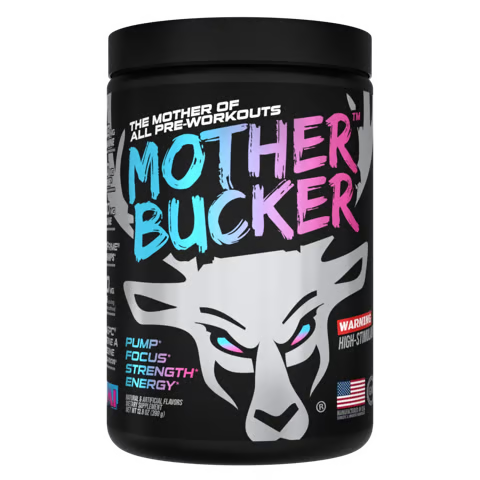
Bucked Up’s formula includes 6 grams of citrulline malate, Nitrosigine®, and Himalayan Rock Salt with trace minerals. When you stay hydrated, these ingredients work together to support vasodilation and muscle fullness.1 The Hydroprime® Glycerol in Mother Bucker pulls water into muscle cells, which supports cellular hydration and a fuller pump.1
This combination of consistent hydration and Bucked Up’s transparent, fully dosed ingredients can create a powerful environment for noticeable pumps.1
Dehydration Warning Signs During Lifts and Fast Fixes
Even with a strong hydration plan and smart supplementation, your body sometimes slips below its ideal fluid level. Recognize these warning signs and correct them quickly.
- Dark urine or muscle cramps: Take small sips of an electrolyte solution between sets.
- Flat pumps despite solid form: Add 8 ounces of water with a pinch of salt and reassess after a few sets.
- Excessive fatigue or dizziness: Pause training, sit down if needed, and focus on rehydration before continuing.
- Reduced strength output: Even mild dehydration can reduce strength, endurance, and concentration, so treat these drops as a cue to drink and rebalance electrolytes.
Combining consistent hydration with Bucked Up’s sustained-energy formulas can help reduce the energy crashes that often show up when dehydration creeps in during intense training.1
How to Measure Hydration and Pump Progress
Track a few simple indicators to see how better hydration affects your pump and performance.
- Vascularity by set three: Well-hydrated muscles often show more visible veins as your workout ramps up.
- Rep count improvement: Log your reps and compare sessions with strong hydration habits against days you under-drink.
- Muscle fullness duration: Notice whether your pump lasts through the entire workout instead of fading early.
- Recovery between sets: Adequate hydration supports faster lactate clearance, which can help you feel ready sooner for your next set.
Keep a simple training log that compares hydrated versus under-hydrated sessions so you can see how much proper fluid balance changes your performance.
Advanced Hydration Strategies for Elite Pumps
Once you have the basics down, use these advanced tactics to refine your pump and performance.
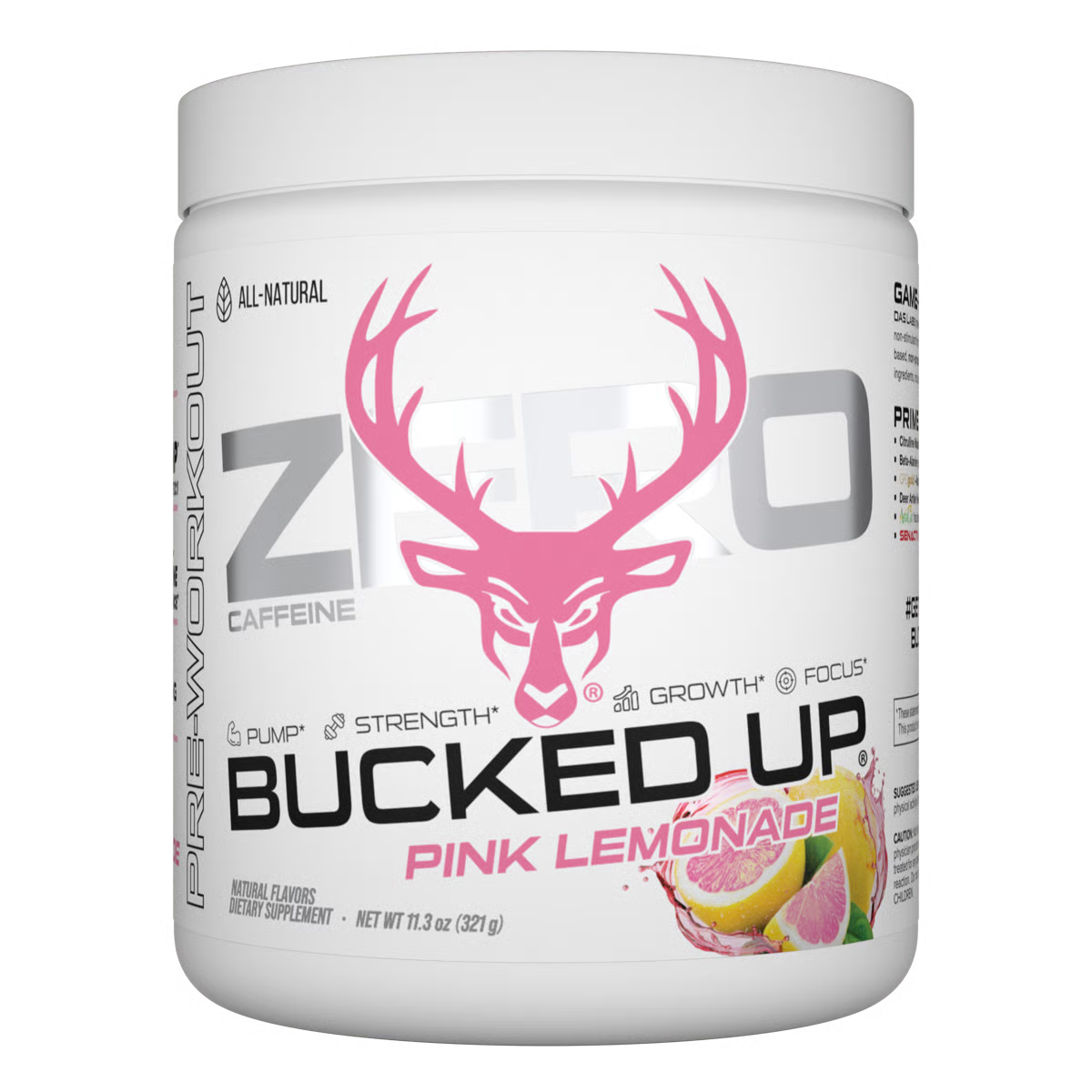
- Strategic timing: Use Bucked Up Non-Stim for late-day sessions when you want pump and focus without extra caffeine.1
- Glycerol support: Mother Bucker’s Hydroprime® Glycerol supports intracellular water retention, which can enhance muscle fullness.1
- Electrolyte cycling: Adjust sodium intake across the week based on sweat rate, training volume, and how your pumps feel.
- Temperature control: Choose cool, not ice-cold, water during training to support comfortable and efficient absorption.
People Also Ask: Hydration and Pump FAQs
How much water before lifting for pump?
Follow the 17–20 ounce guideline 2–3 hours before lifting, with electrolytes included as described earlier. For morning workouts, drink 10–12 ounces immediately after waking, then another 10–16 ounces with electrolytes while you get ready. This approach supports blood volume and viscosity so you start your session primed for a strong pump.
Does hydration affect lifting performance?
Hydration strongly affects lifting performance. Even small fluid losses can reduce strength output and limit endurance. Proper hydration maintains blood volume, supports nutrient delivery, and helps muscles contract efficiently. Dehydrated muscles often look and feel flat compared with sessions where you are fully hydrated.
What electrolytes are best for muscle pump while lifting?
Sodium, potassium, and magnesium are key electrolytes for a strong pump. Sodium supports blood volume and muscle contraction, while potassium is central for intracellular hydration and nerve signaling. Magnesium helps your body retain potassium and supports ATP-driven processes that power muscle contraction. Bucked Up’s Himalayan Rock Salt supplies these minerals in a balanced form.1
How does dehydration affect blood flow during workouts?
Dehydration lowers blood volume and thickens the blood, which makes each heartbeat work harder. This change reduces oxygen and nutrient delivery to working muscles, raises heart rate, and speeds up fatigue. Thicker blood also fills muscle capillaries less effectively, which can blunt your pump and reduce visible vascularity.
Can I drink too much water before lifting?
Excessive water intake without electrolytes can dilute blood sodium and hurt performance. This condition, called hyponatremia, may cause cramps, nausea, and reduced strength. Aim for balanced hydration with electrolytes instead of chasing huge water volumes. Follow the 17–20 ounces 2–3 hours before training, with electrolytes included, and adjust based on sweat and body weight changes.
Conclusion: Hydrate Right, Pump Hard with Bucked Up
Hydration directly shapes blood flow and pump while lifting, so fluid balance becomes a core part of serious training. When you maintain healthy blood volume and viscosity through consistent hydration, you create a strong base for nitric oxide pathways to support intense pumps and noticeable vascularity.
Research shows that dehydration flattens pumps, cuts into strength, and limits training potential. When you combine an evidence-based hydration plan with Bucked Up’s transparently dosed ingredients like citrulline malate, Nitrosigine®, and Himalayan Rock Salt, you give your body solid support for pump-focused sessions.1
Experience the synergy between proper hydration and Bucked Up pre-workouts, formulated to support energy, focus, pump, and endurance.1 Hydrate smart, train hard, and bring more intensity to every session.
1 The content provided in this article is for informational purposes only and is not medical advice. Consult with a medical professional before implementing any changes to your diet, health, or exercise routines.
Individual results will vary and are based on a combination of each individual’s diet, exercise, age, and health circumstances.
These statements have not been evaluated by the Food and Drug Administration. This product is not intended to diagnose, treat, cure or prevent any disease.
This article was written by Ryan Gardner, CEO of Bucked Up. As the maker of Bucked Up pre-workout, we have a financial interest in this information. The views expressed are our own and should be read with that context in mind.