Last updated: April 16, 2026
Key Takeaways
- Caffeine crashes occur when adenosine rebounds after its 5–6 hour half-life. This rebound causes sudden fatigue and brain fog once caffeine’s blocking effects fade.
- Delay morning caffeine 60–90 minutes after waking. This timing avoids cortisol interference and lines up with your natural adenosine rise.
- Space doses every 3–4 hours, pair caffeine with food and electrolytes, and cut off intake by 2 PM. These habits help maintain steady levels and protect sleep.
- Prioritize 7–9 hours of sleep and use active recovery like walks or L-theanine. These strategies support natural adenosine clearance and reduce crash risk.
- Choose Bucked Up Energy Drinks with TeaCrine®, Dynamine™, and AlphaSize® for steady, crash-resistant energy throughout the day.1
7 Science-Backed Strategies to Prevent Caffeine Crash
Caffeine crashes do not have to derail your day. By timing your intake, pairing caffeine with the right nutrients, and supporting sleep, you can keep energy levels steadier from morning to night. Use these seven evidence-based strategies to reduce crashes and feel more consistent focus.
#1: Delay Your First Caffeine Dose
Delaying morning caffeine by 60–90 minutes after waking helps avoid stacking caffeine on the cortisol peak and aligns intake with rising adenosine levels. Consuming caffeine during the natural cortisol peak can cause overstimulation that feels like anxiety, racing heart, elevated blood pressure, or jitteriness.1 If you wake at 7 AM, wait until about 8:30 AM for your first dose.
#2: Space Doses Evenly
Spread your caffeine intake across the day instead of taking a large amount at once. The FDA considers up to 400 mg of caffeine per day the safe upper limit for most healthy adults.1 Spacing doses every 3–4 hours helps avoid sharp peaks and valleys that trigger crashes and supports more stable energy.
#3: Pair Caffeine with Food and Electrolytes
Controlling how quickly caffeine enters your system is one of the simplest ways to prevent crashes. Eating food beforehand slows caffeine absorption, which reduces the chance of a rapid energy spike followed by a hard crash. Protein and healthy fats create a buffer that moderates caffeine’s entry into your bloodstream and softens both the initial rise and the later drop. Consider pairing your morning energy drink with Greek yogurt, nuts, or eggs.
Hydration also supports steady energy during caffeine’s active window. Caffeine has mild diuretic effects but does not appear to cause dehydration or unwanted fluid loss. Electrolytes support hydration and energy metabolism, helping your body use energy efficiently and avoid quick burnout. Aim for 16–20 oz of water with each caffeinated beverage.
#4: Set an Afternoon Caffeine Cutoff
Stopping caffeine by 2 PM protects your sleep and reduces next-day crashes. A 400 mg caffeine dose taken 6 hours before bedtime can significantly disrupt sleep efficiency, total sleep time, and sleep architecture. Poor sleep then increases fatigue the next day and encourages higher caffeine intake, which keeps the crash cycle going.
#5: Protect Your Sleep Window
Consistent, quality sleep naturally clears adenosine buildup overnight and lowers your baseline need for caffeine. When you are sleep-deprived, adenosine levels start higher, so crashes feel more intense once caffeine wears off. A regular sleep schedule of 7–9 hours supports your body’s natural energy rhythms and reduces crash severity.
#6: Use Active Recovery Instead of More Caffeine
Light movement and short rest breaks can soften a crash without adding more caffeine. When you feel a dip coming, try a 10-minute walk, a few minutes of deep breathing, or a brief 20-minute nap. These actions help reset your energy and focus without pushing your total caffeine higher. L-theanine supplements can also promote calm focus during crash periods.1
#7: Combine Caffeine with Nootropics
Specific nootropics can smooth caffeine’s effects and extend focus. TeaCrine® works synergistically with caffeine for sustained energy and focus without the jitters or crash, with less tolerance buildup.1 The combination of L-theanine and caffeine improves cognitive performance, accuracy on attention-switching tasks, and subjective alertness while reducing tiredness.1 These compounds support smoother, longer-lasting energy compared to caffeine alone.
Choose Bucked Up Energy Drinks for Crash-Resistant Energy
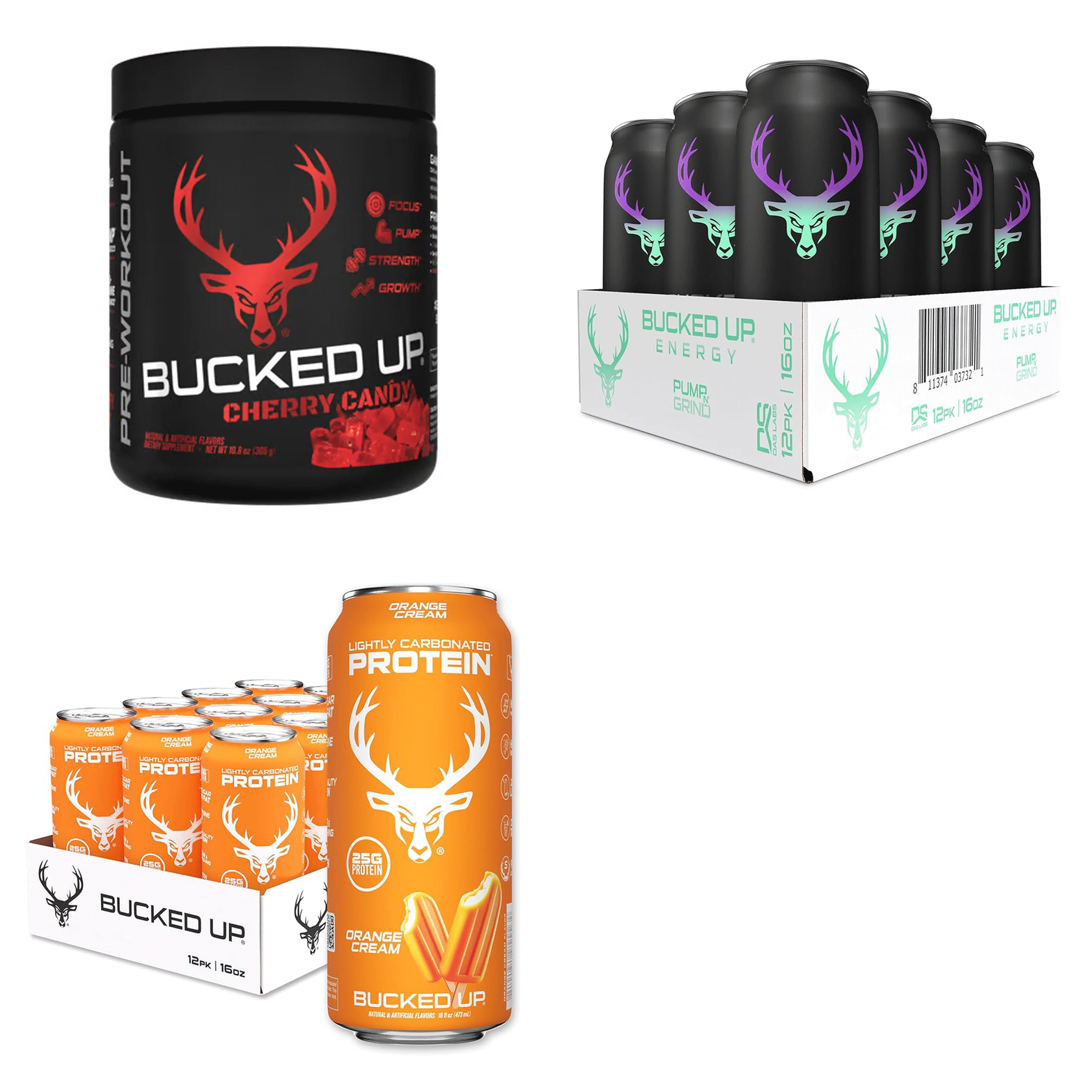
Bucked Up Energy Drinks combine caffeine with crash-conscious nootropics like TeaCrine®, Dynamine™, and AlphaSize® to support sustained performance with fewer sharp highs and lows.1 Find Bucked Up Energy Drinks near you to see how this combination feels in your daily routine. Get crash-resistant energy delivered so you can stock your fridge and stay prepared.
Why Bucked Up Energy Drinks Can Help You Avoid Caffeine Crashes
Bucked Up offers three specialized formulations that focus on steady energy and mental performance. The flagship Bucked Up Energy Drink contains 300 mg caffeine plus TeaCrine®, Dynamine™, and AlphaSize® to support sustained focus and mood.1 LFG Energy provides 160 mg caffeine for people who want a moderate dose for work or training. Babe Energy offers 150 mg natural caffeine in a formula designed with women’s preferences and needs in mind.

Several features in these formulas target common crash triggers:
TeaCrine® synergy: Works with caffeine to provide sustained energy without the same level of tolerance buildup seen with caffeine alone1
Dynamine™ mood support: Supports focus while helping maintain a positive mental state1
L-Theanine smoothing: Promotes calm alertness and can reduce jitters1
Bucked Up also highlights nootropic ingredients and transparent labeling compared to some options like Red Bull or Monster that can use proprietary blends. This transparency helps you see exactly how much caffeine and each supporting ingredient you are taking.
Try Bucked Up Energy Drinks to experience more stable energy and fewer afternoon slumps.
Sample Daily Schedules to Reduce Caffeine Crashes
Student Schedule: Wake 7 AM, first Bucked Up at 8:30 AM following the 90-minute guideline, hydrate during study sessions, and stop caffeine by mid-afternoon.
Professional Schedule: Space Bucked Up Energy every 4 hours, pair each can with protein-rich snacks, and set a 2 PM cutoff to protect sleep.
Shift Worker Schedule: Take Bucked Up Energy with a pre-shift meal, focus on aggressive hydration with electrolytes, and avoid caffeine late in the shift when working nights.
FAQ: How to Avoid Caffeine Crash
What Causes Caffeine Crashes?
Caffeine crashes result from adenosine rebound once caffeine’s blocking effects wear off. As caffeine levels fall, accumulated adenosine binds to receptors and triggers sudden fatigue, brain fog, and irritability. The severity of a crash depends on your total dose, timing, sleep, and individual tolerance.
A caffeine crash can last anywhere from hours to a week, and withdrawal symptoms can persist 2–9 days for heavy users. Duration depends on your previous caffeine intake, metabolism rate, and hydration status. Thoughtful timing, hydration, and sleep can reduce both intensity and length.
What Is the 90-Minute Coffee Rule?
The 90-minute rule means delaying caffeine intake for about 90 minutes after waking. This timing avoids interfering with your natural cortisol peak and allows your body’s wake-up response to work first. Many people find this approach reduces overstimulation early in the day and softens crash severity later.
Do Electrolytes Help Caffeine Crashes?
Electrolytes can help reduce the fatigue that often compounds a caffeine crash. They support hydration and energy metabolism so your body can use fuel more efficiently during caffeine’s active period. Balanced electrolytes, combined with water and food, support steadier performance.
How Do Bucked Up Energy Drinks Help Prevent Crashes?
Bucked Up Energy Drinks use nootropic ingredients like TeaCrine® and Dynamine™ alongside caffeine to support more sustained energy.1 These compounds work with caffeine to extend focus and reduce the sharp drop some people feel when caffeine wears off.1 The inclusion of L-theanine further smooths energy delivery and can reduce jitters.1
Conclusion: Stay Crash-Resistant and Productive
Using these seven strategies, from the 90-minute rule to pairing caffeine with food, hydration, and nootropics, can significantly cut down caffeine crashes. Consistent sleep and smart timing help you maintain steady energy throughout your day. Bucked Up Energy Drinks add a convenient option with ingredients selected to support smoother, longer-lasting energy.1
Stock up on Bucked Up Energy Drinks to support more productive, crash-resistant days.
1 The content provided in this article is for informational purposes only and is not medical advice. Consult with a medical professional before implementing any changes to your diet, health, or exercise routines.
Individual results will vary and are based on a combination of each individual’s diet, exercise, age, and health circumstances.
These statements have not been evaluated by the Food and Drug Administration. This product is not intended to diagnose, treat, cure or prevent any disease.
This article was written by Ryan Gardner, CEO of Bucked Up. As the maker of Bucked Up Energy Drinks, we have a financial interest in this information. The views expressed are our own and should be read with that context in mind.