Written by: Ryan Gardner, Owner, Managing Partner, CEO, Bucked Up | Last updated: April 22, 2026
Key Takeaways for Pre-Workout Caffeine
- Most people perform well with 1.4-2.7mg of caffeine per pound of body weight, taken about 45 minutes before training.1
- A 170lb person typically falls in the 238-460mg range, with a practical ceiling of 400mg per day for most healthy adults.
- Start at the low end of your range, watch for side effects like jitters or poor sleep, and cycle caffeine to slow tolerance.
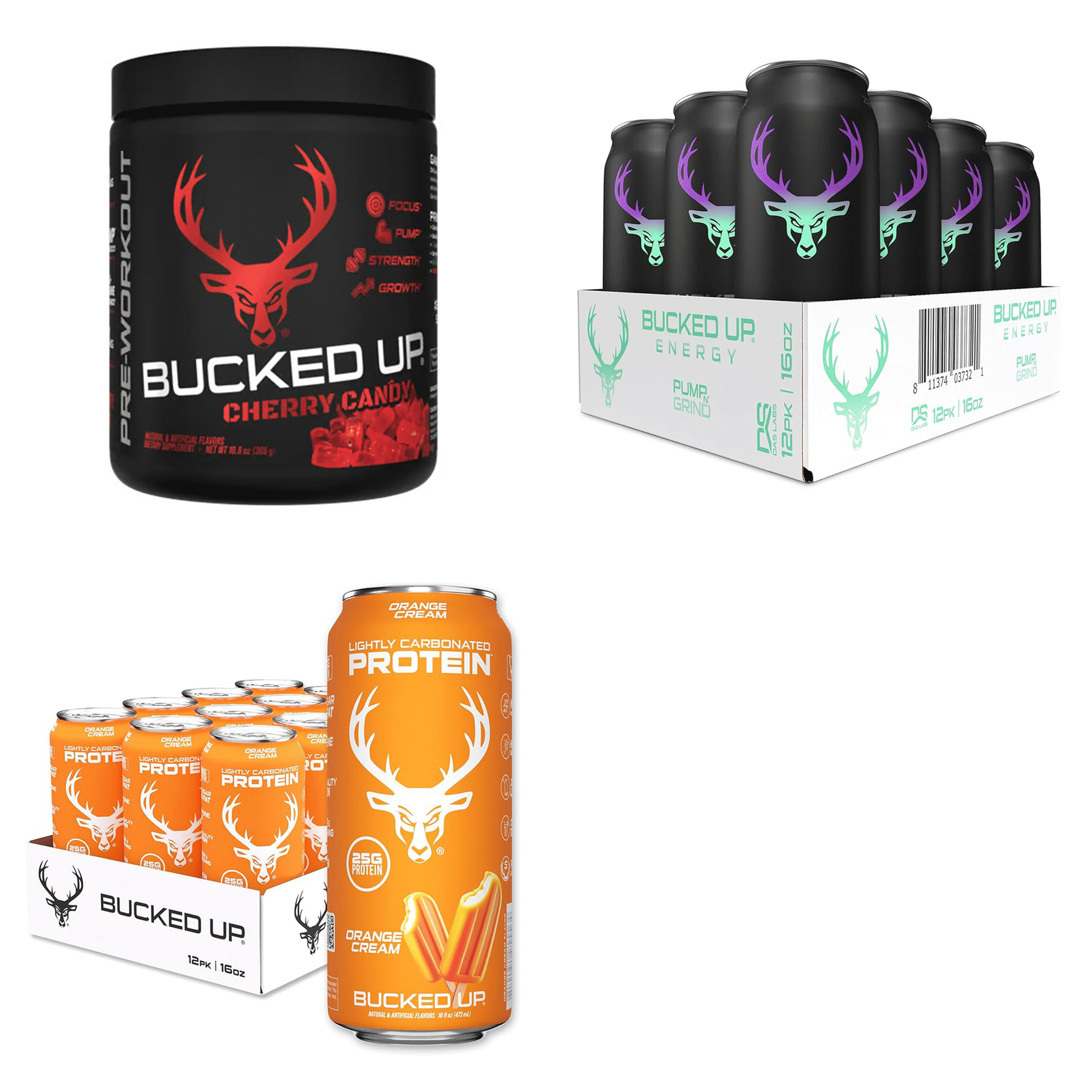
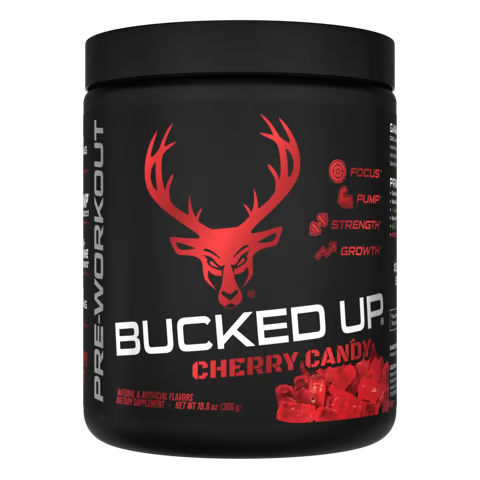
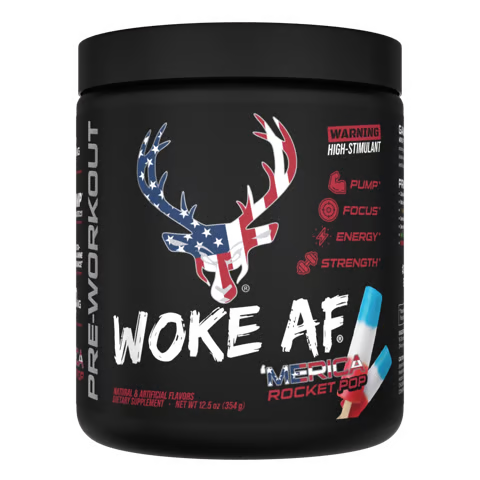
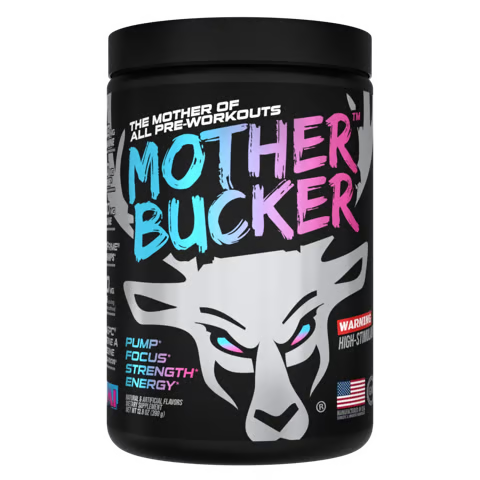
- Bucked Up offers clear options by dose: 200mg for newer users, 333mg Woke AF for harder sessions, and 400mg Mother Bucker for advanced lifters.
- Support steady energy with Bucked Up’s transparent pre-workouts that combine caffeine with performance ingredients.1 Find your ideal caffeine dose here.
How Much Caffeine Before Workout? Dosage by Body Weight
Most lifters see performance benefits with 1.4-2.7mg of caffeine per pound of body weight taken about 45 minutes before exercise.1 The table below shows personalized ranges across common body weights so you can match your dose to your size.
| Weight (lbs) | Low Dose (1.4mg/lb) | High Dose (2.7mg/lb) |
|---|---|---|
| 120 | 168mg | 324mg |
| 150 | 210mg | 405mg |
| 170 | 238mg | 460mg |
| 200 | 280mg | 540mg |
| 220 | 308mg | 594mg |
| 250 | 350mg | 675mg |
The International Society of Sports Nutrition recommends 3-6mg/kg body weight for ergogenic effects, which aligns with the 1.4-2.7mg per pound range.1 Bucked Up’s 200mg formula can suit many beginners under about 150lb, while the 400mg Mother Bucker formula can suit larger or more tolerant athletes who stay within the 400mg daily maximum. Use Bucked Up’s labeled doses to match your target range.
Best Timing for Caffeine Before Workout
Caffeine typically reaches peak levels in your blood between 15 and 120 minutes after you take it, with about 45 minutes working well for most people. The ISSN position stand supports this timing window for maximum performance benefits.1 A standard 8-ounce cup of brewed coffee has about 95 milligrams of caffeine, which makes precise dosing harder than using Bucked Up’s clearly labeled pre-workouts. Taking caffeine on an empty stomach speeds up absorption, while food can delay peak levels by 20-30 minutes but still preserves the overall benefits. Once you dial in timing, the next step is matching your dose to your personal tolerance.
Caffeine Tolerance Test: Start Low, Then Scale Up
Begin at the lower end of your dosage range, around 1.4mg per pound, for 1-2 weeks to test your tolerance. During this period, track how you feel, especially for jitters, anxiety, a racing heart, or trouble sleeping. These signs usually mean you have reached your ceiling and should not increase your dose. If you handle the lower dose well and want more intensity, consider pre-workouts with progressive caffeine levels such as Bucked Up’s standard 200mg, Woke AF at 333mg for harder sessions, or Mother Bucker at 400mg with delayed-release caffeine for longer-lasting energy. Research shows tolerance builds with frequent use, so plan periodic breaks or cycles to keep caffeine effective. During those breaks, non-stimulant pre-workouts or pump products can help you maintain training quality without extra caffeine.
Is 200mg or 300mg Too Much? Safety and Side Effects
A 200mg dose can work well for many adults and often fits beginners. Bucked Up’s 200mg serving equals about half of the FDA’s 400mg daily maximum1, which can make it a practical option for caffeine-sensitive users. A 300mg dose usually suits more tolerant individuals over about 150lb and sits in the same range as Woke AF’s 333mg formula. The FDA lists 400mg per day as a safe upper limit for most healthy adults.1 Side effects such as jitters or a racing heart often appear above 6mg per kilogram of body weight.1 Certain medications can change how your body handles caffeine; for example, SSRIs like sertraline may slow caffeine metabolism and increase sensitivity. Always talk with your healthcare provider before mixing caffeine with medications, and stay hydrated to help reduce unwanted effects.
Why Bucked Up Pre-Workouts Fit Targeted Caffeine Dosing
Bucked Up provides transparent labeling without proprietary blends, which makes it easier to match your caffeine intake to your body weight. Each serving lists a precise caffeine amount and comes in flavors many users enjoy. The formulas pair caffeine with performance ingredients such as l-citrulline malate for pumps, Beta-Alanine for endurance, and AlphaSize for mental focus.1 The product line also offers a clear progression in caffeine levels: Bucked Up (200mg) for newer or lighter users, Woke AF (333mg) for higher-intensity training, and Mother Bucker (400mg) with Nitrosigine for advanced athletes who want a stronger stimulant effect. Coffee alone does not provide this type of ingredient stack, so it often cannot match the combined performance support of a well-formulated pre-workout. Explore Bucked Up’s pre-workout lineup to match your target caffeine level.
Frequently Asked Questions
Can I take 200mg caffeine before workout?
A 200mg dose can be a solid starting point for many people and matches the amount in Bucked Up’s standard formula. This range often works well for individuals weighing around 120-150lb and can deliver noticeable energy without overwhelming stimulation for most users. Sports nutrition research links doses in this range to improved power output and reduced fatigue during exercise.1
Is 300mg too much?
A 300mg dose usually falls within a reasonable range for caffeine-tolerant individuals over about 150lb who stay under 400mg per day. Woke AF contains 333mg, which still fits within FDA guidance for healthy adults.1 If you are new to pre-workouts or know you are sensitive to stimulants, begin with a lower dose and increase only if you feel comfortable.
What is the best caffeine timing before workout?
Most people do well taking caffeine 30-60 minutes before training, with about 45 minutes working as a reliable target. This timing helps your blood caffeine levels peak close to the start of your workout, which supports strength, endurance, and focus.1 The ISSN position stand supports this window for enhanced performance.1
Does caffeine interact with medications like Lexapro or semaglutide?
SSRIs such as Lexapro can affect how your body processes caffeine, which may increase sensitivity and raise the chance of jitters or sleep issues. Some other medications, including drugs that affect blood sugar or appetite like semaglutide, may also change how you feel on caffeine. Discuss your caffeine intake with your healthcare provider if you take any prescription medications, especially if you notice stronger effects than expected.
Conclusion: Match Caffeine to Your Body and Your Training
You can dial in your pre-workout caffeine by using the 1.4-2.7mg per pound guideline and choosing a clearly labeled product. Bucked Up’s lineup covers common needs, from 200mg for newer users, to 333mg for intense training, to 400mg for experienced lifters who tolerate higher doses. When you match dose, timing, and tolerance, you support steady energy, fewer crashes, and better workout quality.1 Start with a Bucked Up formula that fits your personal caffeine range.
1 The content provided in this article is for informational purposes only and is not medical advice. Consult with a medical professional before implementing any changes to your diet, health, or exercise routines.
Individual results will vary and are based on a combination of each individual’s diet, exercise, age, and health circumstances.
These statements have not been evaluated by the Food and Drug Administration. This product is not intended to diagnose, treat, cure or prevent any disease.
This article was written by Ryan Gardner, CEO of Bucked Up. As the maker of Bucked Up pre-workout, we have a financial interest in this information. The views expressed are our own and should be read with that context in mind.