
Last updated: February 8, 2026
Key Takeaways
- Creatine supplementation boosts muscle phosphocreatine stores by 10-40%, which supports rapid ATP resynthesis during 5-30 second high-intensity efforts.
- The phosphocreatine system regenerates ATP from ADP through creatine kinase, and supplementation expands this system’s capacity for sustained power output.
- Studies show creatine enhances power, recovery, and muscle growth in strength training, sprinting, and HIIT.
- Advanced forms like Creatine HCl and multi-creatine blends from Bucked Up reduce bloating while supporting ATP production and daily convenience.
- Experience bloat-free ATP support by shopping Bucked Up’s creatine products today.
How Creatine Powers ATP Through the Phosphocreatine System
The creatine phosphocreatine system acts as your muscles’ fastest energy backup during intense exercise. ATP concentration in muscle sits at only 2-5 mM, which fuels just a few seconds of contraction without PCr replenishment. This limited pool makes the phosphocreatine system crucial for keeping power output high.
The ATP regeneration process follows a clear sequence.
1. ATP Depletion: During muscle contraction, ATP breaks down into ADP (adenosine diphosphate) and inorganic phosphate. This breakdown releases energy that drives muscle fiber activation and force production.
2. Phosphocreatine Donation: Creatine kinase (CK) catalyzes phosphocreatine (PCr) to donate its phosphate group to ADP, which regenerates ATP and produces creatine (Cr). This reaction keeps ATP levels high during short, explosive efforts.
3. PCr Regeneration: During rest periods between sets or sprints, excess ATP re-phosphorylates creatine back into PCr through creatine kinase. This recharge prepares your muscles for the next high-intensity effort.
4. Supplementation Enhancement: Creatine supplementation increases muscle PCr stores up to 20-35 mM. Higher PCr levels dramatically expand your muscles’ capacity for rapid ATP regeneration during training.
|
Step |
Biochemical Process |
Duration in Workout |
Creatine Boost |
|
1 |
ATP → ADP + Pi |
0-5s bursts |
N/A |
|
2 |
PCr + ADP → Cr + ATP |
5-30s efforts |
+10-40% PCr |
|
3 |
Cr + ATP → PCr |
Rest/recovery |
Faster recharge |
The phosphocreatine shuttle system uses mitochondrial CK to form PCr from mitochondrial ATP and Cr, which then diffuses to cytosolic sites like myofibrils, where cytosolic CK regenerates ATP. This targeted energy transport keeps ATP available exactly where and when working muscle fibers demand it.
Creatine and High-Intensity Training: What Studies Show
Research consistently shows that creatine significantly improves high-intensity exercise performance. Numerous studies report that creatine supplementation enhances performance in strength and power activities such as lifting and sprinting. These benefits extend from immediate performance to long-term training adaptations.
Improved high-intensity performance allows athletes to complete more total work during sets or sprints. Higher training volume often leads to better strength, size, and conditioning gains over time. Creatine supports this by helping maintain power output when the phosphocreatine system would normally fade.
Key performance benefits include the following.
Increased Power Output: Creatine can increase peak power output and support endurance in high-intensity efforts, which lets athletes train harder and longer.
Enhanced Recovery: Creatine supplementation supports faster recovery from intense exercise. Better recovery allows more frequent, high-quality training sessions.
Muscle Growth Support: Creatine supports satellite cell activity, protein synthesis, and reduced muscle breakdown, which promotes muscle growth when combined with resistance training.
Most people do well with a simple dosing plan. Maintenance dosing of 3-5 g per day without loading keeps muscle creatine levels saturated after the initial buildup and covers daily breakdown. This steady approach removes the need for high loading phases while still supporting ATP production.
Daily creatine on rest days keeps muscles saturated and ready. Low daily doses without loading saturate muscle creatine over 3-4 weeks and support improvements in strength and training volume.
Cognitive benefits add another layer to creatine’s value. Creatine increases brain creatine content by 5-15%, which supports ATP regeneration via phosphocreatine in the brain. This support can benefit mental performance, especially during demanding tasks.
Bloat-Free ATP Support: Why Bucked Up Creatine Stands Out
Many lifters experience bloating or digestive issues with traditional creatine monohydrate powders. Bucked Up tackles this problem with creatine forms that support ATP production while keeping digestion comfortable and daily use simple.
Creatine HCl Advantage: Creatine HCl offers 37-41 times higher solubility than monohydrate, which improves mixability and may support faster, more efficient absorption due to better dissolution. This higher solubility often means less bloating and easier daily use.
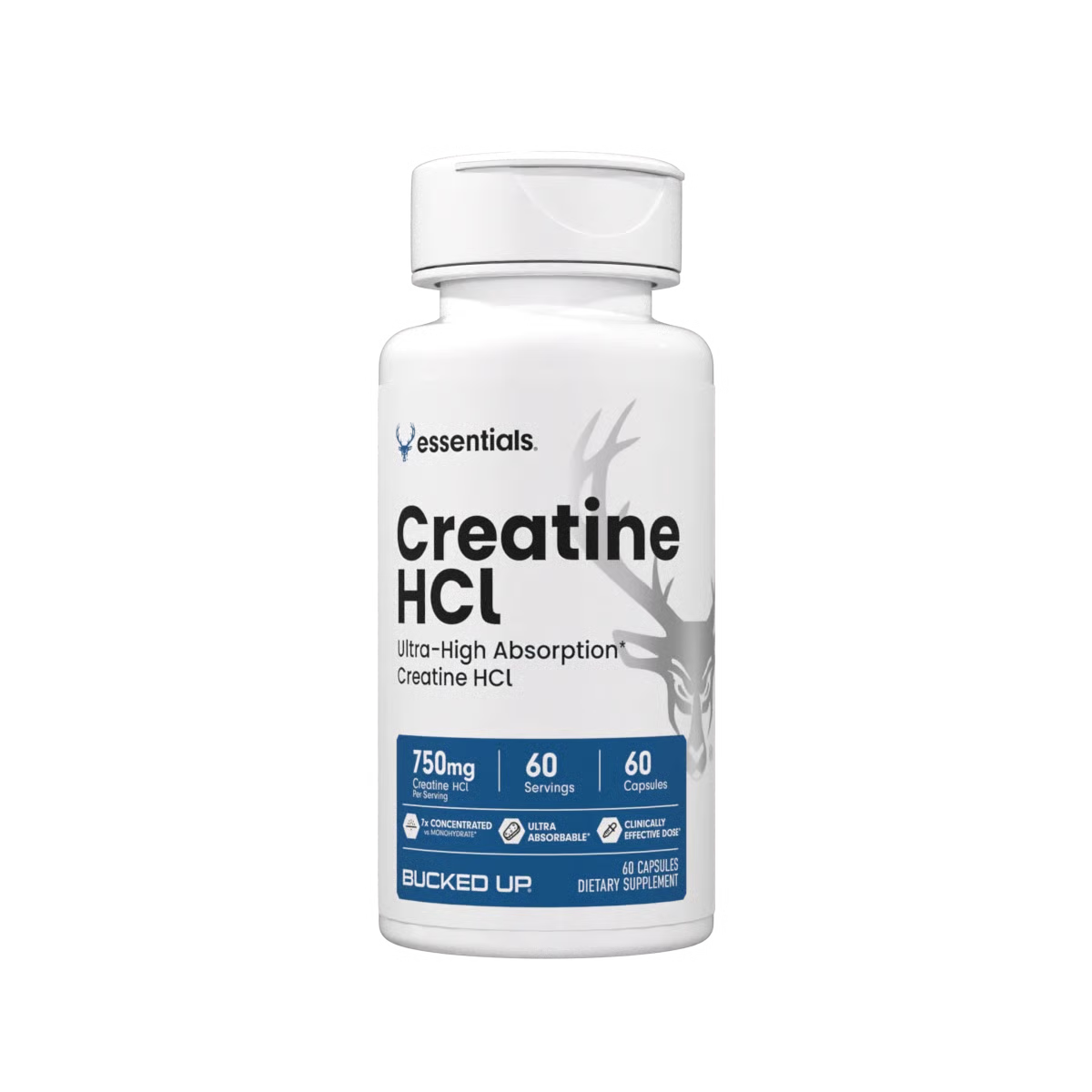
Bucked Up’s CON-CRĒT® Creatine HCl capsules provide a precise 750 mg dose per capsule without gritty texture or noticeable water retention. Creatine HCl is often recommended at 1.5-3 g per day compared to 3-5 g for monohydrate, based on claims of better absorption and fewer digestive issues.
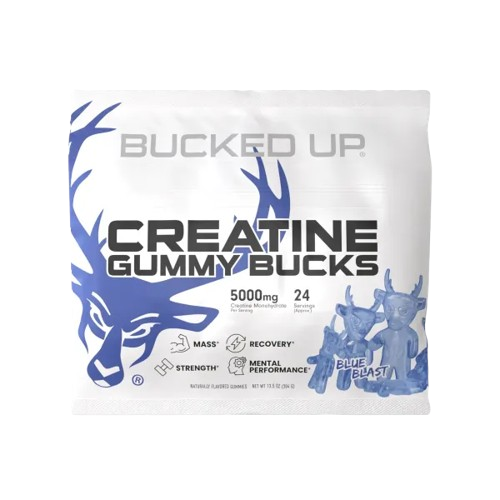
Innovative Delivery Systems: Bucked Up Creatine Gummies and Creatine Candy make daily creatine feel easy and enjoyable. These portable, flavored options remove the need for shakers and powders while still supporting ATP production. The gummies deliver 5 g of creatine monohydrate per serving in flavors like Tropic Thunder and Blue Blast, which turns supplementation into a simple daily habit.
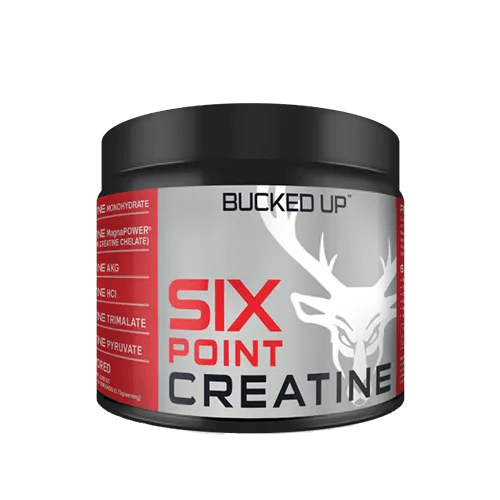
Advanced Multi-Creatine Formulas: Six Point Creatine combines six creatine forms: monohydrate, gluconate, anhydrous, tri-creatine malate, ethyl ester HCl, and di-creatine malate. This blend offers varied absorption characteristics and aims to support more complete muscle saturation than single-form products.
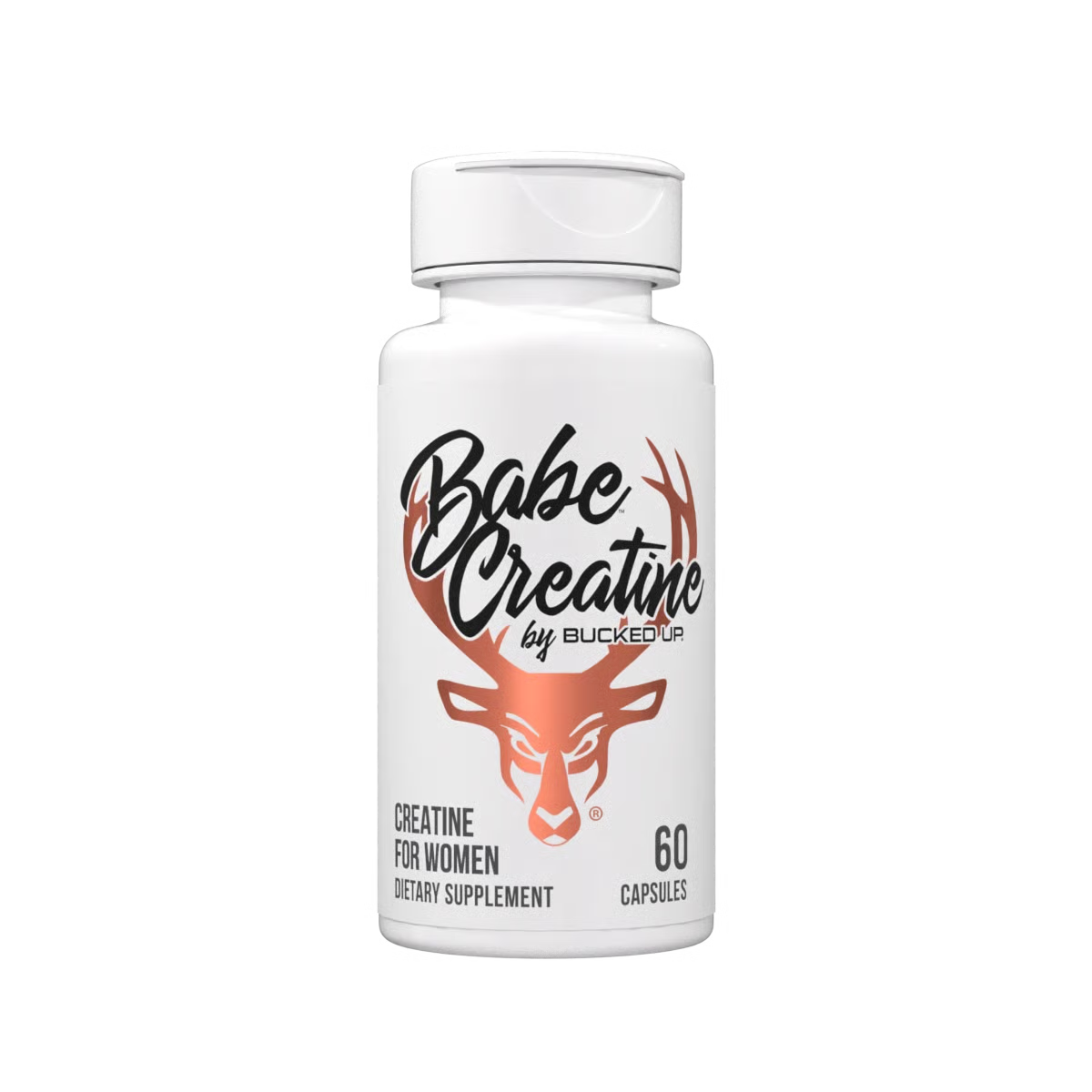
Customer feedback reflects these benefits in real training settings. One Babe Creatine user shares, “No bloating as long as I keep up with the proper water intake and definitely noticing it provides a better pump and growth.” A Six Point Creatine customer adds, “I love this stuff. I don’t feel bloated, and I can mix it with anything.”
Frequently Asked Questions About Creatine and ATP
Should you take creatine on rest days?
Daily creatine, including rest days, keeps muscle creatine levels saturated. Creatine works by gradually building phosphocreatine stores in your muscles, and consistent intake maintains that 10-40% increase that supports ATP regeneration. Skipping rest days can slowly lower muscle creatine levels, which may reduce performance benefits when you return to training.
What is the difference between creatine pills and powder?
Creatine pills provide convenience and often feel easier on digestion than powders. Capsules remove gritty texture, chalky taste, and some of the bloating that people associate with powders. Bucked Up Creatine HCl capsules deliver accurate dosing without measuring or mixing, which suits busy schedules. The high solubility of HCl in capsule form can also reduce water retention and stomach discomfort compared to many monohydrate powders.
How much water should you drink with creatine?
Take each creatine serving with 8-12 ounces of water and aim for 80-100 ounces of total daily fluid intake. Good hydration supports creatine transport into muscle cells and helps limit digestive discomfort. Adequate water also supports the cellular processes that creatine influences, including ATP regeneration and muscle protein synthesis. This guideline applies to all creatine forms, although HCl forms often feel comfortable with slightly less water because of their higher solubility.
Does creatine help with cognitive function and aging?
Creatine supports both cognitive function and healthy aging through its role in ATP production. The brain relies heavily on ATP for neurotransmitter production, memory formation, and mental processing. Raising brain creatine by 5-15% can support mental clarity, reaction time, and memory. For older adults, creatine also helps preserve muscle mass and strength while supporting brain health, which can help maintain independence and quality of life.
Can you take creatine before bed?
Creatine is safe to take before bed because it contains no stimulants and does not interfere with sleep. Some research suggests that creatine may even support recovery and cellular energy balance overnight. Timing matters less than consistency, since creatine works by saturating muscle stores over time rather than giving an immediate energy spike. Morning, pre-workout, or bedtime dosing all work as long as you take it daily.
Conclusion: Turn Creatine Into Real ATP Gains with Bucked Up
Creatine reliably increases ATP availability during training by strengthening the phosphocreatine system. By raising muscle PCr stores by 10-40%, creatine supports rapid ATP regeneration during intense efforts, which can mean more reps, higher power, and quicker recovery between sets.
Bucked Up creatine products remove common barriers like bloating, poor mixability, and dosing guesswork while still supporting ATP production. From bloat-free HCl capsules to convenient gummies and advanced multi-creatine blends, these NSF-certified options fit smoothly into your routine.