Last updated: April 17, 2026
Key Takeaways on Energy Drink Side Effects
- Energy drinks often cause short-term side effects like jitters, rapid heart rate, anxiety, nausea, and insomnia due to high caffeine and sugar content.
- Long-term risks can include cardiovascular strain, kidney damage, metabolic disruption, dental erosion, and caffeine dependence from regular consumption.
- Daily intake can create tolerance, which may worsen side effects, and one high-caffeine drink can approach the FDA’s 400mg daily caffeine guideline.1
- Vulnerable groups such as children, pregnant women, and people who mix energy drinks with alcohol face higher health risks.
- Choosing Bucked Up energy drinks can provide nootropic-enhanced, crash-resistant performance energy with ingredients like TeaCrine® and AlphaSize®.1
Ingredients in Energy Drinks That Commonly Cause Side Effects
Energy drink side effects often start with how the ingredients affect your brain and body. Most conventional energy drinks rely on high caffeine doses, often 200 to 300mg per can, which block adenosine receptors in the brain and can trigger jitters and anxiety. Research shows that excessive caffeine intake can overstimulate the nervous system, which may cause rapid heart rate and restlessness.
Sugar content creates another major concern. Some energy drinks contain 50 to 62 grams per serving, which equals about 12 to 15 teaspoons of sugar at once. This large sugar load spikes blood glucose, then often leads to a sharp crash. Additional stimulants such as taurine, guarana, and some proprietary blends can layer on more stimulation, which may create unpredictable interactions and stronger side effects.
This combination of high caffeine, heavy sugar, and extra stimulants helps explain why many traditional energy drinks cause both immediate discomfort and longer-term health concerns. Find Bucked Up near you for performance energy drinks that use balanced, clearly labeled ingredients.
Short-Term Side Effects of Energy Drinks
Once you understand the ingredients, the short-term energy drink side effects make more sense. These effects can appear within minutes of consumption and can disrupt your day:
- Jitters and tremors: Excessive caffeine can overstimulate the nervous system and cause noticeable shaking.
- Rapid heart rate: Harvard Health reports that energy drinks can cause dangerous heart palpitations.
- Anxiety and restlessness: High stimulant loads can trigger a fight-or-flight response when you are not in danger.
- Nausea and stomach upset: Concentrated caffeine and sugar may irritate the digestive system.
- Insomnia: In healthy adults, caffeine’s half-life is approximately 5 to 6 hours, so late-day intake can disrupt sleep.
- Headaches: Both caffeine overload and later withdrawal can trigger painful headaches.
- Dehydration: Caffeine’s diuretic effect increases fluid loss, which can be especially problematic during physical activity.
Long-Term Health Risks Linked to Energy Drinks
Regular energy drink use can create health risks that extend far beyond temporary jitters or a single bad night of sleep.
- Cardiovascular strain: Chronic high blood pressure from frequent caffeine intake can increase the risk of heart failure, heart attack, and stroke.
- Kidney damage: Dehydration from energy drinks can put extra stress on the kidneys, especially when they replace water during physical activity.
- Metabolic disruption: Repeated blood sugar spikes may increase the risk of type 2 diabetes.
- Dental erosion: High acid and sugar content can gradually wear down tooth enamel.
- Caffeine dependence: Regular use can lead to physical dependence, which may cause withdrawal headaches and fatigue.
As Dr. Ingrid Fuentes explains, “Energy drinks are like borrowing energy from the future. You get a burst of focus now, but your body may pay the price later.”
Daily Energy Drink Use and What It Does to Your Body
Drinking energy drinks every day can create a cycle of tolerance and dependence. The CDC reports that regular consumption can lead to increased tolerance, which means you may need higher doses to feel the same effect. That pattern can push total caffeine intake higher and raise the risk of stronger side effects.
Chronic daily use also affects sleep quality. Poor sleep often leads to more energy drink use the next day, which can deepen the cycle.
Is One Energy Drink a Day Harmful?
Safety depends on the product, your total caffeine intake, and your personal sensitivity. For most adults, the FDA has cited 400 milligrams a day as an amount not generally associated with negative effects1, so a single can with 300mg or more can leave very little room for coffee, tea, or pre-workout. Factors such as body weight in lbs, caffeine sensitivity, and existing health conditions also matter.
For many healthy adults, one moderate-caffeine energy drink under 200mg per day may fit within safe limits, while higher-caffeine options carry more risk. Choosing products with balanced formulations, rather than relying only on caffeine, can support more stable energy.
Groups Who Face Higher Energy Drink Risks
Certain groups experience stronger effects from the same amount of caffeine and sugar.
Children and Adolescents: The American Academy of Pediatrics recommends no caffeine for children and adolescents, because their developing bodies and lower body weight in lbs can amplify side effects. Consumer Reports found that some popular energy drinks contain two to three times the suggested daily caffeine limit for teens.
Pregnant Women: Caffeine crosses the placental barrier and can affect fetal development, so many healthcare providers advise avoiding or strictly limiting energy drinks during pregnancy.
Alcohol Mixers: Combining energy drinks with alcohol can mask feelings of intoxication, which may increase the risk of binge drinking and unsafe behaviors.
Performance Energy Drinks as a Smarter Alternative
Performance energy drinks like Bucked Up can offer a more targeted approach to energy and focus.1 Instead of relying only on high caffeine doses, these drinks use nootropic ingredients that support sustained energy and cognitive function.
Bucked Up Energy Drink contains 300mg caffeine paired with AlphaSize® for focus, Dynamine™ for mood support, and TeaCrine® for longer-lasting energy with fewer crashes.1 This profile can support students, professionals, and gamers who need mental stamina.1 View ingredients
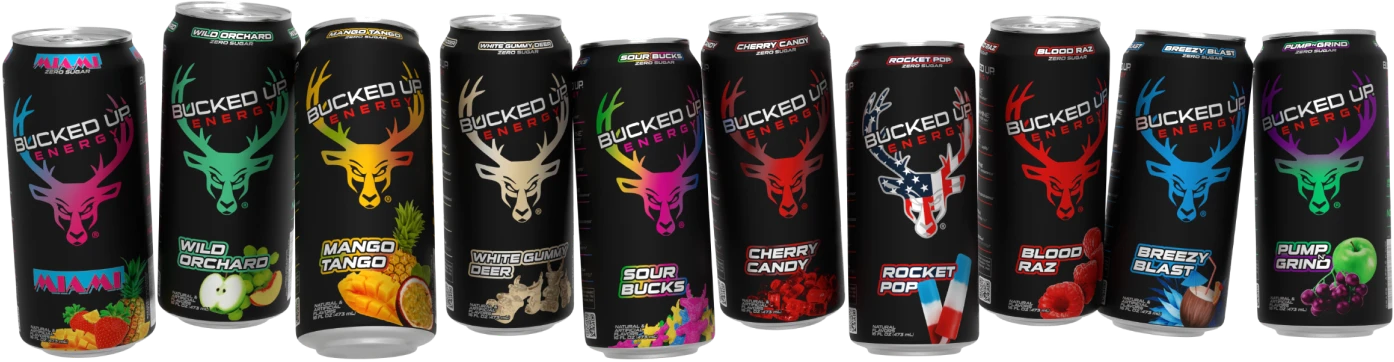
LFG Energy Drink features 160mg caffeine with MitoBurn® and Paradoxine® for intensity and thermogenic support, which can suit physically demanding work or training.1 View ingredients
Babe Energy Drink offers 150mg natural caffeine in a formula designed for women, with clean energy and focus support for busy days and nights out.1 View ingredients
All Bucked Up energy drinks are manufactured in USA GMP-certified facilities and feature transparent ingredient labels. Explore the full range of performance energy drinks that are formulated to avoid many common side effects.1
How Bucked Up Formulas Help Reduce Side Effects
Bucked Up’s formulation strategy focuses on the main reasons traditional energy drinks cause problems.
- TeaCrine® for smoother energy: This compound works with caffeine to support longer-lasting energy with fewer jitters and less tolerance buildup.1
- Dynamine™ for mood support: Helps enhance mood and focus without the intense anxiety that some high-caffeine products can trigger.1
- AlphaSize® for cognitive support: Supports mental focus and clarity so energy feels productive, not just wired.1
- Balanced caffeine levels: Each product uses a defined caffeine amount that aims to deliver energy while staying within reasonable daily intake ranges.1
Individual responses still vary, and moderation remains important, yet these ingredients can work together to reduce many harsh effects linked with conventional energy drinks.1
Picking the Bucked Up Energy Drink That Fits You
Match your Bucked Up energy drink to your goals and caffeine tolerance.
- Bucked Up Energy Drink: Works well for students, professionals, and gamers who want sustained focus and cognitive support.1
- LFG Energy Drink: Fits people with physically demanding jobs or workouts who want intensity and endurance support.1
- Babe Energy Drink: Designed for women who want clean, natural-feeling energy for daily tasks, errands, and social plans.1
Consider your caffeine sensitivity, your usual daily intake, and when you plan to drink it before choosing a product.
Safe Energy Drink Consumption Tips
You can reduce risk and still benefit from energy drinks by following a few practical guidelines.
- Limit consumption to one energy drink per day to keep total caffeine at a manageable level.
- Stay well hydrated with water throughout the day, because caffeine’s diuretic effect can worsen dehydration.
- Avoid drinking energy drinks within 6 hours of bedtime, since caffeine can stay active in your system for much of the night.
- Never mix energy drinks with alcohol or other stimulants, because that combination can hide signs of intoxication or create unsafe interactions.
- Listen to your body and cut back if you notice side effects such as palpitations, anxiety, or headaches.
- Remember the FDA’s 400mg daily caffeine guideline covers all sources, including coffee, tea, pre-workout, and energy drinks.1
Frequently Asked Questions About Energy Drinks and Bucked Up
Are energy drinks inherently bad for you?
Energy drinks are not automatically harmful when they use responsible formulations and you consume them in moderation. Problems usually come from very high caffeine, heavy sugar, and lower-quality ingredients in some mainstream products. Performance energy drinks with balanced formulas and researched ingredients can support increased energy, better focus, and improved mood when used thoughtfully.1 The priority should be ingredient quality, clear labeling, and awareness of your total daily caffeine.
What distinguishes Bucked Up’s energy drinks from other brands?
Bucked Up focuses on performance-oriented formulas that go beyond basic caffeine and sugar. Many traditional energy drinks rely mainly on those two components. Bucked Up adds nootropic ingredients such as AlphaSize®, Dynamine™, and TeaCrine® to support cognitive function, mood, and more stable energy.1 The brand also highlights transparency with clear ingredient labels and production in GMP-certified USA facilities, which can appeal to people who value quality and scientific support over flashy marketing.
Can energy drinks cause jitters or crashes?
Many traditional energy drinks can cause jitters and crashes because they combine high caffeine doses with large sugar spikes and limited supporting ingredients. Jitters often come from nervous system overstimulation, while crashes follow the rapid drop in blood sugar after a spike. Bucked Up works to address these issues with ingredients like TeaCrine®, which supports longer-lasting energy with less tolerance buildup, and with defined caffeine levels that aim to energize without overwhelming your system.1
How often should someone consume energy drinks?
Moderation supports safer energy drink use. Many health experts suggest limiting intake to one energy drink per day, if you choose to use them, while tracking total caffeine from coffee, tea, pre-workout, and other sources. Factors such as individual sensitivity, body weight in lbs, health conditions, and sleep habits should guide how often you drink them. Bucked Up’s range of caffeine levels across products gives users options that can better match their tolerance and daily routine.
What role do ingredients like AlphaSize®, Dynamine™, and TeaCrine® play?
These ingredients work together to support energy, focus, and mood while aiming to reduce common side effects. AlphaSize® supports cognitive function and mental focus, which can help you stay locked in on tasks.1 Dynamine™ contributes to mood support and smoother energy that feels less edgy than very high caffeine alone.1 TeaCrine® acts in a way similar to caffeine but can provide longer-lasting energy with less tolerance buildup and fewer issues such as jitters or crashes, especially when paired with caffeine.1
Energy drink side effects are real and can be serious, yet they do not have to be part of your routine. When you understand the risks of high-caffeine, high-sugar drinks and choose performance-focused options with balanced ingredients, you can support steady energy and focus with more confidence. Bucked Up’s scientifically informed energy drinks provide an alternative to conventional options and can help you pursue your performance goals while keeping health in mind.1 Make the switch to performance energy that supports your goals without compromising your well-being.
1 The content provided in this article is for informational purposes only and is not medical advice. Consult with a medical professional before implementing any changes to your diet, health, or exercise routines.
Individual results will vary and are based on a combination of each individual’s diet, exercise, age, and health circumstances.
These statements have not been evaluated by the Food and Drug Administration. This product is not intended to diagnose, treat, cure or prevent any disease.
This article was written by Ryan Gardner, CEO of Bucked Up. As the maker of Bucked Up Energy Drinks, we have a financial interest in this information. The views expressed are our own and should be read with that context in mind.