Last updated: April 16, 2026
Key Takeaways
- Mental fatigue shows up as brain fog, low motivation, and exhaustion driven by poor sleep, multitasking, dehydration, and heavy social media use.
- Use this 7-step system: prioritize sleep hygiene, apply the Pomodoro technique, hydrate with B6/B12, move regularly, practice mindfulness, tighten digital hygiene, and add nootropic support.
- B-vitamins such as B6 and B12 support neurotransmitter production and cognitive energy and are included in Bucked Up Energy Drinks.1
- Nootropics including AlphaSize®, TeaCrine®, and Dynamine™ can support sustained energy, focus, and mood without intense jitters or hard crashes.1
- Build a consistent anti-fatigue routine and pair it with Bucked Up Energy Drinks to support long-lasting relief and steadier cognitive performance.1
Mental Fatigue Symptoms and Common Drains
Mental fatigue often feels like persistent brain fog, trouble concentrating, low drive, and exhaustion even when you think you slept enough. Common drains on mental energy include poor sleep quality, constant multitasking, dehydration, and digital overstimulation. About 80% of the total population report losing sleep because of social media, and most teens aged 13-17 spend several hours per day on social platforms.
Standard energy drinks often rely mainly on caffeine and sugar for a quick spike. Nootropic-enhanced formulations add compounds that support sustained cognitive function alongside energy delivery, but even advanced formulas work best when you address core lifestyle habits.
7 Proven Steps to Fight Mental Fatigue for Long-Lasting Relief
1. Reset Mental Energy with Better Sleep Hygiene
Quality sleep creates the base layer for mental energy recovery. Aim for 7 to 9 hours each night with consistent sleep and wake times that match your schedule. About 76% of US adults use social media within an hour of bedtime, and blue light from these screens can lower melatonin production, which makes falling asleep harder.
Build a wind-down routine 1 to 2 hours before bed that removes screens and stimulating activities. Consistent sleep hygiene can improve mental fatigue within weeks, although recovery time still depends on your existing sleep debt and overall health.
2. Use the Pomodoro Technique and Single-Tasking for Focus
Structured focus periods help reduce mental overload. The Pomodoro Technique uses 25-minute deep work sessions followed by 5-minute breaks, which gives your brain clear cycles of effort and recovery. This pattern lowers the cognitive strain that comes from constant multitasking, a known driver of chronic mental fatigue.
Focus on one task at a time and remove distractions such as notifications and background apps, because each interruption forces your brain to restart its focus cycle. To maintain this concentrated state during longer work blocks, pair your sessions with nootropic-enhanced beverages that support steady attention without a sharp crash.
3. Hydrate and Nourish with Vitamins B6 and B12
Hydration and B-vitamin intake directly influence mental energy. Higher dietary intakes of vitamin B6 and vitamin B12 correlate with better mental health outcomes in recent research.
Drink water consistently throughout the day and support B-vitamin intake through food or supplements. Bucked Up Energy Drinks include Pyridoxine HCL (vitamin B6) and Methylcobalamin (active vitamin B12), which provide bioavailable forms that fit into a daily fatigue-management routine.1
4. Incorporate Short Movement and Exercise Breaks
Brief bouts of physical activity help build mental resilience and reduce fatigue. Deenik et al.’s 2025 lifestyle psychiatry framework shows that regular physical activity supports recovery from mental health challenges, including cognitive impairment and fatigue symptoms.
Add 10 to 20 minute walks, light stretching, or short workouts throughout your day. These movement breaks increase oxygen flow to your brain and reset mental energy during long periods of cognitive work.
5. Use Mindfulness and Strategic Breaks to Reset
Mindfulness practices help lower mental distress and strengthen cognitive resilience. Evidence-based stress management interventions support both mental health recovery and cognitive functioning according to recent collaborative research.
Schedule 5 to 10 minute mindfulness sessions, deep breathing exercises, or short meditations between demanding tasks. These intentional breaks reset your mental state and prevent fatigue from stacking up across the day.
6. Tighten Digital Hygiene to Protect Focus
Heavy screen time can drain mental energy quickly. Late-night doom scrolling raises the risk of insomnia, and people who use social media heavily tend to sleep fewer hours per night than those who limit their screen exposure.
Set specific windows for social media, turn on app time limits, and create phone-free zones during work blocks and before bed. These digital boundaries protect your attention and support more stable mental energy throughout the day.
7. Supplement with Nootropics for Sustained Cognitive Energy
Targeted supplementation can support sustained cognitive energy when layered on top of strong lifestyle habits. TeaCrine® provides sustained energy benefits that complement structured work sessions and movement breaks.
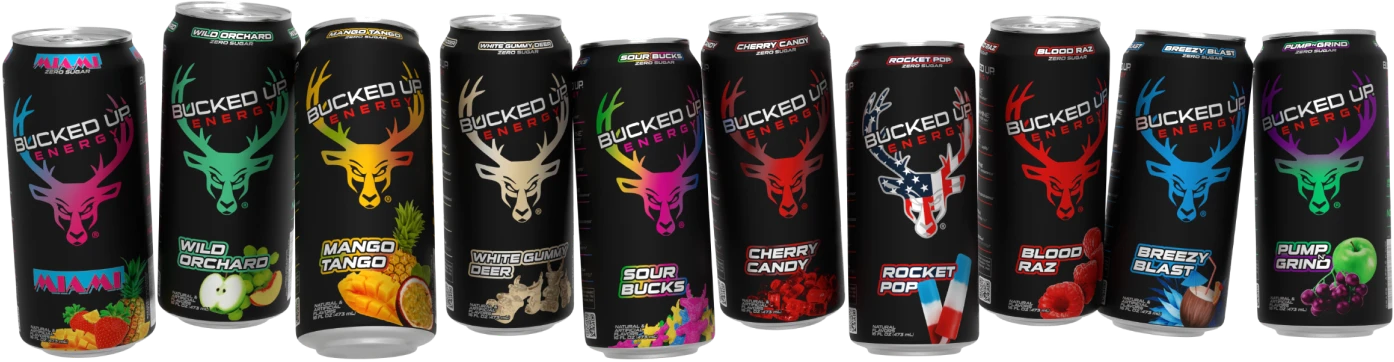
Bucked Up Energy Drinks combine several nootropic compounds in one system. AlphaSize® supports sharper focus during deep work, TeaCrine® helps sustain energy without the rapid tolerance buildup seen with caffeine alone, and Dynamine™ supports mood, which can make consistent routines easier to maintain.1 Depending on your caffeine needs, you can choose from three formulations: the flagship Bucked Up Energy Drink with 300mg caffeine for high-demand days, LFG Energy Drink with 200 mg natural caffeine and added fat-burning support, or Babe Energy Drink with 100mg caffeine equivalent from enfinity paraxanthine per 12oz can for a gentler lift. Select the option that fits your routine and order a case for daily use, or find a nearby retailer if you prefer to sample individual flavors first.
Your Daily Anti-Fatigue Routine
A simple daily structure helps you apply these strategies consistently. Start your morning with hydration and a Bucked Up Energy Drink to build a base of cognitive energy for your peak performance window.1 Use that window for Pomodoro sessions and add movement breaks about every 90 minutes to prevent the early afternoon slump.
As your natural energy dips after lunch, support your system with B-vitamin rich foods and steady hydration to maintain the momentum you created earlier. In the evening, set digital boundaries and practice mindfulness so your nervous system can wind down and prepare for restorative sleep, which then powers the next day’s routine.
Consistency drives results, and lifestyle interventions influence psychiatric symptoms, quality of life, and cognitive functioning. Recovery time from mental exhaustion varies, yet many people notice improvements within 2 to 4 weeks of following a comprehensive fatigue-management plan.
What Vitamins Help Mental Fatigue?
B-vitamins, especially B6 and B12, play central roles in cognitive energy production. Pro-inflammatory diets correlate with worse mental health outcomes, while anti-inflammatory patterns support higher daily intakes of B6 (2.9 mg/day) and B12 (8.0 μg/day).
Vitamin B6 supports neurotransmitter production, and B12 supports red blood cell formation and nerve health.1 Bucked Up Energy Drinks include both as Pyridoxine HCL and Methylcobalamin, which are bioavailable forms that work alongside other nootropic ingredients to support cognitive performance.1
Multi-Compound Natural Energy Support
Effective natural energy support often combines several mechanisms rather than relying on a single stimulant. TeaCrine® promotes sustained energy without intense jitters or a sharp crash.1
Bucked Up’s formulation strategy uses this multi-compound approach by pairing TeaCrine® with caffeine and additional nootropics such as AlphaSize® and Dynamine™. This combination can provide more stable, sustained energy compared with single-ingredient products that focus only on caffeine.1
Frequently Asked Questions
What are the key benefits of nootropic ingredients in energy drinks?
Nootropic ingredients support cognitive function beyond basic stimulation. AlphaSize® supports acetylcholine production for memory and learning, while Dynamine™ supports smooth energy and mood without intense jitters.1 TeaCrine® offers sustained energy with minimal tolerance buildup, which can help maintain focus over longer periods.1
How do Bucked Up Energy Drinks compare to traditional energy drinks?
Traditional energy drinks usually rely on high caffeine and sugar content for a quick boost. Bucked Up Energy Drinks pair calibrated caffeine levels with nootropic compounds. The flagship Bucked Up Energy Drink includes 300mg caffeine with AlphaSize®, TeaCrine®, and Dynamine™ for cognitive support, LFG Energy Drink adds 200 mg natural caffeine plus fat-burning ingredients, and Babe Energy Drink uses enfinity paraxanthine at 100mg caffeine equivalent per 12oz can in a formulation designed for women.
Can energy drinks cause jitters or crashes?
Energy drinks that rely heavily on sugar and strong stimulants without supportive ingredients can cause jitters followed by a crash. Bucked Up includes TeaCrine® for more sustained energy and L-Theanine for smoother focus.1 The three product lines use balanced formulations intended to reduce jitters while still delivering effective energy.1
How often should I consume nootropic energy drinks?
Frequency depends on your caffeine sensitivity, tolerance, and overall health. Bucked Up offers several caffeine levels so you can match intake to your needs. Start with one serving to gauge your response and avoid excessive use, and factor in your sleep schedule and other caffeine sources such as coffee or pre-workout products.
Are Bucked Up Energy Drinks safe and how are they manufactured?
Bucked Up Energy Drinks are manufactured in the USA in GMP-certified facilities that follow established quality standards. The formulas use transparent ingredient labeling so you can see exactly what you are drinking. TeaCrine® has been studied at doses up to 300mg per day and found to be safe and well tolerated, and the other nootropic ingredients have recognized safety profiles when used as directed.1
Conclusion: Putting Your Anti-Fatigue System into Action
Mental fatigue responds best to a combined strategy that uses both lifestyle changes and targeted supplementation. The 7-step system here addresses root causes and symptoms of cognitive exhaustion through better sleep, focused work methods, nutrition, movement, mindfulness, digital boundaries, and nootropic support.
Bucked Up Energy Drinks can provide sustained cognitive energy that helps you apply these steps consistently. With formulations tailored to different needs and caffeine preferences, you can choose an option that fits your routine for long-lasting mental fatigue support. Start by having a case delivered to build a daily habit, or visit a local retailer to explore flavors and formulations in person.
1 The content provided in this article is for informational purposes only and is not medical advice. Consult with a medical professional before implementing any changes to your diet, health, or exercise routines.
Individual results will vary and are based on a combination of each individual’s diet, exercise, age, and health circumstances.
These statements have not been evaluated by the Food and Drug Administration. This product is not intended to diagnose, treat, cure or prevent any disease.
This article was written by Ryan Gardner, CEO of Bucked Up. As the maker of Bucked Up Energy Drinks, we have a financial interest in this information. The views expressed are our own and should be read with that context in mind.