
Written by: Ryan Gardner, Owner, Managing Partner, CEO, Bucked Up | Last updated: April 17, 2026
Key Takeaways on Long-Term Creatine Use
- Research supports continuous creatine monohydrate use for many years at 3–5g daily, with no need to cycle in healthy adults.
- Kidney and liver markers remain stable in long-term studies, which challenges common myths about organ damage.
- Daily 3–5g dosing reaches full muscle saturation in about 3–4 weeks and supports strength, power, recovery, and cognitive function.1
- Bucked Up offers 99.8% pure, micronized creatine in powder, gummies, and candy, with NSF and GMP certifications for quality control.
- Build a consistent daily habit with Bucked Up’s certified creatine products and support long-term performance gains.1 Shop creatine options.
Why Long-Term Creatine Habits Matter
Consistent creatine use supports steady strength and power gains, cognitive benefits, and faster recovery between training sessions.1 Many people stop taking creatine when cycling myths surface, often right as their muscles reach peak saturation. A 2025 meta-analysis by Kabiri Naeini that examined 21 studies supports continuous use as safe, yet confusion about “necessary breaks” still causes inconsistent habits.
How Creatine Monohydrate Fits Your Performance Goals
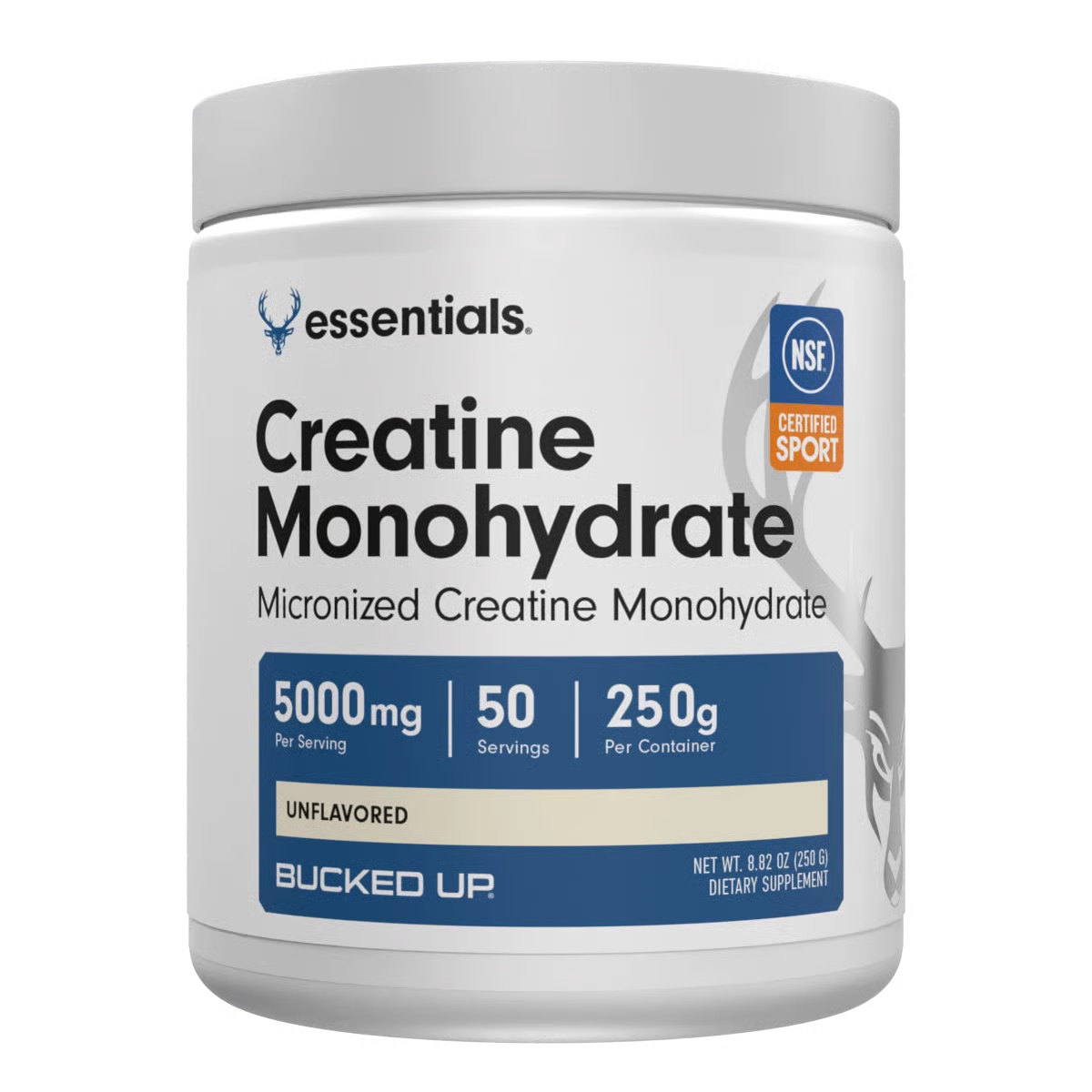
Creatine monohydrate is one of the most studied supplements for supporting ATP regeneration during high-intensity efforts.1 This process helps both muscular performance and cognitive function during demanding tasks.1 Bucked Up’s Pure Creatine provides micronized creatine monohydrate with third-party certifications, matching the compound used in long-term safety research. Powder, gummies, and candy formats give you flexible options so daily use feels simple and sustainable.
How Creatine Works and What Long-Term Studies Show
Creatine supports performance by replenishing phosphocreatine stores in muscle, which helps regenerate ATP during explosive movements.1 Standard long-term dosing typically uses 3–5g daily without a loading phase. The table below highlights how different study durations and doses relate to kidney and liver outcomes, showing a consistent safety pattern across a wide range of conditions.
| Duration/Dose | Outcomes | Source |
|---|---|---|
| Long-term use in football players | No renal or liver issues | Mayhew 2002 |
| Up to 168 months at 1–30g daily | Stable GFR and creatinine | Long-term creatine research |
| Long-term supplementation | No serious adverse effects | Kreider 2003 |
| Long-term use in clinical populations | No renal impairment in clinical populations | Gualano studies |
| Standard dosing over several months | Stable kidney and liver markers | Garcia 2025 |
Across these studies, kidney function markers remain stable, and meta-analysis of five trials shows no meaningful change in glomerular filtration rate.
Interested in creatine that reflects this research-backed safety profile? Explore Bucked Up’s certified creatine lineup and choose a format that fits your routine. Browse creatine products.
Real-World Benefits of Staying on Creatine
Long-term creatine use supports strength and power output for athletes, helps preserve muscle as you age, and can enhance cognitive performance in several populations.1 Many users notice faster recovery between sets and more consistent energy during high-intensity training.1 With steady supplementation, the phosphocreatine system functions more efficiently, which supports both immediate performance and long-term training adaptations.1
Best Creatine Formats for Long-Term Use
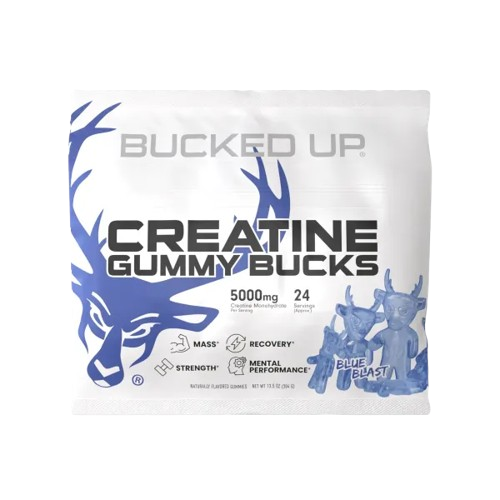
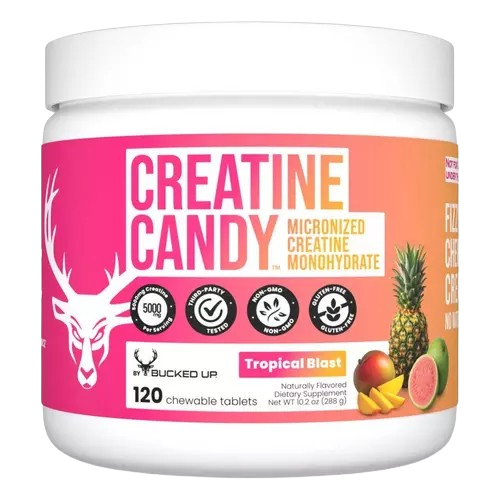
Monohydrate powder often provides strong value per serving, and Bucked Up’s Pure Creatine comes in both unflavored and flavored options for flexible mixing. Creatine gummies provide 5g per serving in portable flavors like Blue Blast, which can help if you prefer not to mix powder. Creatine candy also delivers 5g in a dissolvable piece with a light fizzy feel that some users enjoy as a daily treat.
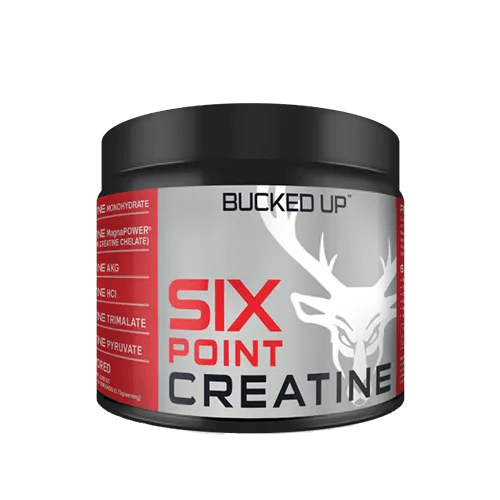
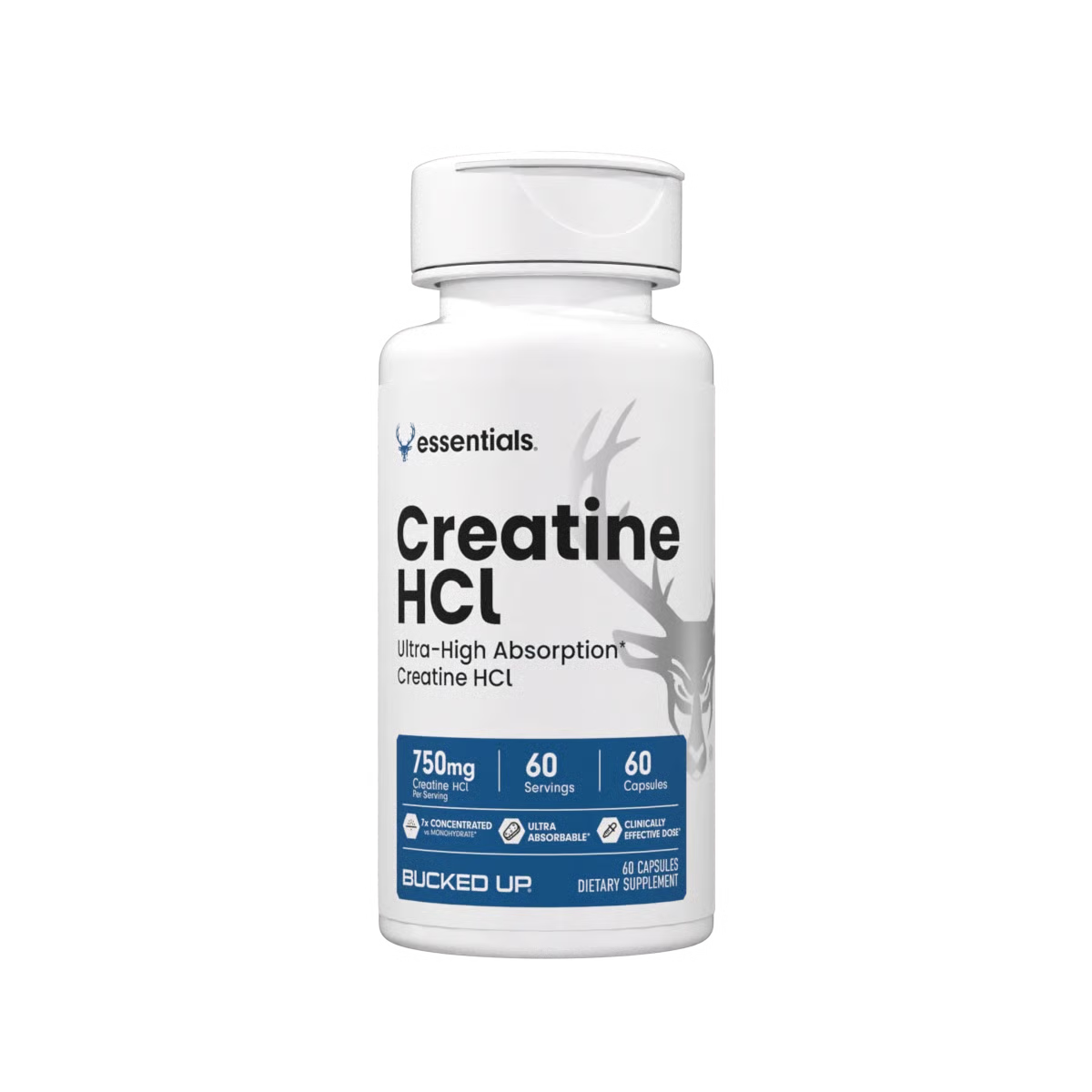
Creatine HCl capsules support precise dosing and may appeal to people who want a capsule format. Six Point Creatine combines several creatine forms to create a varied absorption profile. All of these options support the consistent daily intake needed to maintain muscle saturation over months and years.1
Ready to pick a format you can stick with long term? Compare Bucked Up’s powders, gummies, candy, and capsules to match your lifestyle. See all creatine formats.
Myths About Cycling, Kidneys, and Side Effects
Cycling is not required for creatine monohydrate at recommended doses. Longobardi’s 2025 review of studies up to 60 months supports continuous use without planned breaks. The body does not appear to develop tolerance that would reduce creatine’s effectiveness over time.1
Kidney safety concerns in healthy adults are not supported by current evidence.1 Kabiri Naeini’s 2025 meta-analysis reports stable glomerular filtration rate, even when serum creatinine rises slightly. That rise reflects normal creatine metabolism rather than kidney damage. In addition, a 2025 analysis of 685 trials found side effects in 13.7% of creatine studies (94/685) and 13.2% of placebo studies (86/652), which shows similar rates between groups.1
Occasional gastrointestinal discomfort can occur, yet micronized creatine and steady hydration of about 80–100oz daily can reduce this risk.1 Adolescents and people with medical conditions should speak with a healthcare professional before starting creatine.
How to Choose a Creatine Product for Long-Term Use
Purity and testing matter when you plan to use creatine for years. Bucked Up’s creatine monohydrate is 99.8% pure and carries NSF, GMP, and NSF Sport certifications, which can help you feel confident about quality and manufacturing standards. Some generic products may not offer the same level of third-party verification.
Format choice depends on your daily routine. Powder works well if you like to mix creatine into shakes or drinks and want more servings per container. Gummies offer convenience and flavor, which can help with adherence, while capsules provide a simple, no-mix option with clear dosing.
How to Use Creatine Daily for Years
Daily consistency drives long-term creatine benefits.1 Take 5g every day, including rest days, so your muscles stay saturated. Maintenance doses of 3–5g usually reach full saturation in about 3–4 weeks without a loading phase.1
Once you have that daily habit in place, choose the delivery method that fits your lifestyle. Mix powder into any beverage, chew gummies as directed, or let creatine candy dissolve in your mouth. Each format supports the same goal of consistent intake.
Hydration ties the routine together. Aim for about 80–100oz of fluids per day, because proper hydration supports cellular uptake of creatine and can reduce the chance of digestive discomfort.1
Want a creatine routine you can follow year-round? Build your daily stack with Bucked Up powders, gummies, candy, or capsules. Build your creatine routine.
Frequently Asked Questions
Is creatine safe for long-term use?
Evidence from long-term research shows no harmful effects on kidney, liver, or other organ function in healthy individuals.1 The longest-duration studies referenced earlier support safety at standard 3–5g daily doses across varied groups. A review of 170 trials with 17,275 participants also reports that creatine monohydrate’s safety profile closely matches placebo.
Do I need to cycle off creatine?
Most people do not need to cycle off creatine when using standard doses. Continuous use keeps muscle creatine levels elevated, which supports ongoing performance and recovery.1 Taking breaks allows those stores to drift back toward baseline over about 4–6 weeks, which can reduce the benefits you experience.
Will creatine damage my kidneys?
Current data does not show kidney damage from creatine in healthy people using recommended amounts.1 Serum creatinine may rise slightly, yet that change reflects normal breakdown of creatine in the body. Glomerular filtration rate, which clinicians use as a key marker of kidney function, remains stable in long-term studies.
Should I take creatine on rest days?
Daily use, including rest days, helps maintain muscle saturation.1 Creatine supports performance by building up phosphocreatine stores over time, not by acting as a one-time pre-workout boost.1 Skipping rest days can gradually lower those stores and may blunt your results in later training sessions.
What’s better: powder or gummies?
Powder and gummies both provide 5g of creatine monohydrate per serving, so the choice comes down to preference. Powder usually offers more servings per container and mixes easily into drinks, especially when micronized. Gummies focus on convenience and taste, which can help if you dislike the texture or flavor of unflavored powder.
Conclusion: Creatine as a Long-Term Daily Habit
Research consistently supports ongoing creatine monohydrate use at 3–5g per day in healthy adults, with no clear signal of harm to kidney, liver, or other organ systems.1 For many people, the main challenge is not safety but building a routine they can follow year after year.
Bucked Up’s pure, certified creatine in powder, gummies, candy, and capsule formats can make that routine easier to maintain. These options help you match your supplement choice to your lifestyle while staying aligned with dosing protocols supported by decades of research.
Ready to make creatine part of your long-term performance plan? Explore Bucked Up’s creatine range and choose the format that fits your daily routine. Explore creatine options.
1 The content provided in this article is for informational purposes only and is not medical advice. Consult with a medical professional before implementing any changes to your diet, health, or exercise routines.
Individual results will vary and are based on a combination of each individual’s diet, exercise, age, and health circumstances.
These statements have not been evaluated by the Food and Drug Administration. This product is not intended to diagnose, treat, cure or prevent any disease.
This article was written by Ryan Gardner, CEO of Bucked Up. As the maker of Bucked Up Creatine, we have a financial interest in this information. The views expressed are our own and should be read with that context in mind