Written by: Ryan Gardner, Owner, Managing Partner, CEO, Bucked Up | Last updated: April 22, 2026
Key Takeaways: Citrulline Malate vs Nitrosigine
- Citrulline malate at 6-8g pre-workout boosts nitric oxide production, improves endurance by about 12%, and can reduce soreness by up to 40% with a 2:1 L-citrulline to malate ratio.1
- Nitrosigine at 1.5g daily elevates nitric oxide levels in about 30 minutes and can sustain pump effects for up to 6 hours through improved arginine bioavailability.1
- Nitrosigine offers faster onset, longer duration, and lower required dosage, while citrulline malate supports higher-volume training and ATP production.1
- Stacking both can maximize pumps through complementary pathways, as seen in Bucked Up formulas that pair Nitrosigine or L-citrulline with ingredients like HydroPrime glycerol.1
- Both ingredients are generally well-tolerated with no significant side effects reported in research1; explore Bucked Up’s research-backed pump stacks to see these ingredients in action.
How Citrulline Malate Powers Muscle Pumps
Citrulline malate combines L-citrulline with malic acid in a 2:1 ratio for both pump and performance support.1 Research demonstrates up to 53% more repetitions to failure in resistance training when athletes use this combo.1 The citrulline portion serves as a precursor to L-arginine, which the body converts to nitric oxide, while malic acid supports ATP production through the Krebs cycle.1
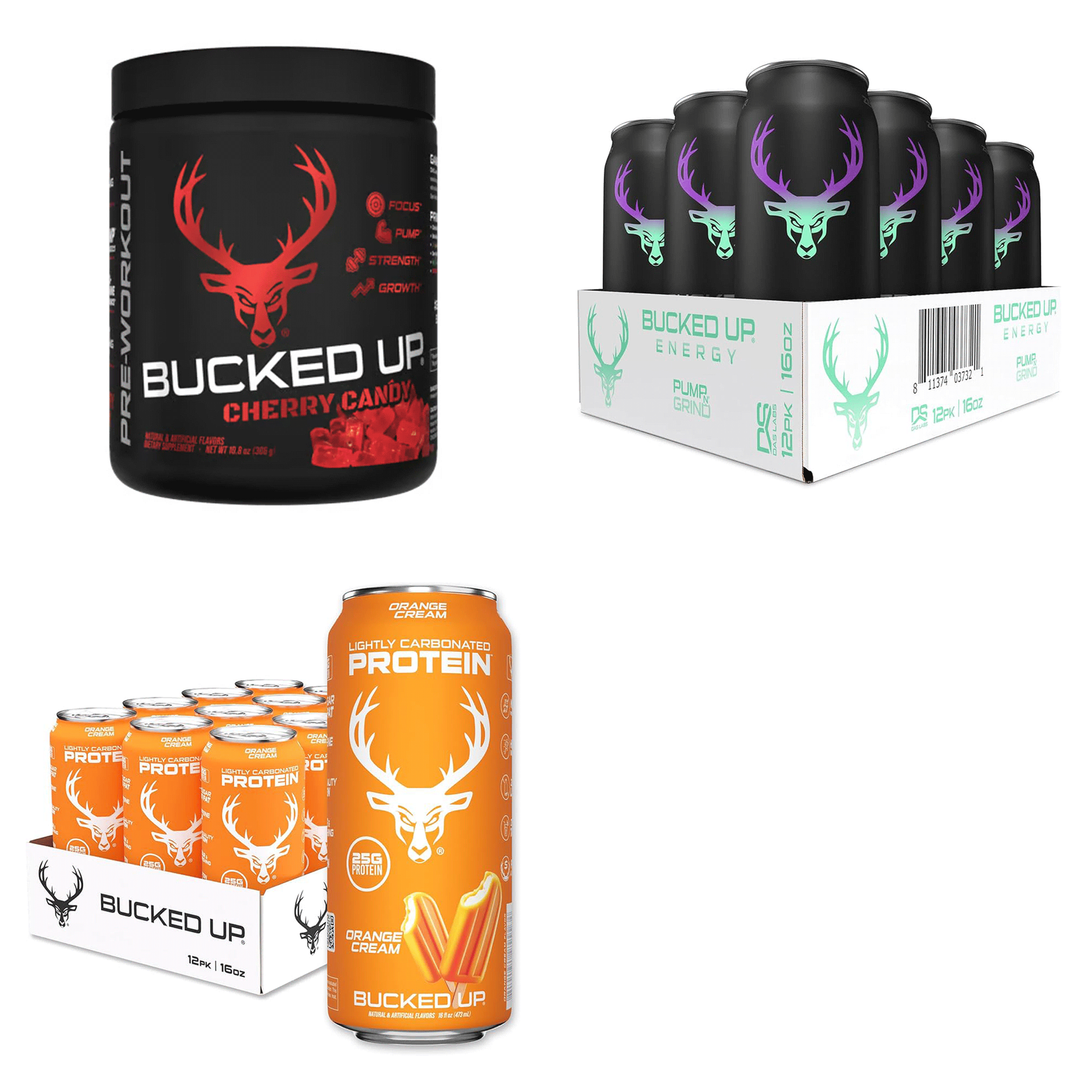
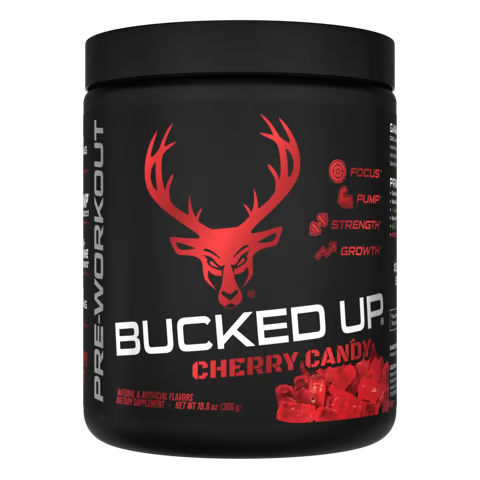
Citrulline malate at 6-8 grams taken 30-60 minutes pre-workout supports muscle pump and vasodilation benefits during resistance training.1 The supplement can also reduce muscle soreness by up to 40% and helps clear ammonia, which delays fatigue during hard sessions.1 Bucked Up Pre-Workout includes 6,000mg of citrulline malate 2:1 per serving, which falls within the effective range used in research.
How Nitrosigine Supports Muscle Pump
Nitrosigine is a patented complex of L-arginine, inositol, and silicon created to improve arginine stability and absorption. Data indicate Nitrosigine raises nitric oxide levels within 30 minutes and keeps them elevated for up to 6 hours.1 This extended window can provide sustained pump effects across an entire training session.1
The silicon component helps enhance arginine absorption, while inositol supports cellular function and signaling. Nitrosigine boosts plasma arginine levels, which the body uses as a precursor to produce nitric oxide.1 This mechanism creates rapid-onset pump effects that many traditional arginine supplements struggle to match because of lower absorption rates.1
Dialing In Citrulline Malate Dosage for Pump
Citrulline malate supplementation at 6-8 grams daily in a 2:1 ratio is effective for performance improvements such as muscle pump, better nitric oxide production, and reduced perceived exertion.1 This intake level provides approximately 3.4-4.5 grams of pure L-citrulline, which aligns with many pump-focused protocols.
Current research suggests optimal citrulline malate dosages hover closer to eight grams for performance benefits, according to registered dietitian Chelsea Rae Bourgeois. As noted earlier, the 6-8g range taken 30-60 minutes pre-workout delivers the performance improvements seen in research, including better nitric oxide production and lower perceived exertion.
Dialing In Nitrosigine Dosage for Pump
Nitrosigine has a recommended dosage of 1,500 mg (1.5 grams) per day for enhancing nitric oxide levels.1 Studies on Nitrosigine used a 1,500 mg dose and demonstrated improvements in nitrate levels, which supports this standard amount.
For best results, Nitrosigine at 1,500 mg should be taken daily around the same time to maintain stable nitric oxide levels. For immediate pump support around training, Nitrosigine can be taken 30-60 minutes beforehand so its peak activity lines up with your workout.1
Citrulline Malate vs Nitrosigine: Head-to-Head Pump Comparison
The choice between these ingredients often comes down to dosage efficiency, onset speed, and support for endurance. Studies showed citrulline malate users achieving a 12.4% increase in total work versus 8.7% for pure L-citrulline, which highlights the contribution of the malate component.1 Nitrosigine requires only 1.5g per serving compared with 6-8g for citrulline malate, so it takes up less space in a pre-workout formula.
Absorption rates and timing differ as well. Nitrosigine supports effects within about 30 minutes1, while citrulline malate reaches peak plasma concentrations within roughly 0.7–2 hours. Nitrosigine’s duration can extend up to 6 hours, compared with citrulline malate’s typical 2-3 hour window.
Nitrosigine vs Citrulline Malate: Pump Trade-Offs
Nitrosigine can stand out for efficiency and rapid onset, since it requires less powder space while still supporting pump effects.1 This efficiency translates to broader benefits such as exercise performance, muscle recovery, stamina, and nutrient delivery to muscles, as shown in published data.1 In contrast, citrulline malate can support volume training and endurance through a different pathway, using ammonia clearance and ATP support through malate to help you handle more total work.1
Stacking Citrulline Malate and Nitrosigine for Bigger Pumps
Stacking both compounds can create complementary effects by targeting nitric oxide and performance through separate mechanisms.1 Mother Bucker, for example, features 1.5g Nitrosigine plus 4g L-citrulline along with HydroPrime glycerol to support pump duration and intensity.
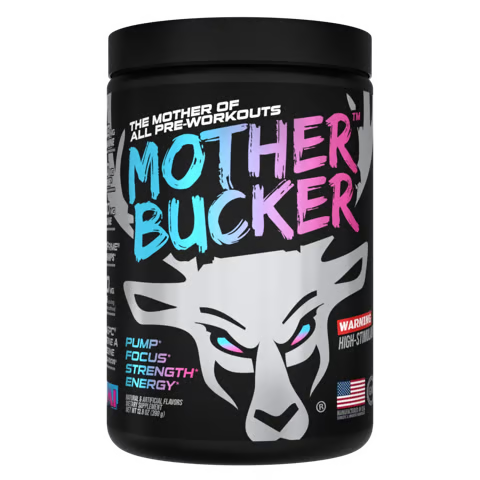
This type of stack provides rapid Nitrosigine activity while L-citrulline helps sustain pump during longer training sessions. Explore Bucked Up’s pump-focused formulations to experience how this kind of synergistic stack can feel in your own workouts.
Nitrosigine and Citrulline: Side Effects and Daily Use
Nitrosigine is well-tolerated at the 1,500 mg daily dose used in studies, with no significant adverse effects reported in research populations.1 L-citrulline supplementation is well absorbed and well tolerated, with no side effects related to its consumption reported, and has been safely used at doses of 1.5-9 g per day.1
Both ingredients show strong safety profiles in athletic settings. Current evidence suggests L-citrulline is well tolerated when consumed at doses commonly used in sports settings, which supports its role in daily pre-workout routines.
Nitrosigine vs L-Arginine for Pump Support
Nitrosigine offers higher functional bioavailability than many standard L-arginine supplements.1 Nitrosigine improves endothelium-dependent vasodilation by enhancing the ability of endothelial cells in vessel linings to relax and widen.1 Standard L-arginine often faces absorption limits and rapid breakdown, which can make Nitrosigine a more reliable option for sustained pump effects.
Frequently Asked Questions
Which is better for muscle pump: Nitrosigine or citrulline malate?
Nitrosigine delivers gram-for-gram efficiency, since it requires only 1.5g versus 6-8g for citrulline malate while still supporting pump effects.1 It also provides a faster onset within about 30 minutes and can sustain effects for up to 6 hours. Citrulline malate shines for endurance and higher-volume training because of its ammonia-clearing action and ATP support. For many lifters, stacking both compounds in products like Mother Bucker combines rapid onset with longer-lasting pump support.
Are there any side effects from Nitrosigine?
Nitrosigine shows excellent safety at the recommended 1,500 mg daily dose used in research.1 Studies report no significant adverse effects in athletic populations at this intake level. The compound appears well-tolerated for daily use, which makes it a practical option for consistent pre-workout supplementation. Users should still follow label directions and pay attention to individual responses.
Can I take Nitrosigine daily?
Nitrosigine is formulated for daily use at 1,500 mg. Taking it consistently at roughly the same time each day helps maintain stable nitric oxide levels and supports ongoing pump benefits. Daily dosing can support both training days and off days focused on recovery.
What’s the best timing for dosing these ingredients for pump?
Nitrosigine reaches peak potency within about 30 minutes, and citrulline malate peaks between roughly 0.7 and 2 hours, as discussed in the comparison section. Given those timelines, taking both together about 45 minutes before training helps line up their effects across your workout. This timing strategy supports early-session pump from Nitrosigine and mid-session support from citrulline malate.
How do these dosages compare to what’s in Bucked Up products?
Bucked Up Pre-Workout contains 6g citrulline malate, which falls within the effective 6-8g research range. Mother Bucker includes the commonly used 1.5g Nitrosigine dose plus 4g L-citrulline for broad pump support. These formulations align with research-backed dosages and add synergistic ingredients like HydroPrime glycerol to further support pump and performance.
Conclusion: Choosing Your Pump Strategy
Citrulline malate at 6-8g suits lifters who prioritize volume training, endurance, and reduced soreness, while 1.5g Nitrosigine fits those who want rapid onset and longer-lasting pump effects.1 Many athletes benefit from stacking both, as seen in Mother Bucker, which combines these key dosages with additional pump-supporting ingredients. Find your optimal pump formula in Bucked Up’s research-backed pre-workout lineup and match your choice to your training style.
1 The content provided in this article is for informational purposes only and is not medical advice. Consult with a medical professional before implementing any changes to your diet, health, or exercise routines.
Individual results will vary and are based on a combination of each individual’s diet, exercise, age, and health circumstances.
These statements have not been evaluated by the Food and Drug Administration. This product is not intended to diagnose, treat, cure or prevent any disease.
This article was written by Ryan Gardner, CEO of Bucked Up. As the maker of Bucked Up pre-workout, we have a financial interest in this information. The views expressed are our own and should be read with that context in mind.