Written by: Ryan Gardner, Owner, Managing Partner, CEO, Bucked Up | Last updated: April 17, 2026
Key Takeaways
- Daily creatine monohydrate intake of 3-5 grams supports muscle saturation, strength gains, and cognitive benefits in healthy adults.1
- An optional 20g/day loading phase (split into four 5g servings) reaches full saturation in about 5-7 days, while a steady 3-5g/day approach reaches similar levels in roughly 28-30 days.1
- Long-term use up to 60 months shows no adverse effects on kidney function in healthy individuals, according to 2025 review data.1
- Micronized powders, creatine HCl capsules, and gummies offer flexible options that can reduce bloating and fit different routines.1
- Consistent hydration and quality products such as Bucked Up creatine help support results while minimizing side effects.1
Executive Summary & Creatine Protocol Snapshot
Evidence-based creatine monohydrate protocols use a 3-5 gram daily maintenance dose, with an optional loading phase for faster saturation.1 Longobardi et al.’s 2025 review examines creatine monohydrate supplementation protocols of 1–80 g/day for durations spanning 5 days to 60 months and reports no adverse effects on renal function in healthy individuals.1 The protocols outlined in the table below show how you can apply these findings through loading or non-loading approaches, depending on how quickly you want to reach full saturation.
| Protocol | Dosage | Duration | Notes/Source |
|---|---|---|---|
| Loading | 20g/day (split 4x5g) | 5-7 days | Optional, used for faster saturation ISSN |
| Maintenance | 3-5g/day | Ongoing | NIH |
| No Load | 3-5g/day | 28-30 days to saturation | Reaches similar saturation levels over a longer timeline; Longobardi 2025 |
Foundational Overview: How Creatine Supports Muscle and Mind
Creatine monohydrate supports ATP regeneration, which is the primary energy source for high-intensity muscle contractions and many cognitive processes.1 This energy support helps explain why creatine benefits a wide range of people.1 Athletes often use it to increase strength and power output, while adults and seniors may see support for muscle preservation and cognitive function as they age.1 To help deliver these benefits more efficiently, micronized creatine improves solubility and absorption compared to standard powders.1
Key Variations, Formats & Use Cases for Different Lifestyles
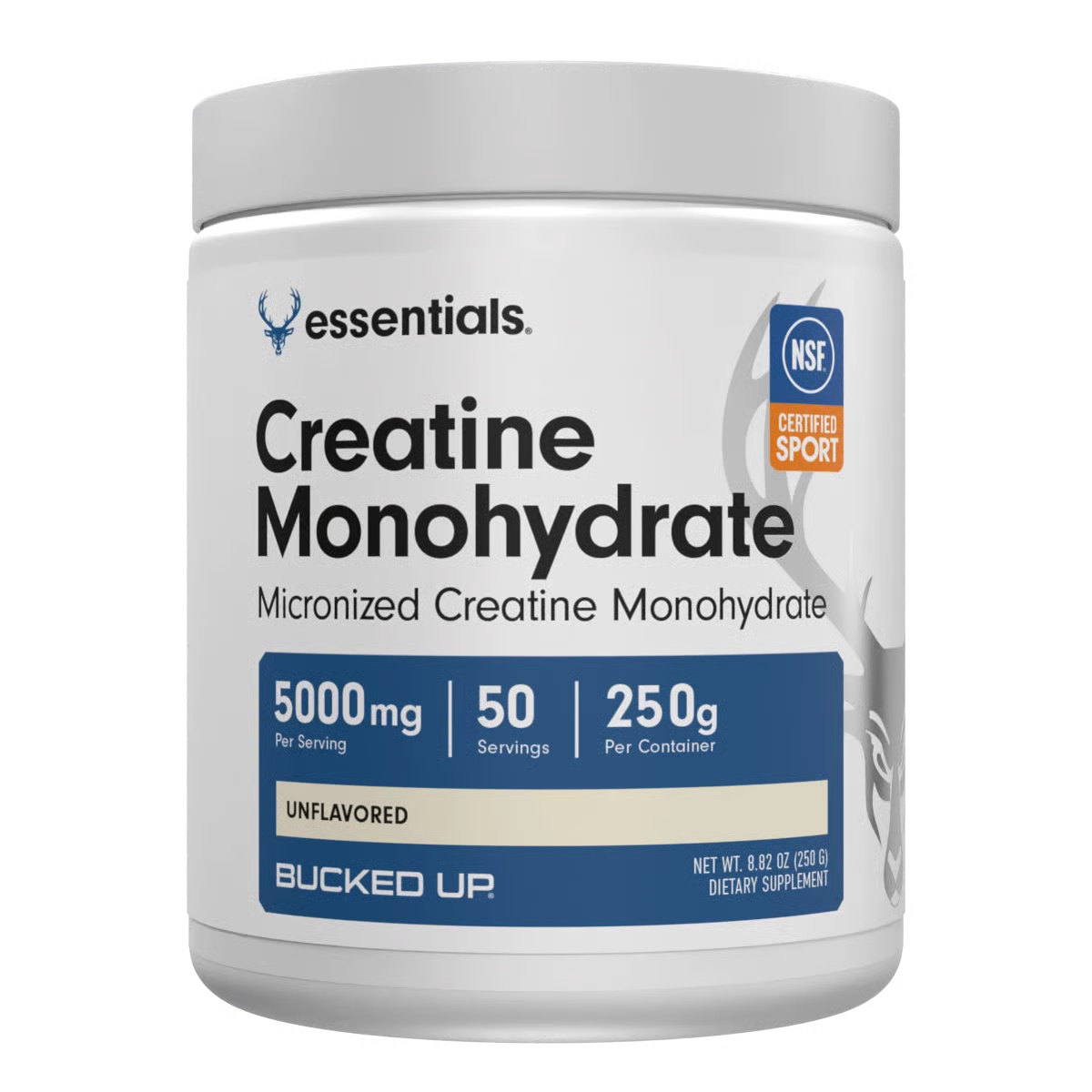
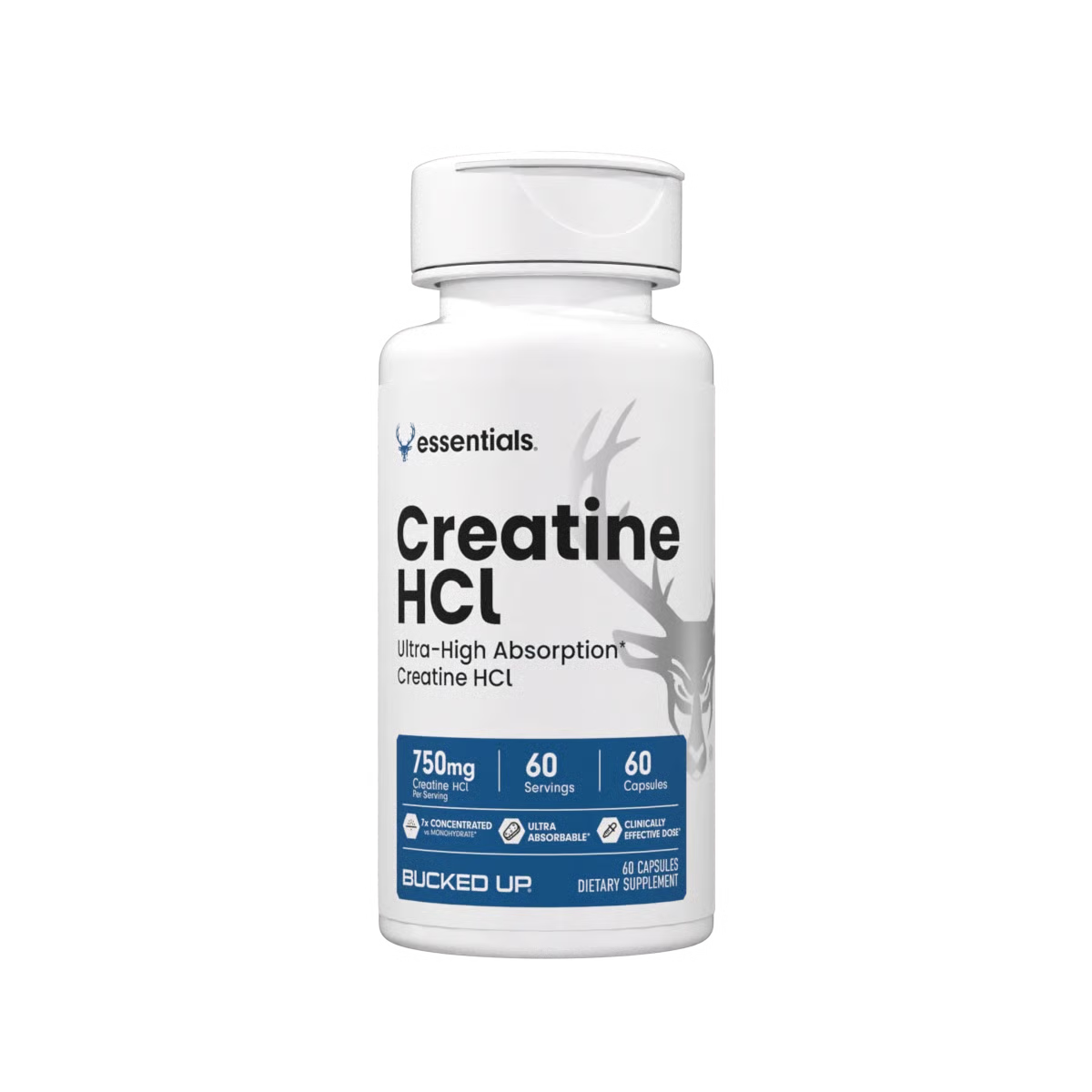
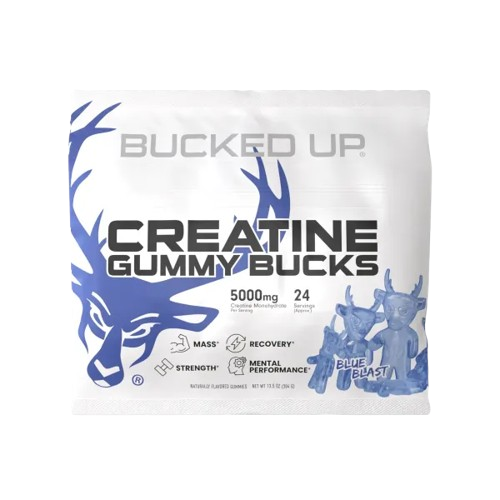
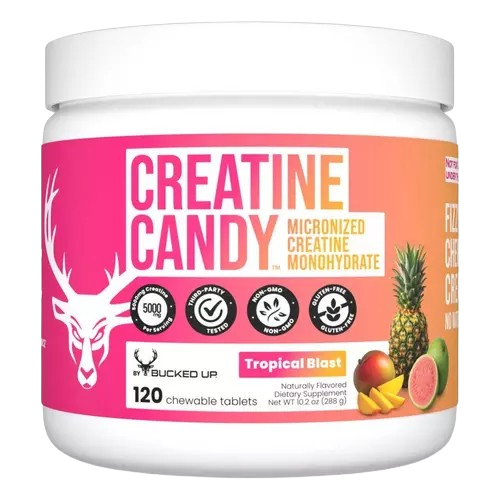
Creatine monohydrate remains a widely studied form, while creatine HCl can offer reduced bloating potential through higher solubility.1 Modern delivery formats now include traditional powders, convenient capsules, and portable gummies and candy. Bucked Up provides Pure Creatine (5g micronized monohydrate in multiple flavors), CON-CRET HCl capsules (750mg), and Creatine Gummies and Candy (5g servings) to match different preferences and schedules. The comparison below shows how each format balances solubility, bloating risk, and portability so you can match your choice to your priorities.
| Format | Solubility | Bloating Risk | Portability |
|---|---|---|---|
| Powder | High (micronized) | Medium | Low |
| HCl Capsules | High | Low | High |
| Gummies/Candy | N/A | Low | High |
Benefits, Limitations & Trade-offs of Creatine Use
Creatine monohydrate supplementation can increase strength, power output, and muscle recovery while also supporting certain aspects of cognitive function.1 Recent 2025 studies demonstrate enhanced working memory and decision-making in older adults.1 Long-term use appears safe for healthy individuals when taken at recommended doses, with no kidney damage documented in this group.1 The main trade-offs involve the need for consistent hydration and the possibility of mild gastrointestinal discomfort in some people, especially at higher single doses.1
Best Practices & Evidence-Based Creatine Use
Effective protocols typically involve 3-5 grams daily, or approximately 0.014 grams per pound of body weight. Creatine works by maintaining muscle saturation rather than providing an immediate performance spike, so you can take it at any time of day, including on rest days.1 This saturation-based approach also makes hydration important, and many users aim for 80-100 ounces of fluids daily to support normal function and reduce side effect risk.1 When choosing a product to follow this protocol, look for NSF and GMP certifications and purity levels around 99.8% to help reduce the chance of contaminants.
Practical Implementation Guidance for Common User Groups
Different users can apply the same core guidelines in ways that fit their routines. Many athletes take 5 grams post-workout by mixing flavored Pure Creatine into a protein shake or post-training drink. Some seniors prefer about 3 grams from Creatine Gummies each day, which can make adherence easier because there is no mixing or measuring. Women who want to support lean muscle while limiting bloating often choose Babe HCl capsules, which provide a more concentrated form in a smaller serving size.1 Across these groups, users frequently report positive experiences such as “no bloating, great results” when they stay hydrated and choose a format that matches their digestion and schedule.1
Common Challenges & Misconceptions About Creatine
Kidney safety concerns often persist even though multiple studies have evaluated creatine in healthy individuals. Harvard Health confirms creatine safety for healthy individuals, and notes that elevated serum creatinine usually reflects increased muscle creatine turnover rather than kidney damage.1 Bloating and stomach discomfort can often be managed by using creatine HCl forms, maintaining steady hydration, or splitting total intake into smaller servings below 5 grams each.1
Evaluation Criteria for Choosing a Creatine Product
Product quality evaluation starts with purity levels, third-party testing, and accurate dosing. NSF Sport certification helps competitive athletes reduce the risk of banned substances in their supplements. GMP manufacturing standards support consistent potency from batch to batch. When comparing options, look for NSF and GMP certifications, high purity such as 99.8%, and clear ingredient labels, which are features available in Bucked Up products.
Frequently Asked Questions
What is the safe daily dosage of creatine monohydrate?
The safe daily maintenance dose for most healthy adults is 3-5 grams. This range helps maintain muscle saturation while keeping side effects low for most users.1 People with higher body weight or more muscle mass often use the upper end of this range.
Are there long-term effects from continuous creatine use?
Long-term use over 5 or more years has not shown adverse effects in healthy individuals when taken at recommended doses. Studies report ongoing support for strength, muscle mass, and certain cognitive measures without a need to cycle off.1 Consistent daily use helps keep muscle creatine stores at stable levels.
How much creatine should I take per pound of body weight?
A commonly used guideline is about 0.014 grams of creatine per pound of body weight daily for maintenance. For example, a 176-pound individual would take roughly 2.5 grams based on this formula, although many people still use the practical range of 3-5 grams daily for simplicity.
Is creatine safe for kidney function?
Creatine appears safe for kidney function in healthy individuals when used within recommended doses. Higher serum creatinine readings usually indicate increased creatine turnover in muscles, not direct kidney damage.1 Anyone with existing kidney issues should speak with a healthcare professional before starting supplementation.
Should I take creatine on rest days?
Daily intake, including rest days, helps maintain muscle saturation levels. This consistency supports performance in later training sessions and ongoing recovery between workouts.1
How can I prevent bloating from creatine?
Many users reduce bloating by choosing creatine HCl products, staying well hydrated, or using gummies and candy formats instead of large single powder servings.1 Splitting your total daily dose into smaller portions can also help digestion for some people.
Conclusion & Recap
A daily creatine monohydrate dose of 3-5 grams can support long-term strength, recovery, and cognitive benefits for healthy adults without documented adverse effects at these levels.1 Bucked Up offers several creatine formats so you can match your product choice to your taste preferences, digestion, and schedule.
1 The content provided in this article is for informational purposes only and is not medical advice. Consult with a medical professional before implementing any changes to your diet, health, or exercise routines.
Individual results will vary and are based on a combination of each individual’s diet, exercise, age, and health circumstances.
These statements have not been evaluated by the Food and Drug Administration. This product is not intended to diagnose, treat, cure or prevent any disease.
This article was written by Ryan Gardner, CEO of Bucked Up. As the maker of Bucked Up Creatine, we have a financial interest in this information. The views expressed are our own and should be read with that context in mind