
Key Takeaways
- Creatine monohydrate is the most researched form of creatine and is typically effective at a daily dose of 3 to 5 grams for active adults.
- A loading phase can speed up muscle creatine saturation, but consistent daily use without loading delivers the same long-term benefits.
- Timing matters less than consistency, while good hydration and a form of creatine that fits your routine help support comfort and results.
- Common myths about cycling, high dosing, and mandatory loading often create confusion, even though moderate, steady intake is usually sufficient.
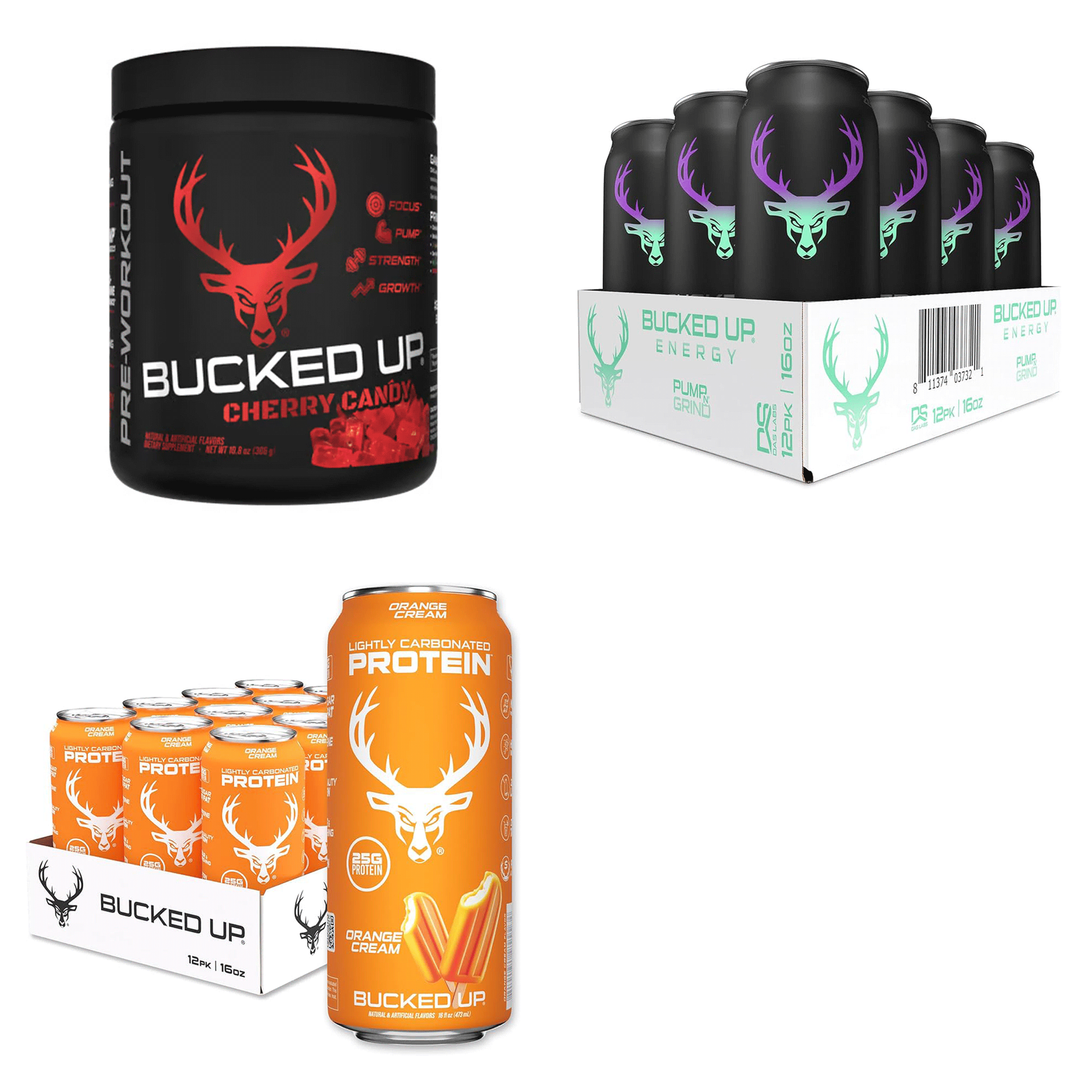
- Bucked Up Creatine offers several forms, including powders, capsules, and candy, so you can choose the option that fits your goals and preferences; shop Bucked Up Creatine here.
The Solution: Evidence-Based Creatine Monohydrate Dosage and Administration
Creatine Monohydrate: A Well-Studied Starting Point
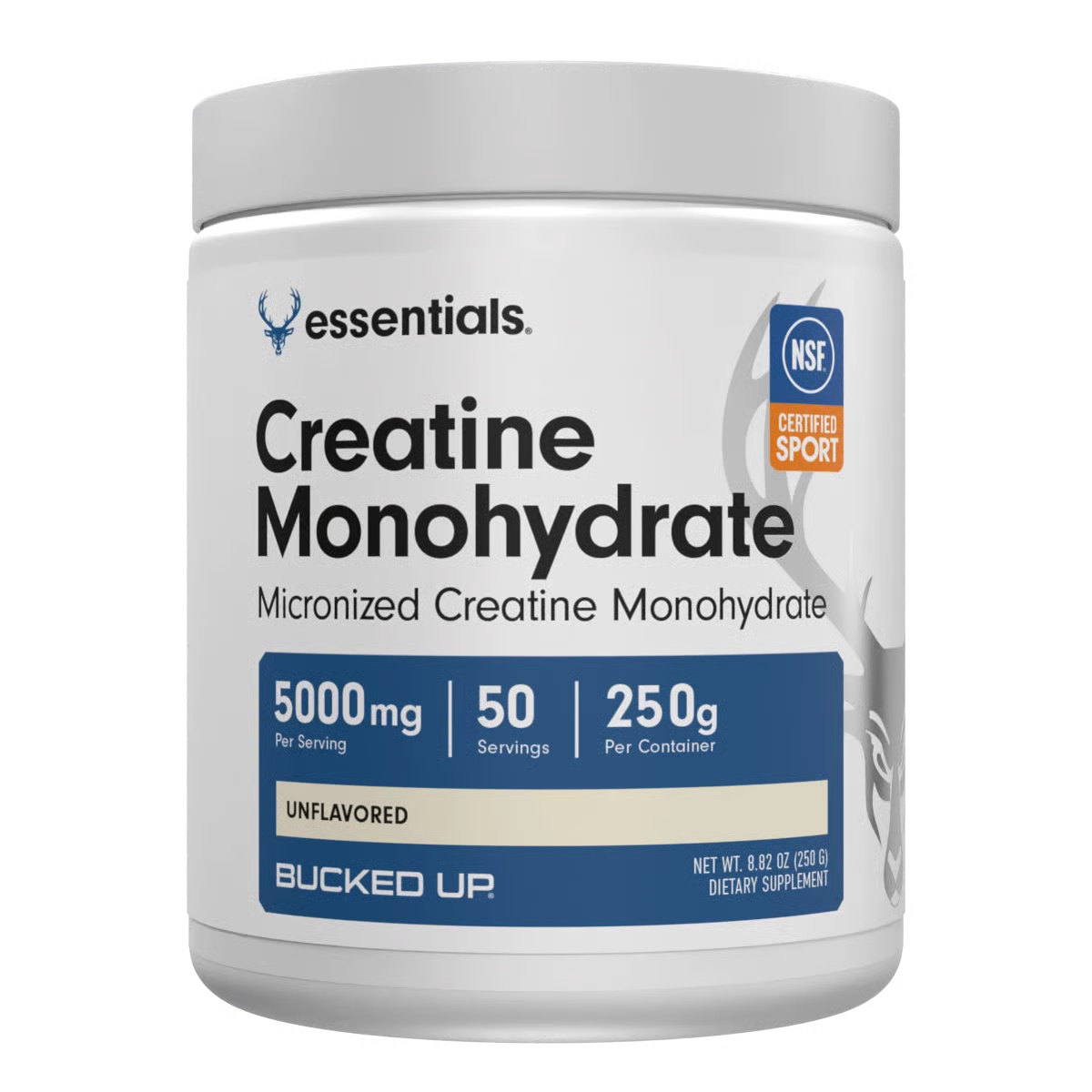
Creatine monohydrate is the most extensively researched form of creatine, with decades of data supporting its safety and efficacy. It increases phosphocreatine stores in muscle, which supports faster regeneration of adenosine triphosphate, the main energy source for short, intense efforts.
Standard Daily Dosage: The Simple Approach
The recommended daily dose of creatine monohydrate for most athletes and active adults is 3 to 5 grams. This maintenance range is usually enough to:
- Increase and sustain muscle creatine stores over time
- Support strength, power, and training volume*
- Keep dosing simple, without complex protocols
Most people can stay within this range indefinitely as part of a regular training plan.
The Loading Phase: Faster Saturation, Optional Step
A loading phase fills muscle creatine stores more quickly, but it is optional. A common loading protocol uses 20 to 25 grams per day for 5 to 7 days, split into 4 or 5 doses of about 5 grams. Using a steady daily dose without loading reaches similar levels over several weeks.
Some people prefer a body weight-based method. This approach uses about 0.3 g per kg of body weight per day for 5 to 7 days, followed by 0.03 g per kg per day for maintenance. This structure can help match dosage to individual size.
Shop now to find a creatine option that fits your preferred dosing style.
Beyond Monohydrate: Options for Different Preferences
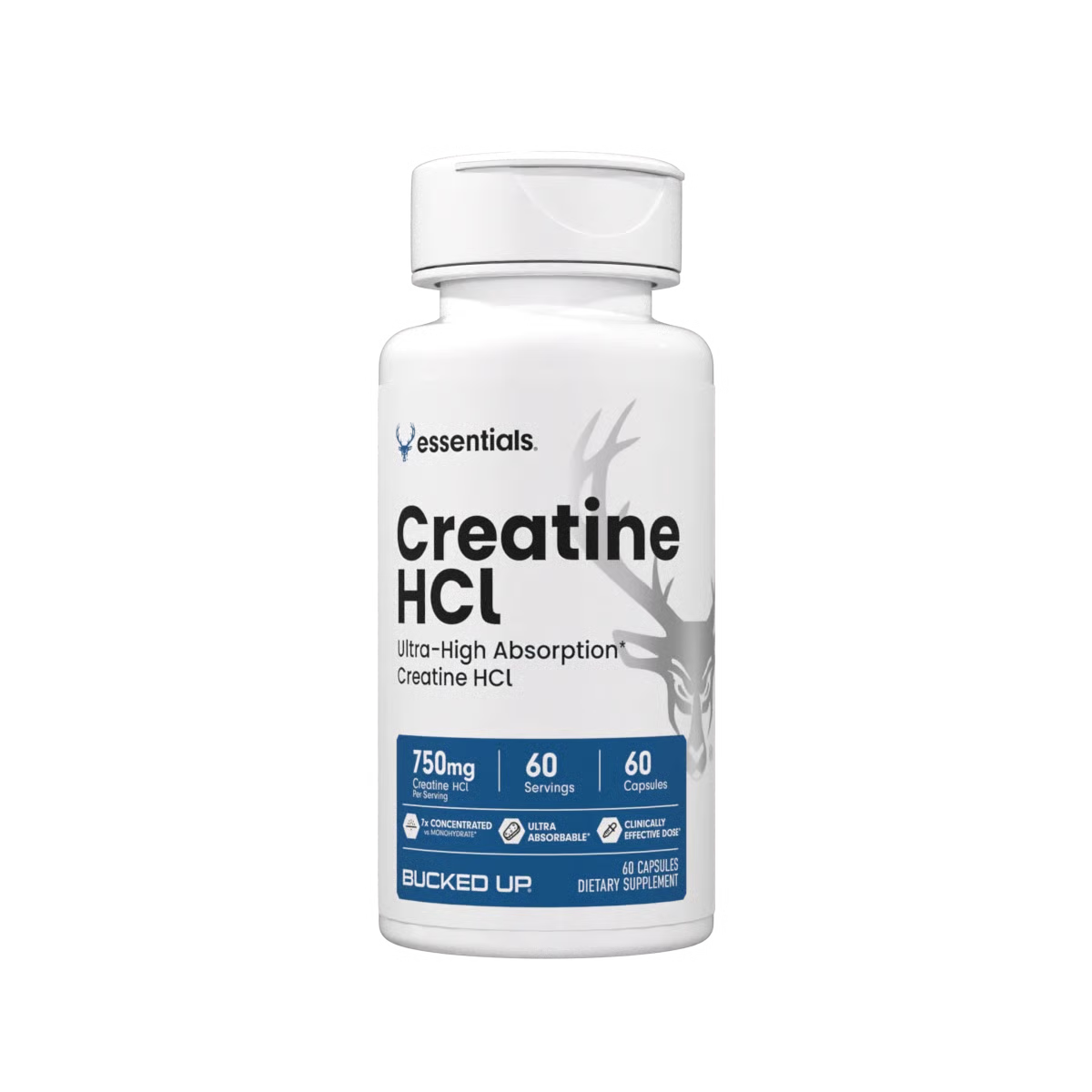
Some lifters prefer other forms of creatine. Creatine HCl, for example, is often taken in smaller serving sizes and may feel easier to digest for people who notice bloating with traditional monohydrate powders. These alternatives aim to support similar performance benefits* with a different experience.
Maximizing Creatine Intake: Timing, Hydration, and Consistency
Consistent use, smart timing, and solid hydration help creatine work as intended. These habits support both performance and comfort.
Timing Strategies for Daily Use
Taking creatine after training with a carbohydrate or protein beverage can support absorption. Many athletes choose a post workout shake or a meal as their regular time for creatine.
The most important factor is routine. Taking the same dose every day at a time you remember helps keep muscle creatine levels steady, whether that is pre workout, post workout, or with another consistent meal.
Hydration: Supporting Creatine in the Body
Hydration supports creatine because creatine draws water into muscle cells. Mixing powdered creatine with water adds to total fluid intake and helps the powder dissolve fully.
Many people do well with at least 8 to 12 ounces of water with each creatine serving and total daily fluid intake around typical general guidelines for active adults. Higher doses during loading phases may call for slightly more water.
Form Factors: Matching Creatine to Your Routine
Choosing a form of creatine that fits your habits makes consistency easier. Common options include:
- Powders, which mix into water or shakes and allow flexible serving sizes
- Capsules, which offer pre measured doses and convenience on the go
- Functional formats like gummies or candy, which can make daily intake more enjoyable
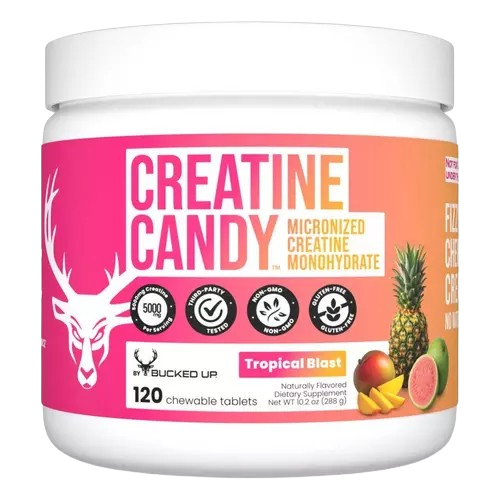
Shop now to compare creatine formats and choose the one that fits your schedule and taste.
Addressing Common Misconceptions About Creatine Monohydrate
Clearing up myths about creatine dosing helps prevent unnecessary worry and supports confident, consistent use.
Myth: Creatine Must Be Cycled
Many people assume they need to cycle creatine, but long-term use has been shown to be safe in research settings. Intakes of 4 to 5 grams daily for 18 months and 10 grams daily for 5 years have been used without reported serious adverse effects. Steady, ongoing intake helps maintain elevated muscle creatine for consistent benefits*.
Myth: Loading Is Always Required
Loading speeds up results, but is not required. Higher short-term intakes can deliver faster changes, but consistent daily dosing alone reaches similar levels over time. People who prefer a gentler approach can skip loading and stay with 3 to 5 grams per day from the start.
Myth: More Creatine Always Works Better
Very high intakes do not always create extra benefit and may increase the chance of digestive discomfort. Single servings of up to 20 grams have been used, but splitting that amount into several smaller doses helps maximize uptake. Staying within standard guidelines is usually enough for most people.
Managing Digestive Concerns
Some people notice stomach upset with larger single doses, especially during loading. Dividing total intake into several servings, such as 4 servings of 5 grams, can improve comfort. Using forms like creatine HCl or capsule-based products may also feel easier on the stomach while still supporting performance*.
Shop now to explore creatine options designed with absorption and tolerability in mind.
Frequently Asked Questions
What is the optimal daily dose of creatine for beginners?
Most beginners do well with 3 to 5 grams of creatine monohydrate per day. If you are smaller or moderately active, staying closer to 3 grams is often enough; larger or very active lifters may prefer the upper end of the range. Taken consistently, this amount typically saturates muscle creatine stores within about 3 to 4 weeks without a loading phase. Choosing a format that matches your lifestyle—such as Bucked Up creatine powder, capsules, gummies, or candy—makes it easier to take the same dose at roughly the same time every day.
What is the recommended length of a creatine loading phase?
A standard loading phase lasts 5 to 7 days. During this time, many people use 20 to 25 grams per day, divided into 4 or 5 servings of roughly 5 grams, or follow a body weight-based protocol around 0.3 g per kg per day. After loading, most users move to a 3 to 5-gram daily maintenance dose. Loading is useful if you want to feel potential benefits as quickly as possible, but if you prefer a simpler or gentler approach—especially if you have a sensitive stomach—you can skip loading and start directly with a steady maintenance dose.
Creatine use on rest days and non-training days
Creatine works by keeping your muscles consistently saturated, not just by what you take right before a workout. Taking your usual daily dose on both training and rest days helps maintain elevated muscle creatine so it is available whenever you train next. Aim for one consistent daily dose rather than doubling up to make up for a missed day, and think of creatine as a daily habit that supports long-term strength, power, and recovery benefits*.
What are the differences between pre-workout and post-workout creatine?
Creatine timing is flexible, and total daily intake matters more than the exact minute you take it. You can mix creatine into a pre-workout drink for convenience, or add it to a post-workout shake or meal. Pairing creatine with carbohydrates or protein may offer a slight edge for uptake, but the key is choosing a timing you rarely forget—pre-workout, post-workout, or with a regular meal—so your muscles stay consistently saturated.
How much water intake when using creatine supplements?
Because creatine draws water into your muscles, staying hydrated supports both comfort and performance. Many active adults aim for 8 to 12 ounces of water with each creatine serving and total daily fluid intake around 80 to 100 ounces, adjusting for body size, training load, and climate. Mixing powdered creatine into water or drinking water alongside creatine capsules, gummies, or candy helps support normal muscle function and overall hydration during training.
Shop now to explore Bucked Up creatine powders, capsules, gummies, and candy, and choose the option that best supports your training and wellness goals.
Conclusion: Make Creatine Work for Your Goals
Creatine monohydrate delivers the greatest payoff when you keep your plan straightforward: 3 to 5 grams per day, taken consistently, backed by solid hydration and a format you actually enjoy using. A short loading phase can speed up early changes in strength and performance, but it is not required—steady daily intake reaches the same muscle saturation over time while supporting strength, power, muscle preservation, and cognitive performance*.
Whether you are a dedicated athlete chasing new personal records or a health-conscious individual focused on staying strong, independent, and mentally sharp as you age, creatine can fit seamlessly into your routine. Bucked Up offers pure creatine monohydrate, multi-creatine blends like Six Point Creatine, convenient Creatine HCl capsules (including Babe Creatine), and enjoyable options such as creatine gummies and creatine candy, so you can match your supplement to your preferences and schedule.
*Disclaimer: These statements have not been evaluated by the Food and Drug Administration. This product is not intended to diagnose, treat, cure, or prevent any disease.