Written by: Ryan Gardner, Owner, Managing Partner, CEO, Bucked Up | Last updated: April 17, 2026
Key Takeaways
- Standard creatine monohydrate can cause bloating, cramping, and diarrhea in about 5.5% of users, which disrupts training and performance.1
- Micronized creatine uses particles up to 20 times smaller for better solubility, which helps reduce gritty texture and digestive irritation.1
- Athletes can still gain ATP regeneration, strength, power, and recovery benefits while reducing gut issues by choosing micronized forms.1
- Bucked Up offers NSF-certified micronized powder, gummies, HCl capsules, and blends that support digestive comfort and convenience.1
- Experience gut-friendly gains with Bucked Up’s creatine products designed for athletes who want bloat-free performance.1
How Digestive Issues Disrupt Training and Competition
Gastrointestinal distress from creatine supplementation can quickly derail a training cycle for competitive athletes. Stomach cramping mid-workout cuts sets short and lowers total volume. Bloating complicates hydration strategies and feels uncomfortable during high-intensity movements. Juhn et al.’s survey of male athletes reported diarrhea, muscle cramps, and dehydration from creatine use. These side effects force athletes to balance consistent supplementation with training comfort, which can limit the performance benefits that creatine provides through enhanced ATP regeneration.1
Micronized Creatine as a Gut-Friendly Alternative
Micronized creatine monohydrate improves digestive tolerance by shrinking particle size, which boosts solubility and absorption.1 Micronized creatine has particles milled to a smaller size, significantly enhancing solubility to dissolve completely in liquids and preventing the gritty texture that can cause mild stomach upset.1 This processing creates a powder that mixes smoothly and limits undissolved particles that can irritate the digestive tract. Some athletes also respond well to alternative forms like creatine HCl, which can offer even greater solubility and less bloating for sensitive stomachs.1
Ready to dial in performance without sacrificing comfort? Explore Bucked Up’s micronized powders, gummies, and capsule options to match your training style. Shop now
Improved Solubility for Digestive Comfort
The micronization process can reduce creatine particle size by up to 20 times compared to standard monohydrate, which improves dissolution in water and gastric fluids.1 This enhanced solubility eliminates the undissolved particles discussed earlier, reducing irritation to the stomach lining.1 When creatine dissolves more completely, it lowers the chance that residue will trigger digestive distress.
Athletes may notice fewer gastrointestinal issues with micronized forms compared to standard creatine powder.1 The smoother mixing means less residue at the bottom of shaker bottles and more consistent absorption. This combination supports better muscle saturation while reducing digestive barriers that might otherwise force training changes or supplement discontinuation.
The following comparison highlights how micronized creatine addresses common digestive challenges seen with standard monohydrate:
| Aspect | Standard Monohydrate | Micronized Creatine |
|---|---|---|
| Solubility | Poor (gritty texture) | 20x better dissolution |
| Bloating Risk | 5.5% GI issues reported | Varies by individual tolerance |
| Athlete Tolerance | Diarrhea or cramps possible | Evaluate digestive response when selecting |
Performance Benefits and Everyday Use for Athletes
Micronized creatine delivers the same core performance benefits as standard monohydrate while aiming to reduce digestive drawbacks.1 Athletes can still see enhanced strength, power output, and recovery when muscle creatine stores stay saturated.1 Improved ATP regeneration supports more reps per set, faster recovery between sessions, and steady cognitive focus during competition.1
Day-to-day, athletes can mix micronized creatine directly into pre-workout drinks without worrying about texture. Many feel comfortable taking doses closer to training sessions because of lower bloating concerns. The American College of Sports Medicine and International Society of Sports Nutrition consider creatine safe for healthy athletes when used at a maintenance dose of 3 g daily (American College of Sports Medicine) and 3–5 g daily (International Society of Sports Nutrition) in healthy individuals.
Best Digestive-Friendly Formats: Bucked Up Creatine Lineup
Micronized Powder and Gummies for Flexible Dosing
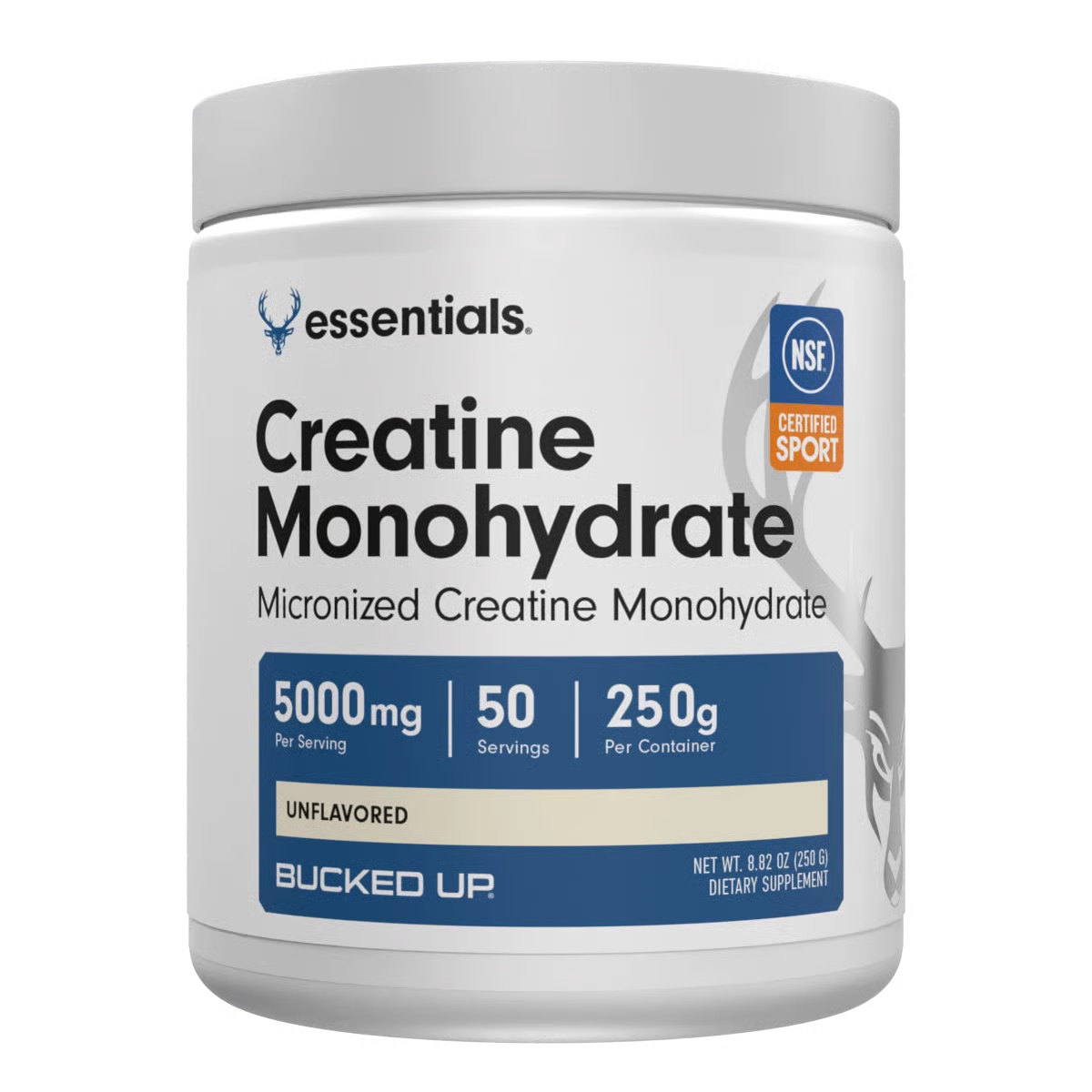
Bucked Up’s Pure Creatine features micronized monohydrate with 99.8% purity and NSF certification, which supports both digestive comfort and product reliability.1 The micronization process helps remove the gritty texture that can irritate the stomach while preserving the research-backed benefits of creatine monohydrate.1 Flavors like Blue Raspberry and Fruit Punch mix smoothly in water, leaving minimal residue.
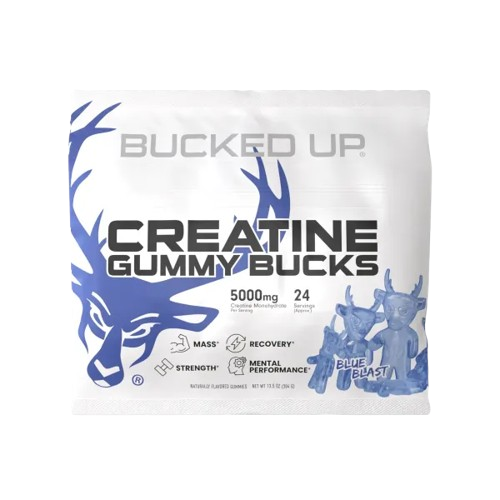
For athletes who want grab-and-go convenience, Bucked Up’s Creatine Gummies provide 5g of creatine monohydrate per serving in a portable, taste-friendly format. Gummies remove mixing from the equation while still supporting muscle saturation.1 Athletes can review user feedback and their own experience to see how each format feels on their stomach.
Creatine HCl and Blends for Sensitive Stomachs
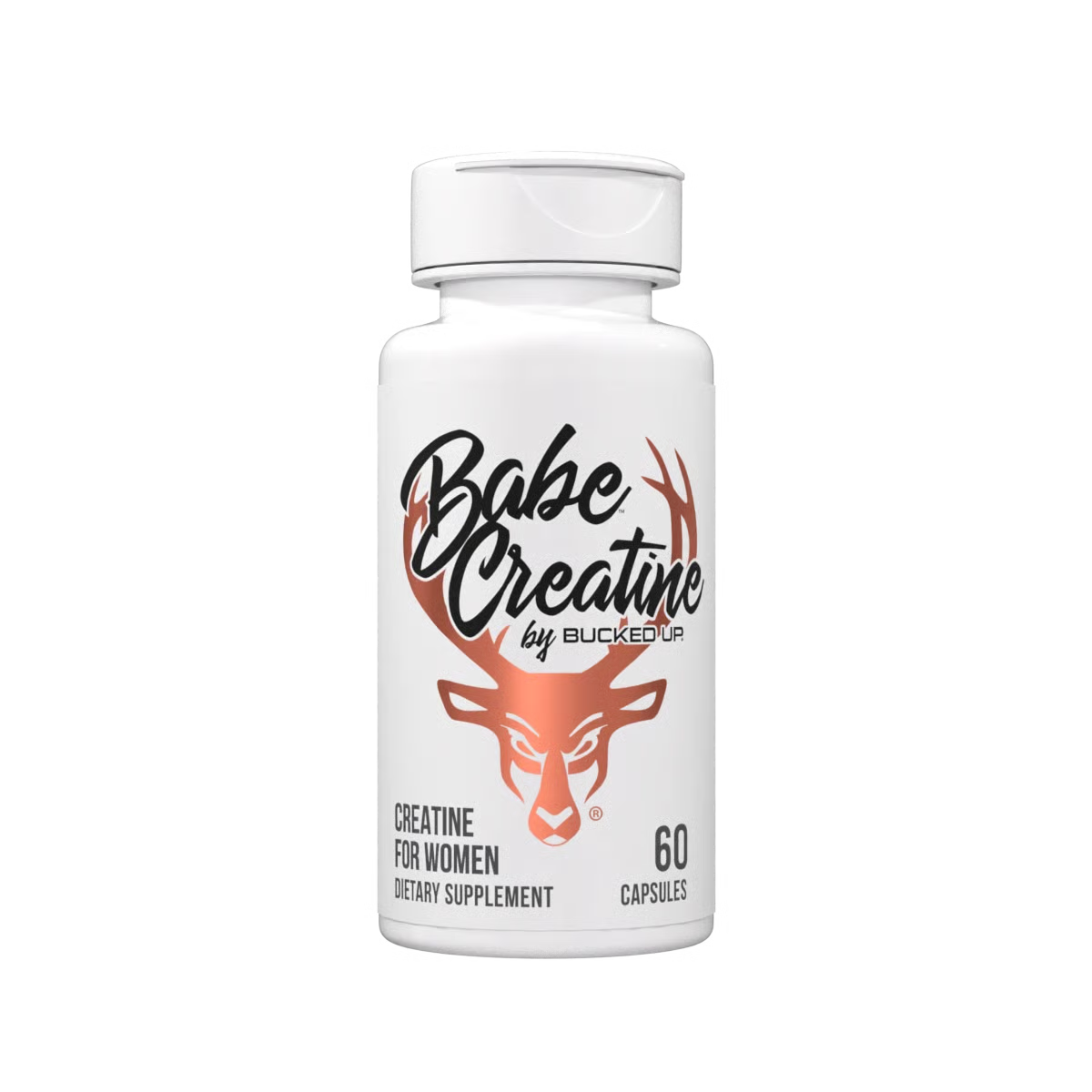
Bucked Up’s Creatine HCl and Babe Creatine use CON-CRĒT® Creatine HCl in capsule form, which supports absorption with minimal water retention.1 Some users report no bloating when they pair HCl with adequate water intake and notice strong pumps and muscle growth.1 Because HCl can offer higher bioavailability, athletes often use smaller doses, which may further reduce digestive strain.1
Bucked Up Six Point Creatine combines six creatine forms, including monohydrate and HCl, to support broad muscle saturation.1 Many athletes highlight easy mixing and low bloating in their feedback. This blended approach gives multiple absorption pathways while still keeping digestive comfort in mind.
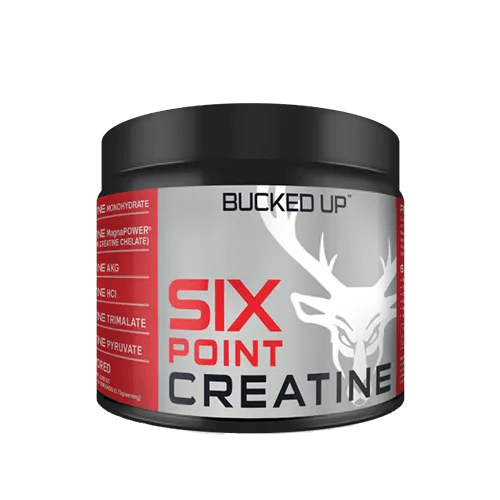
Prefer simple mixing or chewable options? Compare Bucked Up’s powders, gummies, and blends to find the format that fits your stomach and schedule. Shop now
Managing Side Effects in Athletes and Clearing Up Myths
Creatine Side Effects for Athletes
Side effects from micronized creatine tend to be uncommon when athletes follow reasonable dosing guidelines. A 2025 safety analysis of 685 clinical trials involving over 26,000 participants found that overall side effect rates from creatine supplementation were similar to placebo, with 4.6% of creatine users vs. 4.2% of placebo users. Many athletes skip high-dose loading phases and instead start with 3–5 g daily, which can lower the chance of digestive distress.
How to Stop Diarrhea from Creatine
Athletes who experience digestive issues can adjust their routine to improve tolerance. Splitting daily intake into smaller servings, such as 2.5 grams in the morning and 2.5 grams later, can reduce stomach upset.1 Hydration in the range of 80–100 ounces of water per day supports better dissolution and absorption. Taking creatine with food or carbohydrate sources can also improve uptake and soften gastric irritation.1
Beyond these strategies, athletes often worry about long-term organ damage or widespread digestive harm. Fears about kidney damage lack scientific support in healthy individuals, and the 5.5% GI issue rate mentioned earlier appears comparable to placebo at 4.2% in Kreider et al.’s meta-analysis of 685 randomized controlled trials. This pattern suggests that many reported symptoms may not be specific to creatine itself.
Selection Tips and Daily Usage Guidelines
When choosing creatine for digestive comfort, athletes can prioritize micronized forms with third-party testing such as NSF certification. These markers support both smaller particle size for better solubility and product purity that reduces contamination-related stomach issues. Bucked Up’s creatine line meets these standards while offering several delivery methods that can improve tolerance.
Even with high-quality products, individual digestive responses vary, so many athletes start with smaller doses and gradually increase as tolerated. Daily creatine intake should continue on rest days to maintain muscle saturation, and timing can remain flexible based on personal preference. Consistent hydration of 80–100 ounces of water per day remains important for both performance and digestive comfort.
For athletes who still experience digestive concerns with powders, capsule forms like Bucked Up’s HCl options offer precise dosing without mixing. This convenience can support consistent daily use, which is key for maintaining the muscle creatine levels that drive performance benefits.
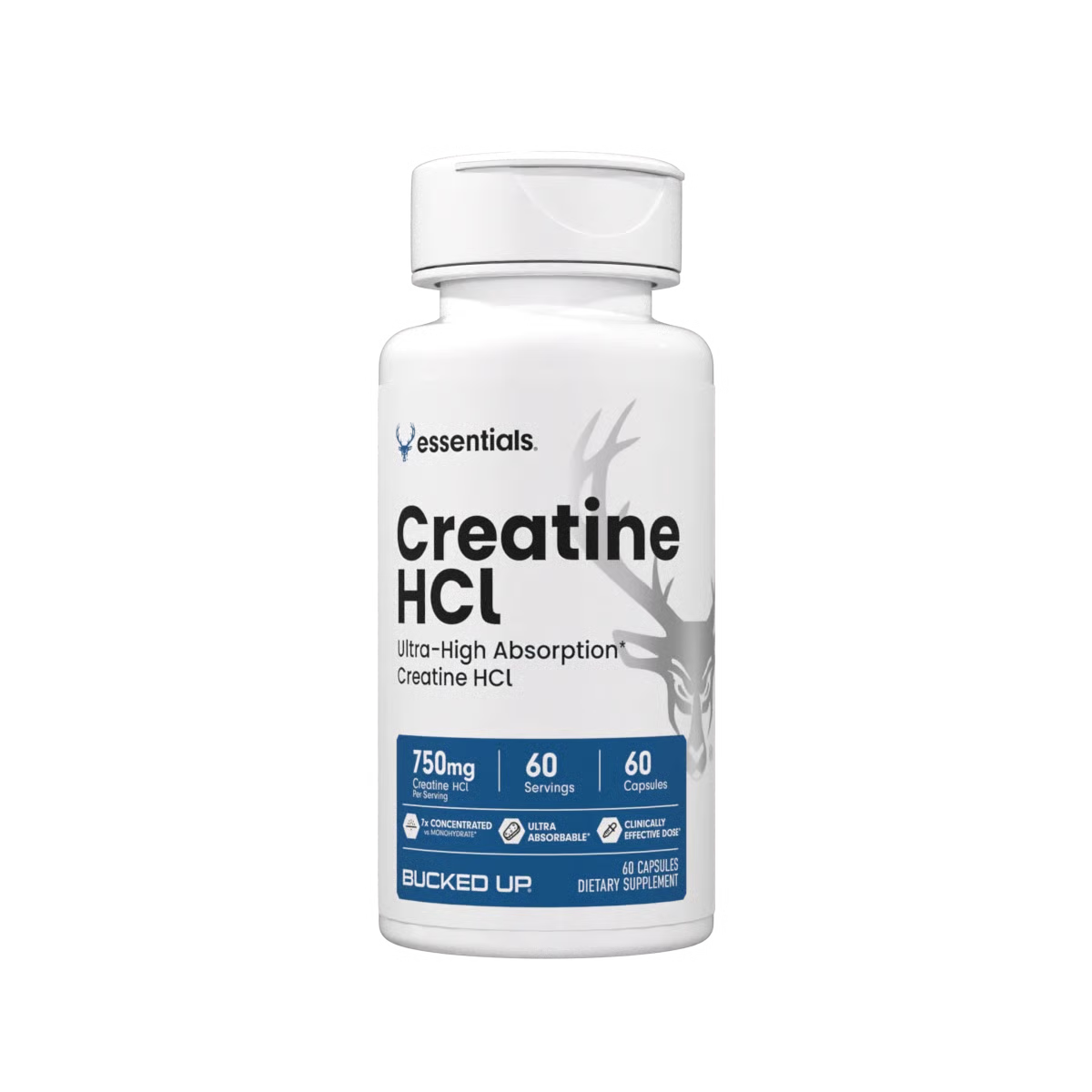
Want a routine that your stomach can handle every day? Check out Bucked Up’s micronized powders, HCl capsules, and blends to build a sustainable creatine plan. Shop now
Frequently Asked Questions
Is micronized creatine good for athletes?
Micronized creatine can support digestive comfort compared to standard forms while still delivering performance benefits.1 The smaller particle size improves solubility and reduces the gritty texture that may cause stomach upset. Athletes can weigh strength, power output, and recovery needs when deciding if micronized creatine fits their program.
What are the side effects of creatine for athletes?
Side effects from properly dosed creatine usually stay minimal and appear similar to placebo rates in research. Common short-term changes include temporary water retention of about 1–2 pounds and mild digestive discomfort during the first few days. These effects often fade within the first week as the body adapts. Micronized forms may lower the chance of stomach upset compared to standard creatine powder.1
How do you stop diarrhea from creatine?
Athletes can reduce digestive issues by splitting daily doses into smaller servings, taking creatine with food, and drinking 80–100 ounces of water daily. Choosing micronized forms that dissolve completely and avoiding large single doses above 5 g can also help. Capsule forms provide another option if powder continues to cause problems, and starting around 3 g daily gives the digestive system time to adjust.
Should athletes take creatine on rest days?
Daily creatine intake, including rest days, helps maintain muscle saturation levels that support strength and recovery.1 Muscle creatine stores gradually decline without consistent intake, which can reduce performance benefits during later training sessions. Many athletes take 3–5 g daily regardless of training schedule to keep levels steady.
Are creatine pills better than powder for digestion?
Capsules can feel gentler on digestion for some athletes because they avoid taste issues and provide precise dosing without mixing. High-quality micronized powders also dissolve well and are often well tolerated when prepared correctly. The choice usually comes down to convenience, taste, and personal digestive response rather than one format always outperforming the other.
Conclusion: Creatine Power Without Gut Woes
Micronized creatine can support performance gains while reducing digestive compromise for many athletes.1 Superior solubility and varied delivery methods, such as powders, gummies, and capsules, help remove gut-related barriers that might otherwise disrupt training consistency. Athletes can choose formats that balance creatine’s benefits with their own digestive comfort.
Ready to build a creatine routine that supports both performance and digestion? Explore Bucked Up’s full creatine lineup and choose the format that fits your goals. Shop now
1 The content provided in this article is for informational purposes only and is not medical advice. Consult with a medical professional before implementing any changes to your diet, health, or exercise routines.
Individual results will vary and are based on a combination of each individual’s diet, exercise, age, and health circumstances.
These statements have not been evaluated by the Food and Drug Administration. This product is not intended to diagnose, treat, cure or prevent any disease.
This article was written by Ryan Gardner, CEO of Bucked Up. As the maker of Bucked Up Creatine, we have a financial interest in this information. The views expressed are our own and should be read with that context in mind