Written by: Ryan Gardner, Owner, Managing Partner, CEO, Bucked Up | Last updated: April 17, 2026
Key Takeaways
- Women have naturally lower baseline creatine stores than men, which creates greater potential for performance improvements through supplementation.1
- Creatine can enhance strength, power output, training volume, and sprint performance in female athletes, supported by meta-analyses.1
- Creatine can accelerate muscle recovery, reduce soreness, and improve training tolerance during the luteal phase of the menstrual cycle.1
- Myths about bloating and weight gain are manageable with forms like HCl or monohydrate, and studies show no hormonal disruptions in healthy women.1
- Women who want support for performance and recovery can choose Bucked Up’s high-purity creatine options like Babe Creatine or gummies to fit their routine, and shop now.1
Why Women Hit Plateaus and Struggle With Recovery
Many female athletes notice stalled progress in strength training, even when they show up and push hard every week. Recovery often feels tougher during the luteal phase of the menstrual cycle, when elevated estrogen levels correspond with increased protein catabolism. Soreness can linger, sessions feel heavier, and sticking to a consistent training schedule becomes harder. These patterns leave many women feeling frustrated when their effort in the gym does not match the results they see.
Creatine for Women: A Targeted Performance Solution
Creatine acts as a natural ATP booster that supports the body’s primary energy system during high-intensity efforts.1 Researchers have published more than 1000 studies on creatine, and the data show meaningful performance benefits.1 Meta-analyses demonstrate improvements in muscle strength when women supplement with creatine during resistance training programs.1
These strength gains translate into practical changes, such as adding weight to key lifts, completing more quality reps, and recovering better between hard sessions.1
How Creatine Supports Women Athletes at a Cellular Level
Creatine increases phosphocreatine stores in muscle tissue, which allows faster ATP regeneration during explosive movements.1 Women’s lower baseline creatine levels create a larger opportunity for improvement compared to men, so the same dose can produce more noticeable changes.1 A standard daily protocol of 3 to 5 grams can gradually increase muscle creatine stores and support consistent performance over time.1
This higher saturation can produce several benefits that go beyond basic strength gains.1
Key mechanisms include:
- Enhanced muscle saturation that supports higher power output during sprints, jumps, and heavy lifts1
- Cognitive support that can show up as better focus, mental clarity, and decision-making during training or competition1
- Faster recovery between training sessions, which helps women handle more frequent or intense workouts1
These benefits extend across diverse female populations, from young athletes to postmenopausal women. Women in different life stages can use the same core mechanism to support their training goals. If you want to experience these research-backed effects in your own program, you can explore Bucked Up’s creatine options designed with women’s performance needs in mind.
Key Performance and Recovery Benefits for Women
Research on women shows creatine can improve several measurable performance and recovery markers.1
- Strength gains: Improvements in maximal strength measures1
- Recovery enhancement: Reductions in muscle soreness markers after intense training1
- Training volume: Better ability to complete extra repetitions at a given load1
- Sprint performance: Improved repeated sprint ability in team and field sports1
- Luteal phase support: Better training tolerance when hormonal shifts can otherwise increase fatigue1
| Study | Participants | Strength Improvement | Recovery Benefit |
|---|---|---|---|
| Zhang et al. 2025 | Women in meta-analysis | Strength gains | Reduced fatigue markers |
| Garcia et al. 2025 | Female footballers | Enhanced power output | Faster recovery |
| Smith-Ryan 2025 | Mixed female athletes | Consistent strength improvements | Better training volume tolerance |
Bucked Up’s Pure Creatine and Six Point Creatine use high-purity ingredients and transparent labels to deliver these research-backed benefits in practical, easy-to-use formats.1
Choosing Creatine Formats That Feel Comfortable for Women
Women often care about both performance and how a supplement feels on the stomach, so creatine format matters. Different forms can support similar outcomes while offering distinct advantages for digestion, dosing, and convenience.
| Format | Pros | Best For | Bucked Up Option |
|---|---|---|---|
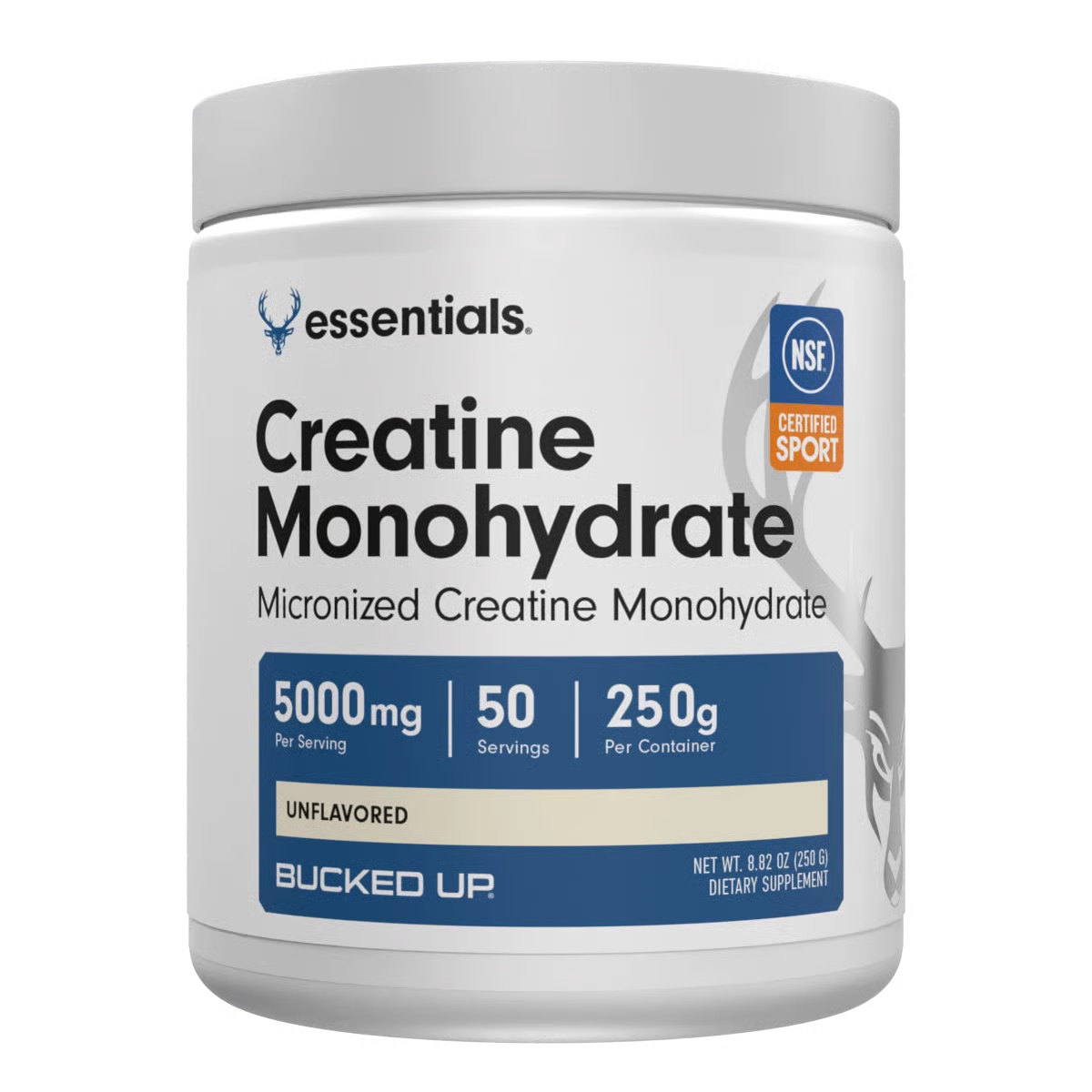
| Monohydrate | Most researched, cost-effective | General performance | Pure Creatine (99.8% purity) |
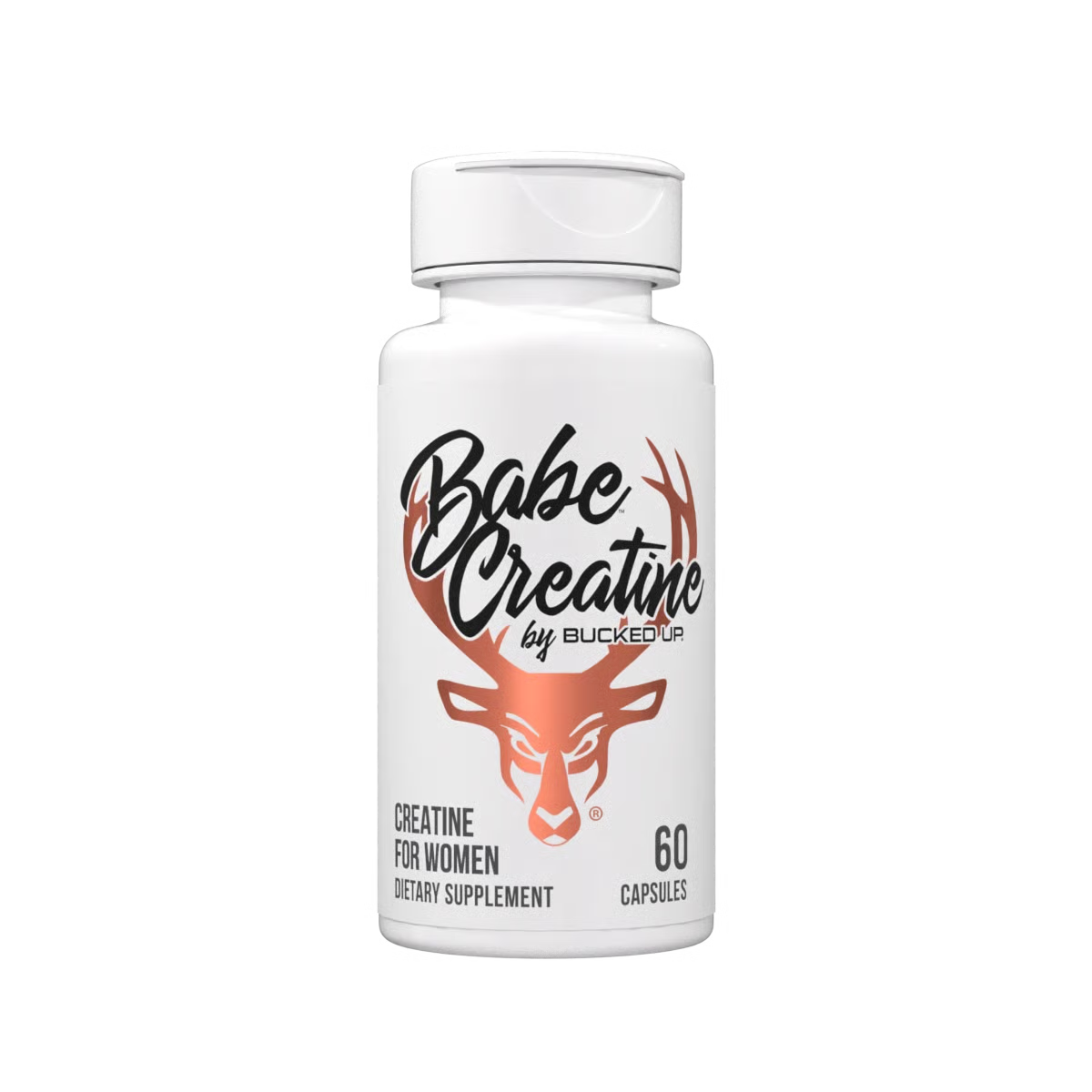
| HCl | Reduced bloating, smaller doses | Sensitive digestion | Babe Creatine (NSF certified) |
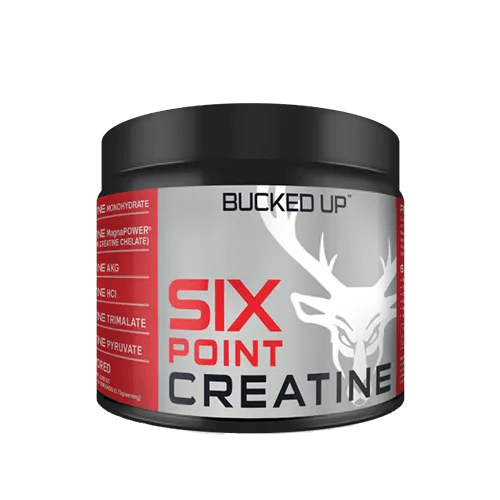
| Blends | Multiple absorption pathways | Advanced athletes | Six Point Creatine |
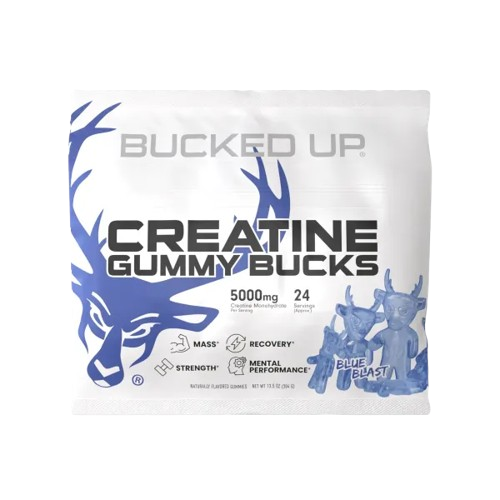
| Gummies | Convenient, tasty | On-the-go supplementation | Creatine Gummies |
Bucked Up’s Babe Creatine specifically targets women who want creatine support without noticeable bloating while still maintaining the performance benefits of supplementation.1 You can match the format to your lifestyle, whether that means quick gummies, straightforward monohydrate powder, multi-form blends, or bloat-conscious HCl capsules.
Creatine Side Effects in Women: What Research Actually Shows
Concerns about creatine side effects in women usually come from myths rather than current evidence.
- Bloating: Any bloating tends to be temporary and often decreases with HCl forms1
- Weight gain: Reflects increased muscle hydration and sometimes lean mass, not added body fat
- Hormonal disruption: Studies report no adverse effects on female hormones in healthy women1
- Kidney concerns: Current research shows no harm in healthy individuals using recommended doses1
Most women can further reduce minor side effects by staying well hydrated, aiming for roughly 80 to 100 ounces of fluids per day.
How Women Can Choose a Creatine Product With Confidence
Women get the most from creatine when they choose products with high purity standards, appropriate forms for their digestion, and clear, transparent labeling. These criteria help ensure effective doses without unnecessary fillers or undisclosed proprietary blends.
Bucked Up’s women-focused options, such as Babe Creatine and Creatine Gummies, align with these standards through NSF or GMP-level quality controls and straightforward ingredient lists. These products give female athletes practical ways to support performance and recovery while matching personal preferences for capsules, powders, or chewable formats.
Creatine for Women: Dosing and Recovery Tips
Most women respond well to a daily creatine intake of 3 to 5 grams, taken consistently to maintain muscle saturation.1 Many prefer a post-workout serving because it fits naturally into an existing routine and pairs well with recovery nutrition.
Because protein breakdown increases during the luteal phase of the menstrual cycle, slightly higher creatine intake during this time can help counter that extra catabolism. This adjustment can support training performance and recovery when workouts might otherwise feel harder.
FAQ: Creatine for Women
Should female athletes take creatine?
Female athletes can benefit from creatine supplementation when they want support for strength, power, or recovery.1 Women often have lower baseline creatine stores than men, which creates more room for improvement once they supplement. Research shows enhanced strength, power output, and recovery in women who use creatine during structured training programs.1
What side effects should women expect from creatine?
Most women experience few or no noticeable side effects from creatine when they follow recommended doses.1 Some may see temporary water retention at first, which reflects increased muscle hydration rather than fat gain. Mild digestive discomfort can occur in sensitive users, but many women reduce this by choosing HCl forms like Babe Creatine or by splitting their daily amount into two smaller servings.
Should women take creatine on rest days?
Women benefit from taking creatine on rest days because consistent intake keeps muscle stores elevated.1 Steady saturation supports ongoing strength and recovery adaptations, so performance remains strong when the next training session arrives.
Are creatine pills or powder better for women?
Pills and powders can provide similar performance benefits when the total daily dose matches.1 Pills offer convenience, portability, and precise dosing without any mixing or flavor considerations. Bucked Up’s Babe Creatine capsules support women who prefer a quick, tasteless option while still delivering the same core benefits associated with powder forms.
How does creatine help women during different life stages?
Creatine can support women through several life stages by helping maintain strength, muscle, and daily function.1 During reproductive years, it can assist with performance during hormonal fluctuations and demanding training blocks. For women over 40, creatine combined with resistance training can help preserve muscle mass and bone density as estrogen levels decline. Postmenopausal women may find creatine especially useful for supporting muscle-preserving efforts and maintaining an active lifestyle.
Conclusion: Bringing Creatine Into Your Training Routine
Current evidence supports creatine supplementation for women who want better sports performance, stronger lifts, and faster recovery.1 Women’s lower baseline creatine stores and solid responses in research suggest meaningful potential for relative improvements compared to men. Bucked Up’s women-friendly options, from bloat-conscious Babe Creatine to convenient gummies and classic powders, make it straightforward to add creatine to your daily routine in a way that fits your preferences.
1 The content provided in this article is for informational purposes only and is not medical advice. Consult with a medical professional before implementing any changes to your diet, health, or exercise routines.
Individual results will vary and are based on a combination of each individual’s diet, exercise, age, and health circumstances.
These statements have not been evaluated by the Food and Drug Administration. This product is not intended to diagnose, treat, cure or prevent any disease.
This article was written by Ryan Gardner, CEO of Bucked Up. As the maker of Bucked Up Creatine, we have a financial interest in this information. The views expressed are our own and should be read with that context in mind