Key Takeaways
- Creatine supports strength, power, and recovery in women by helping muscles regenerate energy during intense exercise.
- Concerns about creatine causing bulk, fat gain, or extreme bloating are largely based on misunderstandings of how creatine affects fluid balance.
- Women often start with slightly lower muscle creatine levels than men, so consistent supplementation can provide meaningful performance and wellness benefits across life stages.
- Both creatine monohydrate and creatine HCl can work well for women, with daily doses of about 3–5 grams supporting most goals.
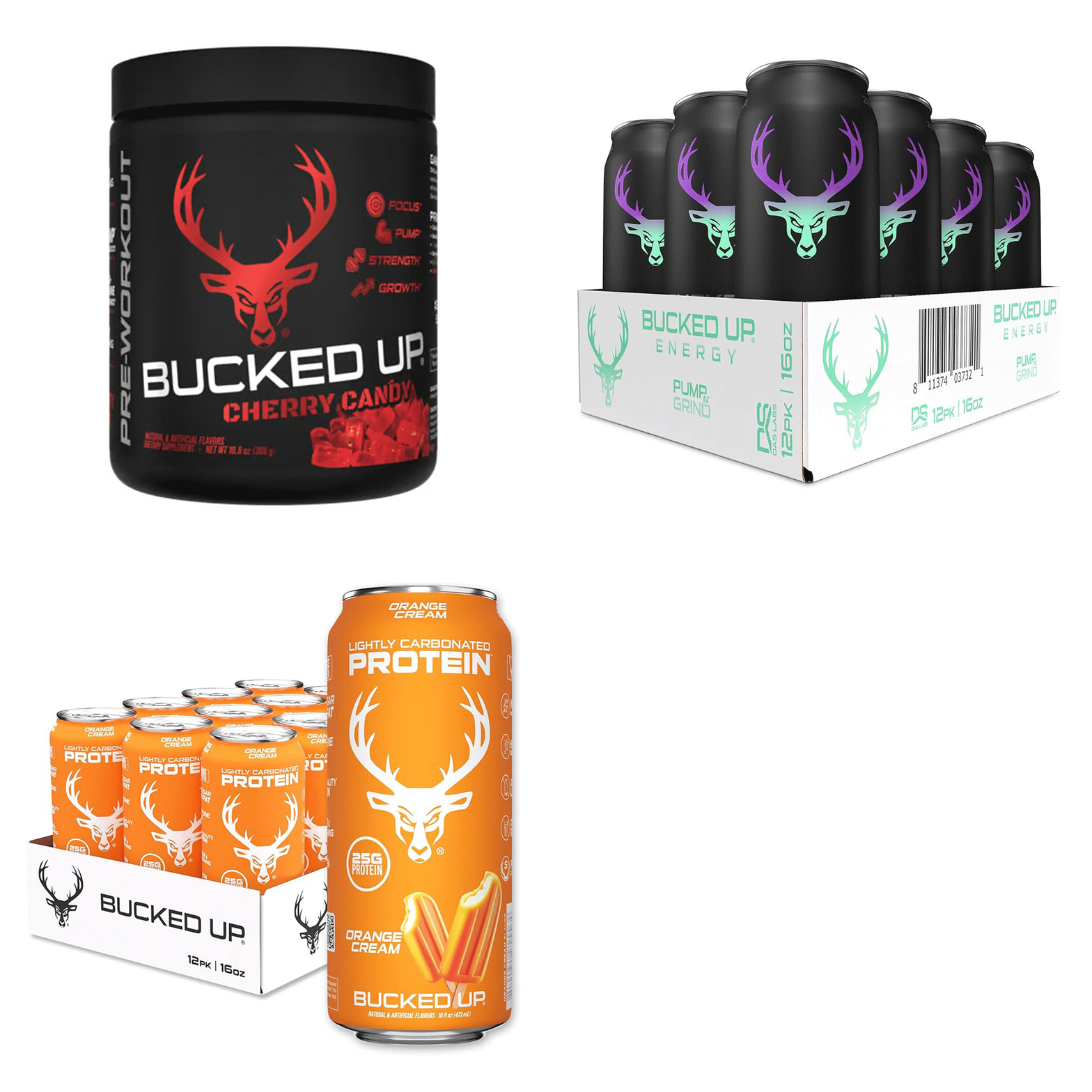
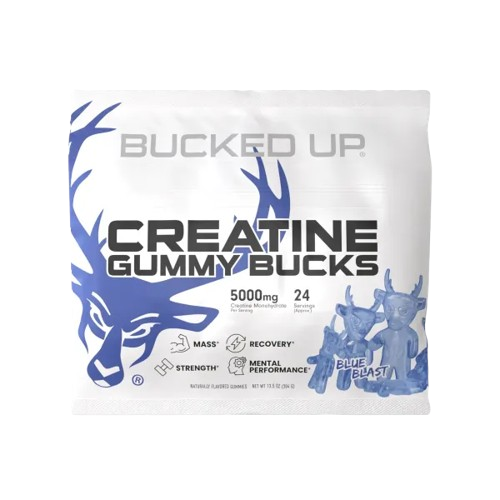
- Bucked Up Creatine offers powders, capsules, and gummies that make it easier to take creatine consistently; explore Bucked Up Creatine options here.
How Myths About Creatine Hold Women Back
Many women still avoid creatine because they expect bloating, weight gain, or a bulky look. These concerns grew from early information that rarely focused on women and often overstated side effects.
Skipping creatine can mean slower recovery, less strength gain, and lower training intensity over time. Women also miss potential support for cognition, mood, and body composition, including during hormonal shifts across the menstrual cycle and later life. Women tend to have about 5–10% lower baseline muscle creatine concentrations than men, so supplementation can be especially helpful.
Why Creatine Works So Well For Women
Creatine helps the body recycle ATP, the main energy source for quick, high-intensity efforts. That same mechanism supports both training performance and brain function.
Building Strength And Power More Efficiently
Female-specific trials show that creatine supplementation can improve power output, reduce fatigue, and enhance muscle recovery in women. Higher phosphocreatine stores let you perform more reps, handle heavier loads, and maintain intensity longer before fatigue.
This boost in training capacity supports gradual increases in strength and lean muscle. Over time, that can mean better performance in the gym, on the field, or in everyday tasks that require power and stability.
Recovering Faster Between Sessions
Creatine supports faster energy regeneration, which helps limit muscle damage and soreness after demanding workouts. Many women juggle work, family, and training, so anything that supports recovery can make a difference in how consistently they show up for sessions.
Better recovery helps maintain regular training, which is a key factor in progress toward strength, body composition, and general fitness goals.
Supporting Lean Muscle Without Unwanted “Bulk”
Concerns about looking bulky often keep women from trying creatine. The research points in a different direction. Creatine tends to increase lean mass mainly through better training quality and increased intracellular water rather than fat gain.
Any small increase on the scale usually reflects water stored inside muscle cells, which supports performance and is not linked to masculinizing changes. This pattern aligns with a stronger, more athletic look, not a bulky or puffy appearance.
Adding Cognitive And Mood Support
Creatine also supports brain energy. Benefits for women include support for cognition and mood, likely related to higher brain phosphocreatine and energy turnover.
Evidence is growing for creatine’s role across the female lifespan, including potential support for mood, cognitive function, pregnancy, and post-menopause. These areas are still being studied, but current data suggests that creatine can contribute to both mental and physical performance.
Fitting Creatine Into Each Life Stage
Creatine homeostasis in women shifts with estrogen changes during menstruation, pregnancy, postpartum, and menopause. These stages often come with higher demands on recovery, mood, and energy.
During the luteal phase of the menstrual cycle, women tend to retain more extracellular fluid and less intracellular fluid, which increases dehydration risk; creatine may help improve intracellular hydration markers. For postmenopausal women, creatine paired with resistance training has shown positive effects on muscle mass, strength, bone health, and cognitive function.
Explore Bucked Up Creatine options that can fit different life stages and training goals.
Managing Bloating, Dosing, And Creatine Types
Understanding Water Retention And Bloating
The “creatine bloat” concern mostly comes from confusion about where water is stored. Most creatine-related weight gain is small and reflects water held inside muscle cells, which supports function rather than causing visible puffiness.
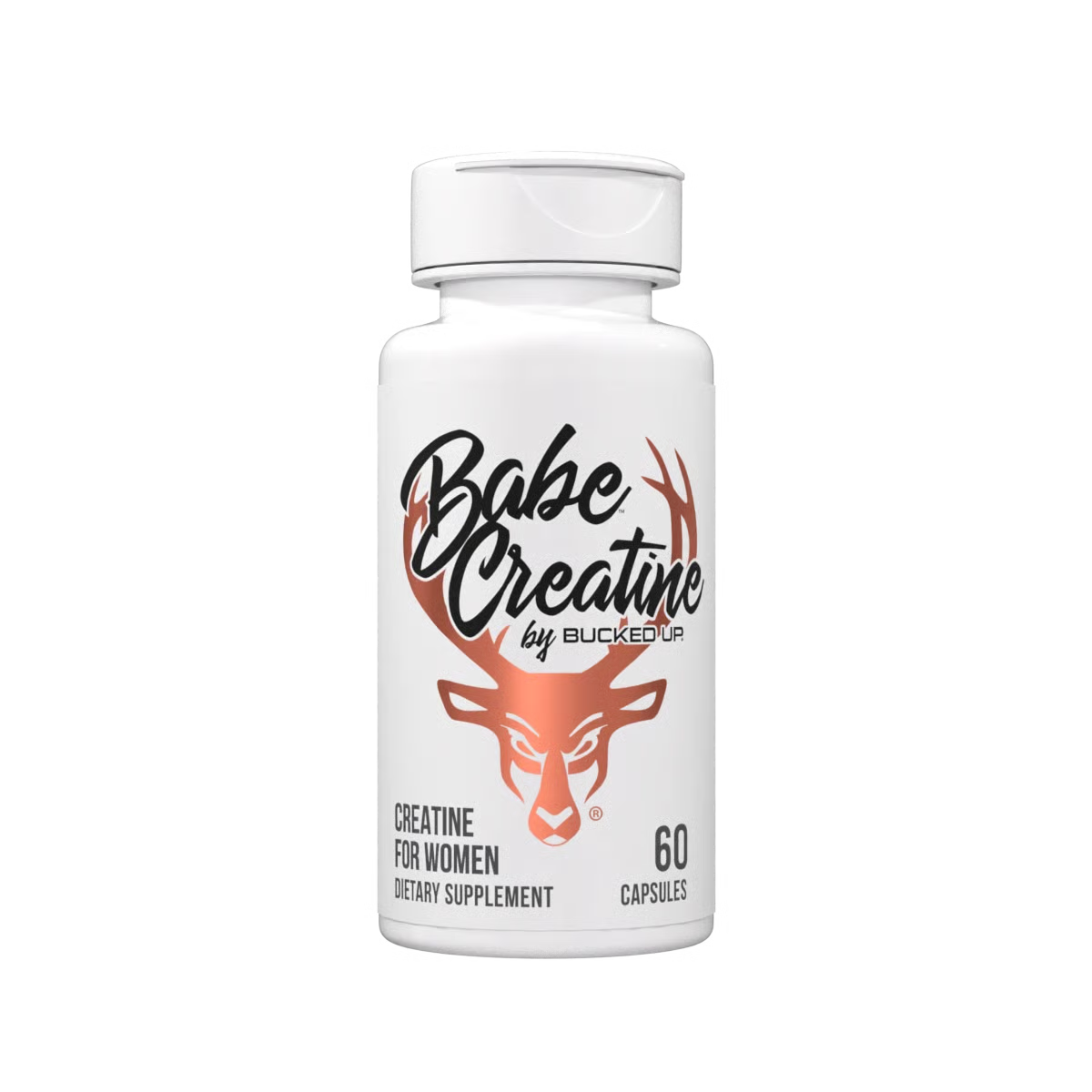
Some women prefer creatine HCl when they want very low bloating potential and easy digestion. Bucked Up Babe Creatine uses CON-CRĒT Creatine HCl, which is designed for efficient absorption in a capsule format, with smaller serving sizes and no mixing required.
Finding An Effective Dose For Women
Most women do well with a simple daily dose of about 3–5 grams of creatine. One short loading phase of 20 grams per day for 5 days increased phase angle, a marker of cellular health and fluid distribution, during both follicular and luteal phases, but loading is not required for results.
Many people prefer a steady 3–5 grams per day taken with a meal or around workouts. Consistency matters more than timing or aggressive loading, especially for anyone watching scale changes or water weight.
Choosing Between Creatine Monohydrate And Creatine HCl
Both creatine monohydrate and creatine HCl can be effective. Standard creatine monohydrate remains the primary recommended form for both men and women because the same preparation works well across sexes.
Creatine monohydrate offers the longest track record for safety and effectiveness. Creatine HCl may appeal to women who want small serving sizes, capsule convenience, or who feel better with lower total powder volume.
|
Feature |
Creatine Monohydrate |
Creatine HCl |
|
Research depth |
Extensive human data |
Growing body of data |
|
Typical dose |
3–5 g per day |
Smaller gram dose due to higher solubility |
|
Water retention perception |
Mostly intracellular, mild |
Very low reported bloating |
|
Bucked Up options |
Pure Creatine, Gummies, Candy |
Babe Creatine, Creatine HCl Capsules |
Compare Bucked Up Creatine formats to match your dosing and convenience preferences.
Frequently Asked Questions
Can creatine cause weight gain in women?
Creatine may lead to a small increase on the scale because muscles store more water inside the cells. This shift supports strength and performance and does not represent fat gain. When combined with resistance training, creatine tends to support lean mass and favorable body composition.
Will creatine make women look bulky or masculine?
Creatine does not change hormones and does not cause masculinizing effects. It supports better training performance, which can lead to stronger muscles and a more athletic look. Final physique changes still depend on training style, nutrition, and total activity.
Should women take creatine on rest days?
Daily intake helps keep muscle creatine stores consistently elevated. Continuing your usual dose on rest days supports ongoing performance, recovery, and potential cognitive benefits, so your next training session starts from a full tank.
Conclusion: Using Creatine To Support Women’s Training In 2026
Creatine has a strong safety profile and a large body of data supporting its use for strength, power, recovery, and cognition in women*. It can play a useful role through different training phases and life stages, from regular cycle fluctuations to postmenopause.
Bucked Up offers creatine powders, capsules, and gummies so women can choose the format that best fits their routine and comfort. Consistent, moderate daily dosing can help unlock many of creatine’s benefits while keeping the process simple.
Shop Bucked Up Creatine to find a product that matches your goals and routine.
*Disclaimer: These statements have not been evaluated by the Food and Drug Administration. This product is not intended to diagnose, treat, cure, or prevent any disease.