Written by: Ryan Gardner, Owner, Managing Partner, CEO, Bucked Up | Last updated: April 17, 2026
Key Takeaways
- High-purity fruit punch creatine powders that meet Creapure or ICON standards (99.9%+) help limit contamination and reduce bloating.1
- Creatine monohydrate has the most research behind strength and muscle gains, while creatine HCl offers higher solubility and smaller serving sizes.1
- Micronized creatine mixes more easily, which supports a smoother fruit punch flavor without a gritty texture.
- Top 2026 options include Bucked Up, Transparent Labs, and Kaged, with verification from NSF Sport or Informed Sport certifications.
- Experience NSF-certified, micronized creatine monohydrate in fruit punch with Bucked Up Pure Creatine for peak performance. Verify certifications and order here.1
Creatine Purity Standards and Types in Fruit Punch Powders
Modern creatine purity standards now reach very high levels. ICON sets strict purity requirements with per-lot testing, and Creapure maintains 99.9%+ purity through batch-specific testing. These benchmarks help limit synthesis byproducts like dicyandiamide and dihydrotriazine that can contribute to gastrointestinal discomfort.1 Micronization then breaks creatine into finer particles, which improves solubility and mixability in fruit punch formulas.
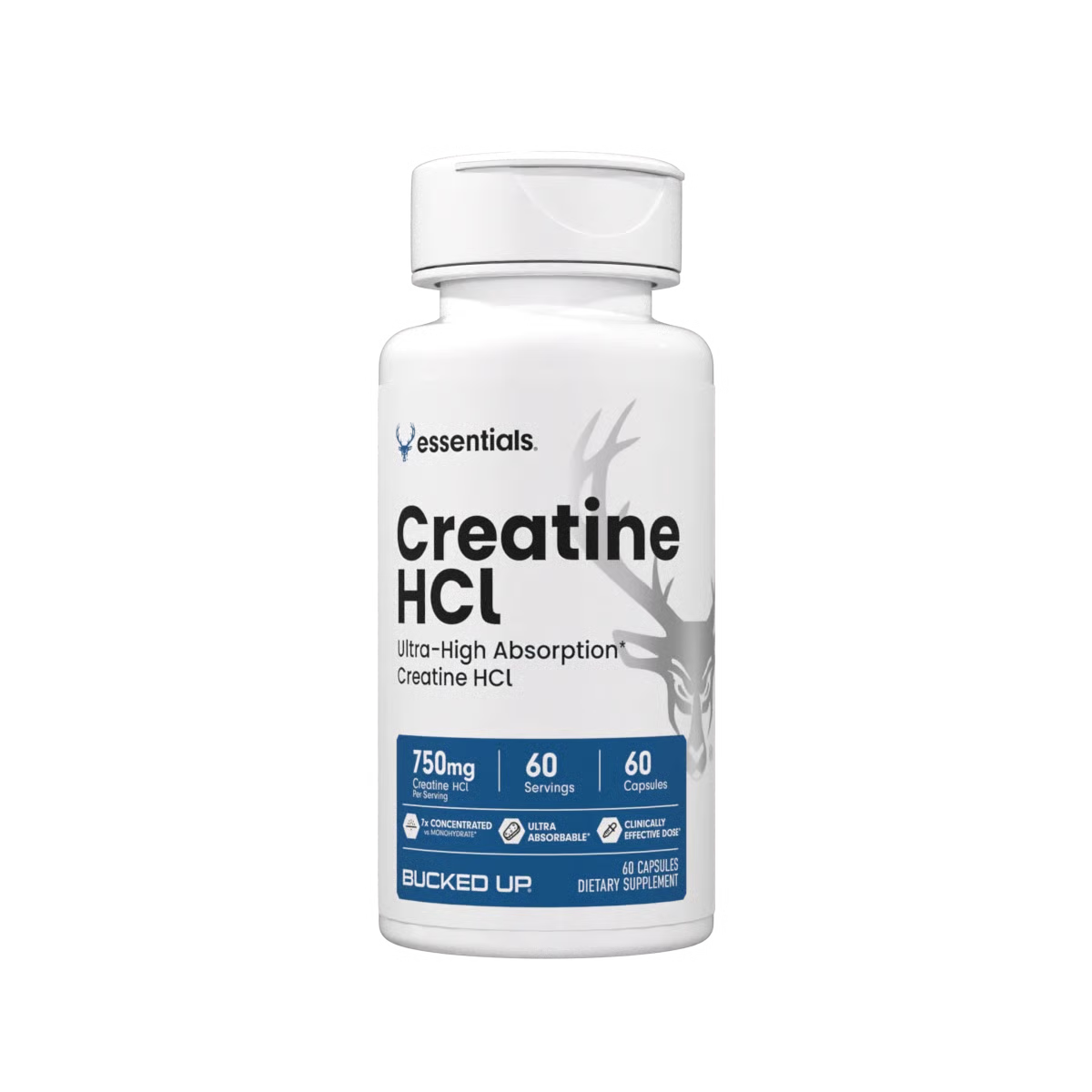
Creatine monohydrate remains the gold standard, with over 500 peer-reviewed studies supporting its efficacy at 5-gram daily doses for strength, power, and muscle mass gains.1 Creatine HCl provides significantly higher water solubility than monohydrate. This higher solubility supports smaller daily servings of about 1 to 2 grams.1 Direct comparative studies, however, show similar outcomes when the actual creatine content is matched between forms. The following comparison highlights the main trade-offs between monohydrate, HCl, and blends so you can align your choice with your priorities.
| Type | Pros | Cons | Best For |
|---|---|---|---|
| Monohydrate | Extensively researched, about 99.8% pure creatine, proven efficacy | Lower solubility, potential bloating during loading phases | Strength training, muscle building |
| HCl | Much higher solubility, smaller servings, may reduce bloating1 | Less research, about 78% creatine content by mass | Sensitive digestion, convenience |
| Blends | Multiple absorption pathways, potentially enhanced delivery1 | Higher cost, more complex formulations | Experienced users, targeted benefits |
With these purity standards and creatine type trade-offs in mind, the following options represent fruit punch formulations that use transparent labeling and emphasize quality testing.
7 Fruit Punch Flavored Creatine Powders for 2026 Purity and Performance
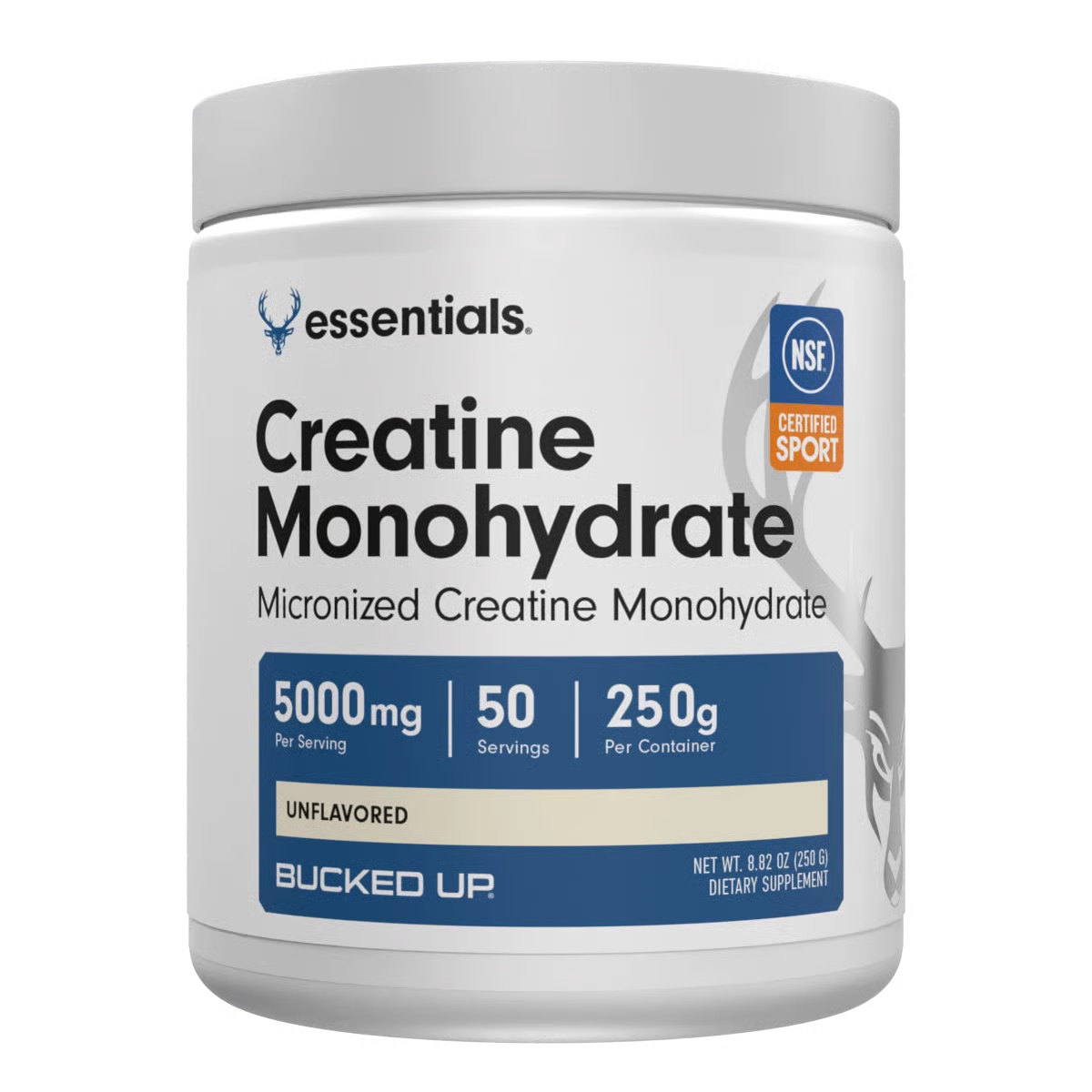
Bucked Up Pure Creatine Fruit Punch
This option delivers 5 grams of micronized creatine monohydrate per serving. Check the label for NSF, GMP, and the NSF Sport certification mentioned earlier. Pay attention to mixability and flavor quality when you evaluate it.
Transparent Labs Creatine HMB Fruit Punch
This formula features 5 grams creatine monohydrate plus 1.5 grams HMB. Check for third-party testing on the product label and note how easily it mixes in water.
Kaged Creatine Fruit Punch
This product utilizes Creapure creatine monohydrate. Verify Informed Sport certification on the label and test both solubility and taste in your usual shaker bottle.
Nutricost Creatine Monohydrate Fruit Punch
This budget-conscious option provides 5 grams micronized creatine monohydrate. Confirm third-party testing via the label and assess how smoothly it mixes.
BPI Sports Best Creatine Fruit Punch
This blend combines several creatine forms, including monohydrate and HCl. Review the label for details on the blend and any available testing information.
RAW Nutrition Creatine Fruit Punch
This option features 5 grams creatine monohydrate with natural flavoring. Check the label for certifications and then test how well it mixes and tastes in your preferred liquid.
Nutrex Research Creatine Drive Fruit Punch
This product offers a straightforward creatine monohydrate formula. Evaluate the label for any third-party testing, solubility notes, and flavor consistency claims.
When you compare these options, focus on certification type, which affects contamination screening, and whether solubility or micronization details appear on the label. These two factors influence both purity confidence and your day-to-day mixing experience.
| Brand | Purity Certification | Solubility | Price per Serving |
|---|---|---|---|
| Bucked Up | NSF Sport | Check label | Verify on site |
| Transparent Labs | Third-party tested | Check label | Verify on site |
| Kaged | Informed Sport | Check label | Verify on site |
| Nutricost | Third-party tested | Check label | Verify on site |
Among these options, Bucked Up Pure Creatine Fruit Punch combines the purity benchmarks and micronization discussed earlier with verified third-party testing. The next section shows how those elements work together in practice.
Why Bucked Up Pure Creatine Fruit Punch Can Stand Out for Purity and Taste
Bucked Up Pure Creatine Fruit Punch reaches the 99.8% purity threshold discussed earlier through NSF Sport certification, which you can verify on the product label. This level of purity supports a micronized formulation that can dissolve thoroughly in water, which may create a smoother fruit punch experience without the chalky or sandy feel some powders produce. To see how this compares to your current creatine, test mixability and flavor side by side with another brand. User testimonials can also help you gauge palatability and perceived effectiveness across different training styles.
To compare Bucked Up’s micronized formulation against other options or to explore additional creatine formats, visit Bucked Up’s creatine product range and evaluate which format aligns with your training priorities.
No-Bloat Tips and Daily Use for Fruit Punch Creatine
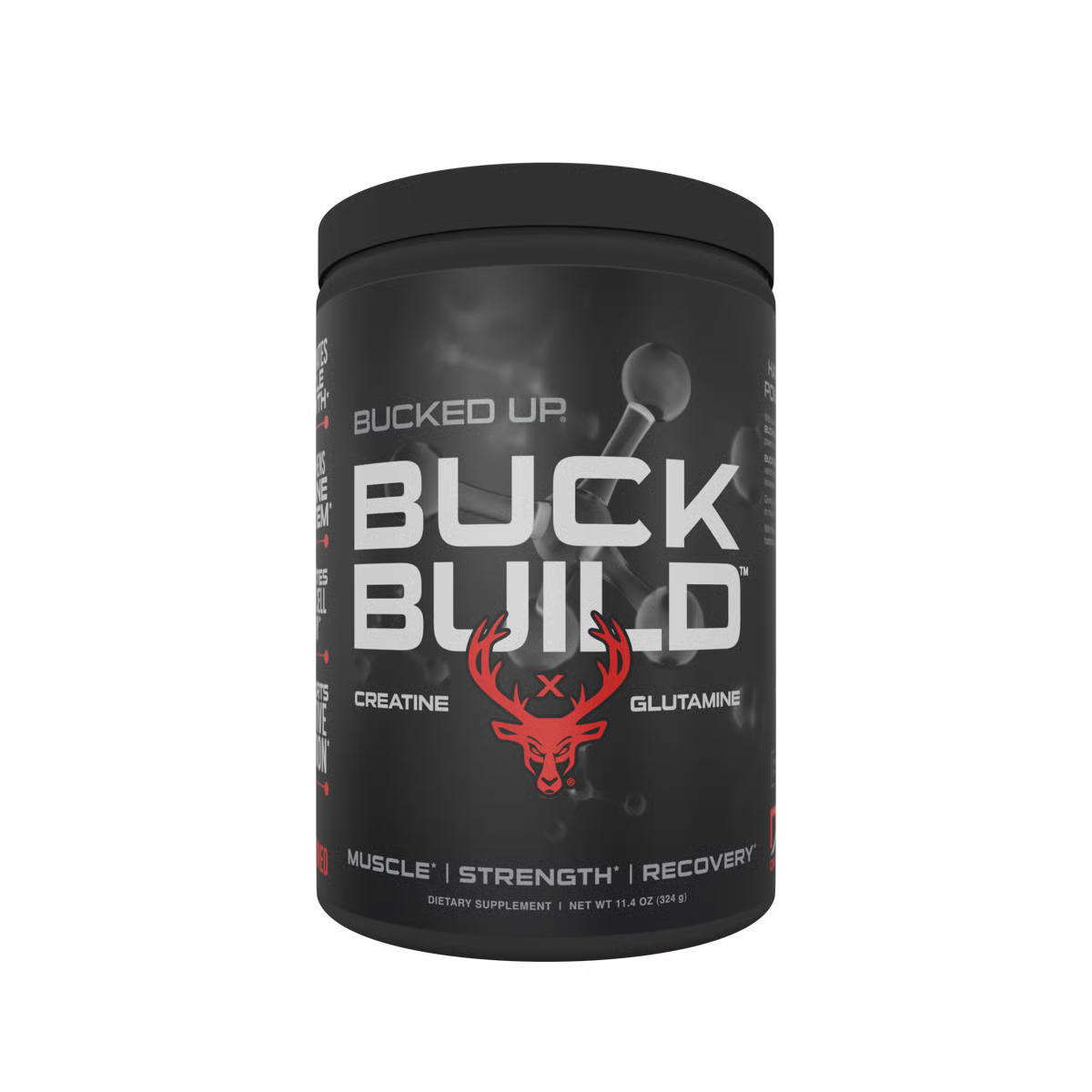
Take the standard 5-gram dose daily and consistently, including rest days, so your muscles stay saturated with creatine.1 Because creatine pulls water into muscle cells, consume 80 to 100 ounces of water throughout the day to support hydration and reduce the chance of digestive discomfort.1 Post-workout timing can slightly enhance uptake, yet long-term consistency matters more than the exact time of day.1 After you establish a steady routine, consider stacking with other Bucked Up products like Buck Build or creatine gummies to support broader performance goals.1
Frequently Asked Questions
What is the purest creatine brand available?
Creatine brands can reach 99.8 to 99.9% purity when they follow strict manufacturing and testing protocols. Look for third-party certifications such as NSF Certified for Sport or Informed Choice that verify purity levels and screen for contaminants, banned substances, and heavy metals. Check product labels for specific claims, including Creapure-sourced options at 99.9%+.
Should I choose creatine monohydrate or HCl?
Creatine monohydrate offers the most extensive research base, with proven benefits for strength, power, and muscle gains at 5-gram daily doses.1 Creatine HCl provides higher solubility and may reduce bloating for people with sensitive digestion, although it contains only 78% creatine by mass compared to monohydrate’s approximately 88% creatine by mass.1 Both forms show similar performance outcomes when matched for actual creatine content.
Are creatine pills better than powder?
Creatine powder usually mixes well with beverages and can be more enjoyable to drink, especially in fruit punch flavors. Pills offer convenience and remove taste concerns, although they may dissolve more slowly in the stomach. Powder forms also allow easier dose adjustments and often provide a lower cost per serving.
Should I take creatine on rest days?
Daily creatine intake, including rest days, helps maintain the muscle saturation levels needed for consistent performance benefits.1 Steady supplementation keeps muscles supplied with creatine phosphate, which supports better training sessions and recovery even when you are not lifting or doing intense cardio.1
Can I take creatine before bedtime?
Creatine contains no stimulants, so you can take it at any time of day, including before sleep. The timing of creatine intake has minimal impact on results because benefits come from ongoing muscle saturation rather than precise timing around workouts.1
How much water should I drink with creatine?
Aim for 80 to 100 ounces of water per day when you use creatine to support hydration and normal cellular function.1 Take your creatine serving with about 8 to 12 ounces of water so the powder dissolves fully and can be absorbed effectively.
Conclusion
Choosing a fruit punch flavored creatine powder works best when you prioritize certified purity, proven creatine types, and smooth mixability for consistent performance support.1 Consider Bucked Up Pure Creatine Fruit Punch for its NSF-certified purity, micronized monohydrate, and fruit punch taste profile. Order here to test how certified purity and micronization affect your training and recovery.1
1 The content provided in this article is for informational purposes only and is not medical advice. Consult with a medical professional before implementing any changes to your diet, health, or exercise routines.
Individual results will vary and are based on a combination of each individual’s diet, exercise, age, and health circumstances.
These statements have not been evaluated by the Food and Drug Administration. This product is not intended to diagnose, treat, cure or prevent any disease.
This article was written by Ryan Gardner, CEO of Bucked Up. As the maker of Bucked Up Creatine, we have a financial interest in this information. The views expressed are our own and should be read with that context in mind