Written by: Ryan Gardner, Owner, Managing Partner, CEO, Bucked Up | Last updated: April 17, 2026
Key Takeaways: Creatine for Athlete Mental Performance
- Creatine monohydrate can improve cognitive performance, attention, and processing speed for athletes under training-induced stress.1
- Mental fatigue from intense exercise drains brain energy, which reduces power output, slows reactions, and creates lingering brain fog.
- Creatine supports brain ATP regeneration through the phosphocreatine system, giving your brain backup energy during high-demand situations.1
- Research links creatine to preserved cognitive function during sleep deprivation, exercise, and metabolic stress, along with better focus and less soreness.1
- Boost your mental edge with Bucked Up’s creatine lineup.1 Browse creatine options for your training goals.
Athlete Brain Fog: How Low Brain Energy Hurts Performance
Mental fatigue during intense training acts as a performance limiter, not just a feeling of tiredness. When your brain runs low on energy during high-intensity exercise, you lose the sharpness that supports fast reactions and smart decisions. This drop in brain power shows up as slower processing speed, shorter attention span, and stubborn brain fog that can linger after your workout.
The strain increases when you stack multiple training sessions, competitions, or nights of poor sleep. Your brain uses about 20% of your body’s total energy while making up only about 2% of your body weight. This heavy demand hits the prefrontal cortex hardest, which manages focus, decision-making, and working memory.
Why Mental Fatigue Lowers Your Physical Output
Mental fatigue directly reduces physical performance. When your brain lacks energy, power output drops, reaction times slow, and form often breaks down. You may complete fewer reps, struggle to hold training intensity, and need longer rest between sets. Over time, this pattern can stall progress and create plateaus unless you address the brain’s energy shortfall.
Creatine and Brain Energy: How ATP Support Helps Under Stress
Creatine supports rapid regeneration of adenosine triphosphate (ATP), your body’s main energy currency.1 Most athletes associate creatine with muscle performance, but the same phosphocreatine system that powers your muscles also fuels your brain. Supplementation gives your brain an extra energy reserve that can step in during intense training or competition.1
Discover how Bucked Up’s creatine products support your brain’s energy system. Shop now
Cognitive Support Under Stress for Athletes
Research increasingly supports creatine’s role in protecting cognitive performance under athletic stress. Recent research found that creatine monohydrate supplementation improved performance on attention and processing speed tests.1 Participants showed better attention, faster processing, and stronger vigilance immediately after high-intensity intermittent exercise.
Additional research reinforces these findings across several stressful conditions:
- A 2024 Nature study reported that high-dose creatine preserved complex cognitive function during acute sleep deprivation, while placebo groups showed clear declines.1
- A 2024 meta-analysis of 16 trials with nearly 500 participants found significant improvements in memory, attention, and processing speed, especially under metabolic stress.1
- Research links creatine to better cognitive processing during sleep deprivation, exercise, and hypoxia.1
These findings translate into practical benefits that athletes can feel in daily training and competition.
Does Creatine Increase Mental Clarity? Real-World Athlete Benefits
The cognitive improvements seen in research show up in training as specific, useful benefits. The attention and processing speed gains documented in studies can help you maintain form during late-set fatigue, make faster decisions under pressure, and keep intensity high when your body wants to shut down.1
- Enhanced focus during late-set training: Ability to stay locked in and hold technique as muscles fatigue.1
- Faster decision-making: Quicker reactions and processing during high-pressure situations such as competition or scrimmage.1
- Reduced brain fog: Clearer thinking during and after intense sessions, with less mental “hangover.”1
- Better training consistency: Enough mental energy to sustain effort across the full workout.
The same 2025 study that reported cognitive improvements also found better subjective sleep quality and reduced muscle soreness with creatine.1 Together, these effects support both mental and physical recovery between sessions.
Bucked Up Creatine Formats Built Around Athlete Schedules
Bucked Up offers several creatine formats that fit different training styles and preferences. Pure Creatine provides 5g of micronized creatine monohydrate in flavors like Blue Raspberry and Mango Pineapple, which can make daily use easier to stick with.
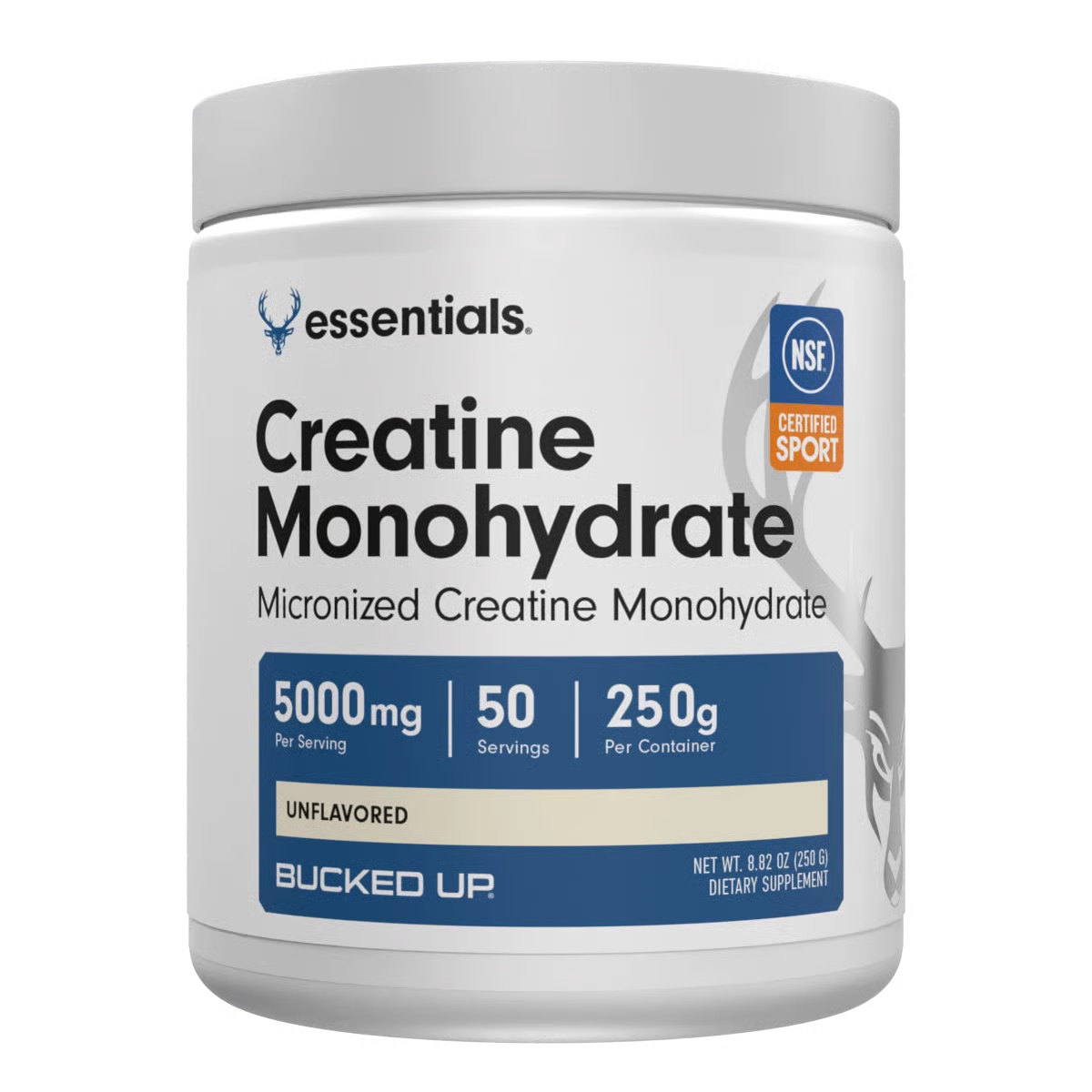
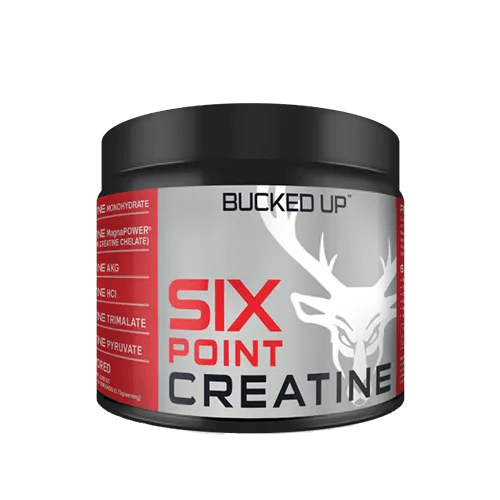
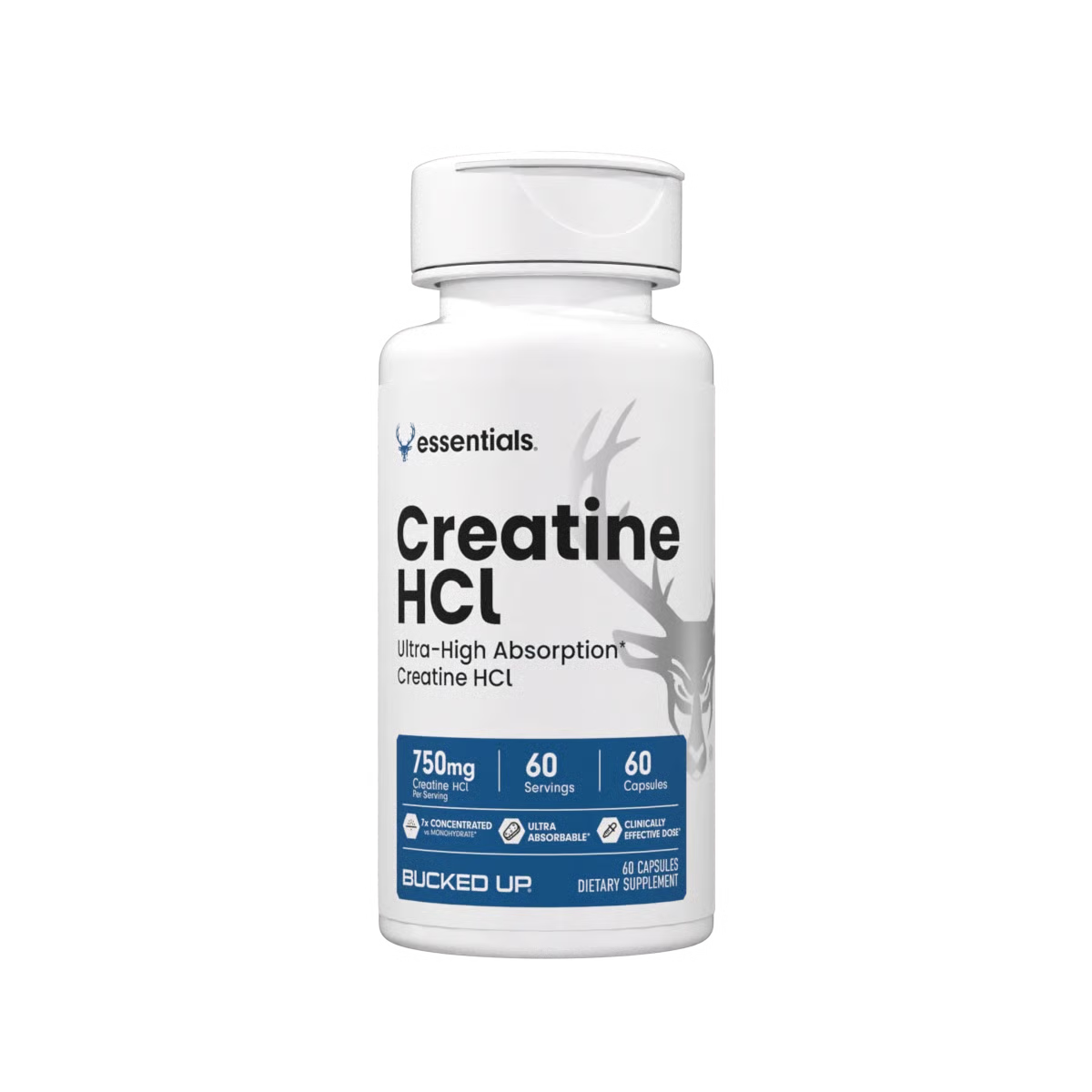
For athletes who want broader uptake, Six Point Creatine combines six different creatine forms to support enhanced absorption profiles.1 If you prefer to skip mixing powders, Bucked Up’s HCl capsules and Babe Creatine offer precise dosing and can reduce bloating for athletes who are sensitive to traditional powders.1
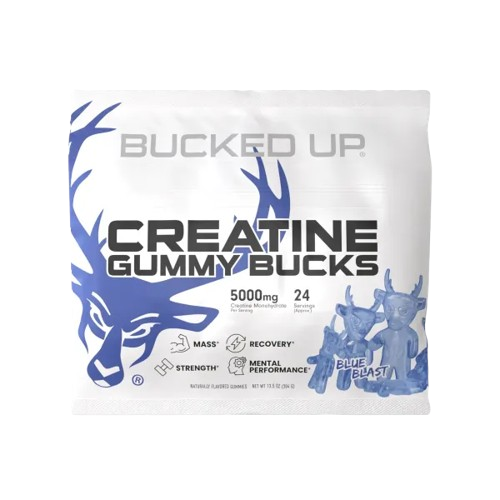
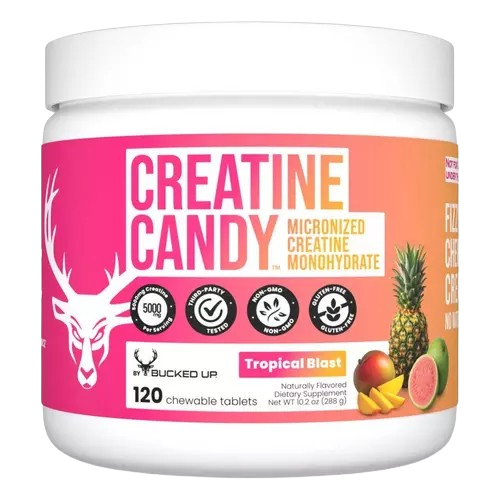
For maximum convenience on the go, Creatine Gummies and Creatine Candy provide portable, flavored options that remove mixing and measuring. These formats work well for pre-training mental preparation or post-workout recovery when you need something quick.
Find the creatine format that fits your training schedule. Explore Bucked Up’s full range
Busting Myths: Common Creatine Concerns for Athletes
Many athletes still avoid creatine because of older reports of bloating. Modern options such as creatine HCl can address this concern through improved solubility and absorption. Another common belief suggests creatine is unnecessary on rest days, yet research indicates that consistent daily dosing keeps muscle and brain creatine levels saturated.
Some athletes question whether brain benefits come from placebo effects alone. However, studies show that creatine supplementation increases brain creatine concentrations.1 Proper hydration supports this process, so aim for about 80–100oz of water each day to help cellular function and comfort.
Optimal Dosing Protocols for Mental Clarity: 5–10g Daily
Research supports either a loading protocol of 20g daily for 5–7 days followed by 3–5g maintenance, or a steady 5g daily for about 4 weeks to reach muscle and brain saturation. For optimal cognitive benefits, take your daily dose at roughly the same time each day to keep brain creatine levels steady.1
Look for products with 99.8% purity and third-party certifications such as NSF. Bucked Up manufactures in NSF Certified facilities, which supports quality and safety for competitive athletes.
How to Add Creatine for Better Focus in Training
Many athletes start with Bucked Up’s Pure Creatine after workouts or use Six Point Creatine around training sessions for broad support. For a grab-and-go option, Creatine Gummies can work well before training to support mental preparation, while Creatine Candy can help maintain saturation on rest days.
Consistency matters more than exact timing. Choose a routine that fits your schedule so you can stay consistent over months, not just weeks.
Start building your mental edge today with Bucked Up creatine. Shop the collection
FAQ: Creatine for Athlete Brain Gains
Does creatine improve focus for athletes?
Creatine can improve focus and cognitive performance for athletes, especially under training stress.1 Research links creatine supplementation to better attention, faster processing speed, and sharper decision-making by supporting brain ATP regeneration. These effects often appear during high-intensity exercise when mental energy demands peak.
What is an effective dose for brain benefits?
For cognitive support, many athletes use 5–10g daily of creatine monohydrate. You can follow a loading protocol of 20g daily for 5–7 days followed by about 5g for maintenance. You can also start with 5g daily and allow a few weeks for saturation. Higher doses may speed up saturation but are not required for most athletes.
Should I take creatine on rest days for mental clarity?
Daily creatine use helps maintain brain and muscle creatine stores, which supports cognitive function even on non-training days.1 Consistency plays a key role in sustained mental clarity because creatine works by building and maintaining tissue levels over time.
Do pills work better than powder for reducing brain fog?
Both capsules and powders can support brain benefits when dosed correctly.1 Bucked Up’s HCl capsules offer convenient, precise dosing and can reduce bloating for some athletes. Powders allow flexible timing and easy mixing with other supplements. Choose the format that fits your routine and digestion.
Will creatine cause bloating that affects my performance?
Modern creatine formats such as Bucked Up’s HCl products and Creatine Gummies are designed to minimize bloating through improved solubility and absorption.1 Drinking about 80–100oz of water daily further supports comfortable water balance and cellular function.
Conclusion: Use Creatine to Support Your Mental Edge
Creatine supports focus and mental clarity for athletes by helping the brain regenerate ATP under stress.1 From sharper attention during late-set training to quicker decisions in competition, creatine can provide a meaningful cognitive boost alongside its physical benefits. Bucked Up’s variety of formats makes consistent supplementation more practical for different training styles.
Ready to enhance your cognitive performance? Browse Bucked Up’s creatine products now
1 The content provided in this article is for informational purposes only and is not medical advice. Consult with a medical professional before implementing any changes to your diet, health, or exercise routines.
Individual results will vary and are based on a combination of each individual’s diet, exercise, age, and health circumstances.
These statements have not been evaluated by the Food and Drug Administration. This product is not intended to diagnose, treat, cure or prevent any disease.
This article was written by Ryan Gardner, CEO of Bucked Up. As the maker of Bucked Up Creatine, we have a financial interest in this information. The views expressed are our own and should be read with that context in mind