Written by: Ryan Gardner, Owner, Managing Partner, CEO, Bucked Up | Last updated: April 17, 2026
Key Takeaways
- Creatine monohydrate has the strongest research foundation of any creatine form for strength, muscle growth, and cognitive support.1
- It consistently outperforms alternatives like HCL and ethyl ester in research depth, cost per effective dose, and documented results.1
- Micronized monohydrate mixes more smoothly, improves solubility, and typically costs about $0.10–$0.91 per 5g serving.1
- Concerns about bloating and kidney health can be managed with smart dosing, solid hydration habits, and high-purity products.1
- Choose Bucked Up’s Pure Creatine for NSF-certified, micronized monohydrate available in flavored powder and convenient gummy formats.
Why Creatine Monohydrate Stands Out for Most Lifters
Creatine monohydrate offers a rare combination of strong research support, practical dosing, and approachable cost. Over 1,000 studies support its ability to increase muscle phosphocreatine stores, strength, and power output, and recent meta-analyses confirm its performance benefits.1 This depth of research means you are choosing a form with documented results instead of relying on marketing claims.
Beyond effectiveness, the micronized form of creatine monohydrate improves the day-to-day experience. Smaller particles increase bioavailability, mix more easily, and reduce the gritty texture that turns many people off standard powders.1 These performance and usability advantages come at about $0.10 per 5g serving for value-focused creatine monohydrate, which often undercuts newer forms that cost more per effective dose.
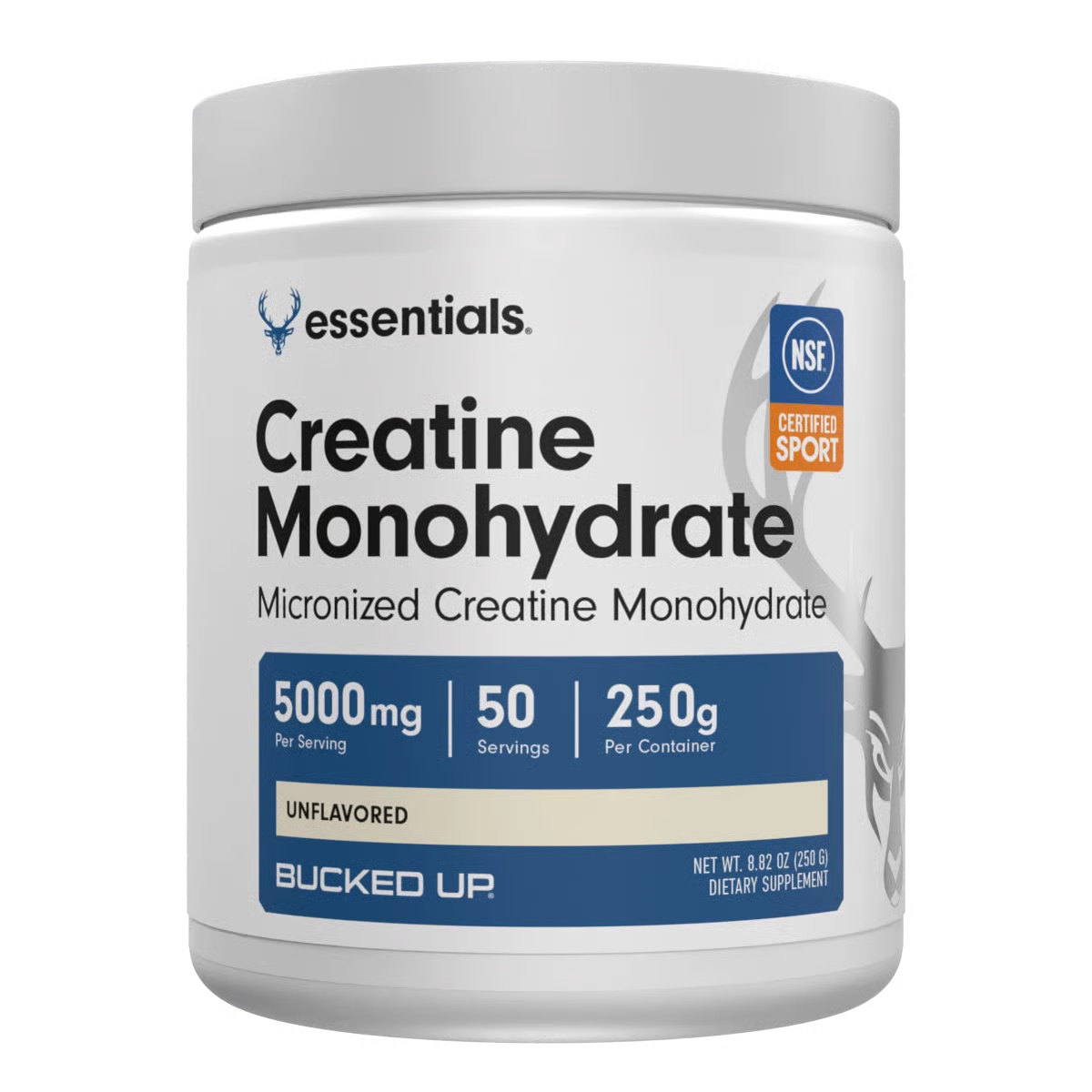
Bucked Up’s Pure Creatine provides 5 grams of micronized creatine monohydrate per serving and is manufactured in NSF-certified facilities for verified purity and safety.1 The Blue Raspberry flavor turns a typically chalky supplement into something you can actually look forward to drinking each day.
Creatine Monohydrate vs Other Types: Clear, Practical Differences
Different creatine forms vary in research support, dosing needs, and cost per serving. The table below highlights how major creatine variants compare on these practical metrics.
| Creatine Type | Research Depth (Studies) | Dosing/Cost per Serving | Bucked Up Product | Key Consideration |
|---|---|---|---|---|
| Monohydrate | 1000+ studies | 5g / $0.91 | Pure Creatine, Creatine Gummies | Micronized for smoother mixing and consistent, research-backed dosing |
| HCL | Few studies | 1–2g / $0.20+ | CON-CRET HCL, Babe Creatine | Higher solubility, may feel easier on digestion for some users1 |
| Ethyl Ester | Inferior performance | 5g / higher | None | Controlled trials show poorer uptake and results vs monohydrate1 |
| Malate | Limited | 3–5g / mid | Six Point | Often positioned for endurance support, but lacks robust data |
| Gluconate | Limited | Varies / higher | Six Point | Marketed for improved solubility, with minimal independent research |
| Anhydrous | Limited | 3–5g / mid | Six Point | More concentrated form, but without the same research volume as monohydrate |
Creatine monohydrate stands out for its combination of strong research volume and approachable cost. Creatine ethyl ester performs worse than monohydrate in controlled trials, and many alternative forms still lack extensive safety and efficacy data.
Creatine HCL vs Monohydrate: When HCL Fits Better
Creatine HCL can work well for people who experience digestive discomfort with standard monohydrate. Its higher water solubility allows for smaller daily doses, usually 1–2 grams, and some users report less bloating or stomach upset.1 Recent studies show similar effectiveness between HCL and monohydrate for strength and body composition improvements1, although HCL typically costs more per serving.
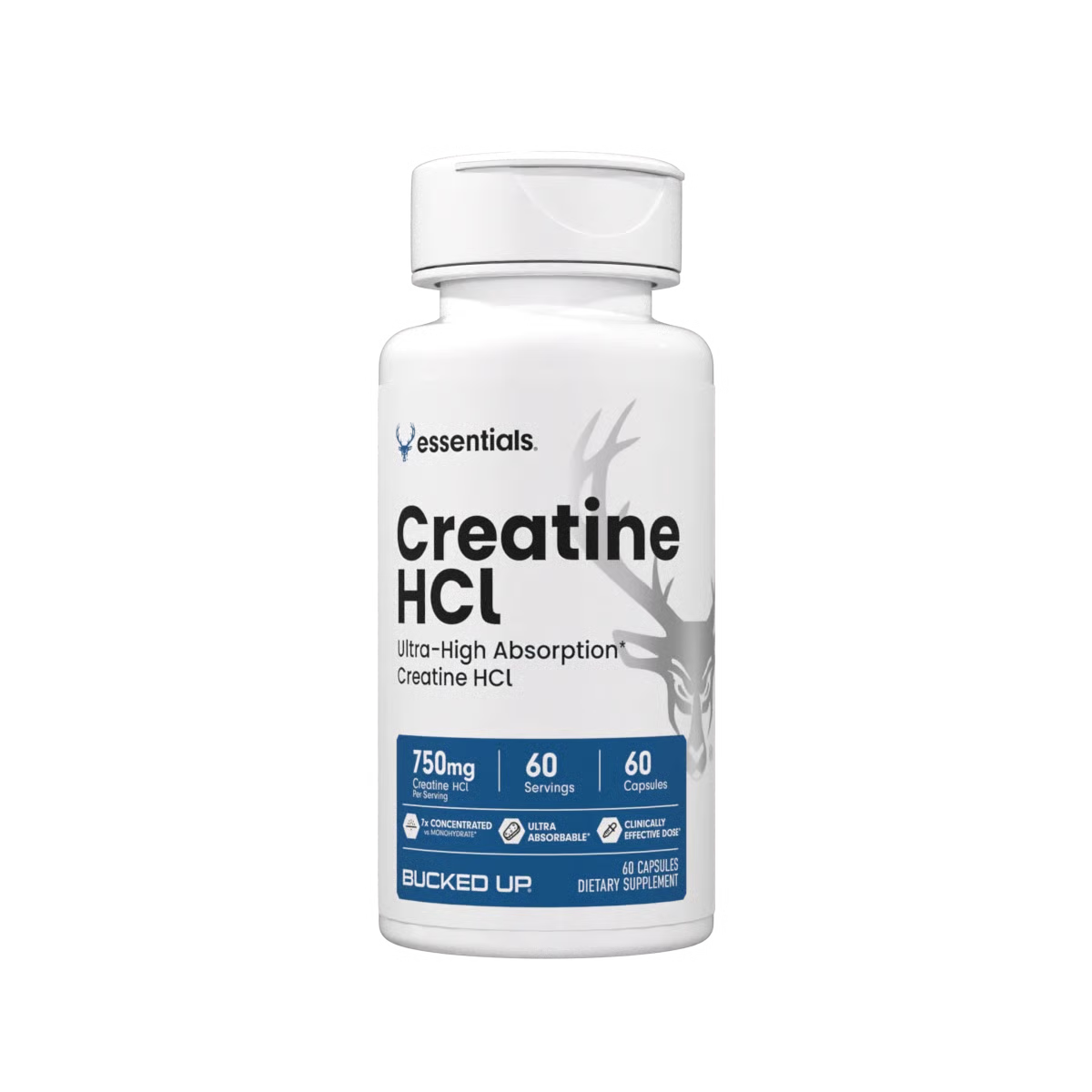
Bucked Up serves this specific need with CON-CRET HCL capsules and Babe Creatine, which are designed for convenience and digestive comfort. Each capsule provides 750 mg of CON-CRET creatine HCL, making it easy to adjust your dose based on body weight and training demands.
Bucked Up Blends and Formats for Different Training Goals
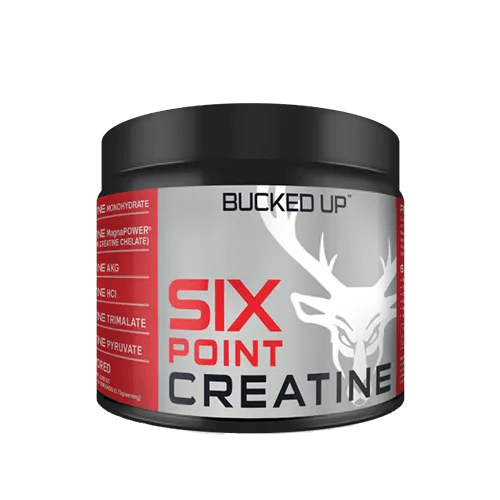
Bucked Up offers several creatine-based formulas that target distinct performance goals and preferences. Six Point Creatine combines six creatine forms, including 2.5 grams of monohydrate plus HCL, gluconate, anhydrous, tri-creatine malate, ethyl ester HCl, and di-creatine malate to create varied absorption profiles.1 Buck Build pairs creatine with L-glutamine to support recovery1, while All Bulk No Bloat combines 5 grams of monohydrate with HMB and other muscle-support ingredients for lifters focused on adding size with less perceived water retention.1
For people who prefer to skip powders, Bucked Up provides alternative ways to take research-backed monohydrate. Creatine Gummies deliver 5 grams of creatine monohydrate in flavors like Tropic Thunder, which can feel more like a treat than a supplement. Creatine Candy offers another option that dissolves in your mouth with a light fizzy sensation, so you can get your daily creatine without a shaker bottle.
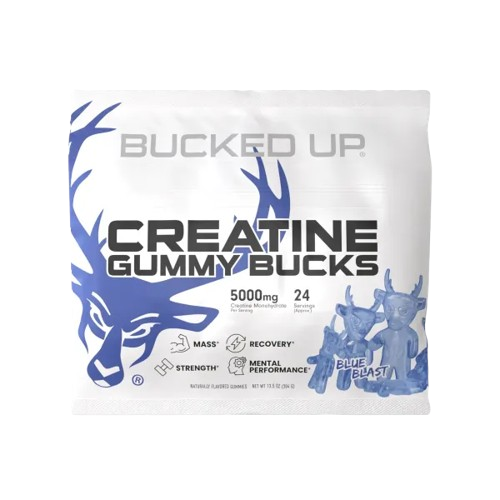
These formats keep the proven monohydrate form while removing the need for mixing, scoops, or large drinks. Explore Bucked Up’s full range of creatine formats to find the delivery method that fits your routine.
Creatine Myths, Bloating, and Kidney Concerns
Most weight gain from creatine comes from increased muscle hydration and added lean mass, not fat. Typical increases reflect improved muscle water content and lean tissue growth, which support strength and performance.1 This shift in body weight usually reflects more functional muscle, not unwanted fat gain.
Kidney concerns often stem from confusion between creatine and creatinine on lab tests. A 2025 review confirms creatine monohydrate safety for healthy individuals1, and notes that higher creatinine can simply reflect greater creatine turnover rather than kidney damage.
You can reduce bloating risk by using a moderate daily dose of 3–5 grams, spreading intake if needed, and drinking about 80–100 ounces of water per day.1 Choosing micronized monohydrate or creatine HCL can also help people who feel sensitive to standard powders. Bucked Up’s micronized Pure Creatine and HCL options support these strategies while still delivering effective creatine levels.1
Choosing the Right Bucked Up Creatine for Your Goals
Competitive athletes and serious lifters often gravitate toward Pure Creatine or Six Point when they want research-backed performance support1 and flexible stacking with other supplements. Health-conscious users who value simplicity may prefer Creatine Gummies or Creatine Candy, which make daily creatine intake feel more like a quick snack than a mixed drink. People who frequently experience digestive discomfort can look at Creatine HCL or Babe Creatine for a potentially gentler option.
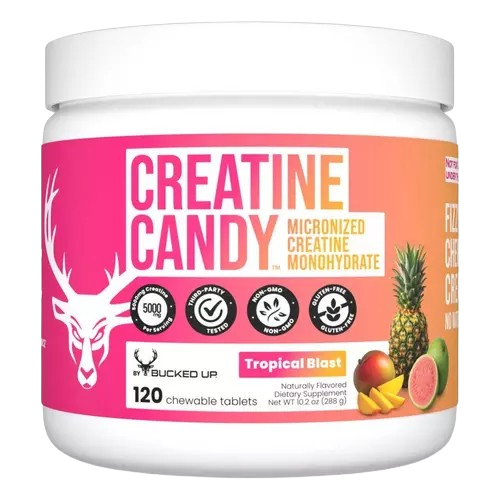
Across these choices, all Bucked Up creatine products follow the same focus on quality, purity, and third-party testing, so you can select based on format, flavor, and personal tolerance rather than worrying about inconsistent standards.
Frequently Asked Questions
Is creatine monohydrate the best form of creatine?
Creatine monohydrate is widely considered the gold standard because of its extensive research base, consistent effectiveness, and relatively low cost. The large body of studies referenced earlier supports its safety and benefits for strength, muscle growth, and cognitive function.1
What is the difference between creatine monohydrate and HCL?
Creatine monohydrate offers the strongest research support and usually the lowest cost per effective dose.1 Creatine HCL dissolves more easily in water and may feel more comfortable for people who experience bloating or stomach upset with standard monohydrate. Both forms raise muscle creatine levels, but HCL typically costs more per serving without clear evidence of superior performance.1
Should I choose capsules or powder for creatine?
Bucked Up provides both capsules and powders so you can match your supplement routine to your lifestyle. Capsules offer grab-and-go convenience and precise dosing without any mixing. Powders usually provide better value per serving and can be combined with pre-workouts, amino acids, or other drinks. Both formats deliver the same creatine molecule and comparable results when dosed correctly.
Does creatine cause weight gain?
Creatine often increases body weight, but that change usually reflects more water inside the muscle and added lean tissue, not extra fat. Many people see a 5–10 pound increase that comes from fuller muscles and improved training performance, which can support long-term strength and physique progress.1
Is creatine safe for long-term use?
Research supports the long-term safety of creatine monohydrate supplementation in healthy people. Studies lasting up to five years report no harmful effects on kidney function, muscle health, or other major body systems when users stay within typical daily doses of 3–5 grams.1
1 The content provided in this article is for informational purposes only and is not medical advice. Consult with a medical professional before implementing any changes to your diet, health, or exercise routines.
Individual results will vary and are based on a combination of each individual’s diet, exercise, age, and health circumstances.
These statements have not been evaluated by the Food and Drug Administration. This product is not intended to diagnose, treat, cure or prevent any disease.
This article was written by Ryan Gardner, CEO of Bucked Up. As the maker of Bucked Up Creatine, we have a financial interest in this information. The views expressed are our own and should be read with that context in mind