
Key Takeaways
- Creatine loading with 20g daily for 5-7 days rapidly saturates brain phosphocreatine stores, improving energy for cognitive tasks faster than standard 3-5g doses.
- Research shows cognitive benefits like enhanced memory, attention, processing speed, and reduced mental fatigue, especially under stress or sleep deprivation.
- Creatine monohydrate is the most researched form for brain penetration; alternatives like blends reduce bloating for better tolerance.
- Proper implementation involves splitting doses with meals, staying hydrated (80-100oz water daily), and transitioning to 3-5g maintenance.
- Side effects like mild bloating are temporary and manageable; get started with Bucked Up’s high-quality creatine options for optimal brain and muscle support by shopping Bucked Up creatine now.
Executive Summary & Framework
This guide explains how creatine loading supports cognitive performance, along with practical protocols and product recommendations. The loading phase quickly saturates brain phosphocreatine stores, which supports ATP regeneration during intense mental work. You will learn how loading works, what the research shows, how to implement it, how to manage side effects, and how Bucked Up creatine products support both brain and muscle performance.
Creatine loading offers clear advantages over standard dosing for cognitive goals. Maintenance doses may take 3-4 weeks to fully saturate tissues, while loading can improve mental clarity and focus within the first week. This faster timeline makes loading especially useful for athletes, students, and professionals who want quicker cognitive support.
Unlock peak mental and physical performance. Explore Bucked Up’s range of creatine products and find the perfect match for your wellness goals. Shop now
Creatine Loading Phase Explained
The creatine loading phase uses 20 grams of creatine per day, usually divided into four 5-gram servings with meals, for 5-7 days. This higher intake rapidly saturates muscle and brain phosphocreatine stores, often reaching maximum levels in about one week. Standard dosing of 3-5 grams daily may require 3-4 weeks to reach similar saturation.
Brain tissue needs higher creatine concentrations to effectively cross the blood-brain barrier. Clinical studies using magnetic resonance spectroscopy demonstrate that creatine supplementation increases brain creatine and phosphocreatine levels, with loading doses showing more pronounced effects. Higher brain energy availability supports better performance during complex mental tasks.
Loading protocols differ from maintenance plans in both speed and intensity. Standard dosing builds tissue stores slowly, while loading creates a rapid energy reserve. Research shows that 7 days of 20-gram daily creatine supplementation improves cognitive performance and reduces mental fatigue in healthy adults. These findings highlight how quickly benefits can appear with a structured loading phase.
Cognitive Benefits & Science
Creatine loading supports brain function by improving ATP regeneration. The brain uses about 20% of the body’s total energy, even though it accounts for only 2% of body weight. Efficient energy production is essential for clear thinking, memory, and focus. Creatine supplementation raises brain phosphocreatine stores, which helps regenerate ATP quickly during demanding cognitive work.
A comprehensive 2024 meta-analysis demonstrates that creatine supplementation significantly improves memory, attention, and processing speed in adults aged 18-60 years. The analysis notes strong benefits for forward number recall, spatial recall, and long-term memory tasks. These gains likely come from better brain energy support during sustained mental effort.
Creatine loading appears especially helpful during stress or sleep loss. Studies indicate that creatine may offset cognitive impairments associated with sleep restriction and mental fatigue. Vegetarians and older adults often have lower baseline creatine levels, so they may see larger cognitive improvements from supplementation.
Research also addresses safety concerns around high-dose creatine. Clinical trials using 20-gram daily doses for cognitive enhancement report no adverse effects, with participants experiencing improved attention, processing speed, and executive function. Creatine also shows a strong safety profile when combined with caffeine, with no evidence of brain damage or cognitive decline when used correctly.
Best Creatine Types for Cognitive Function
Creatine monohydrate remains the most researched and reliable form for cognitive enhancement. Multiple clinical trials using magnetic resonance spectroscopy demonstrate that creatine monohydrate effectively increases brain creatine and phosphocreatine levels, correlating with cognitive improvements. This form consistently shows strong bioavailability and brain penetration across different groups.
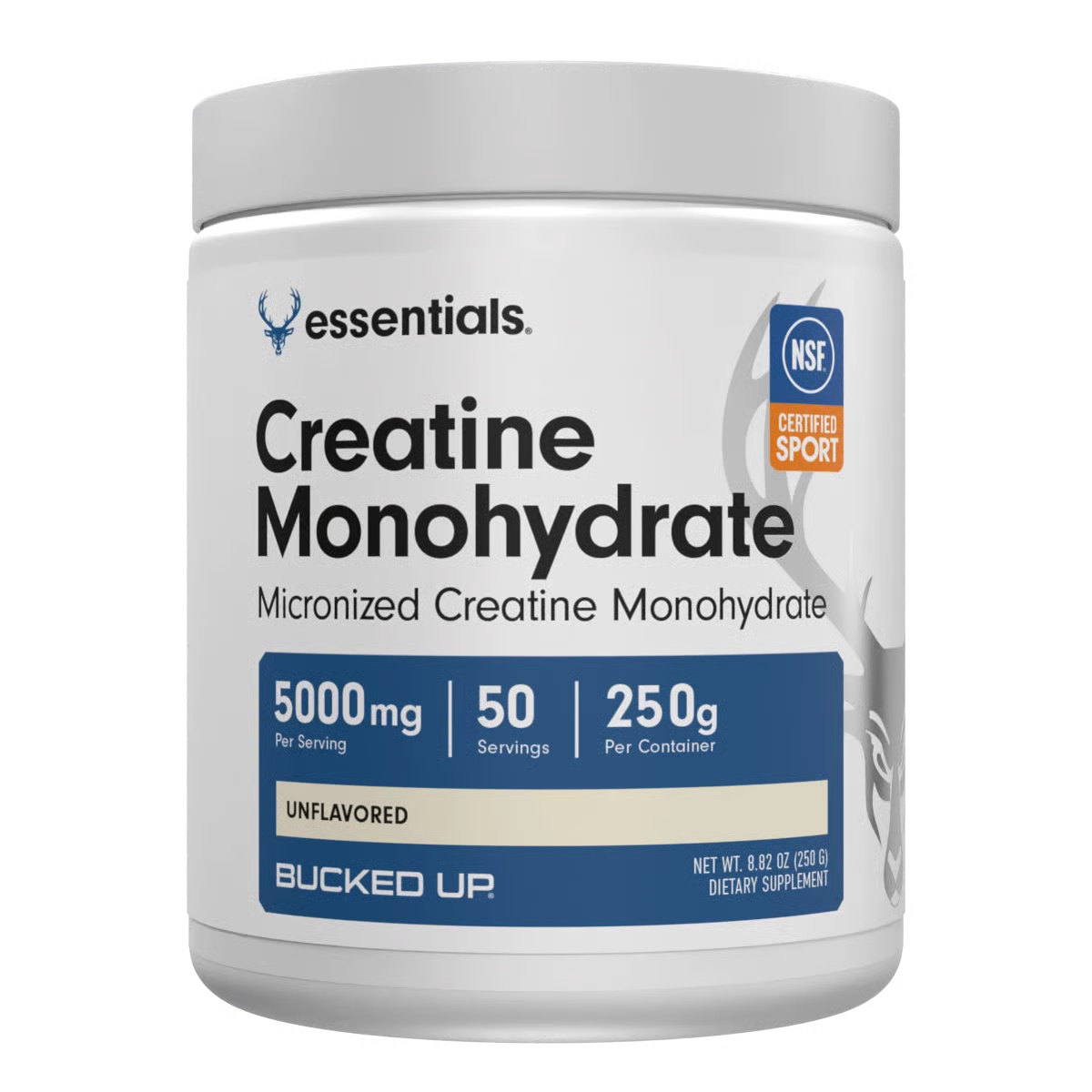
Bucked Up offers creatine formulations designed to support both mental and physical performance. Pure Creatine features micronized creatine monohydrate produced in NSF-certified facilities for potency and safety. The micronized particles dissolve more easily, which can support better absorption and more reliable tissue saturation.
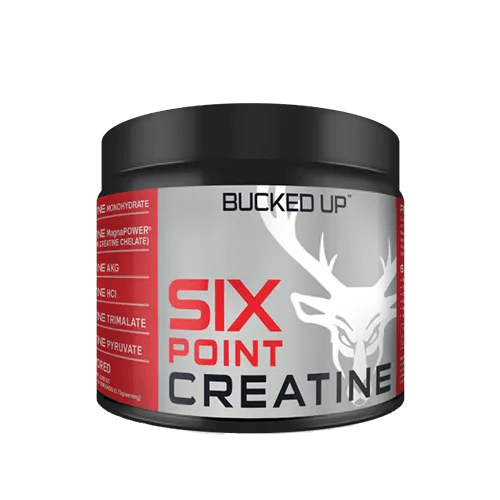
Users who want easier digestion and less bloating may prefer Bucked Up’s Six Point Creatine. This product blends six creatine forms, including creatine monohydrate and creatine HCl, to provide multiple absorption routes and varied release rates. The formula also includes creatine gluconate and tri-creatine malate to improve solubility and reduce gastrointestinal discomfort.
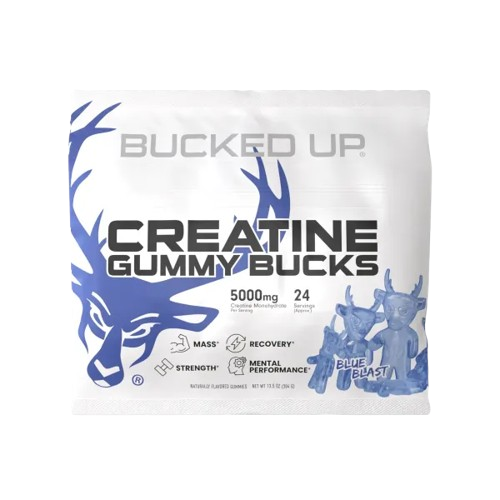
Bucked Up also offers convenient delivery formats to support consistent use. Creatine Gummies and Creatine Candy deliver creatine monohydrate in enjoyable, ready-to-take servings. These options remove the need for mixing powders and measuring scoops, which can make daily adherence much easier.
Unlock peak mental and physical performance. Explore Bucked Up’s range of creatine products and find the perfect match for your wellness goals. Shop now
Implementation Guidance & Protocols
Successful creatine loading starts with a clear plan and consistent hydration. Use 20 grams per day, divided into four 5-gram servings with meals, to reduce stomach discomfort. Space servings 4-6 hours apart to keep blood creatine levels steady. Follow this pattern for 5-7 days, then move to a 3-5 gram daily maintenance dose.
Hydration supports both effectiveness and safety during loading. Aim for 80-100 ounces of water per day, since creatine draws water into muscle and brain tissue. Adequate fluid intake supports cellular uptake and lowers the risk of cramping or dehydration. Use urine color as a quick check, and aim for a pale yellow shade during the loading phase.
Timing remains flexible, so you can match dosing to your routine. Cognitive benefits typically emerge after four to six weeks of consistent supplementation, with loading protocols potentially accelerating this timeline. Many athletes prefer a serving before training for extra energy support. Others simply take doses with regular meals to build a habit.
Adjust loading protocols based on your goals and tolerance. Competitive athletes who want both strength and cognitive benefits often stay with the full 20-gram loading dose. People focused mainly on brain health may begin with 15 grams per day and increase if tolerated well. Continue the loading phase for the full 5-7 days, even if you notice early benefits, to support complete tissue saturation.
Common Challenges, Side Effects & Pitfalls
The most common side effects during creatine loading include mild stomach upset, bloating, and short-term water weight gain. These effects usually fade within the first week as your body adapts. Users who experience ongoing bloating may benefit from creatine HCl products or Bucked Up’s gummy formats, which many people find easier to digest.
Correct dosing and strong hydration prevent most issues linked to creatine loading. If you notice stomach discomfort, start with smaller servings and work up to the full 20 grams over 2-3 days. Temporary weight gain of 1-3 pounds usually reflects increased muscle hydration and better cellular function, not added body fat. Research confirms the safety profile of high-dose creatine protocols, with studies reporting no adverse events during 20-gram daily supplementation.
Frequently Asked Questions
Does creatine help with cognitive thinking?
Creatine can significantly support cognitive function by improving brain energy metabolism. Research shows benefits for memory, attention, processing speed, and reduced mental fatigue. These effects appear especially strong in people under stress, dealing with sleep loss, or those with naturally lower creatine levels, such as vegetarians and older adults. Creatine raises brain phosphocreatine stores, which helps regenerate ATP quickly during intense mental activity.
How long does it take to see cognitive effects from creatine?
Most people notice cognitive changes after 4-6 weeks of consistent standard dosing. Loading protocols that use 20 grams daily for 5-7 days may speed up this process, and some users report clearer thinking within the first week. The brain needs higher creatine levels than muscle to fully saturate, so long-term consistency matters more than a single rapid loading phase for lasting benefits.
What’s the best creatine for cognitive enhancement?
Creatine monohydrate remains the leading choice for cognitive support because of its strong research base and proven brain penetration. Bucked Up’s Pure Creatine uses micronized monohydrate from NSF-certified facilities to support reliable absorption and effectiveness. Users who want extra convenience or less bloating can choose Bucked Up’s Six Point Creatine blend or Creatine HCl capsules, which many people tolerate well.
Can creatine help with brain fog and ADHD symptoms?
Emerging research suggests creatine may ease brain fog and support attention. By improving brain energy metabolism, creatine may reduce cognitive symptoms linked to fatigue and poor mental clarity. Creatine does not replace ADHD medications, yet it may offer complementary support by improving focus and reducing mental fatigue, especially during stressful periods or when sleep is limited.
What are the effects of high-dose creatine on the brain?
High-dose creatine protocols of 20-25 grams per day can quickly increase brain creatine and phosphocreatine levels. Studies report better memory, attention, and processing speed with loading doses, along with less mental fatigue and stronger stress resilience. Higher doses help more creatine cross the blood-brain barrier, which supports fuller brain tissue saturation and stronger cognitive effects.
Conclusion & Recap
Creatine loading offers a research-backed way to quickly support cognitive performance by improving brain energy metabolism. A 20-gram daily protocol for 5-7 days speeds tissue saturation and can deliver noticeable gains in memory, focus, and mental resilience much sooner than standard dosing alone.
Bucked Up provides a wide range of creatine options, from pure monohydrate to convenient gummies and advanced Six Point blends. The brand focuses on NSF certification, high purity, and user-friendly formats, which makes consistent supplementation realistic for both serious athletes and health-conscious individuals who want cognitive support.
Start your creatine loading plan to unlock stronger mental and physical performance. Proven science, high-quality formulations, and convenient delivery methods position creatine as a powerful tool for supporting brain function in a demanding world. Unlock peak mental and physical performance. Explore Bucked Up’s range of creatine products and find the perfect match for your wellness goals. Shop now