Written by: Ryan Gardner, Owner, Managing Partner, CEO, Bucked Up | Last updated: April 17, 2026
Key Takeaways for Creatine Gummies vs Capsules
- Both creatine gummies and capsules can support strength and muscle growth when you consistently take 3–5 grams per day.1
- Capsules support precise dosing and may reduce bloating risk, especially with HCl forms that are 37.9 times more soluble than monohydrate.1
- Gummies offer candy-like taste and grab-and-go portability without mixing, which works well for travel and pre-event use.
- GI tolerance varies by person: sugar alcohols in some gummies may cause bloating, while capsules often minimize digestive issues.
- Choose Bucked Up’s NSF-certified creatine options for reliable purity and performance, and shop creatine gummies or capsules today to match your training style.
Why Serious Athletes Compare Creatine Gummies and Capsules
Athletes compare creatine gummies and capsules mainly by delivery method, not by creatine effectiveness. Both formats can contain creatine monohydrate or hydrochloride. Research shows no significant differences in lean body mass or one-rep max strength between creatine HCl and monohydrate when doses match.1 Athletes focus on dosing accuracy, absorption traits, portability, and cost per effective dose when choosing a format.
The standard maintenance dose stays consistent at 3–5 grams daily regardless of format. This consistency makes cost comparisons straightforward. Creatine monohydrate averages $0.115 per gram across 40 supplements (Creatine Value Index, March 2026). In contrast, stand-alone products using alternative forms of creatine, including HCl (n=32), have a mean price per gram of $0.26 ± 0.17. The higher price often reflects manufacturing complexity rather than clear differences in performance outcomes.
Head-to-Head Comparison of Bucked Up Gummies and Capsules
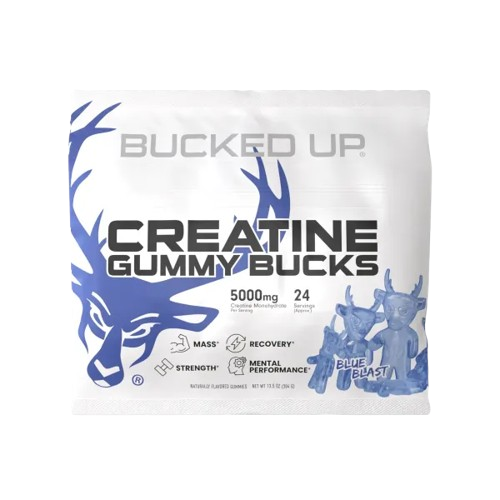
The table below highlights how Bucked Up creatine gummies and CON-CRET HCl capsules compare across effectiveness, dosing control, digestion, portability, and taste. Use it to match each format to your daily routine and performance priorities.
| Category | Gummies (Bucked Up 5g) | Capsules (Bucked Up CON-CRET HCl) | Key Consideration |
|---|---|---|---|
| Effectiveness | 5g monohydrate per 5 gummies | 750mg HCl per capsule | Comparable when daily dose reaches 3–5g |
| Dosage Precision | Fixed 5g serving size | Take one to two capsules daily with water | Consider how much flexibility you want |
| GI Tolerance | Possible sugar alcohol effects | Creatine HCl is 37.9 times more soluble than creatine monohydrate in water at 25 °C | Match format to your digestion |
| Portability | No water needed, candy-like | Compact, pocket-friendly | Both travel easily |
| Taste | Flavored (Tropic Thunder, etc.) | Tasteless capsules | Comes down to flavor preference |
This superior solubility in HCl can reduce gastrointestinal side effects for some athletes. However, both forms deliver similar benefits for strength and muscle growth when you match the total daily dose.1 Understanding this equivalence helps you focus on what matters most: consistent intake and accurate dosing.
Dialing In Dosage Accuracy and Product Purity
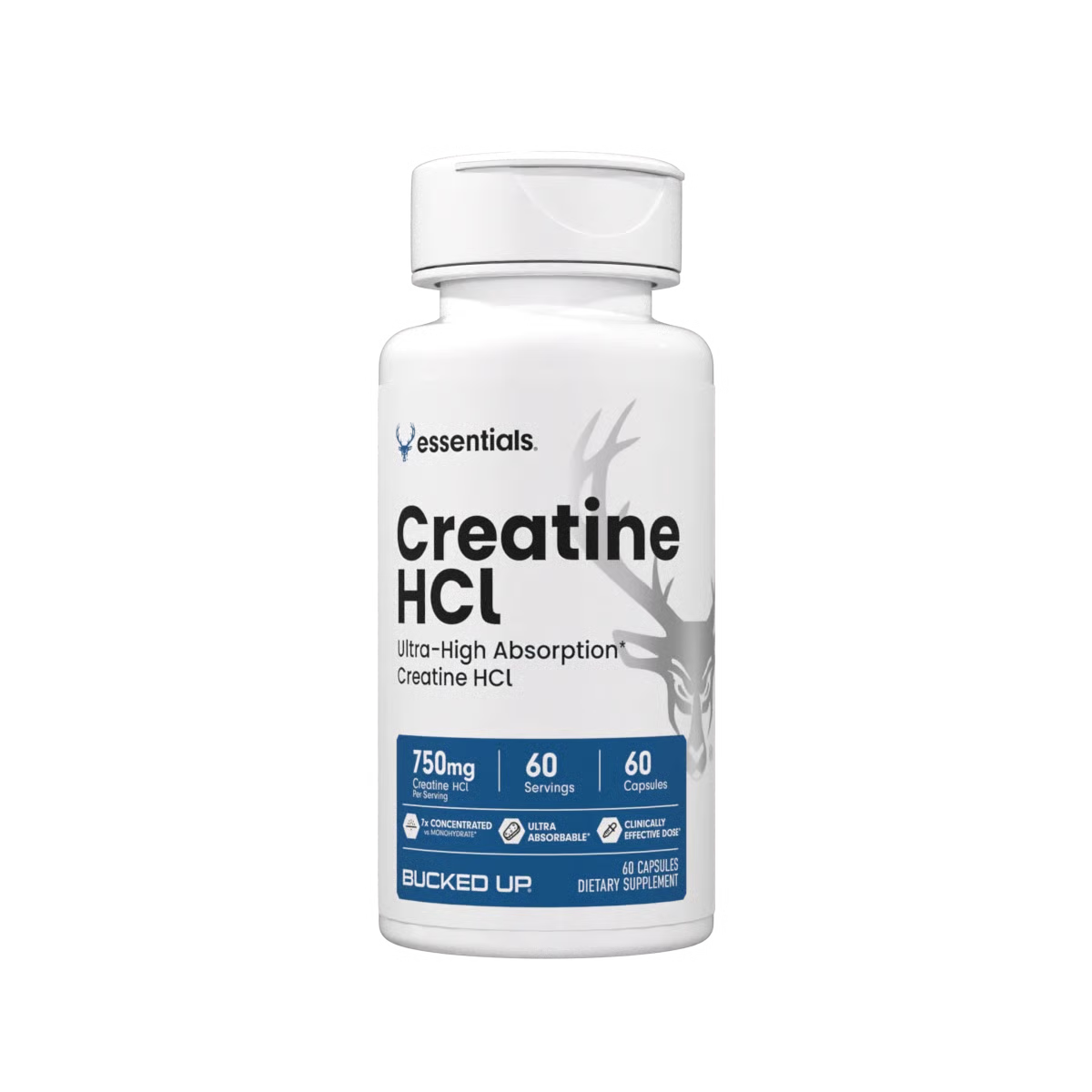
Athletes aiming for peak performance need verified 3–5 gram daily doses to maintain muscle creatine saturation.1 Manufacturing processes can affect creatine stability, which makes third-party testing important for confirming label accuracy. Bucked Up’s NSF-certified creatine gummies provide 5 grams of creatine monohydrate per 5-gummy serving (micronization not specified). Their CON-CRET HCl capsules deliver 750mg per capsule, and you take one to two capsules daily with water to reach your target intake.
Absorption, Bloating, and Recovery Impact
A 2024 study directly comparing creatine monohydrate and HCl found both significantly improved strength and muscle growth versus placebo, with no meaningful difference between the forms.1 The earlier research on solubility supports a related point. Creatine HCl’s higher solubility can lower the chance of GI side effects that might disrupt training consistency.1
Sugar alcohols like maltitol or sorbitol in some creatine gummies can cause gas or diarrhea in sensitive individuals.1 Many athletes still report noticeable performance improvements with both gummies and capsules. One user of Bucked Up’s creatine blend shared, “I have almost doubled my weights on every exercise since starting creatine.”1 These experiences highlight how effective consistent supplementation can feel once you find a format your stomach tolerates.
Convenience and Lifestyle Fit for Training Schedules
Creatine format needs to fit smoothly into your daily routine. Gummies offer candy-like portability without water, which works well before competitions, during travel, or between meetings. Bucked Up’s flavored options like Tropic Thunder make daily use more enjoyable, which can support long-term adherence.
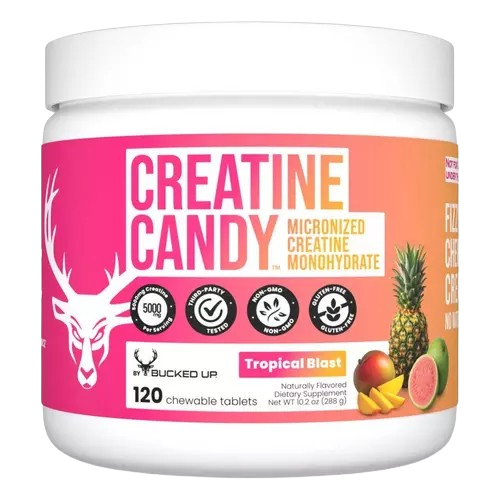
Capsules provide pocket-sized, quick dosing that stacks easily with your existing supplement routine. You can keep a small bottle in your gym bag or desk and take them with a sip of water. Hydration remains essential with both formats because creatine pulls water into muscle tissue.1 Most athletes benefit from 80–100 ounces of fluid per day to support performance and recovery.1
Use-Case Scenarios for Different Athlete Goals
Specific goals often guide the choice between gummies and capsules. Bodybuilders focused on lean gains with minimal visible water retention may favor HCl capsules for their precise dosing and lower perceived bloating. Sprinters and power athletes often like gummies for quick, easy intake right before events, especially when they do not want to swallow capsules on the starting line.
Busy athletes who travel or juggle long workdays can use either format as a more convenient alternative to powders and shakers. Bucked Up’s NSF Sport certification supports these scenarios by providing added assurance of purity for competitive use. This certification can matter for tested athletes who must avoid banned substances while still chasing performance gains.
Choosing Between Creatine Gummies and Capsules
The better format depends on your priorities and how your body responds. Capsules tend to excel in dosing precision and GI tolerance, especially with HCl forms. Properly formulated gummies match those performance benefits while adding flavor and water-free convenience.
Both forms provide similar strength and muscle growth support when you reach an appropriate daily dose.1 Bucked Up’s NSF-certified options help you maintain reliable potency in either format, so you can choose based on lifestyle fit rather than worrying about a performance gap.
Frequently Asked Questions
Is it better to take creatine gummies or pills?
Both formats can work well when you hit a consistent daily dose. Pills usually offer more precise dosing control and often cause less bloating, especially with HCl forms. Gummies deliver better taste and grab-and-go convenience but may include sugar alcohols that cause digestive issues for some people. Match the format to your tolerance for sweeteners and your preferred way to take supplements.
What are the cons of creatine gummies?
Creatine gummies can contain sugar alcohols that cause gas or diarrhea in sensitive users. Many products also require several gummies to reach an effective 3–5 gram dose, which can increase cost per gram compared with capsules. Some gummies may show dosage inconsistencies if manufacturing conditions convert part of the creatine into inactive compounds.
What is the difference between creatine capsules and gummies pros and cons?
Capsules provide precise dosing, no added sugars, and often better GI tolerance with HCl forms, but they do not offer flavor appeal. Gummies provide flavor and no water requirement, which some athletes find easier to remember and enjoy. The trade-off is that gummies may cause digestive issues for those sensitive to sugar alcohols and may require multiple pieces to reach an effective dose. When properly formulated and dosed, both formats can support similar performance outcomes.
What is the proper creatine gummies dosage for athletes?
Athletes typically need 3–5 grams of creatine per day to support muscle saturation. For many products, this range equals about 3–5 gummies, depending on the creatine content per piece. Splitting the total amount into smaller servings with meals can reduce digestive discomfort and support steady absorption.
Should I take creatine on rest days?
Daily creatine intake, including rest days, helps maintain muscle saturation levels. This steady saturation supports performance and recovery by keeping phosphocreatine stores ready for ATP regeneration during your next training session.1 Skipping rest days can cause levels to drop over time, which may blunt the full benefit.
Conclusion: Matching Creatine Format to Your Routine
Creatine gummies and capsules can both support serious athletes when the product is well formulated and the dose stays consistent.1 Your choice should reflect your digestive tolerance, convenience needs, and preference for flavor or simple capsules. Bucked Up’s certified options provide reliable potency in both formats, which lets you focus on training instead of second-guessing your supplement.
1 The content provided in this article is for informational purposes only and is not medical advice. Consult with a medical professional before implementing any changes to your diet, health, or exercise routines.
Individual results will vary and are based on a combination of each individual’s diet, exercise, age, and health circumstances.
These statements have not been evaluated by the Food and Drug Administration. This product is not intended to diagnose, treat, cure or prevent any disease.
This article was written by Ryan Gardner, CEO of Bucked Up. As the maker of Bucked Up Creatine, we have a financial interest in this information. The views expressed are our own and should be read with that context in mind