Written by: Ryan Gardner, Owner, Managing Partner, CEO, Bucked Up | Last updated: April 17, 2026
Key Takeaways for Creatine-Using Athletes
- Competitive athletes can use bodyweight-relative loading at 0.3g/kg daily for 5-7 days, then maintain with 3-5g daily to support ATP regeneration.1
- Creatine monohydrate, HCl capsules, gummies, and blends each offer specific benefits such as reduced bloating, portability, and precise dosing for different training schedules.1
- Research reports roughly 5-15% improvements in strength, power output, and recovery for sprinters, weightlifters, and team sport athletes who follow structured protocols.1
- Athletes can reduce side effects like bloating by splitting loading doses, staying hydrated, and choosing HCl when sensitive to monohydrate, while taking creatine every day, including rest days.1
- Experience targeted, no-bloat support with Bucked Up’s NSF-certified creatine products such as Pure Monohydrate, HCl capsules, and gummies, and match your format to your performance goals.1
How This Creatine Guide Helps Competitive Athletes
This guide explains evidence-based creatine protocols for competitive athletes, including loading phases of 20-25 grams daily for 5-7 days followed by maintenance dosing of 3-5 grams daily. The content moves from core science to sport-specific applications, then into practical implementation with Bucked Up’s product lineup. Athletes can see meaningful improvements in strength and power output when they follow these dosing protocols with high-quality, clearly labeled formulations, as supported by position stands from sports nutrition organizations.1
How Creatine Works for High-Intensity Performance
Creatine acts as a key component in the phosphocreatine energy system, rapidly regenerating adenosine triphosphate (ATP) during high-intensity efforts lasting 10-15 seconds.1 For competitive athletes in sprinting, weightlifting, and team sports, this regeneration supports sustained power output during repeated bouts of near-maximal effort.1 Zhang et al.’s 2025 meta-analysis found creatine supplementation significantly increases muscle strength post-intervention, with especially strong effects in untrained individuals compared with already-trained athletes.1 These strength gains occur because the supplement increases baseline muscle creatine stores, which then enhance work capacity and speed up recovery between training sessions.1
Creatine Formats, Their Advantages, and When to Use Each
Once you understand how creatine supports ATP regeneration, the next step is choosing a format that fits your schedule, digestion, and training style. The table below shows how each delivery form lines up with specific advantages and use cases.
| Form | Dose/Serving | Primary Advantage | Best Use Case |
|---|---|---|---|
| Monohydrate Powder | 5g | Decades of research support | Post-workout mixing |
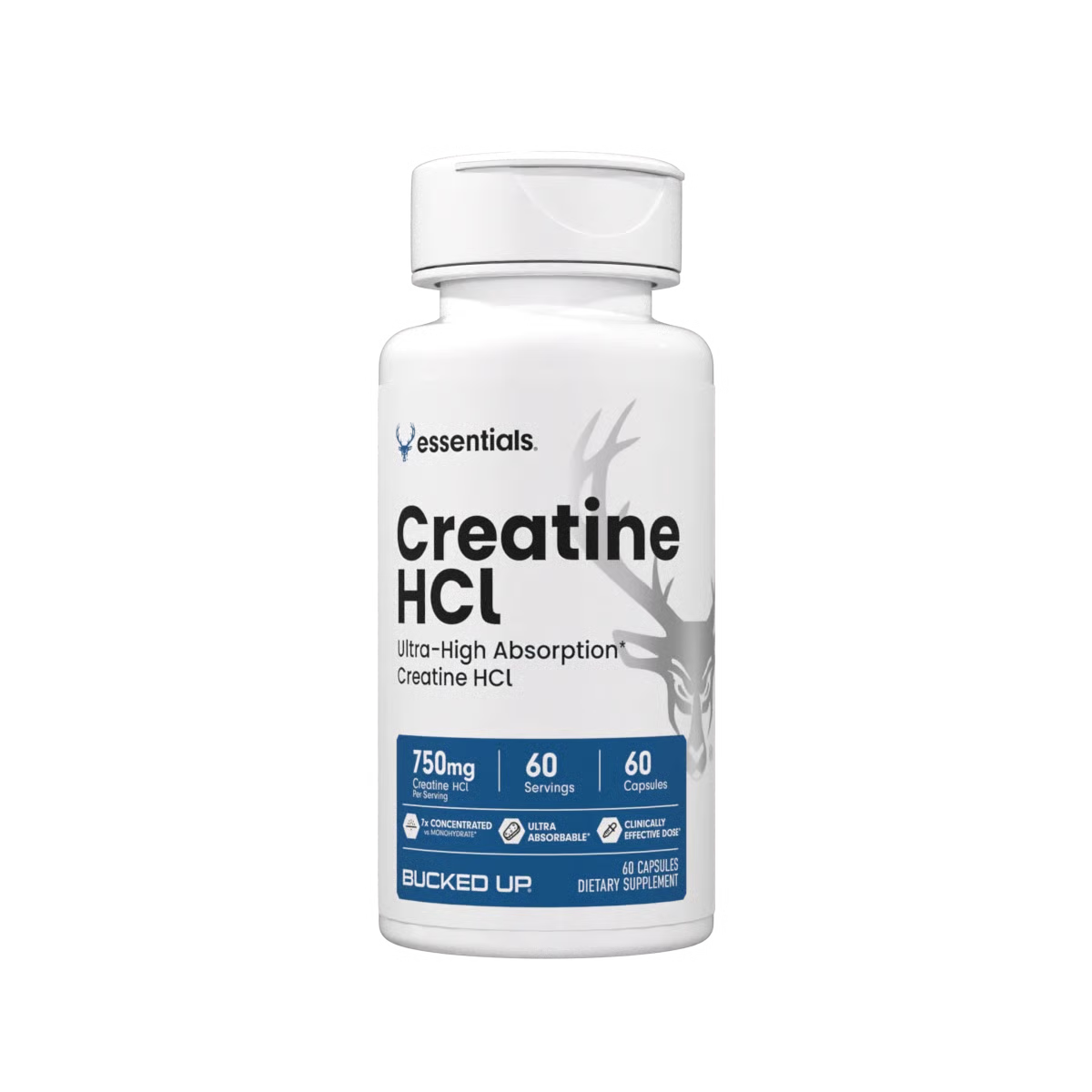
| HCl Capsules | 750mg | 37.9 times more soluble than creatine monohydrate in water at 25 °C | Travel convenience |
| Six Point Blend | 5.75g total | Multiple absorption rates | Around workout timing |
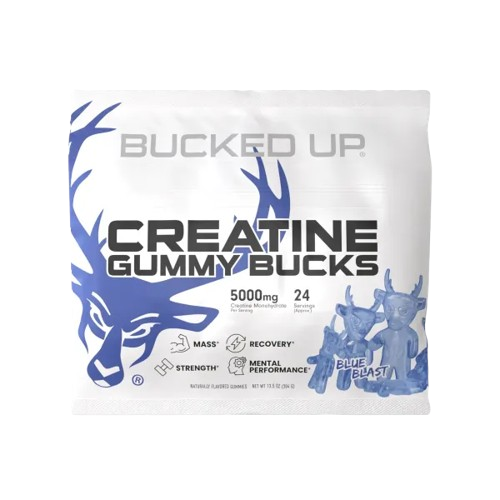
| Gummies | 5g (5 pieces) | Portable, no mixing | Mid-training fuel |
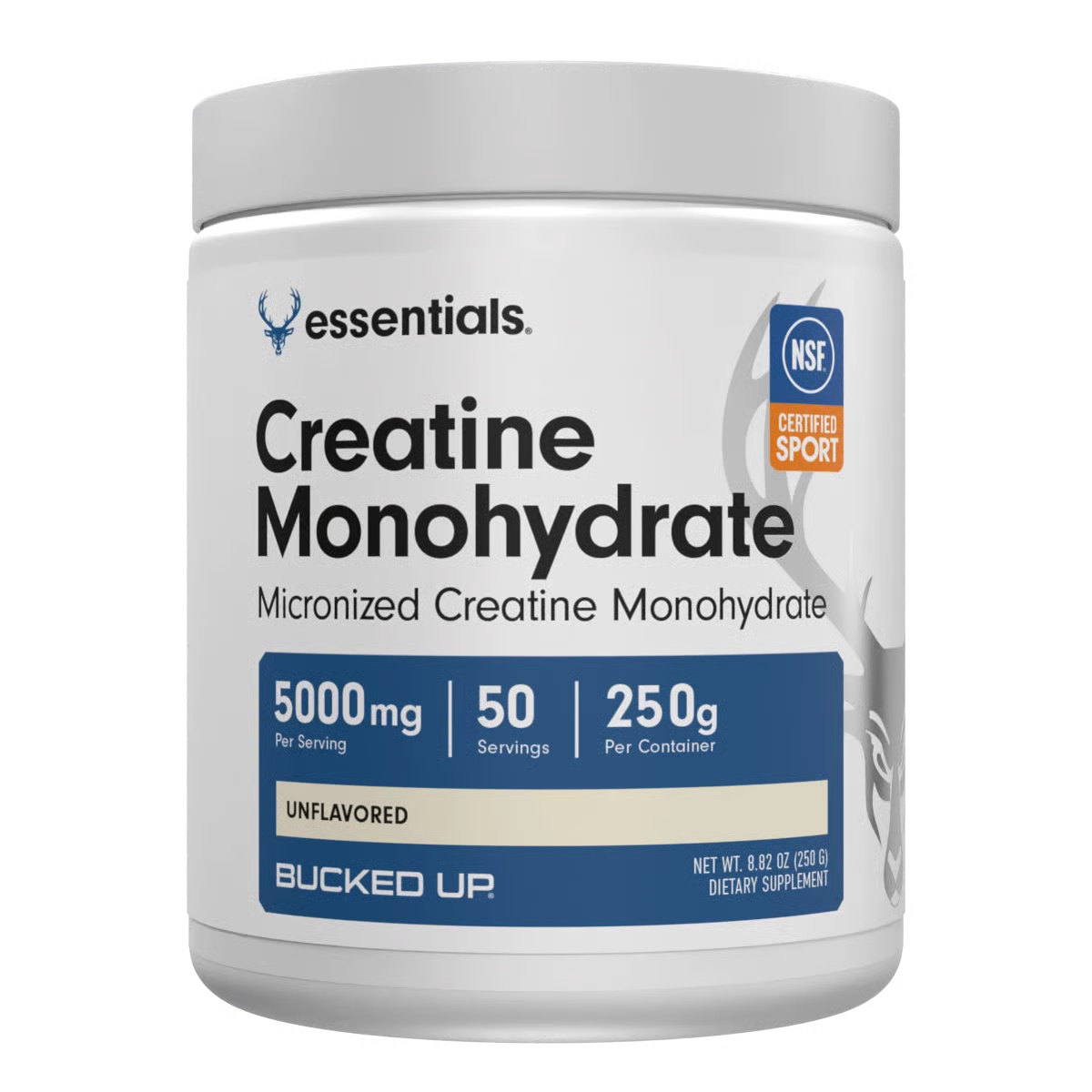
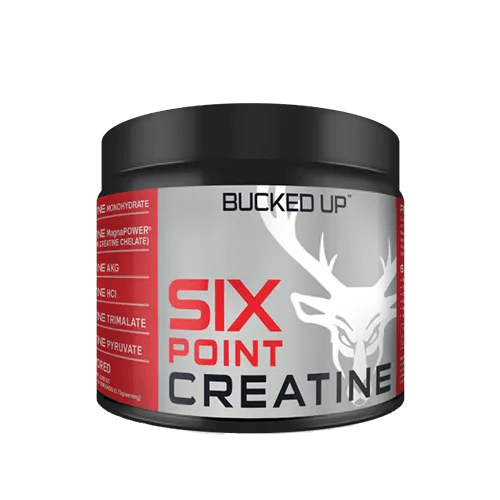
Bucked Up’s Pure Creatine offers both unflavored and flavored options (Grape Apple, Mango Pineapple, Blue Raspberry, Fruit Punch) for athletes who want taste variety. Six Point Creatine provides a flavorless, filler-free formula that mixes easily into any beverage. CON-CRĒT HCl capsules support precise dosing without measuring or mixing, which helps athletes who travel or train on tight schedules.1
Creatine Dosing Strategies for Different Body Weights
The International Society of Sports Nutrition recommends a bodyweight-relative loading strategy of 0.3 grams per kilogram daily during the loading phase. This approach translates to roughly 24.6 grams for a 180-pound athlete and about 17.7 grams for a 130-pound athlete. Athletes can split this loading dose into four or five 5-gram servings spaced every 3-4 hours across the day to support absorption and reduce digestive discomfort.
The table below turns these bodyweight-based guidelines into practical Bucked Up product combinations for common weight ranges.
| Body Weight | Loading Dose (7 days) | Maintenance Dose | Bucked Up Serving |
|---|---|---|---|
| 130 lbs | 0.3g/kg daily (split 4x) | 3g daily | 1 scoop Pure + 1 HCl cap |
| 180 lbs | 0.3g/kg daily (split 5x) | 5g daily | 1 scoop Pure or Six Point |
| 220 lbs | 30g daily (split 6x) | 5g daily | 1 scoop + 1-2 HCl caps |
Maintenance dosing of 3-5 grams daily from the start can still achieve full muscle creatine saturation, although this approach usually takes 3-4 weeks.1 Powerlifters and strength athletes often use the upper maintenance range of 5 grams daily. Sprinters and team sport athletes may prefer a loading phase when preparing for competition blocks. Zhang et al.’s 2025 research indicates low-to-moderate doses produce better muscle strength gains than high doses, which supports standard maintenance protocols instead of very high dosing.1
Creatine Results for Competitive Athletes
Competitive athletes can see measurable performance improvements with structured creatine use.1 The International Society of Sports Nutrition Position Stand reports that creatine monohydrate can improve maximal power output, high-intensity exercise capacity, and lean body mass over 4-12 weeks.1 Garcia et al.’s 2025 study of 71 female football players documented safe, effective long-term use for 32 weeks, which supports creatine’s role in sustained performance across a full season.
Sprint athletes benefit from enhanced ATP regeneration during repeated high-intensity efforts, while team sport players often notice less fatigue during multiple training sessions or games.1 This same ATP regeneration mechanism helps strength athletes increase work capacity for extra repetitions at heavy loads.1 Beyond these physical performance gains, creatine can also support cognitive function, improving focus and decision-making during competition scenarios.1
Benefits, Drawbacks, and Format Trade-offs
Creatine supplementation can increase power output, support faster muscle recovery, and expand overall training capacity.1 Potential drawbacks include temporary water retention of about 1-4 pounds and mild gastrointestinal discomfort during loading. Athletes in weight-class sports can plan creatine timing around weigh-ins, since intracellular water retention usually stabilizes after the initial phase. Creatine HCl may reduce bloating in individuals who react to monohydrate, which makes it appealing for athletes who balance physique goals with performance.1
Daily Creatine Habits and Timing Tips
Consistent daily creatine use around resistance training supports increases in muscle mass and strength.1 Timing remains flexible, so athletes can take creatine before workouts, after workouts, or at another consistent time of day. Taking creatine with carbohydrates and protein can enhance muscle uptake through the insulin response.1 Athletes can also increase daily water intake by 16-32 ounces during supplementation to support cellular hydration and reduce the risk of cramping. Bucked Up’s Creatine Gummies offer convenient mid-training intake, while capsules support precise dosing for travel or busy days.
Common Creatine Myths and How to Navigate Them
Several myths about creatine still discourage some athletes from using it. Many competitors assume creatine only fits bulking phases, yet lean athletes can still gain power and speed without large size increases, especially when they choose HCl formulations. Creatine works best when taken daily, including rest days, at maintenance doses to keep muscle saturation high.1 Skipping days gradually lowers phosphocreatine levels and reduces performance benefits. When comparing creatine products, athletes can look for NSF Sport certification, clear labels with exact dosages, and delivery formats that make daily use realistic.
Frequently Asked Questions
What is the optimal creatine dosage for competitive athletes?
Athletes can follow the bodyweight-relative loading protocol described above, using 0.3 grams per kilogram daily for 5-7 days, then maintaining with 3-5 grams daily. This two-phase approach supports full muscle saturation while helping limit digestive discomfort.1
Should sprinters use a loading phase for creatine?
Sprinters preparing for competition often benefit from a loading phase because it saturates phosphocreatine stores more quickly for explosive efforts.1 A 5-7 day loading period can support immediate performance during key training blocks and competitions, while maintenance-only dosing usually needs 3-4 weeks to reach similar saturation.
Which creatine form causes the least bloating?
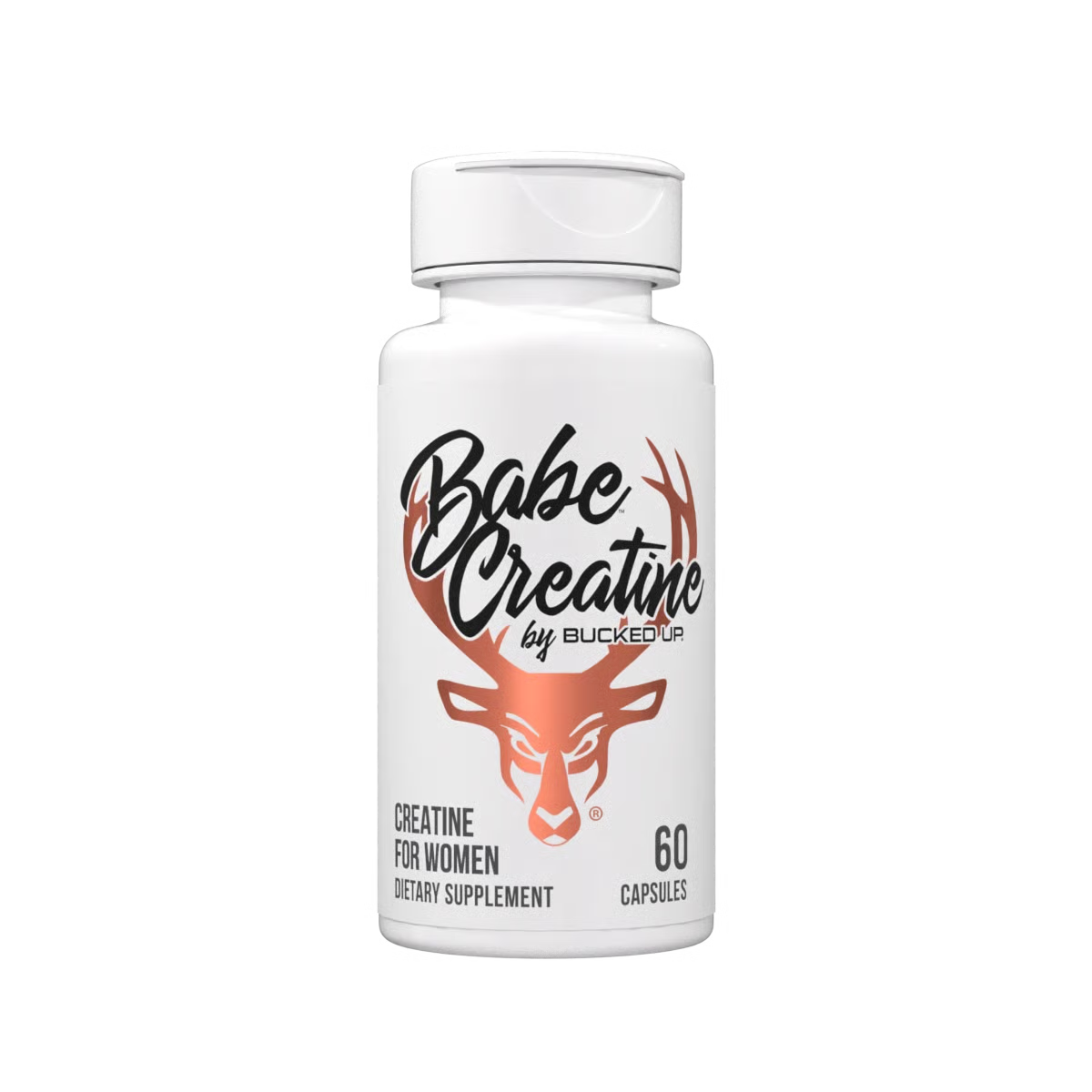
Creatine HCl shows higher water solubility than monohydrate and typically causes less bloating, which helps athletes focused on appearance or who have sensitive digestion.1 Bucked Up’s HCl capsules and Babe Creatine support precise dosing with less water retention than many traditional powders, while gummies give an option for athletes who experience stomach upset with other forms.
Do I need to take creatine on rest days?
Yes. Consistent daily supplementation keeps muscle creatine saturation at effective levels and supports readiness for upcoming training sessions.1 Skipping rest days gradually lowers phosphocreatine stores and can reduce performance benefits on hard training days.
What are the advantages of creatine capsules versus powder?
Capsules allow precise dosing without measuring, remove mixing steps, and can reduce the chance of undissolved particles causing stomach upset.1 They also travel easily and work well for mid-day or mid-training intake. Bucked Up’s HCl capsules provide 750mg of highly bioavailable creatine per capsule, so athletes can adjust total intake based on body weight and timing preferences.
Creatine Recap and Next Steps for Athletes
Evidence-based creatine protocols for competitive athletes use bodyweight-relative loading at 0.3g/kg daily for 5-7 days, followed by 3-5 grams of daily maintenance. Sports nutrition position stands report roughly 5-15% improvements in power output and strength when athletes pair these protocols with quality formulations.1 Bucked Up’s creatine lineup, including Pure Creatine Monohydrate, Six Point blends, HCl capsules, and gummies, gives athletes NSF-certified options that align with different performance goals and convenience needs.
1 The content provided in this article is for informational purposes only and is not medical advice. Consult with a medical professional before implementing any changes to your diet, health, or exercise routines.
Individual results will vary and are based on a combination of each individual’s diet, exercise, age, and health circumstances.
These statements have not been evaluated by the Food and Drug Administration. This product is not intended to diagnose, treat, cure or prevent any disease.
This article was written by Ryan Gardner, CEO of Bucked Up. As the maker of Bucked Up Creatine, we have a financial interest in this information. The views expressed are our own and should be read with that context in mind