
Key Takeaways
- Creatine supports short, intense efforts in the gym and daily life by helping muscles regenerate energy more quickly.
- Consistent daily dosing matters more than exact timing, and both loading and lower daily-dose approaches can work.
- Different creatine forms, such as monohydrate and HCl, allow people to match solubility, digestion, and convenience to their preferences.
- Creatine can support cognitive function and healthy aging, not just muscle size and strength.
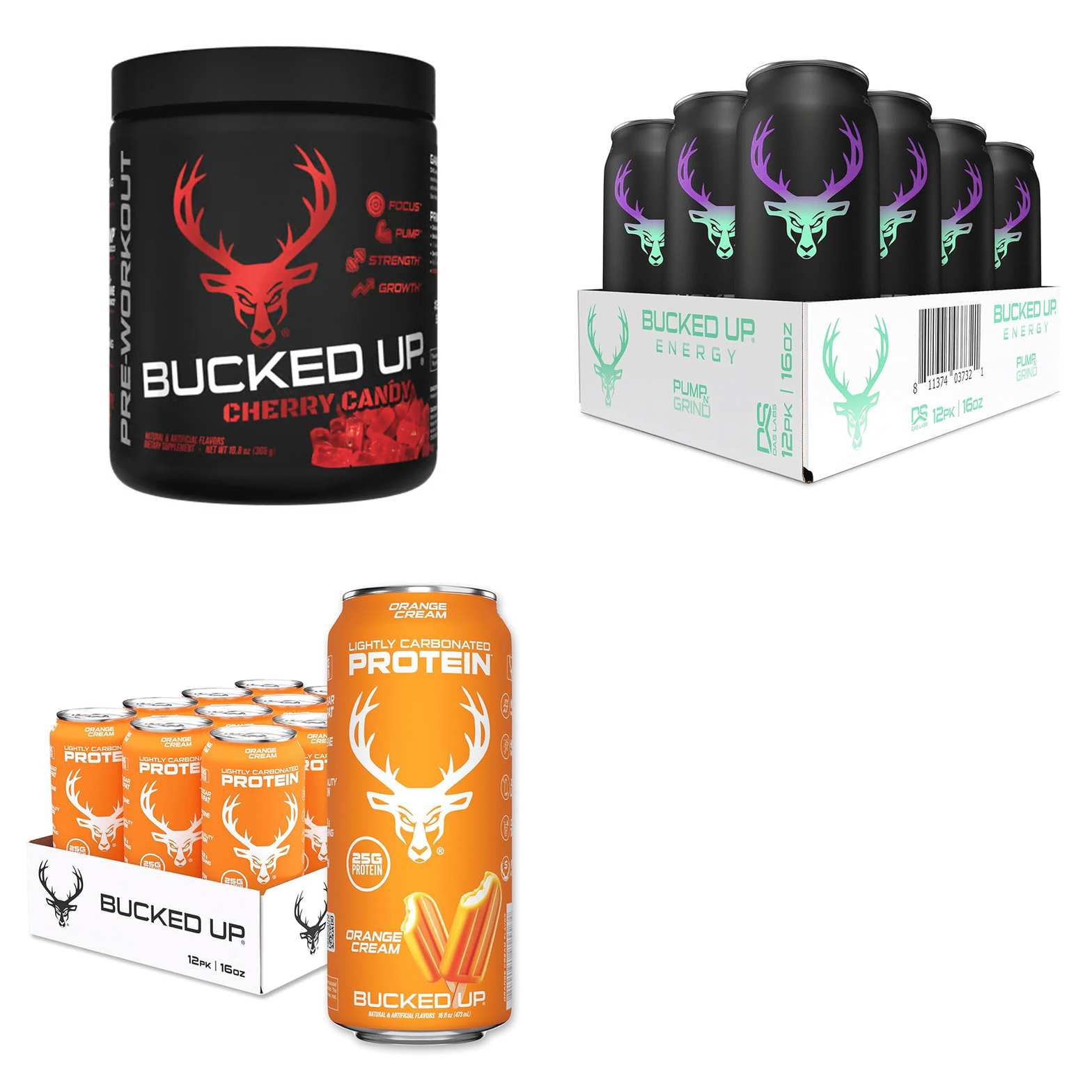
- Bucked Up Creatine offers powders, capsules, and candies so you can follow a plan you enjoy and stick with long term, and you can explore the full line at Bucked Up Creatine.
Shop now to support your mental and physical performance with Bucked Up creatine options.
Why Creatine Matters for Athletes and Everyday Lifters
Creatine supports anyone who wants better strength, sharper focus, and long-term muscle health, not only competitive athletes. It helps with heavy lifts, sprints, and demanding work or study sessions that require quick bursts of effort.
More people now use creatine for goals like staying strong while aging, keeping up with busy schedules, and supporting overall wellness. This shift reflects a better understanding of how creatine supports cellular energy in both muscles and the brain.
Understanding Creatine: How It Works and Its Main Benefits
Creatine increases phosphocreatine stores in muscle and brain tissue. These stores help regenerate ATP, the main energy source your cells use during intense efforts.
Most supplements use one or more of these forms:
- Creatine monohydrate, the most studied form, is known for reliability and value.
- Creatine HCl is a more soluble option that some people find easier on digestion.
- Blends that include forms like gluconate, malate, or anhydrous creatine to support different absorption profiles.
Key Benefits of Creatine Supplementation
- Muscle strength and power: Supports heavier lifts and faster sprints by helping muscles resynthesize ATP more quickly.
- Muscle growth and lean mass: Creates a favorable environment for muscle gain when combined with resistance training and adequate protein.
- Training volume and recovery: Helps you complete more quality reps and may reduce muscle damage after hard sessions.
- Cognitive support: Can assist memory, reaction time, and focus, especially during stress or sleep loss.
- Healthy aging: Helps older adults maintain muscle strength and functional capacity when paired with resistance exercise.
Optimal Creatine Dosage for Consistent Results
A clear dosing plan makes creatine easy to use and easier to stick with. Most people respond well to simple, repeatable routines.
Loading Phase vs Daily Low Dosing
Two main strategies can raise muscle creatine levels:
- Loading phase: 20 grams per day, split into 4 doses, for 5 to 7 days, then 3 to 5 grams per day as maintenance.
- Daily low dosing: 3 to 5 grams per day from the start, reaching similar muscle saturation in about 3 to 4 weeks.
The daily low-dose approach often works well for people who want a gentler plan with less chance of digestive discomfort.
Importance of Daily Consistency
Creatine works best when muscle stores stay elevated, so daily intake matters more than short-term timing tricks. Regular use on both training and rest days keeps levels steady and supports performance over time.
Timing Creatine Around Your Day
Creatine can be taken at any time that fits your routine. Many people pair it with a pre-workout, post-workout shake, or a regular meal. The most important factor is choosing a time you can remember every day.
Hydration Guidelines for Creatine Users
Hydration supports how creatine works inside muscle cells. Most active adults do well with about 80 to 100 ounces of water per day, adjusted for body size, climate, and training load.
Capsules pair well with 8 to 12 ounces of water per serving. Consistent fluid intake may also reduce the chance of cramps or bloating in people who are sensitive.
Myths, Safety, and Long-Term Use
Healthy people can use creatine safely for long periods when they follow recommended doses. Evidence on healthy users does not support claims that creatine harms the kidneys or liver when used responsibly.
Cycling off is not required for effectiveness. Some people notice mild water retention or bloating from certain forms. Many of them do better when they switch to creatine HCl or focus on more consistent hydration.
Bucked Up Creatine Options for Different Goals
Bucked Up offers several creatine formats so you can choose the one that fits your routine and digestion. Each option aims to provide clear dosing and straightforward ingredient profiles.
Quality Standards You Can Check
Bucked Up creatine products are manufactured in NSF Certified and GMP Certified facilities. Select products carry NSF Sport certification, giving competitive athletes added peace of mind about third-party testing for banned substances.
Labels list active ingredients and serving sizes clearly so you can match products to your training and recovery plan.
Choosing a Bucked Up Creatine Product
These core options cover most goals and preferences:
- Pure Creatine (Creatine Monohydrate): Micronized monohydrate that mixes into most drinks. A typical 5-gram serving supports strength, power, and muscle gain.
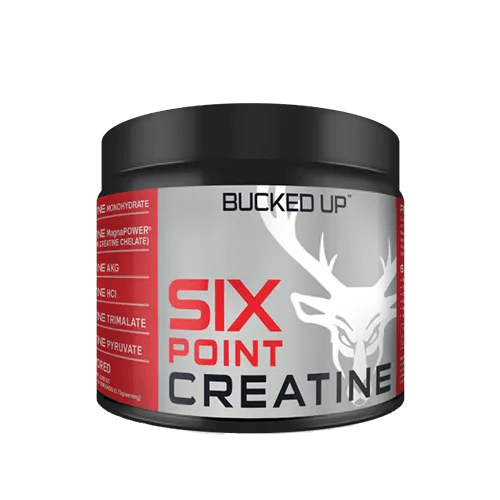
- Six Point Creatine: A blend of six creatine forms designed to support broad muscle saturation and varied uptake pathways.
- Buck Build (Creatine + Glutamine): A formula that combines creatine with L-glutamine to support performance, recovery, and overall wellness.
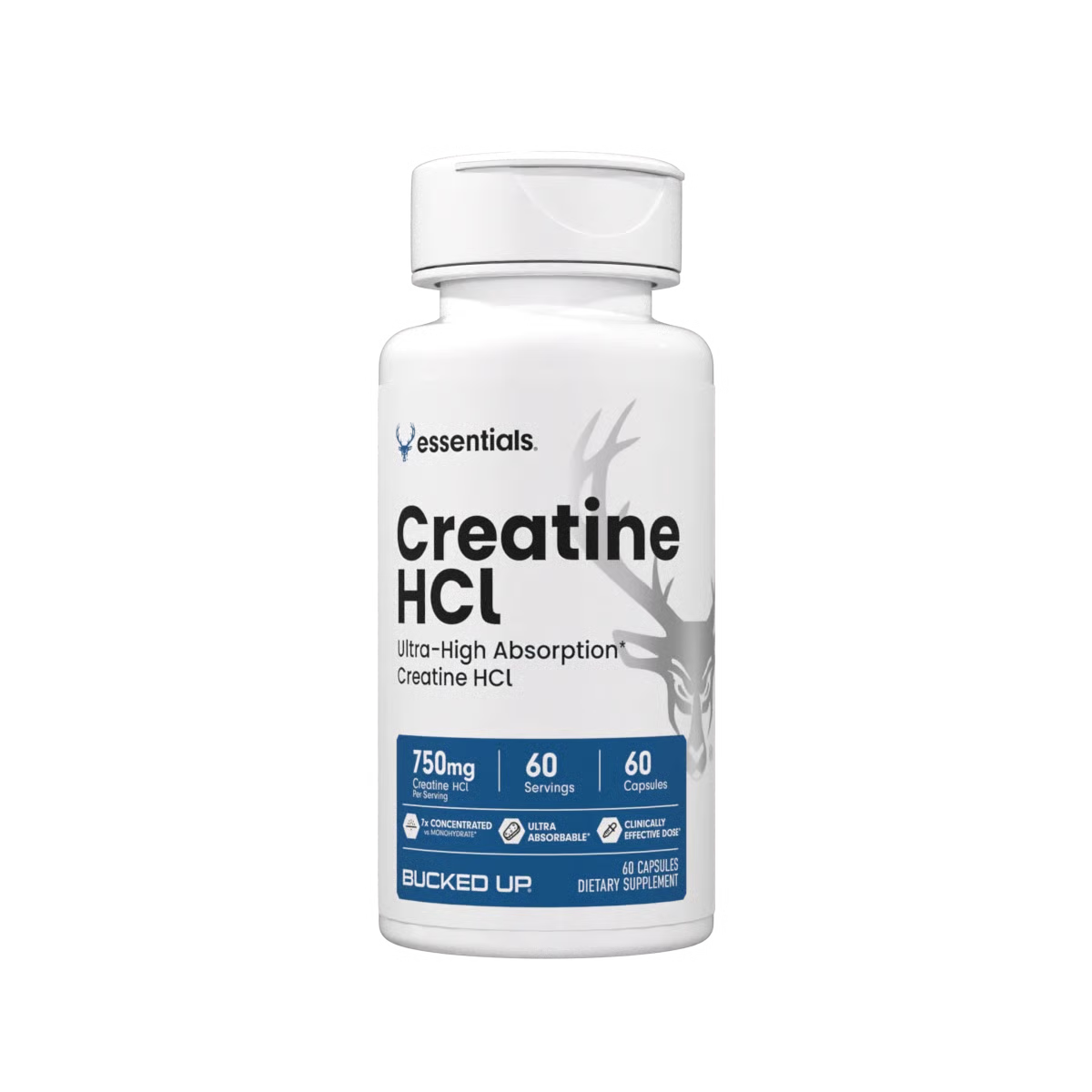
- Creatine HCl Capsules and Babe Creatine: CON-CRET Creatine HCl for users who prefer capsules, smaller serving sizes, or a form they feel causes less bloating.
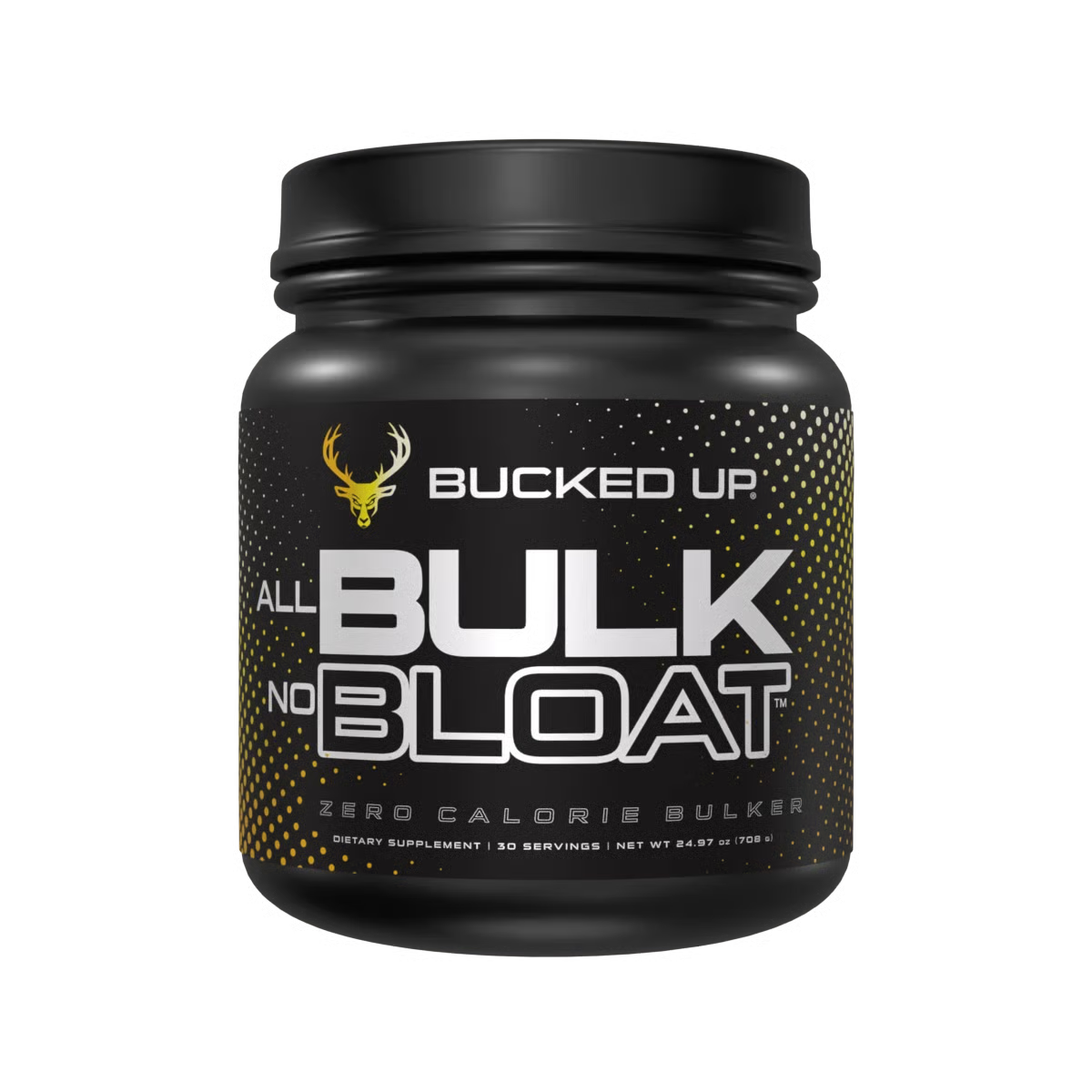
- All Bulk No Bloat: A mass-support formula with creatine monohydrate, HMB, betaine, and glutamine for muscle gain with an emphasis on comfort.
- Creatine Gummies and Creatine Candy: Chewable options that provide a measured dose of creatine monohydrate with no measuring or mixing.
Quick Comparison of Bucked Up Creatine Products
|
Product |
Key Creatine Forms |
Main Advantage |
Best For |
|
Pure Creatine |
Monohydrate |
Simple, well-studied |
General strength and muscle growth |
|
Six Point Creatine |
Six-form blend |
Broad, multi-pathway uptake |
Advanced performance focus |
|
Buck Build |
MagnaPower, citrate, malate + glutamine |
Performance plus recovery support |
Training and overall wellness |
|
Creatine HCl (Capsules/Babe) |
Creatine HCl |
Smaller serving size, portable |
Travel, convenience, bloat sensitive users |
|
All Bulk No Bloat |
Monohydrate + HMB, glutamine, betaine |
Mass support with comfort in mind |
Muscle and body composition goals |
|
Gummies / Candy |
Monohydrate |
Pre-measured, enjoyable format |
Anyone who prefers chewable creatine |
Shop now to compare Bucked Up creatine options and choose the product that fits your routine.
Frequently Asked Questions About Creatine
What is creatine, and how does it work?
Creatine is a compound your body produces from amino acids. It helps muscles and brain cells recycle ATP during short, intense efforts. Supplementation increases stored creatine and phosphocreatine, which supports better performance in high-intensity exercise and demanding cognitive tasks.
What are the benefits of creatine beyond athletic performance?
Creatine can assist memory, mental clarity, and reaction time in situations that tax the brain. It also helps older adults maintain muscle mass and strength, which supports balance, mobility, and independence as they age.
Should I take creatine on rest days?
Daily use, including rest days, keeps muscle creatine levels steady. A consistent 3 to 5 gram serving on both training and non-training days helps you stay ready for your next workout.
What is the difference between creatine pills and powder?
Pills offer portability and simple dosing with no mixing or taste. Powders usually cost less per serving and mix easily into pre-workouts, protein shakes, or plain water. Both forms can deliver the same creatine benefits when the total daily dose matches.
How much water should I drink with creatine?
Most active adults do well with roughly 80 to 100 ounces of water each day while using creatine. Capsules pair well with a full glass of water. Staying hydrated supports muscle function and comfort during training.
Can I take creatine before bed?
Creatine does not act as a stimulant, so most people can use it at night without affecting sleep. It works by building and maintaining muscle stores over time, so timing near bedtime is acceptable if that fits your routine.
Conclusion: Putting Creatine to Work in Your Routine
Creatine remains a practical, well-studied supplement for strength, performance, cognition, and healthy aging. A consistent daily dose, adequate hydration, and a form that fits your lifestyle help you get the most from it.
Bucked Up creatine products provide options for powders, capsules, blends, and candies so you can choose the format that keeps you consistent over the long term.
Shop now to find the Bucked Up creatine product that matches your training style and wellness goals.
*Disclaimer: These statements have not been evaluated by the Food and Drug Administration. This product is not intended to diagnose, treat, cure, or prevent any disease.